

Tadalafil and Sodium Valproate: Can They Be Taken Together?
UK pharmacist advice on safety, interactions, and what your prescriber checks before approving treatment.
Takes less than 2 minutes to complete 100% online

Trusted by thousands
Real people, real results
“Fabulous service and quick delivery”
“Felt the effects of these after about 5 days. Erections are better and can get aroused and ready easier”
“Excellent value and brilliant customer service”
“I received excellent service and everything went well. The order arrived quickly and in perfect condition. It's working very well! Thank you to the whole team for the great work!”
“Delivery was good, the product lived up to expectations.”
Your Path to Treatment
Choose your treatment
Select from our recommended UK-licensed medications.

Answer quick questions
Select safe UK treatments. Quick answers.

Get it delivered fast
We will deliver direct to you as quickly as tomorrow.

Tadalafil and Sodium Valproate: What You Need to Know
Published: 25 October 2026
If you take sodium valproate for epilepsy or bipolar disorder and are considering tadalafil for erectile dysfunction, you may wonder whether tadalafil and sodium valproate can be used together safely. The good news is that no major direct interaction between these two medicines is commonly reported in UK clinical guidance, but your prescriber will still need to review your full medical history and current medications during your consultation [2][3][4]. This page explains what each medicine does, what checks are made, and the practical steps to use them safely.
Always declare all your medicines
Even if there is no major interaction between tadalafil and sodium valproate, your prescriber must know about every medicine you take—including over-the-counter products and supplements—to ensure your treatment is safe and effective.
What is tadalafil and how does it work?
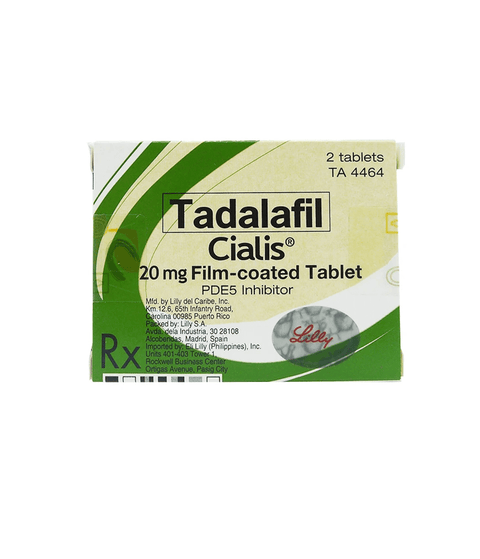
Tadalafil is a prescription medicine used to treat erectile dysfunction (ED) in men [4]. It belongs to a group of medicines called phosphodiesterase type 5 (PDE5) inhibitors, which work by relaxing the blood vessels in the penis, allowing more blood to flow in when you are sexually aroused [1][4]. Tadalafil does not cause an erection on its own—sexual stimulation is still needed for it to work.
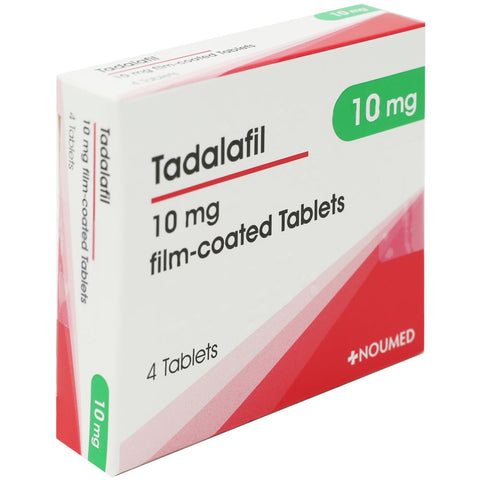
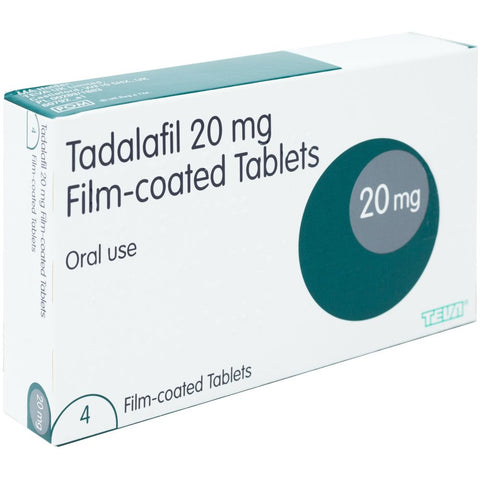
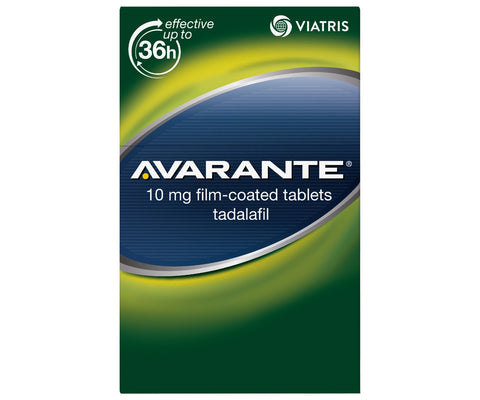
Tadalafil is available in two forms: on-demand tablets (usually 10 mg or 20 mg taken at least 30 minutes before sexual activity, with effects lasting up to 36 hours) and daily low-dose tablets (2.5 mg or 5 mg taken once a day) [4]. The longer duration of action is why tadalafil is sometimes called the 'weekend pill'. Common brand names include Cialis, and generic versions are widely available at lower cost.
Like all PDE5 inhibitors, tadalafil can lower blood pressure slightly, which is why it must not be taken with certain medicines such as nitrates, nicorandil, riociguat, or recreational drugs called 'poppers' [3][4]. Your prescriber will check your heart health, blood pressure, and all current medicines before prescribing tadalafil.
What is sodium valproate and why is it prescribed?
Sodium valproate (also known as valproate semisodium or by brand names such as Epilim) is a medicine used mainly to treat epilepsy and bipolar disorder. It works by calming overactive electrical signals in the brain, helping to prevent seizures and stabilise mood. Sodium valproate is an anticonvulsant, and it has been used for decades in the UK as an effective treatment for various types of epilepsy and as a mood stabiliser.
Because sodium valproate affects brain chemistry, it can interact with some other medicines that also act on the central nervous system or are broken down by the same liver enzymes. However, sodium valproate is not a potent inhibitor or inducer of the liver enzyme CYP3A4, which is the main pathway that breaks down tadalafil [4]. This is one reason why a major direct interaction between tadalafil and sodium valproate is not commonly reported in UK prescribing guidance.
It is still essential to tell your prescriber about sodium valproate (and any other medicine you take) during your ED consultation, because your overall health, seizure control, and any other conditions will influence whether tadalafil is suitable and what dose is right for you [2].
Important safety note for women and girls
Sodium valproate can cause serious harm to an unborn baby and must not be used during pregnancy unless there is no suitable alternative and a pregnancy prevention programme is in place. This page focuses on men taking sodium valproate who are considering tadalafil for erectile dysfunction. If you have any questions about valproate and pregnancy, speak to your GP or specialist immediately.
When to get urgent help
- Erection lasting more than four hours (priapism)—go to A&E immediately
- Sudden loss of vision or hearing—seek urgent medical help
- Chest pain during sex—stop and call 999; do not take nitrates if you have used tadalafil in the past 48 hours
- Severe allergic reaction (swelling of face, lips, throat, difficulty breathing)—call 999
- Sudden increase in seizure frequency or severe mood changes—contact your GP or specialist the same day
Call 999 or go to A&E in an emergency, or contact NHS 111 for urgent advice.
Is there an interaction between tadalafil and sodium valproate?
Based on current UK clinical guidance, there is no major direct interaction commonly reported between tadalafil and sodium valproate [2][3][4]. Sodium valproate does not significantly affect the liver enzyme (CYP3A4) that breaks down tadalafil, so it is unlikely to raise or lower tadalafil levels in your blood in a clinically important way. Similarly, tadalafil does not interfere with how sodium valproate works to control seizures or stabilise mood.
However, 'no major interaction' does not mean the combination is automatically suitable for everyone. Your prescriber will still need to check your full medical history, including your epilepsy or bipolar disorder, any other medicines you take, your blood pressure, and your heart health [2]. Some people with epilepsy may have other conditions (such as heart disease or high blood pressure) or take additional medicines that do interact with tadalafil, so a thorough review is essential.
If you are stable on sodium valproate and have no other contraindications, your prescriber may approve tadalafil at a standard starting dose. You should never stop or change your sodium valproate dose without advice from the doctor who prescribed it, as this could affect your seizure control or mood stability.
What your prescriber will check during the consultation
When you request tadalafil through Cured Pharmacy, a UK-registered prescriber will review an online health questionnaire before approving your prescription. You will be asked to list all your current medicines, including sodium valproate, and to describe any medical conditions such as epilepsy, bipolar disorder, heart disease, high blood pressure, diabetes, or liver and kidney problems [2].
The prescriber will check whether you take any medicines that are known to interact with tadalafil—particularly nitrates (GTN spray, isosorbide mononitrate), nicorandil, riociguat, alpha-blockers (such as doxazosin or tamsulosin), or potent CYP3A4 inhibitors (such as ritonavir, ketoconazole, or clarithromycin) [3][4]. They will also confirm that your blood pressure is not too low and that sexual activity is safe for your heart.
If you take other medicines for epilepsy (such as carbamazepine or phenytoin), these may reduce the effectiveness of tadalafil because they speed up how quickly your liver breaks it down [4]. Your prescriber will consider this and may adjust the dose or suggest an alternative. Always answer the health questions fully and honestly—this ensures you receive the safest, most effective treatment.
Starting dose and monitoring
For most men, the usual starting dose of on-demand tadalafil is 10 mg, taken at least 30 minutes before sexual activity [4]. If you have no other risk factors and sodium valproate is your only regular medicine, this standard dose is likely to be appropriate. Your prescriber may recommend starting with a lower dose if you have other health conditions or take additional medicines. You should not take tadalafil more than once in 24 hours, and you should report any side effects or concerns to your prescriber or pharmacist.
At a glance
Practical advice for taking tadalafil and sodium valproate together
If your prescriber approves tadalafil, continue taking your sodium valproate exactly as prescribed by your specialist or GP. Do not stop, reduce, or change the dose of sodium valproate without medical advice, as this could lead to breakthrough seizures or mood instability. Tadalafil does not interfere with how sodium valproate works, so you can take both medicines on the same day without needing to space them out.
Take tadalafil as directed—usually at least 30 minutes before you plan to have sex, and remember that sexual stimulation is needed for it to work [1][4]. The effect can last up to 36 hours, so you do not need to rush. Avoid drinking large amounts of alcohol, as this can make erectile dysfunction worse and increase the risk of dizziness or low blood pressure when combined with tadalafil [3][4].
Common side effects of tadalafil include headache, indigestion, back pain, muscle aches, flushing, and a blocked or runny nose [4]. These are usually mild and short-lived. If you experience chest pain during sex, stop immediately and seek urgent medical help—do not take nitrate medicines (GTN spray) if you have used tadalafil in the past 48 hours, as this combination can cause a dangerous drop in blood pressure [3][4].
When to seek medical advice or change your treatment
Seek urgent medical help (call 999 or go to A&E) if you experience an erection lasting more than four hours (priapism), sudden loss of vision or hearing, severe chest pain, or signs of a serious allergic reaction such as swelling of the face, lips, or throat [3][4]. These are rare but serious side effects that need immediate attention.
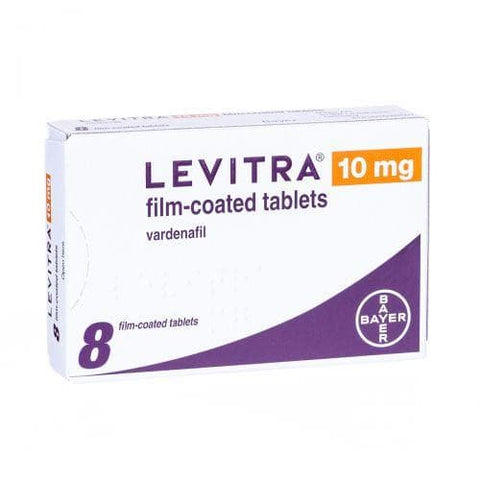
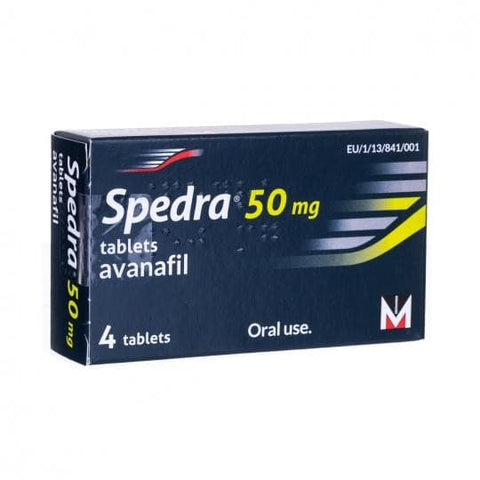
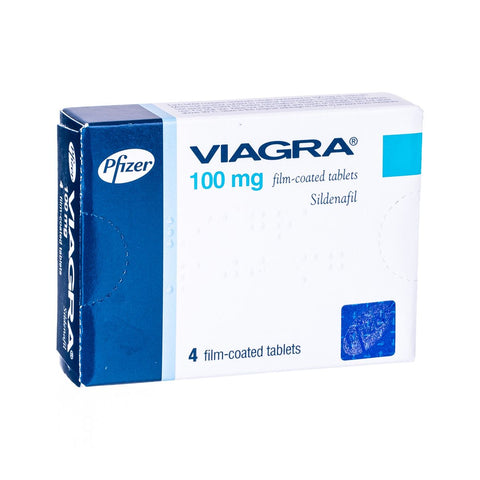
Contact your GP or specialist if your seizures become more frequent or your mood changes after starting tadalafil, although this is very unlikely given the lack of interaction between tadalafil and sodium valproate. If tadalafil does not help your erection problems, or if you experience side effects that bother you, speak to your prescriber—there are other PDE5 inhibitors (sildenafil, vardenafil, avanafil) and alternative treatments that may suit you better [2].
Remember that erectile dysfunction can be an early warning sign of heart disease or diabetes, especially if it is a new problem [1][2]. If you have not already done so, see your GP for a general health check, including blood pressure, cholesterol, and blood sugar tests. Treating any underlying conditions can improve your erections and your overall health. Your prescriber at Cured Pharmacy will encourage you to follow up with your GP if needed.
Lifestyle measures that can help
Alongside medication, lifestyle changes can improve erectile function: maintaining a healthy weight, exercising regularly, stopping smoking, reducing alcohol, and managing stress all make a difference [1][2]. If you take sodium valproate, good seizure control and stable mood also support your overall wellbeing and confidence, which can positively affect sexual health.
In summary
- No major interaction is commonly reported between tadalafil and sodium valproate in UK guidance
- Your prescriber will review all your medicines and medical history during the consultation
- Continue your sodium valproate as prescribed—do not stop or change the dose without advice
- Seek urgent help for erections lasting over four hours or sudden vision or hearing loss
- Lifestyle changes and treating underlying conditions can improve erectile function
Scientific References
- NHS. (n.d.). Erectile dysfunction (impotence). NHS website. https://www.nhs.uk/conditions/erection-problems-erectile-dysfunction/ [accessed 25 October 2026]
- National Institute for Health and Care Excellence. (n.d.). Erectile dysfunction. Clinical Knowledge Summaries. https://cks.nice.org.uk/topics/erectile-dysfunction/ [accessed 25 October 2026]
- Joint Formulary Committee. (n.d.). Sildenafil. British National Formulary. NICE. https://bnf.nice.org.uk/drugs/sildenafil/ [accessed 25 October 2026]
- Joint Formulary Committee. (n.d.). Tadalafil. British National Formulary. NICE. https://bnf.nice.org.uk/drugs/tadalafil/ [accessed 25 October 2026]
Information on this page is for educational purposes only and is not medical advice. Prescription treatments require clinical assessment by a UK-registered prescriber. Always consult a qualified healthcare professional before starting or changing any medication.
Treatment Options
Pricing Disclaimer: Prices on some pages may not be up to date — the live pricing table below and pricing shown during consultation are official current prices and take precedence over any other figures on the site.
Ready to Speak to a Pharmacist?
Start your journey to better health today.
- Reviewed by UK-based prescribers
- Takes under 3 minutes
- Discreet Packaging
Start Your Journey To Better Health Today
Once you complete a short online assessment you will be able to choose your preferred treatment from safe medically approved options tailored to you.
Start My Assessment Log in to Your AccountFrequently Asked Questions

Medically reviewed by
Tarun Kumar, Superintendent Pharmacist (GPhC 2233073)