

Tadalafil and Quetiapine: Can You Take Them Together?
Learn about the interaction, safety checks, and how to use ED treatment while on quetiapine.
Takes less than 2 minutes to complete 100% online

Available Treatments
Pricing Disclaimer: Prices on some pages may not be up to date — the live pricing table below and pricing shown during consultation are official current prices and take precedence over any other figures on the site.
Not sure which one? Start a free consultation →
Tadalafil and Quetiapine: Understanding the Interaction
Published: 25 October 2026
Many men taking quetiapine for mental health conditions wonder whether tadalafil and quetiapine can be taken together safely. The good news is that no major direct interaction between these two medicines is commonly reported, but both can lower blood pressure, so your prescriber will carefully assess your individual circumstances before prescribing tadalafil. This page explains what each medicine does, how they may interact, what checks are needed, and practical advice for using erectile dysfunction treatment safely while on quetiapine.
Avoid standing up quickly
Both tadalafil and quetiapine can lower blood pressure. To reduce the risk of dizziness or fainting, stand up slowly from sitting or lying down, especially when you first start tadalafil or if your quetiapine dose changes.
What is tadalafil and quetiapine used for?
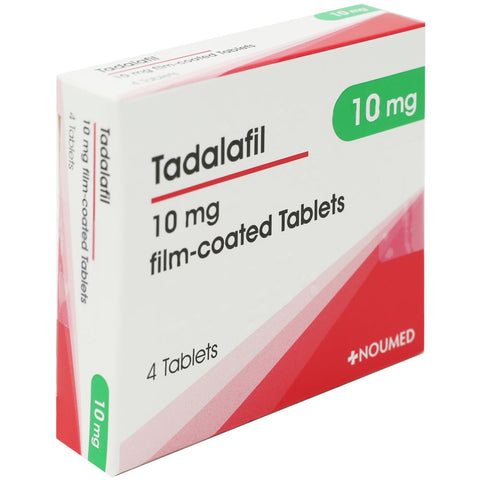
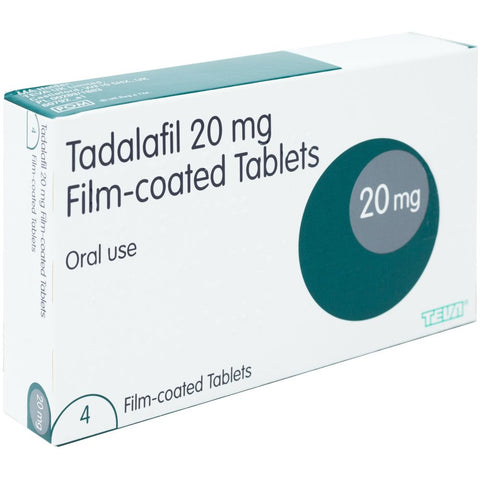
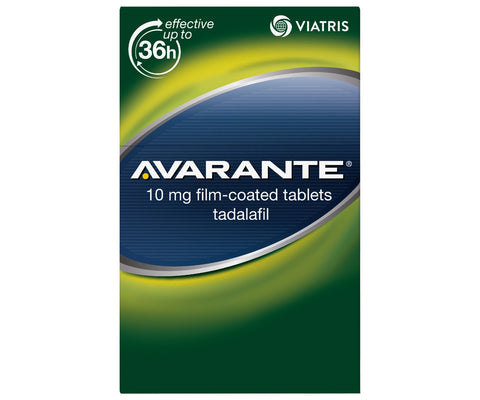
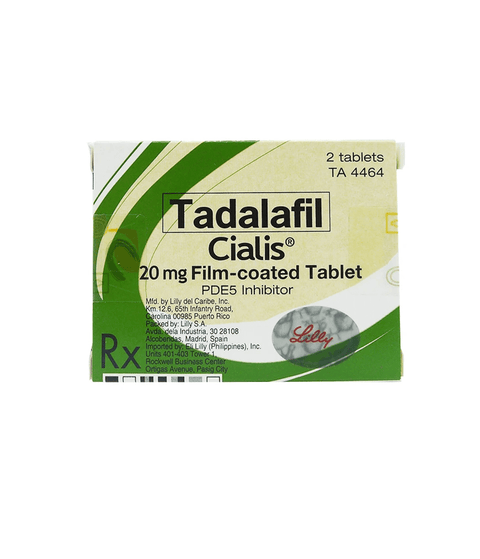
Tadalafil is a prescription medicine licensed to treat erectile dysfunction (ED) in men [4]. It belongs to a group of medicines called PDE5 inhibitors, which work by relaxing blood vessels in the penis, allowing increased blood flow when you are sexually aroused. Tadalafil is the active ingredient in Cialis and is available in on-demand doses (10 mg or 20 mg taken at least 30 minutes before sex, with effects lasting up to 36 hours) or as a daily low dose (2.5 mg or 5 mg) [4]. It does not cause an erection on its own—sexual stimulation is still needed.
Quetiapine is an antipsychotic medicine prescribed for conditions including schizophrenia, bipolar disorder, and sometimes as an add-on treatment for depression [12]. It works by affecting certain chemicals in the brain, particularly dopamine and serotonin. Quetiapine can cause side effects such as drowsiness, dizziness, and low blood pressure, especially when you first start taking it or when the dose is increased. Some antipsychotic medicines, including quetiapine, are also associated with sexual side effects, which may contribute to erectile difficulties in some men.
Both medicines are prescription-only in the UK and should only be used under the guidance of a healthcare professional. If you are taking quetiapine and experiencing erectile dysfunction, it is important to discuss this with your GP or psychiatrist, as ED can sometimes be a side effect of the medication itself or related to the underlying condition being treated [1].
How do tadalafil and quetiapine interact?
There is no major direct pharmacological interaction between tadalafil and quetiapine that would make them absolutely contraindicated (unsafe to use together). However, both medicines can lower blood pressure, which means taking them together may increase the risk of dizziness, light-headedness, or fainting, particularly when standing up quickly [3][4].
Tadalafil works by relaxing blood vessels, which can cause a modest drop in blood pressure as a normal effect of the medicine. Quetiapine can also cause low blood pressure (hypotension), especially at the start of treatment or after a dose increase. When two medicines that both lower blood pressure are used together, the combined effect on blood pressure can be more pronounced. This does not mean the combination is unsafe for everyone, but it does require careful assessment by a prescriber.
Additionally, quetiapine is metabolised (broken down) in the liver by an enzyme system called CYP3A4. Tadalafil is also processed by the same enzyme system, but tadalafil does not significantly affect how quetiapine is broken down, and quetiapine does not significantly alter tadalafil levels in the body. This means the interaction is primarily related to the additive blood-pressure-lowering effects rather than a change in how either medicine works [12].
Understanding the blood pressure effect
When your prescriber considers tadalafil for you, they will check your current blood pressure and review any symptoms of low blood pressure you may have experienced on quetiapine. If your blood pressure is well controlled and you are stable on your quetiapine dose, tadalafil can usually be prescribed safely, often starting with a lower dose to minimise the risk of dizziness. You should avoid sudden changes in posture (such as standing up quickly from sitting or lying down) and be aware of how you feel, especially when you first start tadalafil or if your quetiapine dose changes.
When to get urgent help
- Erection lasting more than 4 hours (priapism)—call 999 or go to A&E immediately
- Sudden loss of vision or hearing—seek urgent medical help
- Chest pain during or after sexual activity—stop and call 999
- Severe dizziness, fainting, or collapse—call 999 or go to A&E
- Allergic reaction (swelling of face, lips, tongue, or difficulty breathing)—call 999
Call 999 or go to A&E in an emergency, or contact NHS 111 for urgent advice.
What will my prescriber check before prescribing tadalafil and quetiapine together?
Before prescribing tadalafil to someone taking quetiapine, a UK prescriber will conduct a thorough assessment to ensure the combination is safe for you. This includes reviewing your full medical history, current medications, blood pressure, and any cardiovascular conditions. The prescriber will ask about your mental health treatment, how long you have been on quetiapine, whether your dose is stable, and whether you have experienced any side effects such as dizziness or fainting.
Your prescriber will also check for any absolute contraindications to tadalafil, such as the use of nitrate medicines (GTN spray, isosorbide mononitrate or dinitrate), nicorandil, riociguat, or recreational drugs known as 'poppers' (amyl or alkyl nitrites). These medicines must never be taken with tadalafil, as the combination can cause a dangerous drop in blood pressure [3][4]. If you are taking any of these, you will not be able to use tadalafil or any other PDE5 inhibitor.
The prescriber will also review any other blood-pressure-lowering medicines you may be taking, such as alpha-blockers (e.g. doxazosin, tamsulosin) or other antihypertensives, as these can add to the blood-pressure effect. If you are on multiple medicines that lower blood pressure, the prescriber may start you on the lowest dose of tadalafil (such as 10 mg on-demand or 2.5 mg daily) and monitor how you respond. You should always declare every medicine you take, including over-the-counter products and herbal supplements, during your consultation [2].
Practical advice for taking tadalafil and quetiapine safely
If your prescriber approves tadalafil while you are on quetiapine, there are several practical steps you can take to use both medicines safely. First, take tadalafil exactly as prescribed—do not take more than the recommended dose or use it more frequently than advised. On-demand tadalafil (10 mg or 20 mg) should be taken at least 30 minutes before sexual activity, and you should not take more than one dose in 24 hours [4].
Be mindful of your blood pressure, especially when you first start tadalafil or if your quetiapine dose changes. Avoid standing up quickly from sitting or lying down, as this can trigger dizziness or light-headedness. If you feel dizzy, sit or lie down until the feeling passes. Limit alcohol intake, as heavy drinking can worsen erectile dysfunction, lower blood pressure further, and reduce the effectiveness of tadalafil [1][3].
Do not stop or change your quetiapine dose without speaking to your psychiatrist or GP, even if you think it is contributing to erectile difficulties. Stopping quetiapine suddenly can cause withdrawal symptoms and may worsen your mental health condition. If you believe quetiapine is affecting your sexual function, discuss this openly with your doctor—there may be alternative treatments or adjustments that can help. Never take tadalafil with nitrates, nicorandil, riociguat, poppers, or another PDE5 inhibitor, as these combinations are dangerous [3][4].
When to seek medical advice
Contact your GP or prescriber if you experience persistent dizziness, fainting, or a significant drop in blood pressure after starting tadalafil. Seek urgent medical help (call 999 or go to A&E) if you develop an erection lasting more than four hours (priapism), sudden loss of vision or hearing, or chest pain during sexual activity. These are rare but serious side effects that require immediate attention [3][4]. If you have any concerns about taking tadalafil and quetiapine together, speak to your pharmacist or prescriber before your next dose.
At a glance
Can other ED treatments be used with quetiapine?
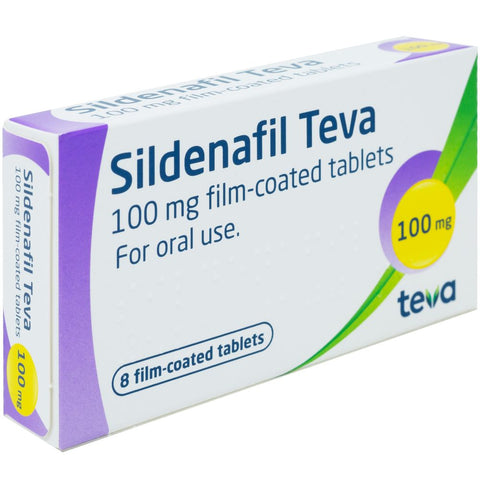
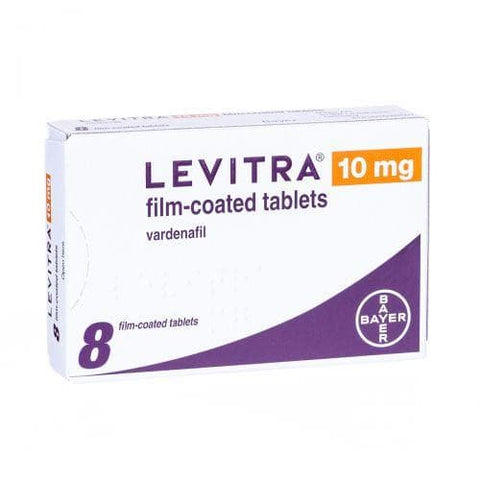
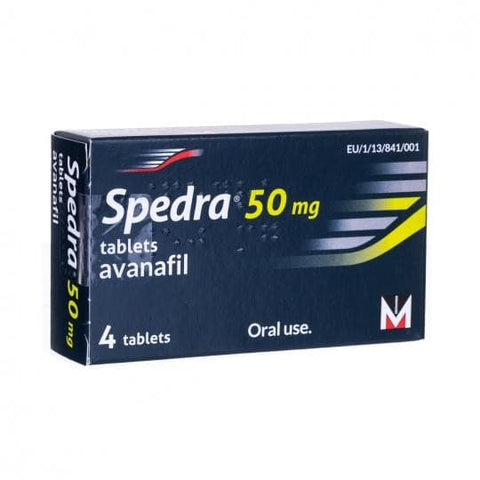
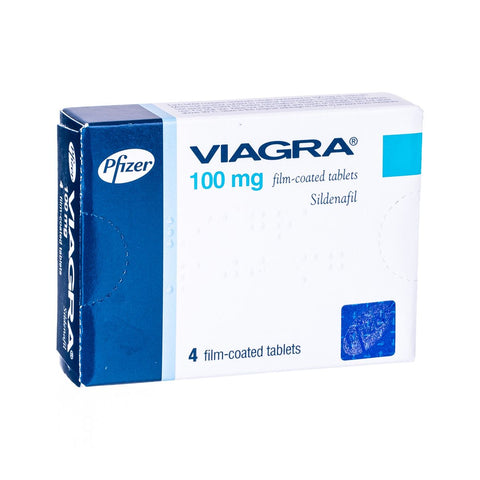
If tadalafil is not suitable for you, or if you would prefer to try a different erectile dysfunction treatment, there are several other licensed options available in the UK. All PDE5 inhibitors—sildenafil (Viagra), vardenafil (Levitra), and avanafil (Spedra)—work in a similar way to tadalafil and carry the same considerations regarding blood pressure and interactions with quetiapine [3][5][6].
Sildenafil is usually taken about one hour before sex, with effects lasting around four to six hours. Vardenafil is taken 25 to 60 minutes before sex, and avanafil works within 15 to 30 minutes, making it one of the fastest-acting options. All of these medicines require sexual stimulation to work and should not be taken with nitrates, nicorandil, riociguat, or poppers. Your prescriber will assess which PDE5 inhibitor is most suitable for you based on your medical history, other medications, and personal preferences [2].
For men who cannot use PDE5 inhibitors, alternative treatments include Vitaros (alprostadil cream applied to the tip of the penis) and Caverject (alprostadil injection into the penis), both of which are prescription-only [7]. Eroxon is a topical gel medical device available without prescription. Your GP or a specialist can discuss these options with you if oral treatments are not appropriate. At Cured Pharmacy, all prescription ED treatments are supplied only after an online consultation reviewed by a UK-registered prescriber.
Why does quetiapine sometimes cause erectile dysfunction?
Quetiapine and other antipsychotic medicines can contribute to erectile dysfunction through several mechanisms. Some antipsychotics increase levels of a hormone called prolactin, which can reduce testosterone and affect sexual desire and erectile function. Quetiapine tends to have a lower risk of raising prolactin compared to some other antipsychotics, but sexual side effects can still occur [12].
Quetiapine can also cause sedation, weight gain, and metabolic changes (such as increased blood sugar or cholesterol), all of which may indirectly affect sexual function and overall cardiovascular health. Low blood pressure and dizziness caused by quetiapine can make it harder to achieve or maintain an erection. Additionally, the mental health condition being treated—such as depression or anxiety—can itself contribute to erectile difficulties [1][10].
If you are experiencing erectile dysfunction while taking quetiapine, it is important to discuss this with your prescriber. Do not stop your medication without medical advice, as this can be harmful to your mental health. Your doctor may be able to adjust your dose, switch to a different antipsychotic with a lower risk of sexual side effects, or prescribe an ED treatment such as tadalafil to help manage the problem. Treating erectile dysfunction can improve quality of life and overall wellbeing, and it is a common and treatable condition [1][2].
Lifestyle factors and ED
Alongside medication, lifestyle changes can help improve erectile function. Regular physical activity, a healthy diet, maintaining a healthy weight, reducing alcohol intake, stopping smoking, and managing stress can all have a positive impact on erectile dysfunction [1]. If you have underlying conditions such as diabetes, high blood pressure, or high cholesterol, keeping these well controlled is also important. Your GP can provide support and refer you to specialist services if needed.
In summary
- Tadalafil and quetiapine can usually be taken together safely, as no major direct interaction is reported.
- Both medicines can lower blood pressure, so your prescriber will assess you carefully before prescribing tadalafil.
- Never take tadalafil with nitrates, nicorandil, riociguat, or poppers—this combination is dangerous.
- Quetiapine can contribute to erectile dysfunction; discuss any sexual side effects with your prescriber.
- All ED treatments at Cured Pharmacy require an online consultation reviewed by a UK prescriber.
Scientific References
- NHS. (n.d.). Erectile dysfunction (impotence). NHS website. https://www.nhs.uk/conditions/erection-problems-erectile-dysfunction/ [accessed 25 October 2026]
- National Institute for Health and Care Excellence. (n.d.). Erectile dysfunction. Clinical Knowledge Summaries. https://cks.nice.org.uk/topics/erectile-dysfunction/ [accessed 25 October 2026]
- Joint Formulary Committee. (n.d.). Sildenafil. British National Formulary. NICE. https://bnf.nice.org.uk/drugs/sildenafil/ [accessed 25 October 2026]
- Joint Formulary Committee. (n.d.). Tadalafil. British National Formulary. NICE. https://bnf.nice.org.uk/drugs/tadalafil/ [accessed 25 October 2026]
- Feldman, H. A., Goldstein, I., Hatzichristou, D. G., Krane, R. J., & McKinlay, J. B. (1994). Impotence and its medical and psychosocial correlates: Results of the Massachusetts Male Aging Study. Journal of Urology, 151(1), 54–61. https://pubmed.ncbi.nlm.nih.gov/8254833/ [accessed 25 October 2026]
- Electronic Medicines Compendium. (n.d.). Summaries of Product Characteristics and Patient Information Leaflets. https://www.medicines.org.uk/emc/ [accessed 25 October 2026]
Information on this page is for educational purposes only and is not medical advice. Prescription treatments require clinical assessment by a UK-registered prescriber. Always consult a qualified healthcare professional before starting or changing any medication.
Trusted by thousands
Real people, real results
“Fabulous service and quick delivery”
“Felt the effects of these after about 5 days. Erections are better and can get aroused and ready easier”
“Excellent value and brilliant customer service”
“I received excellent service and everything went well. The order arrived quickly and in perfect condition. It's working very well! Thank you to the whole team for the great work!”
“Delivery was good, the product lived up to expectations.”
Get Treatment in 3 Steps
Choose your treatment
Select from our recommended UK-licensed medications.
Answer quick questions
Select safe UK treatments. Quick answers.
Get it delivered fast
We will deliver direct to you as quickly as tomorrow.
Take the First Step Today
- Reviewed by UK-based prescribers
- Takes under 3 minutes
- Discreet Packaging
Common Questions

Medically reviewed by
Tarun Kumar, Superintendent Pharmacist (GPhC 2233073)