

Tadalafil and Paxlovid: Can You Take Them Together?
Learn how these medicines interact and what dose adjustments you need, with UK pharmacist-led support.
Takes less than 2 minutes to complete 100% online

Available Treatments
Pricing Disclaimer: Prices on some pages may not be up to date — the live pricing table below and pricing shown during consultation are official current prices and take precedence over any other figures on the site.

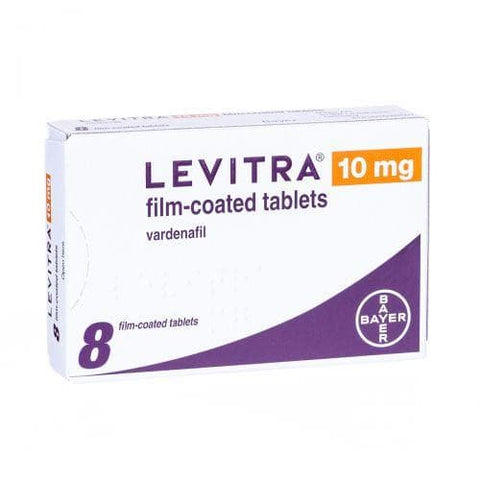

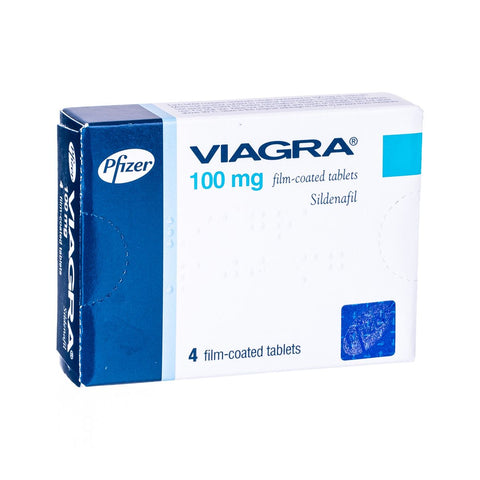
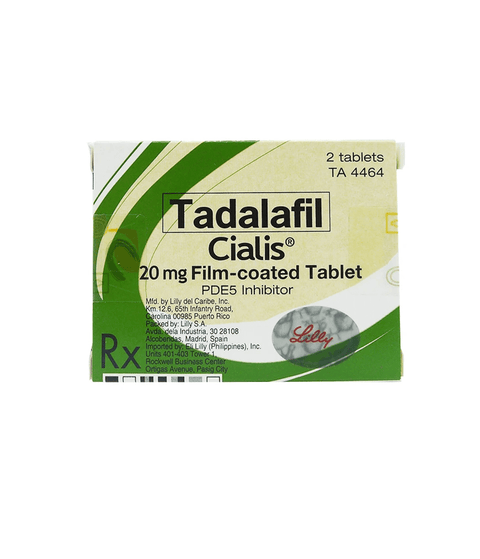
Trusted by thousands
Real people, real results
“Fabulous service and quick delivery”
“Felt the effects of these after about 5 days. Erections are better and can get aroused and ready easier”
“Excellent value and brilliant customer service”
“I received excellent service and everything went well. The order arrived quickly and in perfect condition. It's working very well! Thank you to the whole team for the great work!”
“Delivery was good, the product lived up to expectations.”
Get Treatment in 3 Steps
Choose your treatment
Select from our recommended UK-licensed medications.
Answer quick questions
Select safe UK treatments. Quick answers.
Get it delivered fast
We will deliver direct to you as quickly as tomorrow.
Tadalafil and Paxlovid: Understanding the Interaction and Staying Safe
Published: 24 October 2026
If you're prescribed Paxlovid for COVID-19 and you take tadalafil for erectile dysfunction, you may wonder whether tadalafil and Paxlovid can be taken together safely. The short answer is that they can interact because Paxlovid contains ritonavir, a potent enzyme inhibitor that raises tadalafil levels in your blood, but with careful dose adjustment and prescriber oversight, many men can continue treatment safely. This page explains how the interaction works, what your prescriber will check, and the practical steps you need to take.
Before starting Paxlovid
Tell your GP or pharmacist that you take tadalafil so they can advise on safe dosing during your COVID-19 treatment. Do not take your usual dose without checking first.
What is tadalafil and how does it work?
Tadalafil is a prescription medicine used to treat erectile dysfunction (ED) in men [3][4]. It belongs to a group of medicines called phosphodiesterase type 5 (PDE5) inhibitors, which work by relaxing blood vessels in the penis, allowing increased blood flow when you are sexually aroused. Tadalafil does not cause an erection on its own—sexual stimulation is still needed [1][4].
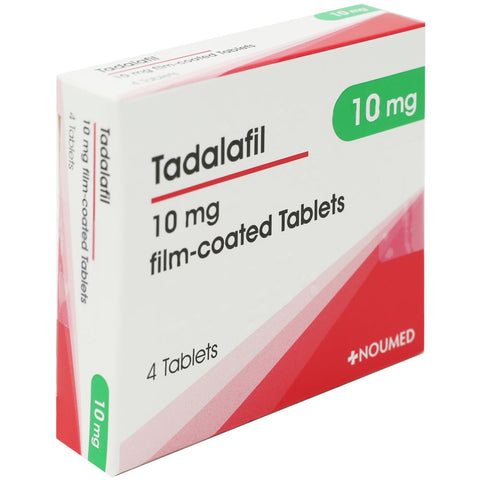
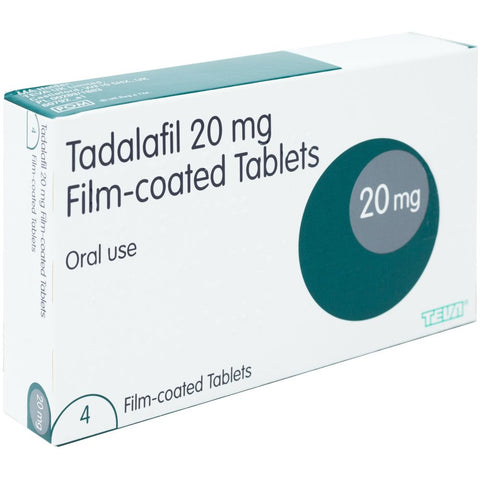
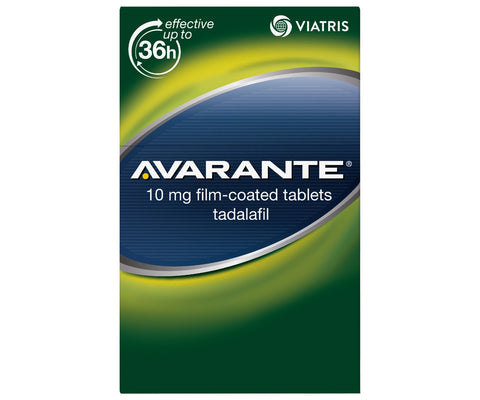
Tadalafil is available in two forms: on-demand tablets (usually 10 mg or 20 mg) taken at least 30 minutes before sexual activity, with effects lasting up to 36 hours, and daily low-dose tablets (2.5 mg or 5 mg) taken once a day to allow for spontaneity [4]. Common brand names include Cialis, and generic versions are widely available at lower cost. At Cured Pharmacy, tadalafil is dispensed after a clinical consultation with a UK-registered prescriber who reviews your medical history and current medicines.
Your body breaks down tadalafil using an enzyme called CYP3A4 in the liver [4]. This is important because certain medicines can block or speed up this enzyme, affecting how much tadalafil stays in your bloodstream and how long it works. Understanding this process is key to managing interactions safely.
What is Paxlovid and why does it interact with tadalafil?
Paxlovid is an antiviral medicine used to treat COVID-19 in adults who are at higher risk of severe illness [12]. It contains two active ingredients: nirmatrelvir (which stops the virus from multiplying) and ritonavir (which boosts nirmatrelvir levels by blocking the CYP3A4 enzyme). Ritonavir is a potent CYP3A4 inhibitor, meaning it slows down the breakdown of many other medicines in your liver [12].
Because tadalafil is broken down by the same CYP3A4 enzyme, taking it alongside Paxlovid means tadalafil will stay in your body longer and reach higher levels than usual [4]. This increases the risk of side effects such as headache, flushing, indigestion, back pain, muscle aches, and—more seriously—a significant drop in blood pressure, especially if you are also taking other blood-pressure-lowering medicines [4]. The interaction is predictable and well-documented, so prescribers can manage it by adjusting your tadalafil dose.
It is important to note that this interaction applies to all PDE5 inhibitors (sildenafil, vardenafil, and avanafil) when combined with potent CYP3A4 inhibitors, but the degree of interaction and the recommended dose adjustments differ for each medicine [3][5][6]. Your prescriber will review the specific product information to ensure safe use.
How ritonavir affects tadalafil levels
Ritonavir in Paxlovid can more than double the amount of tadalafil in your bloodstream [4][12]. This means that even a standard 10 mg dose of tadalafil could have the effect of a much higher dose, raising the likelihood of side effects. For this reason, the British National Formulary and product information recommend a reduced maximum dose of tadalafil when taken with potent CYP3A4 inhibitors such as ritonavir [4]. Your prescriber will calculate the appropriate dose based on your current tadalafil regimen, the duration of your Paxlovid course (typically five days), and your overall health.
When to get urgent help
- Erection lasting more than 4 hours (priapism)—go to A&E immediately
- Sudden loss of vision in one or both eyes—stop tadalafil and seek urgent medical help
- Sudden decrease or loss of hearing, possibly with ringing in the ears—stop and contact a doctor
- Chest pain during or after sexual activity—stop, rest, and call 999 if pain does not resolve quickly
- Severe dizziness, fainting, or signs of very low blood pressure—seek same-day medical advice
Call 999 or go to A&E in an emergency, or contact NHS 111 for urgent advice.
Can you take tadalafil and Paxlovid together?
Yes, tadalafil and Paxlovid can be taken together, but only with dose adjustment and prescriber approval [4][12]. You must not take your usual dose of tadalafil without first consulting your doctor or pharmacist. The general guidance is to reduce the tadalafil dose significantly during the Paxlovid course—for example, the maximum recommended dose of tadalafil for erectile dysfunction is typically 10 mg in any 72-hour period when combined with a potent CYP3A4 inhibitor [4].
If you are taking tadalafil daily (2.5 mg or 5 mg), your prescriber may advise you to stop it temporarily while you are on Paxlovid, or to reduce the dose and monitor closely for side effects [4]. If you use on-demand tadalafil, you may be advised to take a lower dose (for example, 10 mg instead of 20 mg) and to leave a longer gap between doses. The exact recommendation will depend on your individual circumstances, including other medicines you take and any underlying health conditions.
Never adjust your tadalafil dose yourself. Contact your GP, the prescriber who issued your tadalafil, or the pharmacist dispensing your Paxlovid as soon as you know you will be starting COVID-19 treatment. At Cured Pharmacy, our clinical team can review your medicines during your consultation and provide tailored advice, but if you are prescribed Paxlovid by your GP or hospital, inform them that you take tadalafil so they can advise on safe use.
What will your prescriber check before combining tadalafil and Paxlovid?
Your prescriber will review your full medication list to identify any other medicines that could interact with either tadalafil or Paxlovid [2][4][12]. They will pay particular attention to medicines that lower blood pressure (such as alpha-blockers like tamsulosin or doxazosin, or other antihypertensives), because combining these with tadalafil can increase the risk of dizziness or fainting [4]. If you take an alpha-blocker, you should already be stable on it before using a PDE5 inhibitor, and you may need to start on the lowest tadalafil dose.
Your prescriber will also check that you are not taking any medicines that are absolutely contraindicated with tadalafil. Do not take tadalafil if you use nitrates (such as GTN spray, isosorbide mononitrate, or isosorbide dinitrate), nicorandil, riociguat, or recreational drugs known as 'poppers' (amyl or alkyl nitrites) [4]. Combining tadalafil with any of these can cause a dangerous, life-threatening drop in blood pressure. If you are on any of these medicines, tadalafil is not safe for you, regardless of whether you are taking Paxlovid.
Your prescriber will assess your cardiovascular health, as tadalafil is not suitable if sexual activity itself is inadvisable—for example, if you have had a recent heart attack or stroke, unstable angina, or severe heart failure [2][4]. They will also ask about any history of sudden vision loss (a rare condition called non-arteritic anterior ischaemic optic neuropathy, or NAION) or inherited retinal disorders, as these are contraindications to PDE5 inhibitor use [4]. Finally, they will ensure that the benefits of continuing tadalafil during your short Paxlovid course outweigh any risks, and they may recommend pausing treatment if safer.
Monitoring for side effects
While taking tadalafil and Paxlovid together, be alert for signs of increased tadalafil effects: more intense headaches, flushing, nasal congestion, indigestion, or muscle aches [4]. More concerning are symptoms of low blood pressure, such as dizziness, light-headedness (especially when standing up), or fainting. If you experience chest pain during or after sexual activity, stop and seek urgent medical help, as this could indicate a heart problem [1][4]. If you develop sudden loss of vision in one or both eyes, or sudden decrease or loss of hearing (sometimes with ringing in the ears), stop taking tadalafil immediately and contact a doctor [4].
At a glance
Practical advice: managing tadalafil during a Paxlovid course
Paxlovid is typically prescribed for five days [12]. If you take on-demand tadalafil, the simplest approach may be to avoid taking it during those five days, especially if you are unwell with COVID-19 and sexual activity is not a priority. If you do wish to use tadalafil, take the lowest effective dose (usually 10 mg) and do not take another dose within 72 hours [4]. Remember that tadalafil's effects can last up to 36 hours, so even a single dose will cover more than one day.
If you are on daily tadalafil (2.5 mg or 5 mg), discuss with your prescriber whether to pause it for the duration of Paxlovid treatment or to continue at a reduced dose [4]. Because daily tadalafil is designed to maintain steady levels in your body, stopping for five days is unlikely to cause withdrawal or immediate loss of benefit, and you can restart your usual dose once the Paxlovid course is finished. Always follow your prescriber's specific instructions.
Avoid drinking grapefruit juice while taking tadalafil and Paxlovid, as grapefruit also inhibits CYP3A4 and can further raise tadalafil levels [4]. Limit alcohol intake, as heavy drinking can worsen erectile dysfunction and add to the blood-pressure-lowering effect of tadalafil [1][4]. If you feel unwell, feverish, or fatigued due to COVID-19, it is sensible to postpone sexual activity until you have recovered. Do not take any other erectile dysfunction medicine (sildenafil, vardenafil, avanafil) during the same period, as combining PDE5 inhibitors is dangerous and can cause severe low blood pressure [3][4][5][6].
Other medicines that interact with tadalafil in a similar way
Paxlovid is not the only medicine that inhibits CYP3A4 and raises tadalafil levels. Other potent CYP3A4 inhibitors include certain antifungal medicines (ketoconazole, itraconazole), some antibiotics (clarithromycin, erythromycin), and HIV medicines containing ritonavir or cobicistat [4][12]. If you take any of these long-term, your prescriber will have already adjusted your tadalafil dose or chosen an alternative ED treatment. The same precautions apply: lower maximum doses, longer intervals between doses, and close monitoring for side effects.
Conversely, some medicines speed up the CYP3A4 enzyme and can make tadalafil less effective. These CYP3A4 inducers include rifampicin (an antibiotic used for tuberculosis), carbamazepine and phenytoin (anti-seizure medicines), and the herbal remedy St John's wort [4]. If you start or stop any of these, your tadalafil dose may need adjusting. Always tell your prescriber and pharmacist about all medicines you take, including over-the-counter products, vitamins, and herbal supplements.
At Cured Pharmacy, every online consultation includes a comprehensive medication review. Our UK-registered prescribers check for interactions before approving any erectile dysfunction treatment, and you can contact our clinical team if your medicines change. If you are prescribed a new medicine by your GP or hospital, inform them that you take tadalafil so they can check for interactions and advise you accordingly.
When to seek further advice
If you are unsure whether a medicine you have been prescribed interacts with tadalafil, do not guess or search unreliable sources online. Contact the prescriber who issued the new medicine, your GP, or a pharmacist for professional advice [2]. If you experience unexpected side effects, worsening erectile dysfunction, or any symptoms that concern you, seek medical help promptly. Erectile dysfunction can be an early warning sign of cardiovascular disease or diabetes, so if ED is new or worsening, see your GP for a full health check [1][2].
In summary
- Tadalafil and Paxlovid can interact because ritonavir raises tadalafil levels in your blood.
- You must reduce your tadalafil dose or pause it during the five-day Paxlovid course.
- Never adjust your dose yourself—always consult your prescriber or pharmacist first.
- All PDE5 inhibitors interact with potent CYP3A4 inhibitors like ritonavir.
- Declare all medicines during your consultation so interactions can be checked safely.
Scientific References
- NHS. (n.d.). Erectile dysfunction (impotence). NHS website. https://www.nhs.uk/conditions/erection-problems-erectile-dysfunction/ [accessed 24 October 2026]
- National Institute for Health and Care Excellence. (n.d.). Erectile dysfunction. Clinical Knowledge Summaries. https://cks.nice.org.uk/topics/erectile-dysfunction/ [accessed 24 October 2026]
- Joint Formulary Committee. (n.d.). Sildenafil. British National Formulary. NICE. https://bnf.nice.org.uk/drugs/sildenafil/ [accessed 24 October 2026]
- Joint Formulary Committee. (n.d.). Tadalafil. British National Formulary. NICE. https://bnf.nice.org.uk/drugs/tadalafil/ [accessed 24 October 2026]
- Electronic Medicines Compendium. (n.d.). Summaries of Product Characteristics and Patient Information Leaflets. https://www.medicines.org.uk/emc/ [accessed 24 October 2026]
Information on this page is for educational purposes only and is not medical advice. Prescription treatments require clinical assessment by a UK-registered prescriber. Always consult a qualified healthcare professional before starting or changing any medication.
Common Questions
Take the First Step Today
Reviewed by UK-based prescribers · Takes under 3 minutes · Discreet Packaging

Medically reviewed by
Tarun Kumar, Superintendent Pharmacist (GPhC 2233073)