


Tadalafil and Colchicine: Can They Be Taken Together?
Learn how these medicines interact and what your prescriber checks during your UK consultation.
Takes less than 2 minutes to complete 100% online
Available Treatments
Pricing Disclaimer: Prices on some pages may not be up to date — the live pricing table below and pricing shown during consultation are official current prices and take precedence over any other figures on the site.
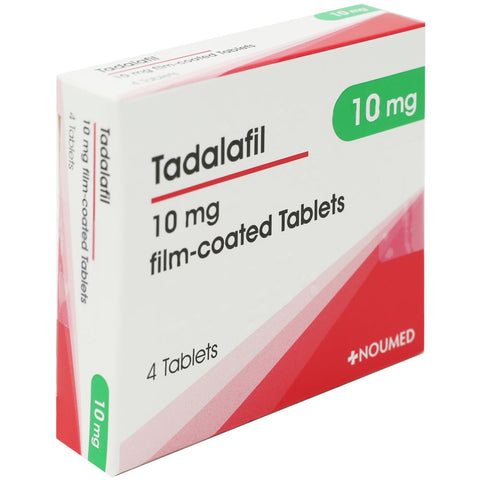
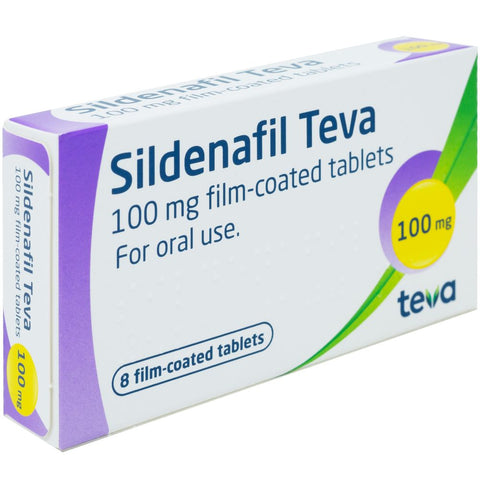
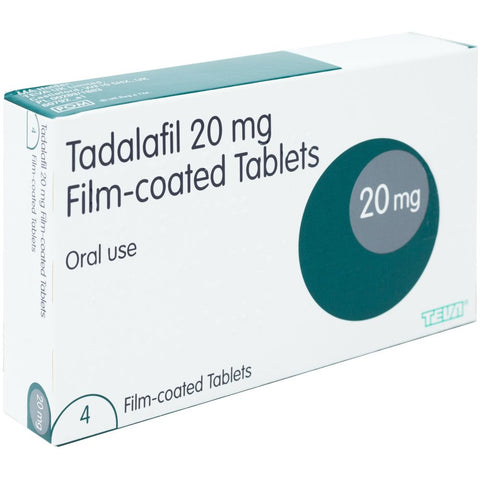
Not sure which one? Start a free consultation →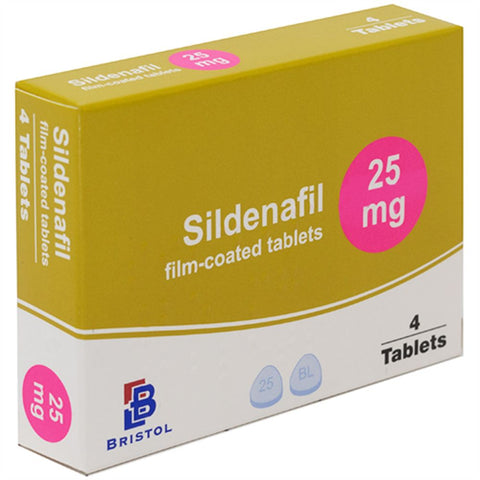
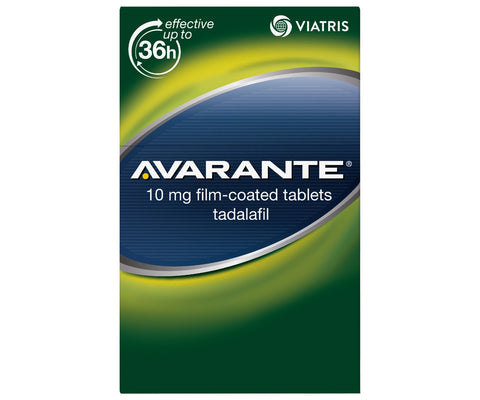
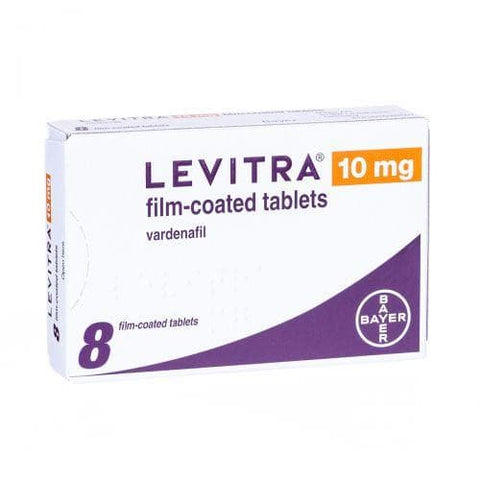
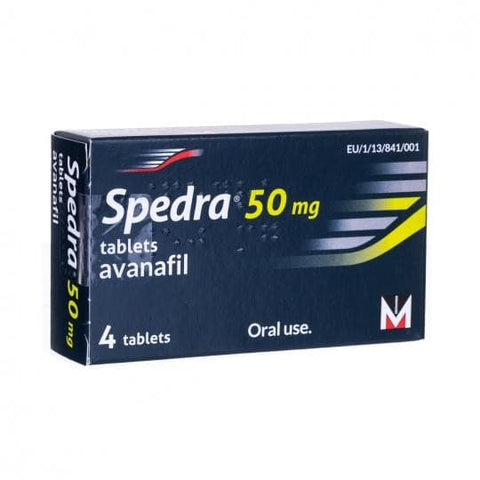
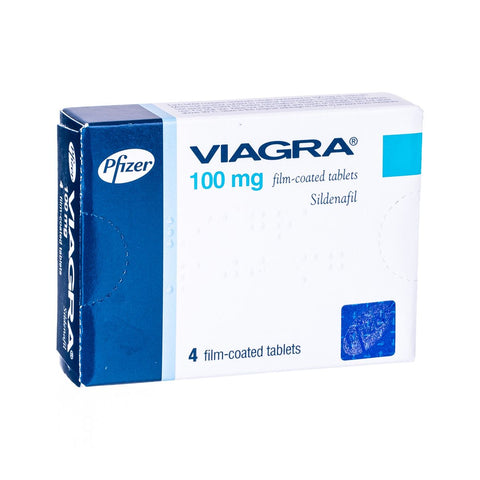
Trusted by thousands
Real people, real results
“Fabulous service and quick delivery”
“Felt the effects of these after about 5 days. Erections are better and can get aroused and ready easier”
“Excellent value and brilliant customer service”
“I received excellent service and everything went well. The order arrived quickly and in perfect condition. It's working very well! Thank you to the whole team for the great work!”
“Delivery was good, the product lived up to expectations.”
Get Treatment in 3 Steps


Tadalafil and Colchicine: Understanding the Interaction
Published: 19 October 2026
Many men taking colchicine for gout or familial Mediterranean fever wonder whether tadalafil and colchicine can be used together safely. The good news is that no major direct interaction between these two medicines is commonly reported in clinical practice. However, both medicines are processed by the same liver enzyme system, and your prescriber will carefully review your full medical history and current medications during your consultation to ensure the combination is appropriate for you.
Key takeaways
- No major direct interaction between tadalafil and colchicine is commonly reported in clinical practice.
- Both medicines are processed by the same liver enzyme system; prescriber reviews your full medication list.
- Declare all current medicines during your consultation to ensure tadalafil is safe for you.
- Watch for warning signs: erection over 4 hours, sudden vision or hearing loss, or severe side effects.
- Never take tadalafil with nitrates, nicorandil, riociguat, or poppers—this combination is dangerous.
What is tadalafil and how does it work?
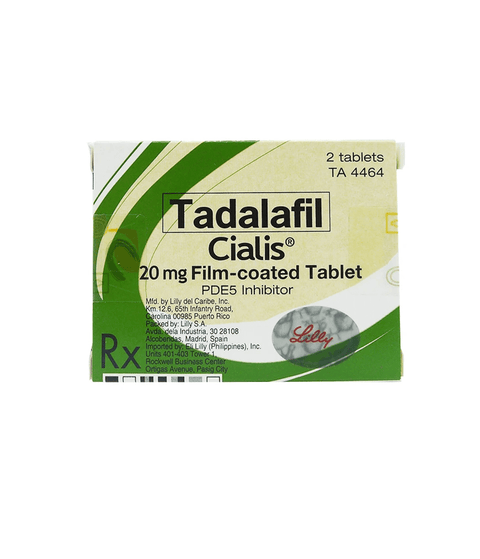
Tadalafil is a prescription medicine used to treat erectile dysfunction (ED) in men. It belongs to a group of medicines called PDE5 inhibitors, which work by relaxing blood vessels in the penis, allowing increased blood flow when you are sexually stimulated [4]. Tadalafil is the active ingredient in branded Cialis and is also available as a generic medicine at lower cost.
Tadalafil is available in two forms: on-demand tablets (10mg or 20mg) taken at least 30 minutes before sexual activity, with effects lasting up to 36 hours, and daily tablets (2.5mg or 5mg) taken once a day at the same time [4]. Unlike some other ED treatments, tadalafil's long duration of action means you don't need to time sex as precisely, which many men find more spontaneous and less stressful.
It's important to remember that tadalafil only works when you are sexually aroused—it does not cause an automatic erection. Sexual stimulation is still needed for the medicine to be effective [4]. All PDE5 inhibitors, including tadalafil, require a prescription in the UK and are only supplied after a consultation with a qualified healthcare professional.
What is colchicine and why is it prescribed?
Colchicine is a prescription medicine primarily used to treat and prevent gout attacks, a painful form of arthritis caused by uric acid crystals building up in the joints. It is also prescribed for familial Mediterranean fever, a rare inherited condition that causes recurring episodes of fever and inflammation. Colchicine works by reducing inflammation and preventing white blood cells from responding to uric acid crystals.
Gout is more common in men, particularly those over 40, and shares some risk factors with erectile dysfunction, including obesity, high blood pressure, and diabetes [1]. This means it's not unusual for men to need treatment for both conditions at the same time. Colchicine is usually taken as a low daily dose to prevent gout attacks, or as a higher dose at the first sign of an attack.
Because colchicine can interact with several other medicines and has a narrow therapeutic window (meaning the difference between an effective dose and a toxic dose is small), it's essential that your prescriber knows about all your current medications, including any ED treatments. Colchicine is broken down in the liver by an enzyme system called CYP3A4, the same system that processes tadalafil and many other medicines.
Common side effects of colchicine
The most common side effects of colchicine are gastrointestinal: diarrhoea, nausea, vomiting, and abdominal pain. These are usually dose-related and may improve if the dose is reduced. Less commonly, colchicine can affect blood cell production, causing low white blood cell or platelet counts, particularly at higher doses or in people with kidney or liver problems. If you develop unusual bruising, bleeding, sore throat, or signs of infection while taking colchicine, contact your GP promptly.
At a glance
Can you take tadalafil and colchicine together?
There is no absolute contraindication to using tadalafil and colchicine together, and no major direct interaction between these two medicines is commonly reported in standard drug interaction databases. Many men successfully use both medicines at the same time without problems. However, because both are metabolised by the CYP3A4 enzyme system in the liver, there is a theoretical possibility that taking them together could slightly increase the levels of one or both medicines in your bloodstream.
In practice, this interaction is not usually clinically significant at normal prescribed doses, but your prescriber will take it into account when deciding whether tadalafil is suitable for you and which dose to start with. If you are taking colchicine regularly, particularly at higher doses, or if you have kidney or liver problems that affect how your body processes medicines, your prescriber may recommend starting with a lower dose of tadalafil and monitoring how you respond.
It's important to declare all your current medicines, including colchicine, during your online consultation at Cured Pharmacy. Our UK-registered prescribers review every medication you list to check for interactions and ensure that tadalafil is safe and appropriate for you. Never stop taking colchicine or change your dose without speaking to the doctor who prescribed it, as stopping suddenly can trigger a gout attack.
What your prescriber checks before approving tadalafil and colchicine
During your consultation, the prescriber will ask about your full medical history, including any heart, liver, or kidney conditions, as these can affect how both tadalafil and colchicine are processed by your body. They will review all your current medicines to check for interactions, not just with colchicine but with any other drugs you take. For example, if you are also taking medicines that strongly inhibit CYP3A4 (such as certain antibiotics or antifungals), the combination could raise tadalafil levels more significantly [4].
The prescriber will also check that you are not taking any medicines that are absolutely contraindicated with tadalafil, such as nitrates (GTN spray, isosorbide mononitrate), nicorandil, riociguat, or recreational drugs called 'poppers' (amyl or alkyl nitrites). Combining tadalafil with any of these can cause a dangerous drop in blood pressure [4]. If you take alpha-blockers for prostate symptoms or blood pressure (such as tamsulosin or doxazosin), the prescriber will ensure you are stable on that treatment and may start you on a lower dose of tadalafil.
Your kidney and liver function are particularly important when considering tadalafil and colchicine together. Colchicine can build up to toxic levels in people with reduced kidney function, and tadalafil dosing may also need adjustment if your kidneys or liver are not working normally [4]. Always answer the consultation questions honestly and completely—this information is confidential and essential for your safety.
When tadalafil should not be used
Tadalafil is not suitable for everyone. Do not take tadalafil if you use nitrates for chest pain, nicorandil, riociguat for pulmonary hypertension, or recreational 'poppers', as the combination can cause a life-threatening drop in blood pressure [4]. Tadalafil is also not recommended if you have had a heart attack or stroke in the last six months, have unstable angina, severe heart failure, very low blood pressure, or a history of sudden vision loss (non-arteritic anterior ischaemic optic neuropathy, or NAION). Your prescriber will assess your suitability during the consultation.
Always declare colchicine
Tell your prescriber about colchicine and all other medicines during your consultation. This ensures the safest dose and checks for any other interactions with your current treatments.
Practical advice for taking tadalafil and colchicine safely
If your prescriber approves tadalafil while you are taking colchicine, follow the dosing instructions for both medicines carefully. Take colchicine exactly as prescribed by your GP or specialist—do not increase the dose without medical advice, as higher doses increase the risk of side effects and interactions. For tadalafil, start with the dose recommended by your prescriber, which may be lower than the standard starting dose if you have other risk factors.
Be alert to side effects from either medicine. Common side effects of tadalafil include headache, indigestion, back pain, muscle aches, flushing, and a blocked or runny nose [4]. These are usually mild and short-lived. If you experience severe diarrhoea, nausea, or abdominal pain (which could be from colchicine), or dizziness and light-headedness (which could indicate low blood pressure from tadalafil), contact your GP or pharmacist for advice.
Avoid drinking large amounts of alcohol when taking tadalafil, as alcohol can worsen erectile dysfunction and add to the blood-pressure-lowering effect, increasing the risk of dizziness [4]. Grapefruit juice can increase tadalafil levels in your blood, so it's best to avoid it or limit your intake. If you need to take a new medicine while using both tadalafil and colchicine, always check with your GP or pharmacist first, as some medicines (particularly certain antibiotics and antifungals) can interact with both drugs.
When to seek medical help and warning signs with tadalafil and colchicine
Most men tolerate tadalafil and colchicine together without serious problems, but you should know the warning signs that require urgent medical attention. If you develop an erection that lasts longer than four hours (priapism), go to A&E immediately or call 999, as this is a medical emergency that can cause permanent damage if not treated promptly [4]. Priapism is rare but requires urgent treatment.
Seek urgent help if you experience sudden loss of vision in one or both eyes, or sudden decrease or loss of hearing, which may be accompanied by ringing in the ears or dizziness. These are rare but serious side effects of PDE5 inhibitors [4]. If you develop chest pain during or after sexual activity, stop and seek medical help—do not take nitrate medicines (GTN spray) if you have used tadalafil in the last 48 hours, as this combination is dangerous.
With colchicine, seek medical advice promptly if you develop severe or persistent diarrhoea, vomiting, abdominal pain, unusual bruising or bleeding, signs of infection (sore throat, fever), or muscle weakness or pain. These could indicate colchicine toxicity, particularly if you have kidney problems or are taking other interacting medicines. If you have any concerns about either medicine, contact your GP, pharmacist, or NHS 111 for advice.
Getting help from Cured Pharmacy
At Cured Pharmacy, our team of UK-registered pharmacists and prescribers is here to support you. If you have questions about tadalafil and colchicine or any other aspect of your treatment, you can contact us through your online account or by phone. We review every consultation individually and take into account your complete medical history and current medications. All ED treatments at Cured Pharmacy are supplied only after a clinical assessment by a UK prescriber, ensuring your safety and suitability for treatment.
When to get urgent help
- Erection lasting longer than 4 hours (priapism)—go to A&E or call 999 immediately
- Sudden loss of vision in one or both eyes, or sudden hearing loss or ringing in the ears
- Chest pain during or after sexual activity—do not take GTN if you have used tadalafil in the last 48 hours
- Severe or persistent diarrhoea, vomiting, or abdominal pain (possible colchicine toxicity)
- Unusual bruising, bleeding, sore throat, fever, or muscle weakness while taking colchicine
Call 999 or go to A&E in an emergency, or contact NHS 111 for urgent advice.
Scientific References
- NHS. (n.d.). Erectile dysfunction (impotence). NHS website. https://www.nhs.uk/conditions/erection-problems-erectile-dysfunction/ [accessed 19 October 2026]
- National Institute for Health and Care Excellence. (n.d.). Erectile dysfunction. Clinical Knowledge Summaries. https://cks.nice.org.uk/topics/erectile-dysfunction/ [accessed 19 October 2026]
- Joint Formulary Committee. (n.d.). Tadalafil. British National Formulary. NICE. https://bnf.nice.org.uk/drugs/tadalafil/ [accessed 19 October 2026]
- Electronic Medicines Compendium. (n.d.). Summaries of Product Characteristics and Patient Information Leaflets. https://www.medicines.org.uk/emc/ [accessed 19 October 2026]
Information on this page is for educational purposes only and is not medical advice. Prescription treatments require clinical assessment by a UK-registered prescriber. Always consult a qualified healthcare professional before starting or changing any medication.
Common Questions
Can't find your answer? Our UK pharmacists review every consultation and can help.
Is it safe to take tadalafil if I'm on colchicine for gout?
No major direct interaction between tadalafil and colchicine is commonly reported, and many men use both medicines together safely. Your prescriber will review your full medical history and all current medications during your consultation to ensure the combination is appropriate for you.
Will colchicine make tadalafil less effective?
There is no evidence that colchicine reduces the effectiveness of tadalafil. Both medicines are processed by the same liver enzyme system, but this does not usually affect how well tadalafil works at normal prescribed doses.
Can I take tadalafil during a gout attack?
Tadalafil can usually be taken during a gout attack if it has been prescribed for you, but the pain and discomfort of a gout flare may affect your interest in sexual activity. If you are taking a higher dose of colchicine to treat an acute attack, mention this to your prescriber or pharmacist.
Do I need to avoid any foods when taking tadalafil and colchicine?
Avoid grapefruit juice, as it can increase tadalafil levels in your blood. Limit alcohol, as it can worsen erectile dysfunction and add to the blood-pressure-lowering effect of tadalafil. Follow any dietary advice your doctor has given you for managing gout.
What should I do if I get side effects from tadalafil while taking colchicine?
Common tadalafil side effects include headache, indigestion, and flushing, which are usually mild. If you experience severe dizziness, prolonged erection (over 4 hours), sudden vision or hearing loss, or severe gastrointestinal symptoms, seek medical help promptly.
Can I take other ED medicines if I'm on colchicine?
Other PDE5 inhibitors (sildenafil, vardenafil, avanafil) have similar considerations to tadalafil when used with colchicine—no major direct interaction is commonly reported. Your prescriber will help you choose the most suitable ED treatment based on your individual circumstances and preferences.
Will my kidney function affect whether I can take tadalafil and colchicine together?
Yes, kidney function is important for both medicines. Colchicine can build up to toxic levels in people with reduced kidney function, and tadalafil dosing may need adjustment. Your prescriber will review your kidney function during the consultation.
How long after starting colchicine can I take tadalafil?
There is no specific waiting period required between starting colchicine and taking tadalafil. If you have been prescribed colchicine, you can apply for an ED treatment consultation at any time, and the prescriber will assess your suitability based on your current health and medications.
Take the First Step Today
- Reviewed by UK-based prescribers
- Takes under 3 minutes
- Discreet Packaging

Medically reviewed by
Tarun Kumar, Superintendent Pharmacist (GPhC 2233073)