


Tadalafil and Alfuzosin: Can They Be Taken Together?
Learn how these medicines interact and what precautions are needed, with UK pharmacist-led consultations available.
Takes less than 2 minutes to complete 100% online
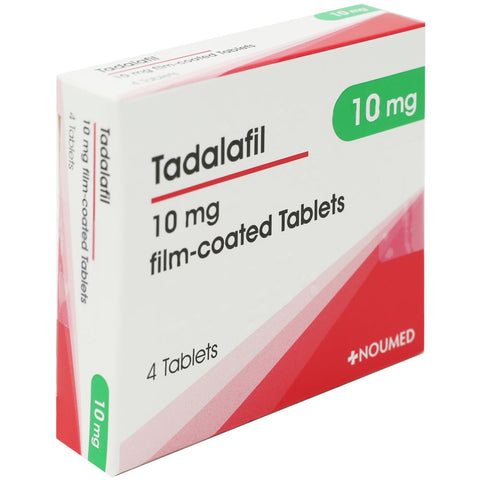
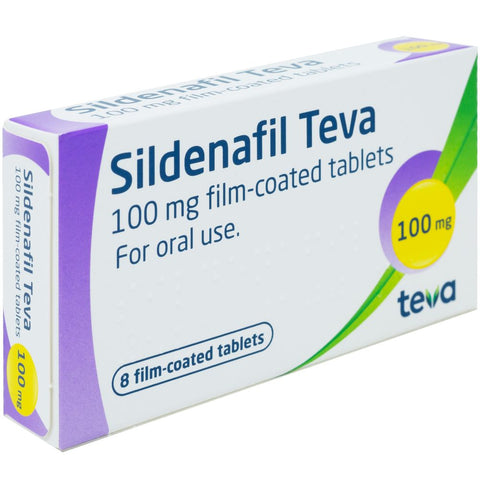
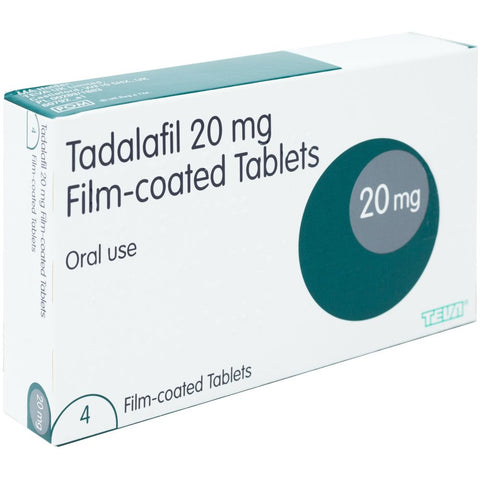
ED Treatments We Offer
Pricing Disclaimer: Prices on some pages may not be up to date — the live pricing table below and pricing shown during consultation are official current prices and take precedence over any other figures on the site.
Not sure which one? Start a free consultation →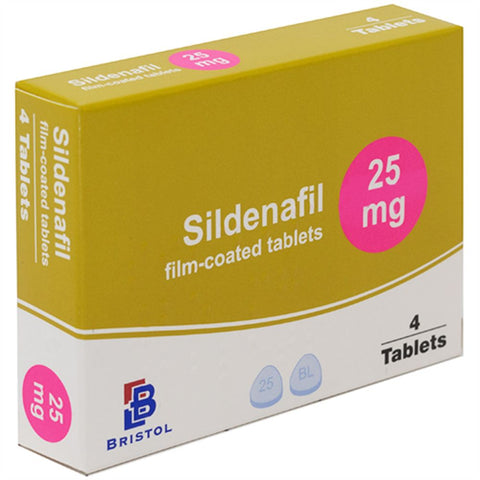
Trusted by thousands
Real people, real results
“Fabulous service and quick delivery”
“Felt the effects of these after about 5 days. Erections are better and can get aroused and ready easier”
“Excellent value and brilliant customer service”
“I received excellent service and everything went well. The order arrived quickly and in perfect condition. It's working very well! Thank you to the whole team for the great work!”
“Delivery was good, the product lived up to expectations.”
How Our Online Service Works
Choose your treatment
Select from our recommended UK-licensed medications.
Answer quick questions
Select safe UK treatments. Quick answers.
Get it delivered fast
We will deliver direct to you as quickly as tomorrow.
Tadalafil and Alfuzosin: Understanding the Interaction
Published: 18 October 2026
Tadalafil and alfuzosin can be taken together, but only under careful medical supervision because both medicines lower blood pressure and the combination increases the risk of dizziness, light-headedness, or fainting. Tadalafil is a PDE5 inhibitor used to treat erectile dysfunction (ED), while alfuzosin is an alpha-blocker prescribed for benign prostatic hyperplasia (BPH, or enlarged prostate). Because many men experience both conditions, understanding how these medicines interact is essential for safe and effective treatment.
At a glance
What Is Tadalafil and How Does It Work?
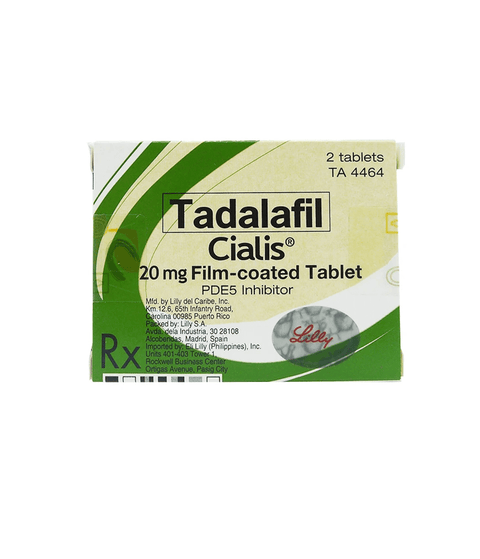
Tadalafil is a phosphodiesterase type 5 (PDE5) inhibitor licensed in the UK to treat erectile dysfunction [3][4]. It works by relaxing the smooth muscle in the blood vessels of the penis, allowing increased blood flow when you are sexually aroused. This helps you achieve and maintain an erection suitable for sexual activity. Tadalafil does not cause an erection on its own—sexual stimulation is still needed.
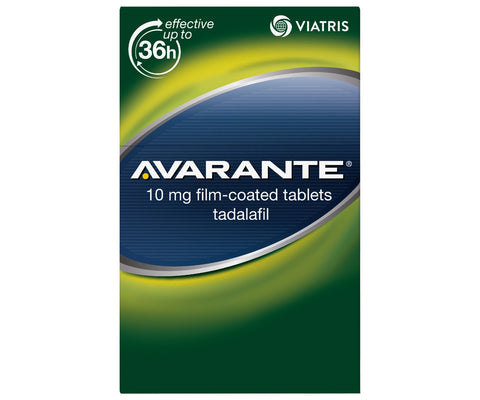
Tadalafil is available in two forms: on-demand tablets (usually 10mg or 20mg, taken at least 30 minutes before sex, with effects lasting up to 36 hours) and daily low-dose tablets (2.5mg or 5mg) for continuous treatment [4]. The long duration of action is why tadalafil is sometimes called the 'weekend pill'. Common brand names include Cialis, and generic versions are widely available at lower cost.
Because tadalafil also relaxes blood vessels elsewhere in the body, it can cause a modest drop in blood pressure. This effect is usually mild and well-tolerated, but it becomes more significant when tadalafil is combined with other blood-pressure-lowering medicines, including alpha-blockers like alfuzosin [4].
What Is Alfuzosin and Why Is It Prescribed?
Alfuzosin is an alpha-blocker (specifically an alpha-1 adrenoceptor antagonist) used to treat the symptoms of benign prostatic hyperplasia (BPH), a non-cancerous enlargement of the prostate gland that is common in men over 50. BPH can cause urinary symptoms such as difficulty starting urination, a weak stream, frequent need to urinate (especially at night), and a feeling of incomplete bladder emptying.
Alfuzosin works by relaxing the smooth muscle in the prostate and the neck of the bladder, making it easier to pass urine. It is usually taken once daily as a prolonged-release tablet (10mg). Like other alpha-blockers, alfuzosin can lower blood pressure, and dizziness or light-headedness—especially when standing up quickly—are recognised side effects, particularly when treatment is first started or the dose is increased.
Many men with BPH also experience erectile dysfunction, so it is not uncommon for a prescriber to consider both alfuzosin (for urinary symptoms) and tadalafil (for ED) in the same patient. However, because both medicines can lower blood pressure, the combination requires careful assessment and monitoring.
How Do Tadalafil and Alfuzosin Interact?
The interaction between tadalafil and alfuzosin is pharmacodynamic, meaning both medicines have similar effects on the body—specifically, they both relax smooth muscle and lower blood pressure [4]. When taken together, these effects can add up, increasing the risk of symptomatic hypotension (low blood pressure). Symptoms may include dizziness, light-headedness, fainting, blurred vision, or feeling unsteady, especially when standing up from sitting or lying down.
This interaction is well-recognised in clinical practice, and the British National Formulary advises caution when PDE5 inhibitors such as tadalafil are used alongside alpha-blockers [4]. The risk is highest when starting either medicine, increasing the dose, or if you are already prone to low blood pressure. However, the combination is not absolutely contraindicated—unlike nitrates or riociguat, which must never be taken with tadalafil—and many men use both medicines safely with appropriate precautions.
The key to safe use is ensuring you are stable on alfuzosin before starting tadalafil, beginning with the lowest effective dose of tadalafil, and being aware of warning signs. Your prescriber will assess your blood pressure, current medicines, and overall cardiovascular health before approving the combination. If you experience significant dizziness, fainting, or feel unwell after taking both medicines, seek medical advice promptly.
Why the Combination Is Not Absolutely Contraindicated
Unlike nitrates, nicorandil, riociguat, or 'poppers' (amyl/alkyl nitrites)—which must never be taken with any PDE5 inhibitor because of the risk of a dangerous, potentially life-threatening drop in blood pressure—the combination of tadalafil and alfuzosin is manageable with medical supervision [3][4]. Clinical guidelines and the Summary of Product Characteristics for tadalafil state that caution is required, not an outright ban, provided the patient is stable on the alpha-blocker and the lowest dose of tadalafil is used initially [12]. Your prescriber will review your full medical history and current medicines to decide whether the combination is appropriate for you.
What you need to know
- Tadalafil and alfuzosin can be used together with medical supervision, but both lower blood pressure.
- You must be stable on alfuzosin before starting tadalafil, and begin with the lowest dose.
- Watch for dizziness, light-headedness, or fainting, especially when standing up.
- Never take tadalafil with nitrates, nicorandil, riociguat, or 'poppers'—this is dangerous.
- All tadalafil prescriptions require a clinical consultation with a UK-registered prescriber.
What Your Prescriber Will Check Before Approving Tadalafil and Alfuzosin Together
Before prescribing tadalafil to someone already taking alfuzosin, a UK prescriber will carry out a thorough clinical assessment. This includes checking your blood pressure (both sitting and standing, if possible), reviewing your cardiovascular health, and asking about any history of dizziness, fainting, or postural hypotension (a drop in blood pressure when you stand up). They will also confirm that you have been stable on alfuzosin for a reasonable period—usually at least a few weeks—so that your body has adjusted to its blood-pressure-lowering effects.
The prescriber will review all your current medicines to identify any other drugs that might lower blood pressure or interact with tadalafil, such as other antihypertensives, potent CYP3A4 inhibitors (which can raise tadalafil levels), or CYP3A4 inducers (which can reduce its effectiveness). They will also check that you are not taking any medicine that is absolutely contraindicated with tadalafil, such as nitrates for angina [3][4].
If the combination is deemed safe, the prescriber will usually recommend starting with the lowest dose of tadalafil—typically 5mg or 10mg on-demand, rather than 20mg—and advise you to monitor for symptoms of low blood pressure. They may also suggest taking tadalafil at a different time of day from alfuzosin, or avoiding alcohol and heavy meals, which can add to the blood-pressure-lowering effect. Follow-up is important, and you should report any new or worsening symptoms.
Online Consultations and Safety Checks
At Cured Pharmacy, all prescription medicines, including tadalafil, are supplied only after an online consultation reviewed by a UK-registered prescriber. During the consultation, you will be asked detailed questions about your current medicines (including alfuzosin), your blood pressure, cardiovascular health, and any symptoms you have experienced. The prescriber will use this information to decide whether tadalafil is safe and appropriate for you, and which dose to recommend. This process ensures the same level of clinical oversight as a face-to-face consultation, with the convenience of accessing treatment from home.
Practical Advice for Taking Tadalafil and Alfuzosin Safely
If your prescriber approves the combination of tadalafil and alfuzosin, there are several practical steps you can take to minimise the risk of side effects. First, always start with the lowest recommended dose of tadalafil and do not increase it without medical advice. Take tadalafil as directed—on-demand tablets should be taken at least 30 minutes before sexual activity, and daily tablets at the same time each day [4].
Be cautious when standing up, especially from lying down or sitting, as this is when postural hypotension (a sudden drop in blood pressure) is most likely to occur. If you feel dizzy or light-headed, sit or lie down until the feeling passes, and avoid driving or operating machinery. Limit alcohol intake, as heavy drinking can worsen erectile dysfunction and add to the blood-pressure-lowering effect of both medicines. Avoid grapefruit juice, which can raise tadalafil levels in the blood.
Do not take more than one dose of tadalafil in 24 hours, and never combine it with another PDE5 inhibitor (such as sildenafil or vardenafil) or any medicine containing nitrates, nicorandil, riociguat, or 'poppers'. If you develop chest pain during sex, do not use nitrate medicines for angina—seek urgent medical help and tell the healthcare professional you have taken tadalafil. If you experience an erection lasting more than four hours, sudden loss of vision or hearing, or severe dizziness or fainting, seek emergency medical attention.
When to get urgent help
- Erection lasting more than 4 hours (priapism)—go to A&E immediately
- Sudden loss of vision or hearing—seek urgent medical help
- Severe dizziness, fainting, or chest pain during or after sex—call 999 or go to A&E
- Chest pain during sex if you have taken tadalafil—do not use nitrate medicines; seek emergency help
- Persistent or worsening symptoms of low blood pressure (light-headedness, blurred vision, confusion)—contact your GP or call 111
Call 999 or go to A&E in an emergency, or contact NHS 111 for urgent advice.
Alternatives and What to Do If the Combination Is Not Suitable
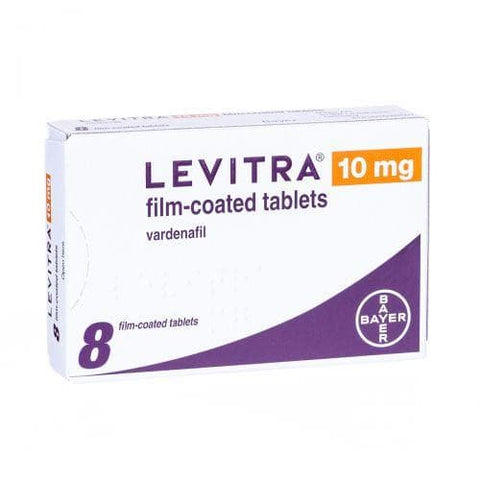
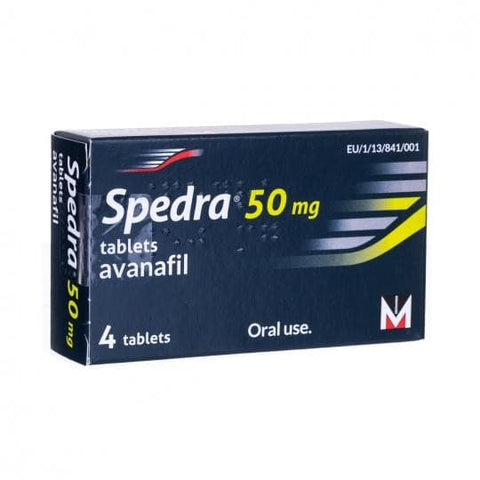
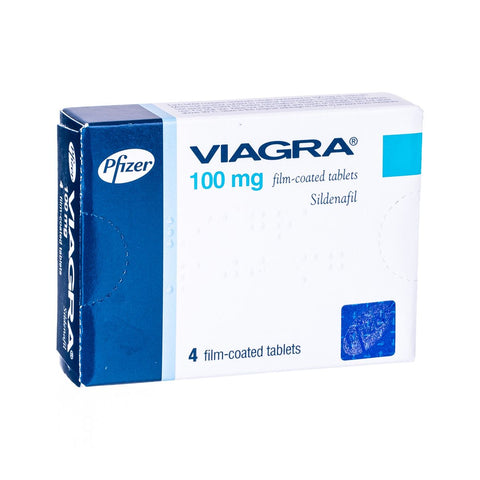
If the combination of tadalafil and alfuzosin causes troublesome side effects or is not considered safe for you, there are alternatives to discuss with your prescriber. Other PDE5 inhibitors—such as sildenafil (Viagra), vardenafil (Levitra), or avanafil (Spedra)—also interact with alpha-blockers in a similar way, so switching to a different PDE5 inhibitor may not solve the problem, although some men tolerate one better than another [3][5][6].
Your prescriber might consider adjusting the dose or timing of either medicine, or reviewing whether alfuzosin is still the best choice for your urinary symptoms. Other alpha-blockers, such as tamsulosin, may have a slightly different side-effect profile, though the interaction with PDE5 inhibitors remains. Non-oral treatments for ED, such as vacuum erection devices, alprostadil (Vitaros cream or Caverject injection), or referral to a specialist for further assessment, may also be options [2][7].
It is important not to stop or change any prescribed medicine without medical advice. If you are experiencing side effects or have concerns about the combination of tadalafil and alfuzosin, contact your prescriber or GP to discuss your options. Erectile dysfunction and urinary symptoms can both have a significant impact on quality of life, and effective, safe treatment is available with the right clinical support.
When to See Your GP
If you have new or worsening erectile dysfunction, it is important to see your GP, as ED can be an early warning sign of cardiovascular disease, diabetes, or other health conditions [1][2]. Your GP can carry out a full assessment, check your blood pressure and blood sugar, review your medicines, and discuss treatment options. If you are already taking alfuzosin and are interested in treatment for ED, your GP or an online prescriber can assess whether tadalafil or another PDE5 inhibitor is safe for you, and provide ongoing monitoring and support.
Start Low, Stand Slowly
If you're taking both tadalafil and alfuzosin, always start with the lowest dose of tadalafil and be cautious when standing up from sitting or lying down to avoid dizziness. Report any symptoms to your prescriber.
Scientific References
- NHS. (n.d.). Erectile dysfunction (impotence). NHS website. https://www.nhs.uk/conditions/erection-problems-erectile-dysfunction/ [accessed 18 October 2026]
- National Institute for Health and Care Excellence. (n.d.). Erectile dysfunction. Clinical Knowledge Summaries. https://cks.nice.org.uk/topics/erectile-dysfunction/ [accessed 18 October 2026]
- Joint Formulary Committee. (n.d.). Sildenafil. British National Formulary. NICE. https://bnf.nice.org.uk/drugs/sildenafil/ [accessed 18 October 2026]
- Joint Formulary Committee. (n.d.). Tadalafil. British National Formulary. NICE. https://bnf.nice.org.uk/drugs/tadalafil/ [accessed 18 October 2026]
- Joint Formulary Committee. (n.d.). Vardenafil. British National Formulary. NICE. https://bnf.nice.org.uk/drugs/vardenafil/ [accessed 18 October 2026]
- Joint Formulary Committee. (n.d.). Avanafil. British National Formulary. NICE. https://bnf.nice.org.uk/drugs/avanafil/ [accessed 18 October 2026]
- Joint Formulary Committee. (n.d.). Alprostadil. British National Formulary. NICE. https://bnf.nice.org.uk/drugs/alprostadil/ [accessed 18 October 2026]
- Electronic Medicines Compendium. (n.d.). Summaries of Product Characteristics and Patient Information Leaflets. https://www.medicines.org.uk/emc/ [accessed 18 October 2026]
Information on this page is for educational purposes only and is not medical advice. Prescription treatments require clinical assessment by a UK-registered prescriber. Always consult a qualified healthcare professional before starting or changing any medication.
Your Questions Answered
Can I take tadalafil if I am on alfuzosin?
Yes, tadalafil and alfuzosin can be taken together, but only under medical supervision. You must be stable on alfuzosin, start with the lowest dose of tadalafil, and watch for dizziness or low blood pressure.
What are the risks of taking tadalafil and alfuzosin together?
The main risk is an additive drop in blood pressure, which can cause dizziness, light-headedness, fainting, or feeling unsteady, especially when standing up. These symptoms are usually manageable with the right precautions.
Do I need to stop alfuzosin before starting tadalafil?
No, you do not need to stop alfuzosin. However, you should be stable on it for a few weeks before starting tadalafil, and your prescriber will assess whether the combination is safe for you.
What dose of tadalafil is safest with alfuzosin?
Your prescriber will usually recommend starting with the lowest effective dose—typically 5mg or 10mg on-demand—to minimise the risk of low blood pressure. Do not increase the dose without medical advice.
Can I take tadalafil and alfuzosin at the same time of day?
It is often safer to take them at different times to reduce the peak blood-pressure-lowering effect, but follow your prescriber's advice. On-demand tadalafil is taken before sexual activity, while alfuzosin is usually once daily.
What should I do if I feel dizzy after taking tadalafil and alfuzosin?
Sit or lie down until the dizziness passes, and avoid standing up quickly. If dizziness is severe, persistent, or you feel faint, contact your GP or prescriber for advice.
Are there alternatives to tadalafil if I am on alfuzosin?
Other PDE5 inhibitors (sildenafil, vardenafil, avanafil) have similar interactions with alpha-blockers. Your prescriber may consider non-oral treatments such as vacuum devices or alprostadil, or review your BPH treatment.
Can I drink alcohol while taking tadalafil and alfuzosin?
Limit alcohol intake, as it can worsen erectile dysfunction and add to the blood-pressure-lowering effect of both medicines, increasing the risk of dizziness or fainting.
Get Discreet ED Treatment Online
- Reviewed by UK-based prescribers
- Takes under 3 minutes
- Discreet Packaging

Medically reviewed by
Tarun Kumar, Superintendent Pharmacist (GPhC 2233073)