

Tadalafil and Adalimumab: Can They Be Taken Together?
Learn about safety, interactions, and what your prescriber checks before treatment.
Takes less than 2 minutes to complete 100% online

Treatment Options
Pricing Disclaimer: Prices on some pages may not be up to date — the live pricing table below and pricing shown during consultation are official current prices and take precedence over any other figures on the site.


Tadalafil and Adalimumab: Understanding the Interaction
Published: 18 October 2026
If you're prescribed adalimumab (Humira) for a condition such as rheumatoid arthritis or Crohn's disease and are considering tadalafil for erectile dysfunction, you may wonder whether tadalafil and adalimumab can be taken together safely. The good news is that no major direct interaction between these two medicines is commonly reported in clinical practice. However, every person's situation is unique, and your prescriber will review all your current medicines, health conditions, and individual risk factors during your consultation to ensure tadalafil is suitable for you.
At a glance
What is tadalafil and how does it work?
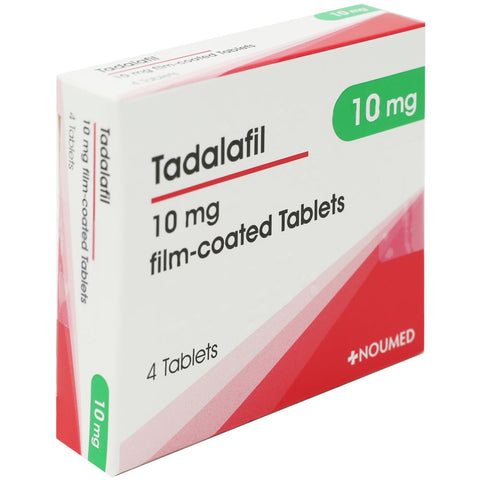
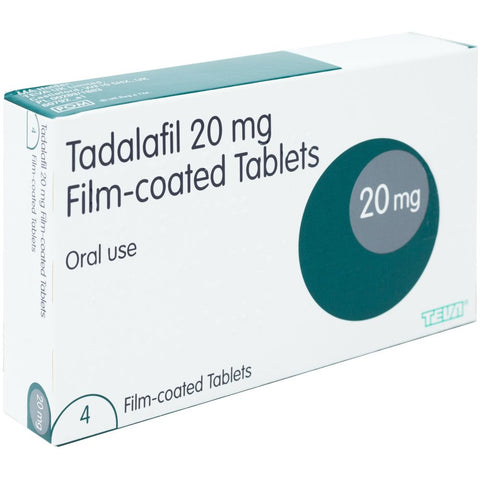
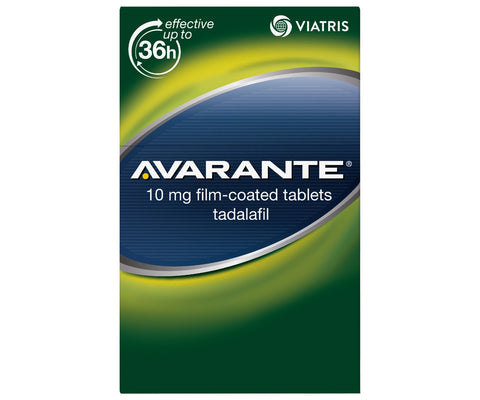
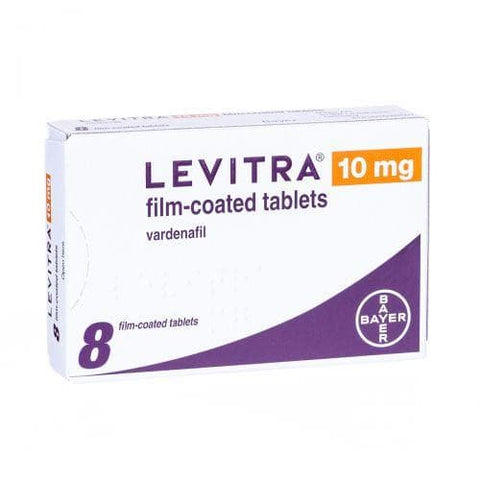
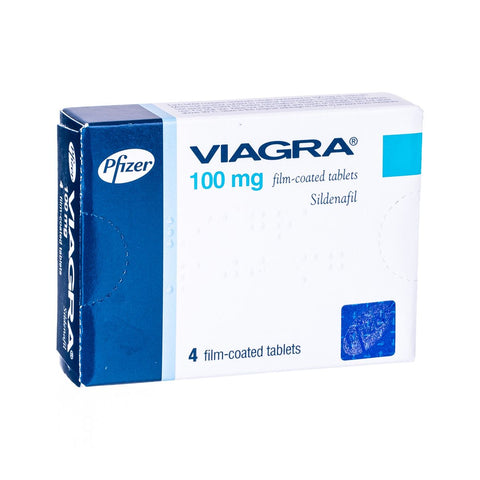
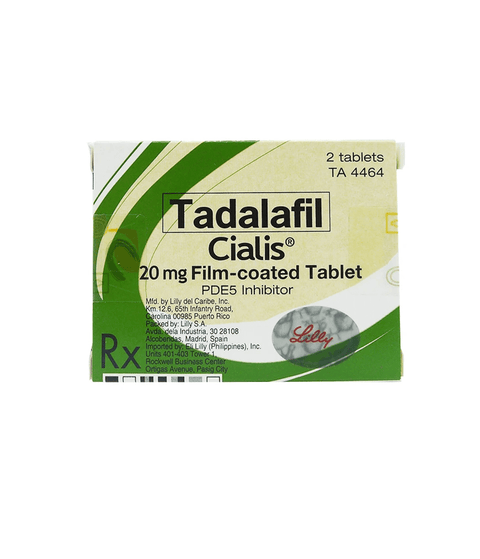
Tadalafil is a prescription medicine used to treat erectile dysfunction (ED) in men. It belongs to a group of medicines called phosphodiesterase type 5 (PDE5) inhibitors, which also includes sildenafil (Viagra), vardenafil (Levitra), and avanafil (Spedra). Tadalafil is the generic name for Cialis and is available in both branded and generic forms in the UK [4].
Tadalafil works by relaxing the blood vessels in the penis, allowing more blood to flow into the area when you are sexually aroused. This helps you get and keep an erection suitable for sexual activity. It's important to understand that tadalafil will not cause an erection on its own—sexual stimulation is still needed for the medicine to work [4].
Tadalafil is available in two main dosing options: on-demand tablets (10mg or 20mg) taken at least 30 minutes before sexual activity, with effects lasting up to 36 hours, or daily low-dose tablets (2.5mg or 5mg) taken once a day at the same time, allowing for spontaneity. Your prescriber will help you choose the option that best suits your lifestyle and needs [4].
What is adalimumab and why is it prescribed?
Adalimumab is a prescription medicine known by the brand name Humira, along with several biosimilar versions now available in the UK. It belongs to a class of medicines called tumour necrosis factor (TNF) inhibitors or biologics, which are used to treat a range of inflammatory and autoimmune conditions [12].
Adalimumab is commonly prescribed for conditions including rheumatoid arthritis, psoriatic arthritis, ankylosing spondylitis, Crohn's disease, ulcerative colitis, plaque psoriasis, and hidradenitis suppurativa. It works by blocking the action of TNF-alpha, a protein in the body that causes inflammation. By reducing inflammation, adalimumab helps control symptoms and prevent long-term damage in these chronic conditions [12].
The medicine is given as an injection under the skin, usually once every two weeks, though the exact dosing schedule depends on the condition being treated. Because adalimumab affects the immune system, people taking it need regular monitoring for infections and other potential side effects. If you have been prescribed adalimumab, your specialist will have discussed these risks and the importance of reporting any signs of infection promptly [12].
Is there an interaction between tadalafil and adalimumab?
No major direct interaction between tadalafil and adalimumab is commonly reported in clinical practice or drug interaction databases. These two medicines work through completely different mechanisms in the body: tadalafil acts on blood vessels in the penis to improve blood flow, while adalimumab targets the immune system to reduce inflammation. They do not interfere with each other's metabolism or effectiveness in a clinically significant way.
However, it is important to understand that the absence of a direct drug-to-drug interaction does not automatically mean the combination is suitable for everyone. Your overall health, other medicines you take, and the conditions being treated all play a role in determining whether tadalafil is safe and appropriate for you. This is why a thorough consultation with a prescriber is essential before starting any ED treatment.
During your consultation, the prescriber will review your complete medical history, including your adalimumab treatment, any other medicines or supplements you take, and conditions such as heart disease, blood pressure problems, or liver and kidney function. This comprehensive assessment ensures that tadalafil can be prescribed safely and that any potential risks specific to your situation are identified and managed [2][4].
Why a full medication review matters
Even when two medicines do not interact directly, other factors can affect safety. For example, some people taking adalimumab may also be prescribed other medicines for pain, inflammation, or related conditions. Some of these—such as certain blood pressure medicines or antifungal drugs—can interact with tadalafil. Your prescriber will check every medicine you are currently taking, not just adalimumab, to ensure there are no contraindications or dose adjustments needed [2][4].
What you need to know
- No major interaction is commonly reported between tadalafil and adalimumab
- Your prescriber reviews all medicines and health conditions during consultation
- Never take tadalafil with nitrates, nicorandil, riociguat, or poppers
- Alpha-blockers and some other medicines may require dose adjustments
- Seek urgent help for chest pain, erection lasting over 4 hours, or sudden vision loss
What your prescriber checks before prescribing tadalafil and adalimumab together
When you request tadalafil through Cured Pharmacy or any other service, you will complete an online consultation that asks detailed questions about your health and current medicines. A UK-registered prescriber reviews every consultation individually to ensure the treatment is safe and suitable for you. This process is not a formality—it is a clinical assessment designed to protect your health.
The prescriber will specifically check whether you are taking any medicines that are contraindicated with tadalafil. These include nitrates (such as GTN spray or isosorbide mononitrate), nicorandil, riociguat, or recreational drugs known as 'poppers' (amyl or alkyl nitrites). If you take any of these, you must not take tadalafil or any other PDE5 inhibitor, as the combination can cause a dangerous drop in blood pressure [3][4].
The prescriber will also review medicines that require caution with tadalafil, such as alpha-blockers (e.g. tamsulosin, doxazosin) used for prostate or blood pressure problems, and potent CYP3A4 inhibitors (e.g. ritonavir, ketoconazole, clarithromycin) that can raise tadalafil levels in the blood. If you take an alpha-blocker, you should be stable on that medicine before starting tadalafil, and the lowest dose of tadalafil will usually be recommended. With potent CYP3A4 inhibitors, dose adjustments or alternative ED treatments may be needed [4].
Your prescriber will also ask about cardiovascular health, including any history of heart attack, stroke, angina, heart failure, or abnormal blood pressure. Tadalafil and other PDE5 inhibitors are not suitable when sexual activity itself is inadvisable due to heart problems. If you have any concerns about your heart health, your GP or cardiologist should be consulted before starting ED treatment [2][4].
Practical advice for taking tadalafil if you use adalimumab
If your prescriber approves tadalafil for you, there are some practical steps to help you use it safely and effectively. Always take tadalafil exactly as prescribed. For on-demand tadalafil (10mg or 20mg), take one tablet at least 30 minutes before you plan to have sex. The effect can last up to 36 hours, but you should not take more than one dose in a 24-hour period. For daily tadalafil (2.5mg or 5mg), take one tablet at the same time each day, whether or not you plan to have sex [4].
Continue taking your adalimumab injections as prescribed by your specialist. Do not stop or change the dose of adalimumab without consulting your specialist, even if you start tadalafil. Both medicines can be part of your treatment plan without one affecting the other, provided your prescriber has reviewed your overall health and confirmed it is safe.
Be aware of lifestyle factors that can affect how well tadalafil works. Heavy alcohol can make erectile dysfunction worse and add to the blood-pressure-lowering effect of tadalafil, increasing the risk of dizziness or fainting. Grapefruit juice can raise tadalafil levels in the blood, so it is best avoided. Smoking, lack of exercise, and poorly controlled diabetes can all contribute to ED, so addressing these factors alongside medication can improve results [1][2].
If you experience any side effects from tadalafil—such as headache, indigestion, back pain, muscle aches, flushing, or a blocked nose—these are usually mild and temporary. However, if you develop chest pain during sex, an erection lasting more than four hours, or sudden loss of vision or hearing, seek urgent medical help immediately. These are rare but serious side effects that require prompt attention [4].
When to speak to your GP
If you are experiencing erectile dysfunction for the first time, it is important to see your GP for a full assessment. ED can be an early warning sign of underlying health problems such as heart disease, diabetes, or high blood pressure. Your GP can arrange tests, review your overall health, and refer you to a specialist if needed. Treating the underlying cause can sometimes improve ED without the need for medication [1][2].
When to get urgent help
- Erection lasting more than 4 hours (priapism) – go to A&E immediately
- Sudden loss of vision in one or both eyes – seek urgent medical help
- Sudden decrease or loss of hearing – contact a doctor immediately
- Chest pain during or after sex – call 999 or go to A&E
- Severe dizziness or fainting after taking tadalafil – seek medical advice promptly
Call 999 or go to A&E in an emergency, or contact NHS 111 for urgent advice.
Other medicines and conditions that affect tadalafil safety
While tadalafil and adalimumab do not interact directly, other medicines you take may affect whether tadalafil is suitable or require dose adjustments. Alpha-blockers, used for an enlarged prostate or high blood pressure, can cause low blood pressure and dizziness when combined with tadalafil. If you take an alpha-blocker, you should be stable on that medicine, and your prescriber will usually start you on the lowest dose of tadalafil [4].
Potent CYP3A4 inhibitors—including some HIV medicines (ritonavir, cobicistat), antifungals (ketoconazole, itraconazole), and antibiotics (clarithromycin)—can significantly raise tadalafil levels. For tadalafil, the maximum dose is reduced when taken with these medicines. Some ED medicines, such as vardenafil and avanafil, are contraindicated with potent CYP3A4 inhibitors, so your prescriber may recommend an alternative [4][5][6].
CYP3A4 inducers, such as rifampicin, carbamazepine, phenytoin, and St John's wort, can reduce tadalafil levels and make it less effective. If you take any of these, your prescriber will discuss whether tadalafil is still a suitable option or whether a different approach is needed [4].
Certain health conditions also affect tadalafil suitability. These include severe liver or kidney disease, very low blood pressure, a history of priapism (prolonged erection), previous non-arteritic anterior ischaemic optic neuropathy (NAION, a type of sudden vision loss), and some inherited retinal disorders. Your prescriber will ask about these during your consultation to ensure tadalafil is safe for you [4].
Never take tadalafil with these medicines
Do not take tadalafil if you use nitrates (GTN spray, isosorbide mononitrate or dinitrate), nicorandil, riociguat, or recreational drugs called 'poppers' (amyl or alkyl nitrites). Do not take tadalafil at the same time as another PDE5 inhibitor (sildenafil, vardenafil, or avanafil). These combinations can cause a dangerous drop in blood pressure and are contraindicated [3][4].
Always declare every medicine you take
During your consultation, list all prescription medicines, over-the-counter products, and supplements. This ensures your prescriber can check for interactions and confirm tadalafil is safe for you.
Scientific References
- NHS. (n.d.). Erectile dysfunction (impotence). NHS website. https://www.nhs.uk/conditions/erection-problems-erectile-dysfunction/ [accessed 18 October 2026]
- National Institute for Health and Care Excellence. (n.d.). Erectile dysfunction. Clinical Knowledge Summaries. https://cks.nice.org.uk/topics/erectile-dysfunction/ [accessed 18 October 2026]
- Joint Formulary Committee. (n.d.). Sildenafil. British National Formulary. NICE. https://bnf.nice.org.uk/drugs/sildenafil/ [accessed 18 October 2026]
- Joint Formulary Committee. (n.d.). Tadalafil. British National Formulary. NICE. https://bnf.nice.org.uk/drugs/tadalafil/ [accessed 18 October 2026]
- Electronic Medicines Compendium. (n.d.). Summaries of Product Characteristics and Patient Information Leaflets. https://www.medicines.org.uk/emc/ [accessed 18 October 2026]
Information on this page is for educational purposes only and is not medical advice. Prescription treatments require clinical assessment by a UK-registered prescriber. Always consult a qualified healthcare professional before starting or changing any medication.
Trusted by thousands
Real people, real results
“Fabulous service and quick delivery”
“Felt the effects of these after about 5 days. Erections are better and can get aroused and ready easier”
“Excellent value and brilliant customer service”
“I received excellent service and everything went well. The order arrived quickly and in perfect condition. It's working very well! Thank you to the whole team for the great work!”
“Delivery was good, the product lived up to expectations.”
Your Path to Treatment
Choose your treatment
Select from our recommended UK-licensed medications.
Answer quick questions
Select safe UK treatments. Quick answers.
Get it delivered fast
We will deliver direct to you as quickly as tomorrow.
Ready to Speak to a Pharmacist?
Start your journey to better health today.
- Reviewed by UK-based prescribers
- Takes under 3 minutes
- Discreet Packaging
Start Your Journey To Better Health Today
Once you complete a short online assessment you will be able to choose your preferred treatment from safe medically approved options tailored to you.
Start My Assessment Log in to Your AccountFrequently Asked Questions
Can I take tadalafil if I'm on adalimumab (Humira)?
No major interaction between tadalafil and adalimumab is commonly reported, so they can usually be taken together. However, your prescriber will review your full medical history and all current medicines during the consultation to ensure tadalafil is safe and suitable for you.
Will adalimumab make tadalafil less effective?
No, adalimumab does not affect how tadalafil works. They act through completely different mechanisms in the body and do not interfere with each other's effectiveness.
Do I need to tell my rheumatologist or specialist that I'm taking tadalafil?
It is good practice to keep all your healthcare providers informed about every medicine you take, including tadalafil. This helps ensure coordinated care and avoids any potential issues.
Are there any medicines I must not take with tadalafil?
Yes. Do not take tadalafil with nitrates (GTN spray, isosorbide mononitrate or dinitrate), nicorandil, riociguat, recreational 'poppers', or another PDE5 inhibitor. These combinations can cause a dangerous drop in blood pressure.
Can I take tadalafil if I also take methotrexate or steroids for my arthritis?
No major interaction is commonly reported between tadalafil and methotrexate or corticosteroids. Your prescriber will review your full medication list and health conditions during the consultation to confirm tadalafil is suitable.
How long does tadalafil last, and can I take it every day?
On-demand tadalafil (10mg or 20mg) can last up to 36 hours, taken at least 30 minutes before sex. Daily tadalafil (2.5mg or 5mg) is taken once a day at the same time, allowing for spontaneity. Your prescriber will help you choose the best option.
What should I do if I get side effects from tadalafil?
Common side effects like headache, indigestion, or flushing are usually mild and temporary. If you experience chest pain during sex, an erection lasting more than four hours, or sudden vision or hearing loss, seek urgent medical help immediately.
Can I buy tadalafil online if I take adalimumab?
Yes, you can request tadalafil through Cured Pharmacy's online consultation. A UK-registered prescriber will review your health, including your adalimumab treatment, to ensure tadalafil is safe and appropriate for you before approving the prescription.

Medically reviewed by
Tarun Kumar, Superintendent Pharmacist (GPhC 2233073)