


Sildenafil Priapism: Risk, Symptoms & What to Do
Learn how common priapism is, warning signs, and when to seek emergency help after taking sildenafil.
Takes less than 2 minutes to complete 100% online
Sildenafil and Priapism: What You Need to Know
Published: 15 November 2026
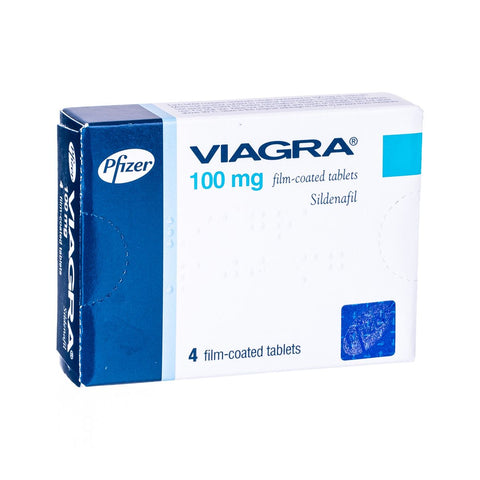
Sildenafil priapism—a prolonged, painful erection lasting more than four hours—is a rare but serious side effect of sildenafil (Viagra) that requires urgent medical attention [3]. While priapism affects fewer than 1 in 1,000 men taking sildenafil, understanding the warning signs and knowing when to seek help can prevent permanent damage to the penis. This guide explains why priapism happens, how to recognise it, what to do if it occurs, and whether alternative ED treatments may be more suitable for you.
Time Is Critical
If your erection lasts more than four hours after taking sildenafil, go to A&E immediately. Prompt treatment prevents permanent damage and preserves your ability to have erections in future.
How Common Is Sildenafil Priapism?
Priapism is classified as an uncommon side effect of sildenafil, occurring in fewer than 1 in 100 men [3]. The actual incidence is estimated at less than 1 in 1,000 users in clinical practice. Most erections that last longer than expected after taking sildenafil resolve within a few hours and do not constitute true priapism, which is specifically defined as an erection lasting more than four hours without sexual stimulation or that persists after orgasm.
Certain factors may slightly increase your risk of priapism when taking sildenafil. These include sickle cell disease, leukaemia, multiple myeloma, anatomical deformities of the penis (such as Peyronie's disease), and a history of priapism from any cause [3]. Men with these conditions should discuss the risks and benefits with their prescriber before starting sildenafil. If you have any of these risk factors, your healthcare professional may recommend a lower starting dose or suggest an alternative treatment.
It's important to distinguish between priapism and a normal prolonged erection that occurs with sexual stimulation. An erection that lasts two or three hours but subsides naturally is not priapism, though you should still mention it to your prescriber. True priapism is typically painful, rigid, and does not go away even after sexual activity has stopped. The glans (head) of the penis often remains soft, while the shaft is hard—a key distinguishing feature.
Why Does Sildenafil Cause Priapism?
Sildenafil works by inhibiting an enzyme called phosphodiesterase type 5 (PDE5), which normally breaks down a chemical messenger that relaxes smooth muscle in the penis [3]. By blocking PDE5, sildenafil allows blood vessels in the penis to stay dilated for longer, making it easier to achieve and maintain an erection when sexually aroused. In the vast majority of men, this effect is temporary and controlled, lasting a few hours at most.
Priapism occurs when the normal mechanisms that regulate blood flow out of the penis fail, causing blood to become trapped in the erectile tissue. This can happen if the PDE5 inhibition is too strong, if there is an underlying blood disorder that makes red blood cells sticky or abnormally shaped (such as sickle cell disease), or if other medications or substances interact with sildenafil to prolong its effects [3]. The trapped blood becomes deoxygenated, which can damage the delicate tissue inside the penis if not treated promptly.
Taking more than the recommended dose of sildenafil, combining it with another PDE5 inhibitor, or using it alongside certain recreational drugs (particularly 'poppers' or amyl nitrites) significantly increases the risk of prolonged erections and priapism [3]. Alcohol in large amounts can also affect blood flow and may contribute to unpredictable responses. Always follow the prescribed dose and never take sildenafil more than once in 24 hours.
Ischaemic vs Non-Ischaemic Priapism
There are two main types of priapism: ischaemic (low-flow) and non-ischaemic (high-flow). Ischaemic priapism is the more common and serious form, where blood cannot drain from the penis, leading to oxygen deprivation and tissue damage if untreated for more than four to six hours [8]. This type is painful and the penis feels rigid. Non-ischaemic priapism, caused by unregulated arterial blood flow (often after trauma), is less painful and less urgent, though still requires medical assessment. Sildenafil-related priapism is almost always the ischaemic type.
When to get urgent help
- Erection lasting more than 4 hours—go to A&E or call 999 immediately
- Severe pain in the penis with a rigid shaft that won't subside
- Sudden loss of vision in one or both eyes
- Sudden decrease or loss of hearing, with or without ringing in the ears
- Chest pain during or after sexual activity—stop and seek urgent medical help
Call 999 or go to A&E in an emergency, or contact NHS 111 for urgent advice.
How Long Does Priapism Last and What Happens If Untreated?
By definition, priapism is an erection that lasts more than four hours [3][8]. However, the critical window for treatment is within the first four to six hours. If priapism is treated promptly—ideally within four hours—the risk of permanent damage is low. After six hours, the lack of oxygen to the penile tissue can cause scarring (fibrosis), which may lead to permanent erectile dysfunction that does not respond to tablets or other treatments.
If left untreated for 24 hours or longer, the damage is often irreversible, and some men lose the ability to have natural erections altogether [8]. This is why priapism is considered a urological emergency. The longer the erection persists, the greater the risk of complications, including chronic pain, penile deformity, and the need for surgical intervention such as a shunt procedure to restore blood flow.
Treatment in hospital typically involves draining the trapped blood from the penis using a needle and syringe (aspiration), sometimes combined with injecting a medication that constricts blood vessels to reduce blood flow into the penis [7]. In most cases, this resolves the priapism quickly and prevents long-term harm. Rarely, if aspiration fails, surgery may be needed. The key message is simple: if your erection lasts more than four hours, go to A&E immediately—do not wait to see if it resolves on its own.
What Should You Do If You Experience Sildenafil Priapism?
If you have an erection that lasts longer than four hours after taking sildenafil, treat it as a medical emergency and go to your nearest A&E department or call 999 [3]. Do not feel embarrassed—healthcare professionals are used to treating priapism and will act quickly to prevent permanent damage. Bring any medication packaging with you so the medical team knows exactly what you have taken and when.
While waiting for medical help, you can try some simple measures that occasionally help, though they should never delay seeking emergency care. These include gentle exercise such as walking up and down stairs, applying a cold compress or ice pack (wrapped in a towel) to the inner thighs or perineum, and urinating if possible. Some men find that a cold shower helps, though there is limited evidence for this. These steps may reduce blood flow to the penis, but they are not a substitute for professional treatment.
After an episode of priapism, you should not take sildenafil or any other PDE5 inhibitor again until you have been reviewed by a urologist or your GP [3]. They will investigate whether there was an underlying cause (such as a blood disorder) and discuss whether it is safe to use ED medication in future, possibly at a lower dose or with a different treatment. Some men are advised to avoid PDE5 inhibitors altogether and may be offered alternatives such as alprostadil injections, a vacuum erection device, or referral for further specialist assessment.
Self-Care Tips to Reduce Risk
To minimise your risk of priapism when taking sildenafil, always use the lowest effective dose and never exceed the maximum recommended dose of 100 mg in 24 hours [3]. Avoid combining sildenafil with other ED treatments, recreational drugs (especially poppers), or excessive alcohol. If you have a condition that increases priapism risk—such as sickle cell disease or a history of prolonged erections—discuss this openly during your consultation so your prescriber can tailor your treatment. Never share your medication with others, as they may have risk factors you are unaware of.
At a glance
Are There Safer Alternatives to Sildenafil for Priapism Risk?
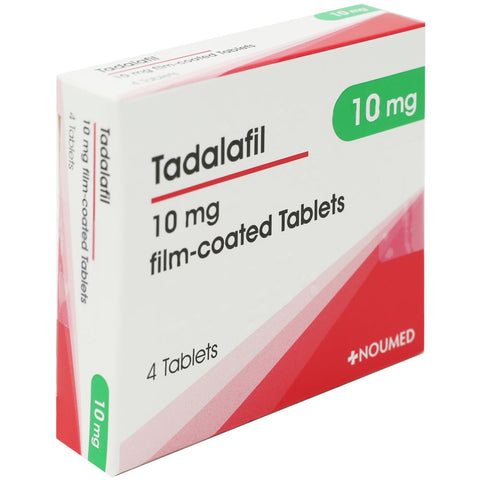
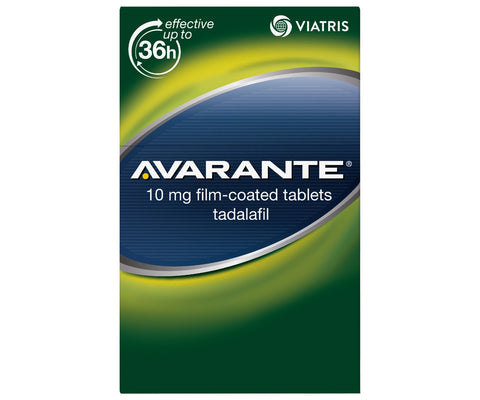
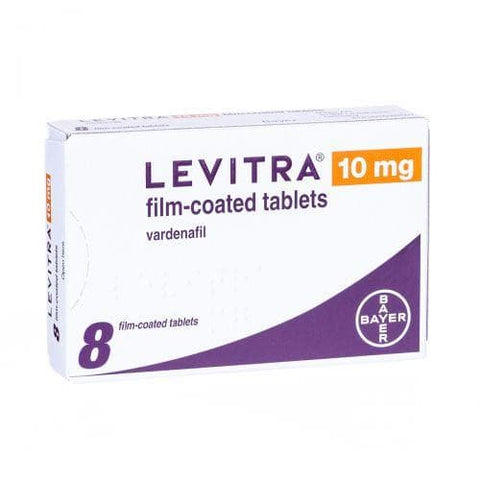
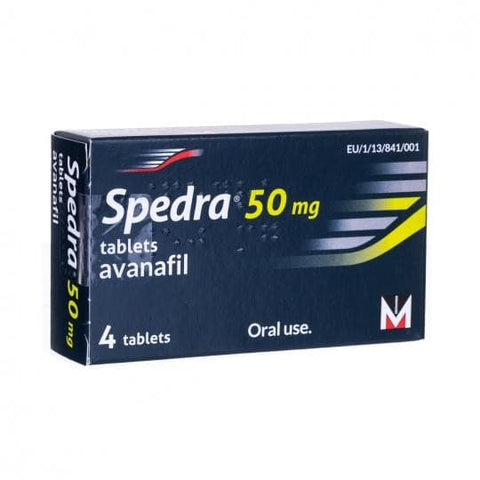
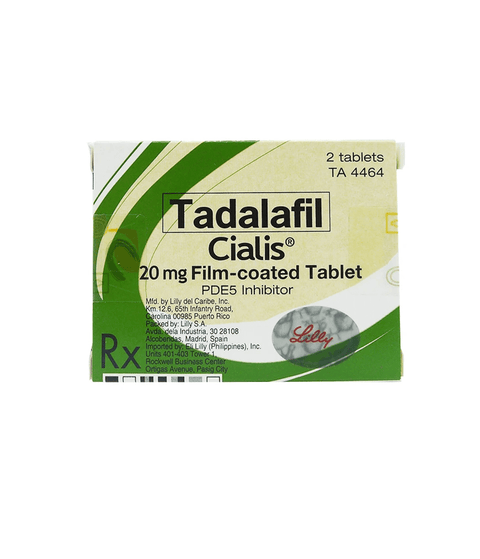
All PDE5 inhibitors—including tadalafil (Cialis), vardenafil (Levitra), and avanafil (Spedra)—carry a similar small risk of priapism, as they work by the same mechanism [3][4][5][6]. However, some men and their prescribers prefer tadalafil or avanafil because they have slightly different pharmacokinetics (how the body processes the drug). Tadalafil has a longer half-life, meaning it stays in the body longer, which could theoretically prolong any side effects, though priapism remains very rare with all PDE5 inhibitors.
If you have experienced priapism with sildenafil, your doctor may suggest a non-tablet treatment. Alprostadil, available as a urethral cream (Vitaros) or penile injection (Caverject), works by a different mechanism and may be considered, though it also carries a small priapism risk [7]. Vacuum erection devices are a non-drug option that can be effective and have no systemic side effects. For some men, addressing underlying causes of ED—such as improving cardiovascular health, managing diabetes, or reducing alcohol intake—can reduce the need for medication altogether [1][2].
Your prescriber will review your full medical history, current medications, and any previous reactions to ED treatments during your online consultation. If you have risk factors for priapism, they may recommend starting with the lowest available dose or choosing a treatment with a shorter duration of action, such as avanafil (Spedra), which is cleared from the body more quickly than sildenafil or tadalafil [6]. Open communication about your concerns ensures you receive the safest, most appropriate treatment for your individual circumstances.
When to Seek Urgent Help for Sildenafil Priapism
Priapism is a medical emergency that requires immediate treatment to prevent permanent erectile dysfunction [3][8]. If your erection lasts more than four hours, do not wait—go straight to A&E or call 999. Other urgent warning signs include severe pain in the penis, a rigid shaft with a soft glans, or any erection that does not subside after sexual activity has stopped. Time is critical: the sooner you receive treatment, the better the outcome.
In addition to priapism, there are other rare but serious side effects of sildenafil that require urgent medical attention. These include sudden loss of vision in one or both eyes (which may indicate non-arteritic anterior ischaemic optic neuropathy or NAION), sudden decrease or loss of hearing (sometimes with ringing in the ears or dizziness), and chest pain during or after sexual activity [3]. If you experience any of these symptoms, stop taking sildenafil and seek immediate medical help.
If you develop an allergic reaction to sildenafil—such as swelling of the face, lips, tongue or throat, difficulty breathing, or a severe skin rash—call 999 immediately [3]. While most side effects of sildenafil are mild and temporary (such as headache, flushing, or indigestion), it is important to know the warning signs that require urgent care. Your safety is the priority, and healthcare professionals would always rather you sought help early than risk serious complications by waiting.
Follow-Up After Priapism
After treatment for priapism, you will usually be referred to a urologist for follow-up to check for any lasting damage and to investigate possible underlying causes [8]. You may be advised to avoid all PDE5 inhibitors in future, or your specialist may suggest trying a different dose or treatment under close supervision. Some men are offered a 'rescue' treatment plan—such as a prescription for a medication to inject at home if priapism occurs again—though this is only appropriate for certain patients. Always attend follow-up appointments and report any changes in erectile function to your doctor.
In summary
- Priapism from sildenafil is rare, affecting fewer than 1 in 100 men, but requires emergency care.
- Any erection lasting more than four hours is a medical emergency—go to A&E immediately.
- Prompt treatment within four to six hours prevents permanent damage and preserves erectile function.
- All PDE5 inhibitors carry a similar small risk; alternatives include alprostadil or vacuum devices.
- Never exceed the recommended dose or combine sildenafil with other ED treatments or recreational drugs.
Scientific References
- Joint Formulary Committee. (n.d.). Sildenafil. British National Formulary. NICE. https://bnf.nice.org.uk/drugs/sildenafil/ [accessed 15 November 2026]
- Joint Formulary Committee. (n.d.). Tadalafil. British National Formulary. NICE. https://bnf.nice.org.uk/drugs/tadalafil/ [accessed 15 November 2026]
- Joint Formulary Committee. (n.d.). Vardenafil. British National Formulary. NICE. https://bnf.nice.org.uk/drugs/vardenafil/ [accessed 15 November 2026]
- Joint Formulary Committee. (n.d.). Avanafil. British National Formulary. NICE. https://bnf.nice.org.uk/drugs/avanafil/ [accessed 15 November 2026]
- Joint Formulary Committee. (n.d.). Alprostadil. British National Formulary. NICE. https://bnf.nice.org.uk/drugs/alprostadil/ [accessed 15 November 2026]
- European Association of Urology. (n.d.). EAU Guidelines on Sexual and Reproductive Health. https://uroweb.org/guidelines/sexual-and-reproductive-health [accessed 15 November 2026]
- NHS. (n.d.). Erectile dysfunction (impotence). https://www.nhs.uk/conditions/erection-problems-erectile-dysfunction/ Accessed 15 November 2026.
Information on this page is for educational purposes only and is not medical advice. Prescription treatments require clinical assessment by a UK-registered prescriber. Always consult a qualified healthcare professional before starting or changing any medication.
Trusted by thousands
Real people, real results
“Fabulous service and quick delivery”
“Felt the effects of these after about 5 days. Erections are better and can get aroused and ready easier”
“Excellent value and brilliant customer service”
“I received excellent service and everything went well. The order arrived quickly and in perfect condition. It's working very well! Thank you to the whole team for the great work!”
“Delivery was good, the product lived up to expectations.”
How it Works?
Choose your treatment
Select from our recommended UK-licensed medications.
Answer quick questions
Select safe UK treatments. Quick answers.
Get it delivered fast
We will deliver direct to you as quickly as tomorrow.
Faq
Our ED Treatments
Pricing Disclaimer: Prices on some pages may not be up to date — the live pricing table below and pricing shown during consultation are official current prices and take precedence over any other figures on the site.
Not sure which one? Start a free consultation →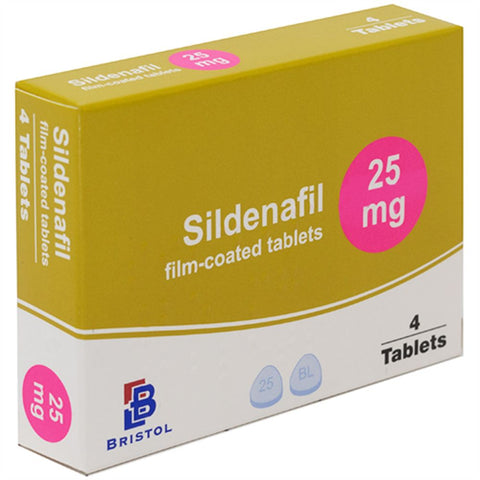
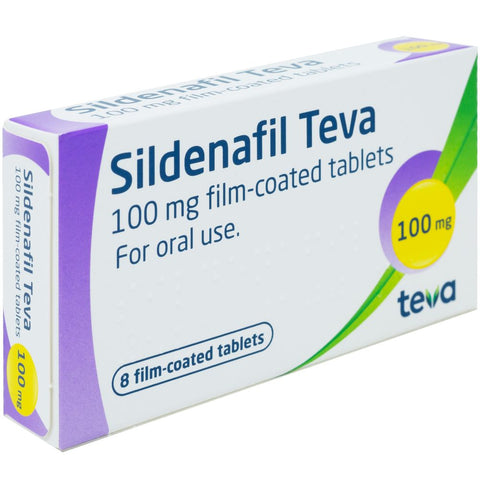
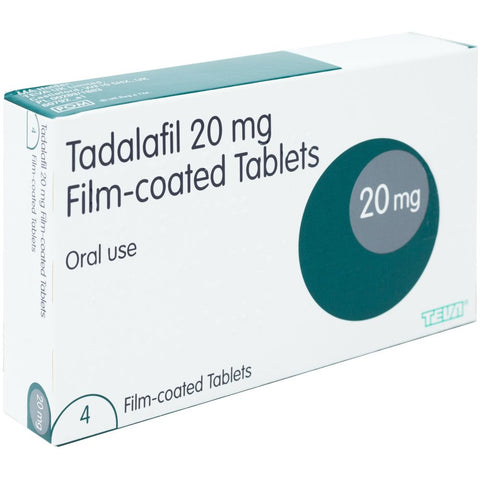
Start Your Assessment For Erectile Dysfunction
- Reviewed by UK-based prescribers
- Takes under 3 minutes
- Discreet Packaging

Medically reviewed by
Tarun Kumar, Superintendent Pharmacist (GPhC 2233073)