

Sildenafil Nosebleed: Causes & What to Do
Learn why nosebleeds can happen, how to manage them, and when to seek advice from a UK pharmacist.
Takes less than 2 minutes to complete 100% online

Trusted by thousands
Real people, real results
“Fabulous service and quick delivery”
“Felt the effects of these after about 5 days. Erections are better and can get aroused and ready easier”
“Excellent value and brilliant customer service”
“I received excellent service and everything went well. The order arrived quickly and in perfect condition. It's working very well! Thank you to the whole team for the great work!”
“Delivery was good, the product lived up to expectations.”
How Our Online Service Works


Sildenafil and Nosebleeds: What You Need to Know
Published: 15 November 2026
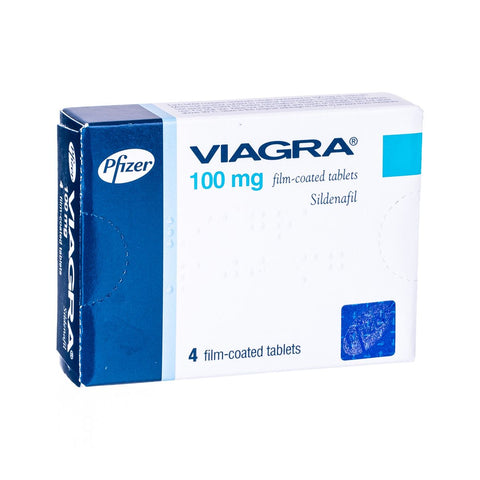
A sildenafil nosebleed can be an unexpected side effect for some men taking this erectile dysfunction medicine, though it is uncommon. Sildenafil (the active ingredient in Viagra) works by widening blood vessels, which can occasionally affect the delicate vessels in the nose and lead to minor nasal bleeding or increased nasal congestion. Understanding why this happens, how to manage it, and when to seek advice can help you use your ED treatment safely and confidently.
At a glance
How Common Is a Sildenafil Nosebleed?
Nosebleeds are not listed among the most common side effects of sildenafil. The most frequently reported side effects include headache, facial flushing, indigestion, and nasal congestion (a blocked or stuffy nose), which affects up to 1 in 10 men [3]. Nasal congestion occurs because sildenafil widens blood vessels throughout the body, including those in the nasal passages, leading to swelling and stuffiness.
Actual nosebleeds (epistaxis) are much less common. While not specifically quantified in the British National Formulary, they are considered uncommon or rare side effects [3]. If you experience a nosebleed while taking sildenafil, it is usually mild and self-limiting. However, if you have a history of frequent nosebleeds, high blood pressure, or take medicines that affect blood clotting (such as warfarin or aspirin), you may be at slightly higher risk and should mention this during your consultation.
It is important to distinguish between nasal congestion (which is common and harmless) and an actual nosebleed. Congestion may make your nose feel full or cause minor blood-streaked mucus when you blow your nose, but this is not the same as active bleeding. If you are unsure, a pharmacist or GP can help you assess the situation and decide whether any action is needed.
Why Does Sildenafil Cause Nosebleeds?
Sildenafil belongs to a group of medicines called PDE5 inhibitors, which work by blocking an enzyme (phosphodiesterase type 5) and allowing blood vessels to relax and widen [3]. This increased blood flow is what helps achieve and maintain an erection when you are sexually stimulated. However, the effect is not limited to the blood vessels in the penis—sildenafil can also widen blood vessels elsewhere in the body, including those in the nose.
The lining of the nose contains a rich network of tiny, delicate blood vessels. When these vessels dilate, the nasal lining can become engorged and more fragile, making it easier for minor trauma (such as blowing your nose, dry air, or even changes in temperature) to cause a small vessel to rupture and bleed. This is the same mechanism that causes nasal congestion, which is why the two side effects are related.
Other factors can increase the likelihood of a nosebleed while taking sildenafil. Dry indoor air (especially during winter or in air-conditioned environments), allergies, colds, or forceful nose-blowing can all irritate the nasal lining. If you take medicines that thin the blood or affect clotting—such as aspirin, clopidogrel, warfarin, or direct oral anticoagulants (DOACs)—the combination may make any bleeding last a little longer, though serious problems are rare. Always declare all your current medicines during your online consultation so the prescriber can check for interactions.
Other Medicines and Nosebleed Risk
If you take anticoagulants (blood thinners) or antiplatelet medicines, it is especially important to mention this during your consultation. While sildenafil itself does not thin the blood, the combination of widened blood vessels and reduced clotting can make any nosebleed more noticeable or take longer to stop. Your prescriber will review your full medication list and medical history to ensure sildenafil is safe and appropriate for you. Never stop or change a prescribed medicine without advice from your doctor or pharmacist.
How Long Does a Sildenafil Nosebleed Last?
Most nosebleeds caused by sildenafil are minor and stop on their own within 10 to 20 minutes, especially if you follow simple first-aid steps (see below). The bleeding typically occurs while the medicine is active in your system. Sildenafil is usually taken about one hour before sexual activity, and its effects last for around four to six hours, though the medicine can remain detectable in the body for longer [3].
If you experience a nosebleed, it will usually resolve well before the medicine has fully cleared from your system. However, if you continue to have nasal congestion or minor blood-streaked mucus for a few hours after taking the tablet, this is not unusual and should settle as the medicine wears off. Drinking plenty of water and using a saline nasal spray can help keep the nasal lining moist and comfortable.
If a nosebleed lasts longer than 20 minutes despite first aid, or if you have repeated nosebleeds every time you take sildenafil, contact your GP or pharmacist for advice. Persistent or heavy bleeding may indicate an underlying issue (such as high blood pressure or a clotting disorder) that needs investigation. Your prescriber may suggest switching to a lower dose of sildenafil or trying a different ED medicine with a different side-effect profile.
What you need to know
- Nosebleeds from sildenafil are uncommon; nasal congestion is more frequent and usually harmless.
- Sildenafil widens blood vessels, including those in the nose, making the lining more fragile.
- Most nosebleeds stop within 10 to 20 minutes with simple first aid: sit forward and pinch your nose.
- If nosebleeds persist or are heavy, contact your GP or pharmacist to discuss alternative ED treatments.
- Seek urgent help if bleeding lasts over 20 minutes, you feel faint, or have difficulty breathing.
Self-Care Tips for Managing a Sildenafil Nosebleed
If you develop a nosebleed while taking sildenafil, stay calm—most nosebleeds look worse than they are. Sit down and lean forward slightly (do not tilt your head back, as this can cause blood to run down your throat and may make you feel sick). Pinch the soft part of your nose (just below the bony bridge) firmly between your thumb and forefinger, and hold for 10 to 15 minutes without releasing. Breathe through your mouth and avoid talking, swallowing, or sniffing during this time.
Applying a cold compress or ice pack wrapped in a cloth to the bridge of your nose can help constrict blood vessels and slow the bleeding. Once the bleeding has stopped, avoid blowing your nose, bending down, or doing strenuous exercise for a few hours, as this can dislodge the clot and restart the bleeding. If you need to sneeze, try to do so with your mouth open to reduce pressure in the nasal passages.
To reduce the risk of future nosebleeds, keep the air in your home humidified (especially in winter), use a saline nasal spray or gel to keep the nasal lining moist, and avoid picking or rubbing your nose. If you smoke, stopping can improve the health of your blood vessels and reduce irritation. If you have persistent nasal congestion, a pharmacist can recommend a suitable decongestant, but avoid using decongestant nasal sprays for more than a few days, as they can cause rebound congestion.
When to Contact a Pharmacist or GP
Contact your pharmacist or GP if you have frequent nosebleeds (more than once a week), if bleeding lasts longer than 20 minutes despite first aid, or if you feel dizzy or faint during a nosebleed. Also seek advice if you notice other unusual bleeding or bruising, as this may indicate a clotting problem. Your healthcare professional can review your medicines, check your blood pressure, and decide whether any tests or changes to your treatment are needed.
Alternatives to Sildenafil If Nosebleeds Persist
If you continue to experience troublesome nosebleeds or nasal congestion with sildenafil, there are several alternative ED treatments available. All licensed oral ED medicines in the UK are PDE5 inhibitors and work in a similar way, but they differ in how quickly they start to work, how long they last, and their side-effect profiles [1][2]. Some men find that switching to a different PDE5 inhibitor reduces certain side effects.
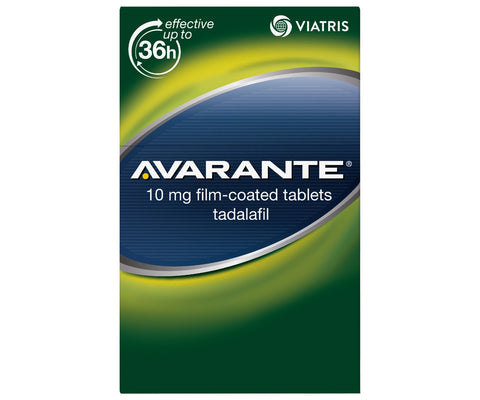
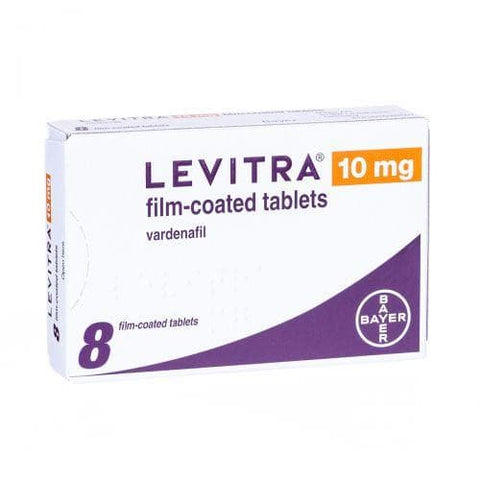
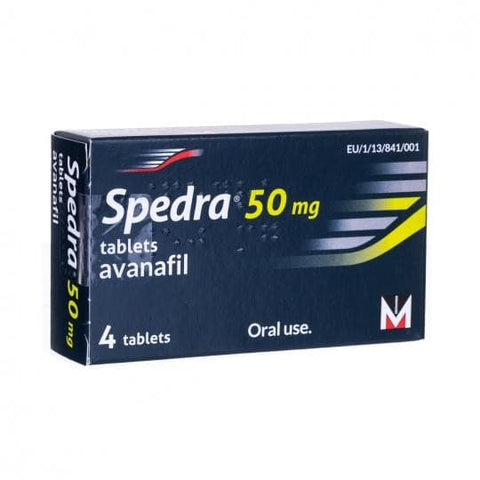
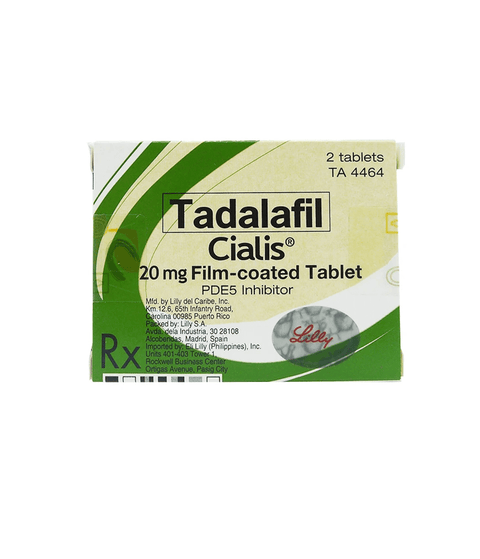
Tadalafil (the active ingredient in Cialis) is a longer-acting option that can be taken on-demand (at least 30 minutes before sex, with effects lasting up to 36 hours) or as a low daily dose (2.5 mg or 5 mg) [4]. Because tadalafil is taken at a lower dose when used daily, some men experience fewer side effects. Vardenafil (generic Levitra) and avanafil (Spedra) are other PDE5 inhibitors that may suit you better if sildenafil causes persistent problems [5][6]. Your prescriber can discuss which option is most appropriate based on your medical history, lifestyle, and preferences.
If PDE5 inhibitors are not suitable or effective, other treatments include alprostadil (available as a cream applied to the tip of the penis, or as an injection into the side of the penis), vacuum erection devices, or referral to a specialist for further assessment [2][7]. Lifestyle changes—such as losing weight if needed, exercising regularly, reducing alcohol, stopping smoking, and managing stress—can also improve erectile function and reduce the need for medication [1]. Always discuss any treatment change with your prescriber; do not stop or switch medicines on your own.
When to get urgent help
- Nosebleed that does not stop after 20 minutes of continuous pressure
- Difficulty breathing, coughing up blood, or vomiting blood
- Feeling faint, dizzy, or confused during or after a nosebleed
- Chest pain during or after sexual activity
- Painful erection lasting more than 4 hours, or sudden loss of vision or hearing
Call 999 or go to A&E in an emergency, or contact NHS 111 for urgent advice.
When to Seek Urgent Help for Sildenafil Nosebleed or Other Side Effects
While most nosebleeds are minor and self-limiting, there are certain situations where you should seek urgent medical help. Call 999 or go to A&E immediately if you experience a very heavy nosebleed that does not stop after 20 minutes of continuous pressure, if you have difficulty breathing, if you are coughing up or vomiting blood, or if you feel faint, dizzy, or confused (which may indicate significant blood loss or a dangerous drop in blood pressure).
You should also seek urgent help if you develop chest pain during or after sexual activity, as this may indicate a heart problem. Sildenafil can lower blood pressure, and the combination of physical exertion and the medicine's effects can occasionally unmask underlying heart disease [3]. Other serious side effects that require immediate attention include a painful erection lasting more than four hours (priapism), sudden loss of vision in one or both eyes, or sudden decrease or loss of hearing (sometimes with ringing in the ears or dizziness) [3].
If you experience any severe allergic reaction—such as swelling of the face, lips, tongue, or throat, difficulty breathing, or a severe skin rash—call 999 straight away. These symptoms are rare but can be life-threatening. For less urgent concerns (such as persistent mild side effects, questions about your treatment, or whether to continue taking sildenafil), contact your GP, pharmacist, or the prescribing service for advice. At Cured Pharmacy, our team is available to answer questions and review your treatment if your circumstances change.
Reporting Side Effects
If you experience any side effect that bothers you or does not go away, you can report it via the Yellow Card Scheme at https://yellowcard.mhra.gov.uk or by searching for 'Yellow Card' in the Google Play or Apple App Store. Reporting helps the Medicines and Healthcare products Regulatory Agency (MHRA) monitor the safety of medicines and protect public health. You can also discuss the side effect with your pharmacist or GP, who can report it on your behalf and help you decide on the best course of action.
Quick First Aid for Nosebleeds
Sit down, lean forward, and pinch the soft part of your nose firmly for 10 to 15 minutes without releasing. Apply a cold compress to the bridge of your nose and breathe through your mouth until the bleeding stops.
Scientific References
- NHS. (n.d.). Erectile dysfunction (impotence). NHS website. https://www.nhs.uk/conditions/erection-problems-erectile-dysfunction/ [accessed 15 November 2026]
- National Institute for Health and Care Excellence. (n.d.). Erectile dysfunction. Clinical Knowledge Summaries. https://cks.nice.org.uk/topics/erectile-dysfunction/ [accessed 15 November 2026]
- Joint Formulary Committee. (n.d.). Sildenafil. British National Formulary. NICE. https://bnf.nice.org.uk/drugs/sildenafil/ [accessed 15 November 2026]
- Joint Formulary Committee. (n.d.). Tadalafil. British National Formulary. NICE. https://bnf.nice.org.uk/drugs/tadalafil/ [accessed 15 November 2026]
- Joint Formulary Committee. (n.d.). Vardenafil. British National Formulary. NICE. https://bnf.nice.org.uk/drugs/vardenafil/ [accessed 15 November 2026]
- Joint Formulary Committee. (n.d.). Avanafil. British National Formulary. NICE. https://bnf.nice.org.uk/drugs/avanafil/ [accessed 15 November 2026]
- Joint Formulary Committee. (n.d.). Alprostadil. British National Formulary. NICE. https://bnf.nice.org.uk/drugs/alprostadil/ [accessed 15 November 2026]
Information on this page is for educational purposes only and is not medical advice. Prescription treatments require clinical assessment by a UK-registered prescriber. Always consult a qualified healthcare professional before starting or changing any medication.
ED Treatments We Offer
Pricing Disclaimer: Prices on some pages may not be up to date — the live pricing table below and pricing shown during consultation are official current prices and take precedence over any other figures on the site.
Not sure which one? Start a free consultation →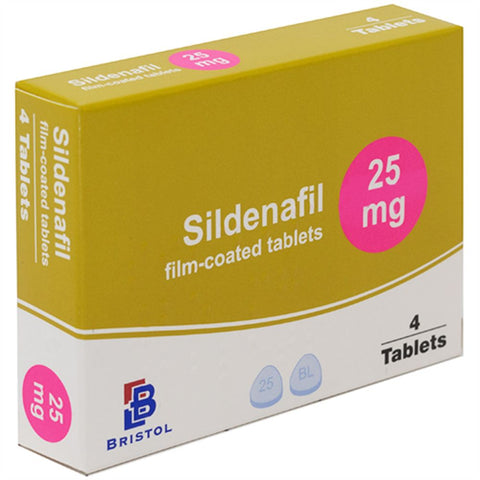
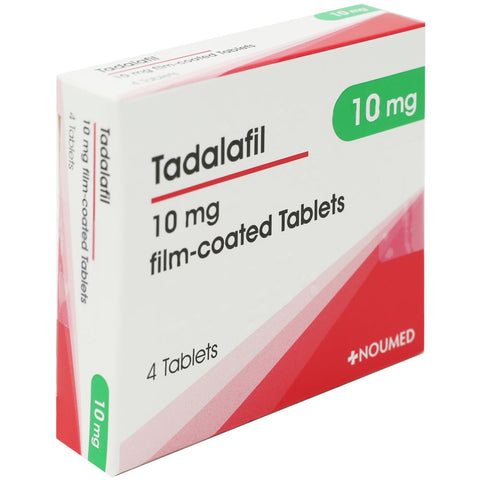
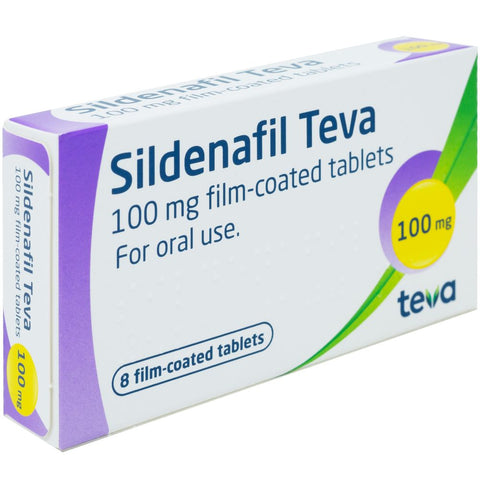
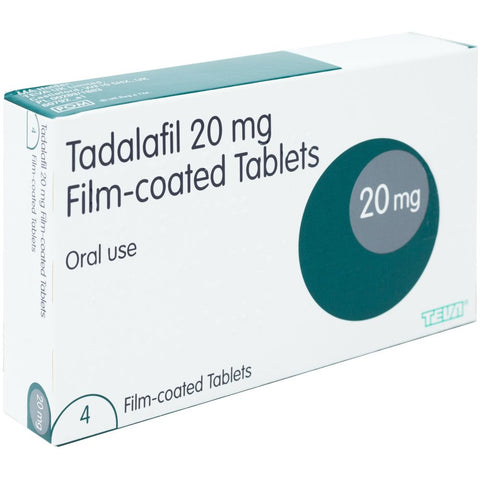
Get Discreet ED Treatment Online
- Reviewed by UK-based prescribers
- Takes under 3 minutes
- Discreet Packaging
Your Questions Answered
Can sildenafil cause nosebleeds?
Yes, sildenafil can occasionally cause nosebleeds, though this is uncommon. The medicine widens blood vessels, including those in the nose, which can make the nasal lining more fragile and prone to minor bleeding.
How do I stop a nosebleed caused by sildenafil?
Sit down, lean forward, and pinch the soft part of your nose firmly for 10 to 15 minutes. Apply a cold compress to the bridge of your nose and avoid blowing your nose or bending down for a few hours afterwards.
Is nasal congestion the same as a nosebleed?
No. Nasal congestion (a blocked or stuffy nose) is a common side effect of sildenafil, affecting up to 1 in 10 men, but it is not the same as active bleeding. You may notice minor blood-streaked mucus when you blow your nose, but this is usually harmless.
Should I stop taking sildenafil if I get a nosebleed?
Not necessarily. A single minor nosebleed does not mean you must stop sildenafil. However, if nosebleeds happen repeatedly or are heavy, contact your GP or pharmacist to discuss whether a lower dose or a different ED medicine would be better for you.
Can I take sildenafil if I am on blood thinners?
Possibly, but you must declare all medicines during your consultation. Sildenafil does not thin the blood itself, but if you take anticoagulants or antiplatelet drugs, any nosebleed may last a little longer. Your prescriber will review your full medication list and decide if sildenafil is safe for you.
Which ED medicine causes the fewest nosebleeds?
All PDE5 inhibitors can cause nasal congestion and, rarely, nosebleeds. Some men find avanafil (Spedra) or daily low-dose tadalafil better tolerated. Your prescriber can help you choose the most suitable option based on your experience and medical history.
When should I seek urgent help for a nosebleed?
Call 999 or go to A&E if bleeding does not stop after 20 minutes of continuous pressure, if you have difficulty breathing, if you are coughing up or vomiting blood, or if you feel faint or dizzy.
Can I prevent nosebleeds when taking sildenafil?
Keep the air in your home humidified, use a saline nasal spray to keep your nasal lining moist, avoid picking or rubbing your nose, and blow your nose gently. If you smoke, stopping can reduce irritation and improve blood vessel health.

Medically reviewed by
Tarun Kumar, Superintendent Pharmacist (GPhC 2233073)