

Sildenafil Eyesight Problems: How Common & What to Do
Learn why vision changes happen, how long they last, and when to seek help from UK pharmacists.
Takes less than 2 minutes to complete 100% online

Trusted by thousands
Real people, real results
“Fabulous service and quick delivery”
“Felt the effects of these after about 5 days. Erections are better and can get aroused and ready easier”
“Excellent value and brilliant customer service”
“I received excellent service and everything went well. The order arrived quickly and in perfect condition. It's working very well! Thank you to the whole team for the great work!”
“Delivery was good, the product lived up to expectations.”
How it Works?


Sildenafil Eyesight Problems: What You Need to Know
Published: 15 November 2026
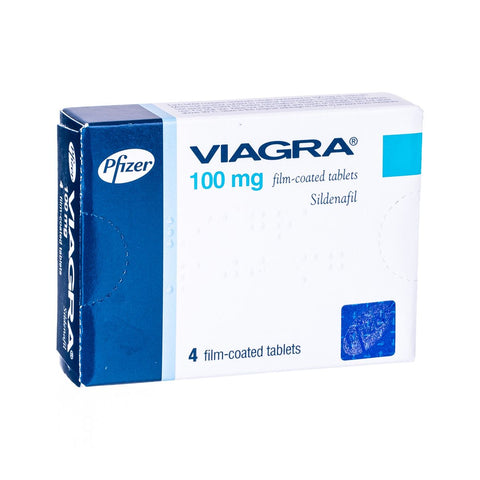
Sildenafil eyesight problems are a known side effect of this erectile dysfunction medicine, but they're usually mild and temporary. Most men who take sildenafil (the active ingredient in Viagra) experience no vision changes at all, and when they do occur, symptoms such as a blue tinge to vision, increased light sensitivity, or blurred vision typically resolve within a few hours as the medicine leaves your system [3].
Avoid Driving If Affected
If you notice any blurred vision, blue tinge, or light sensitivity after taking sildenafil, do not drive or operate machinery until your vision has completely returned to normal. This usually takes a few hours.
How Common Are Sildenafil Eyesight Problems?
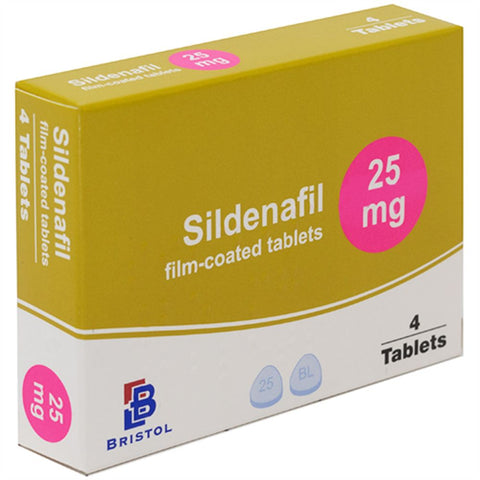
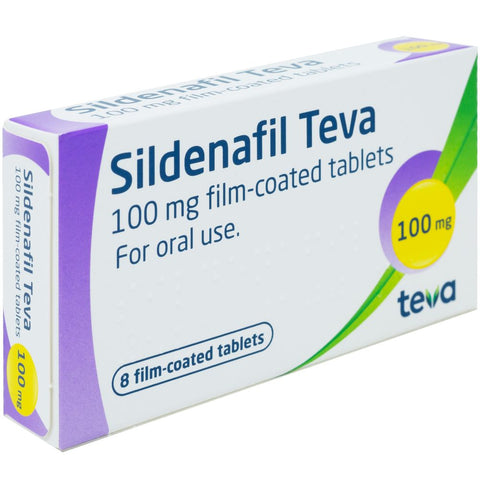
Visual disturbances with sildenafil are uncommon. Clinical trials show that fewer than 1 in 100 men taking the standard dose experience any vision-related side effects [3]. The most frequently reported changes include a mild blue or green tinge to vision, increased sensitivity to light (photophobia), or slightly blurred vision. These effects are dose-related, meaning they're more likely to occur at higher doses such as 100mg compared to 25mg or 50mg.
The vast majority of men who notice any visual changes find them mild and not troublesome enough to stop treatment. Serious vision problems with sildenafil are extremely rare. However, a very small number of cases of sudden vision loss (non-arteritic anterior ischaemic optic neuropathy, or NAION) have been reported in men taking PDE5 inhibitors, though a direct causal link has not been definitively established [3]. Men with certain pre-existing eye conditions or cardiovascular risk factors may be at slightly higher risk.
Who Is More Likely to Experience Vision Changes?
You may be more likely to notice eyesight changes if you take a higher dose of sildenafil, have pre-existing eye conditions (such as retinitis pigmentosa or other inherited retinal disorders), or have cardiovascular risk factors including diabetes, high blood pressure, high cholesterol, or a history of smoking [3]. Age over 50 and a history of heart disease are also associated with a slightly increased risk. If you've ever experienced sudden vision loss in one eye (NAION), sildenafil is not suitable for you, as there may be an increased risk of it happening again [3]. Always disclose your full medical history during your online consultation so the prescriber can assess whether sildenafil is safe and appropriate for you.
Why Does Sildenafil Cause Eyesight Problems?
Sildenafil works by blocking an enzyme called phosphodiesterase type 5 (PDE5), which increases blood flow to the penis and helps achieve an erection. However, sildenafil can also mildly inhibit a related enzyme, phosphodiesterase type 6 (PDE6), which is found in the light-sensitive cells (photoreceptors) of the retina at the back of your eye [3]. This cross-reactivity with PDE6 is thought to be responsible for the temporary visual disturbances some men experience, particularly the blue-green colour tinge and light sensitivity.
The effect on PDE6 is much weaker than the effect on PDE5, which is why vision changes are uncommon and usually mild. The blue tinge occurs because PDE6 plays a role in how your retina processes different wavelengths of light. When sildenafil temporarily affects this enzyme, it can alter colour perception slightly. Importantly, these changes are reversible and resolve as the medicine is metabolised and cleared from your body, typically within a few hours [3].
When to get urgent help
- Sudden loss of vision in one or both eyes, even if painless—go to A&E or call 999 immediately.
- Severe eye pain or vision changes that don't resolve within a few hours—seek same-day medical advice.
- Sudden onset of floaters, flashes of light, or a curtain-like shadow over your vision—attend A&E urgently.
- Severe headache alongside vision changes—seek same-day GP or A&E assessment.
- Any vision problem that worsens or is accompanied by chest pain—call 999 immediately.
Call 999 or go to A&E in an emergency, or contact NHS 111 for urgent advice.
How Long Do Sildenafil Vision Side Effects Last?
Most sildenafil-related eyesight problems are short-lived and resolve on their own within a few hours. Sildenafil has a half-life of about 3 to 5 hours, meaning half the dose is cleared from your bloodstream in that time, and visual side effects typically fade as the drug level drops [3]. For the majority of men, any blue tinge, light sensitivity, or blurred vision will have disappeared completely by the time the medicine's effects on erection have also worn off, usually within 4 to 6 hours of taking the tablet.
If you notice mild visual changes that resolve quickly and don't interfere with your daily activities, this is generally not a cause for concern. However, if vision changes persist beyond a few hours, worsen, or are accompanied by eye pain or headache, you should seek medical advice. Sudden, severe, or persistent vision loss is a medical emergency and requires immediate attention, as it may indicate a rare but serious condition such as NAION [3].
What If Vision Changes Happen Every Time?
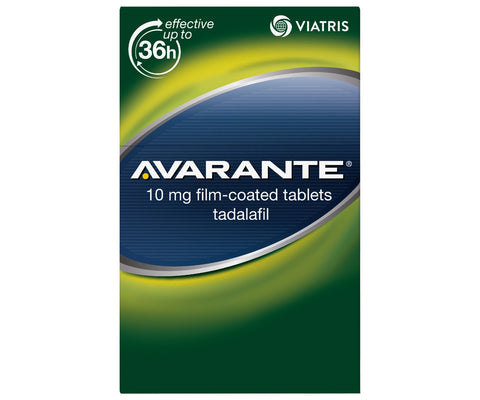
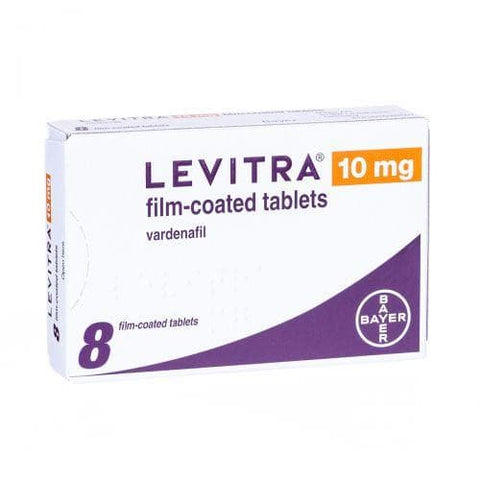
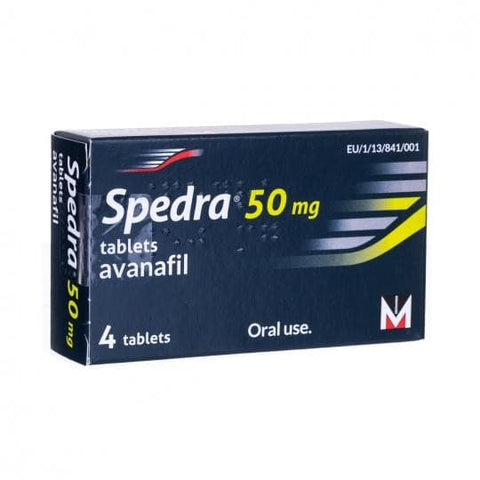
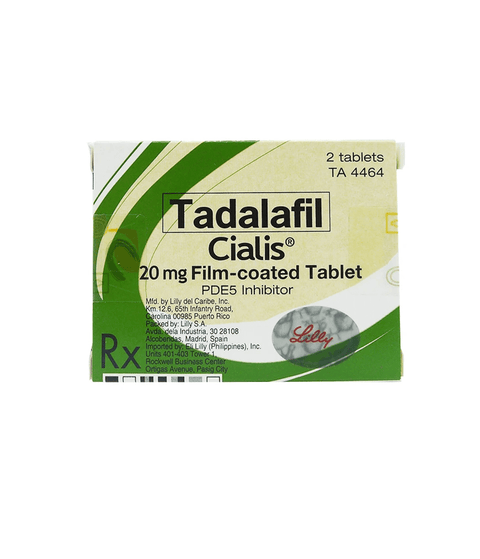
If you consistently experience bothersome vision changes every time you take sildenafil, speak to your prescriber. They may suggest reducing your dose to see if a lower strength (such as 25mg instead of 50mg or 100mg) reduces or eliminates the side effect while still providing benefit for your erectile dysfunction. Alternatively, switching to a different PDE5 inhibitor such as tadalafil, vardenafil, or avanafil may be an option, as these medicines have slightly different profiles and some men tolerate one better than another [3][4][5][6]. Your prescriber will review your medical history and help you find the most suitable treatment.
Self-Care Tips for Managing Sildenafil Eyesight Problems
If you experience mild, temporary vision changes after taking sildenafil, there are a few simple steps you can take to manage them. Avoid driving or operating machinery if your vision is noticeably affected, and wait until any blurriness or colour changes have completely resolved before doing tasks that require clear sight. Dim lighting or wearing sunglasses indoors can help if you're experiencing light sensitivity. Rest your eyes and avoid screens if you feel any strain.
Stay well hydrated and avoid alcohol, as heavy drinking can worsen side effects and make it harder to judge whether symptoms are improving. If the visual disturbance is mild and resolves within a few hours, you can continue using sildenafil as prescribed. However, if the side effect is troublesome or makes you anxious, don't simply stop treatment without advice—contact your prescriber to discuss dose adjustment or an alternative medicine. Never take more than the prescribed dose in an attempt to overcome side effects, as this will only increase the risk of further problems [3].
At a glance
When to Seek Urgent Help for Sildenafil Vision Changes
While most sildenafil eyesight problems are mild and temporary, certain symptoms require immediate medical attention. Sudden loss of vision in one or both eyes, even if painless, is a medical emergency. This could be a sign of NAION, a rare condition where blood flow to the optic nerve is reduced [3]. If this happens, stop taking sildenafil immediately and go to A&E or call 999. Do not wait to see if it improves on its own.
You should also seek urgent help if you experience severe eye pain, a sudden onset of floaters or flashes of light, or any vision change that doesn't resolve within a few hours. If you have a sudden, severe headache alongside vision changes, this could indicate a more serious problem and warrants same-day medical assessment. Always err on the side of caution—your eyesight is precious, and prompt evaluation can make a significant difference to outcomes [3].
What Will Happen at A&E or the GP?
If you attend A&E or see your GP urgently with sudden vision loss or severe visual symptoms, the doctor will take a detailed history, including when you took sildenafil and exactly what you noticed. They will examine your eyes, check your visual acuity, and may look at the back of your eye (fundoscopy) to assess the optic nerve and retina. Depending on their findings, you may be referred to an ophthalmologist (eye specialist) for further tests and management. If NAION is suspected, treatment focuses on managing risk factors and monitoring the other eye, as there is currently no proven cure for the condition itself. Your doctor will also review whether it's safe for you to continue using any PDE5 inhibitor in the future [3].
Alternatives to Sildenafil If Eyesight Problems Persist
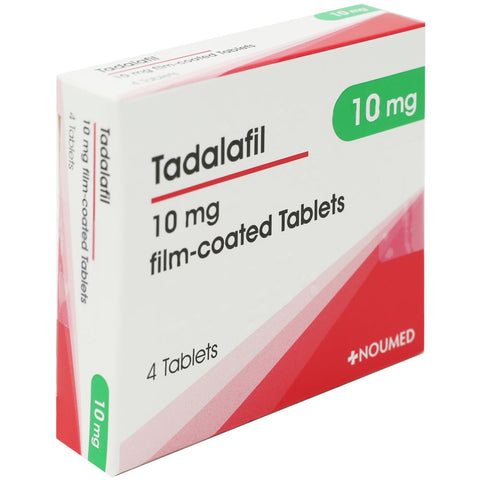
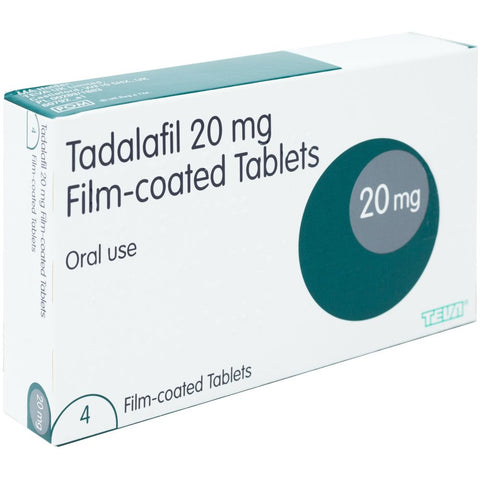
If you find that sildenafil consistently causes troublesome vision changes even at a lower dose, there are several alternative treatments for erectile dysfunction available. Other PDE5 inhibitors—tadalafil, vardenafil, and avanafil—work in a similar way to sildenafil but have slightly different chemical structures and may be better tolerated [4][5][6]. Tadalafil, for example, has a much longer duration of action (up to 36 hours) and can be taken daily at a low dose, which some men prefer. Avanafil is the newest PDE5 inhibitor and is reported to have a lower incidence of visual side effects in some studies [6][11].
If PDE5 inhibitors are not suitable or effective for you, non-tablet options include Eroxon gel (a topical medical device applied to the head of the penis), Vitaros cream (alprostadil applied inside the urethra), or Caverject injections (alprostadil injected into the side of the penis) [7]. These work by different mechanisms and do not carry the same risk of visual disturbances. Your prescriber will discuss your preferences, lifestyle, and medical history to recommend the most appropriate alternative. Remember, erectile dysfunction can be an early warning sign of cardiovascular disease or diabetes, so it's always worth seeing your GP for a full health check if you haven't already done so [1][2].
In summary
- Sildenafil eyesight problems are uncommon, affecting fewer than 1 in 100 men, and usually mild and temporary.
- A blue tinge to vision or light sensitivity typically resolves within 3 to 6 hours as the medicine leaves your system.
- Sudden vision loss is a medical emergency—stop sildenafil immediately and go to A&E or call 999.
- Lowering your dose or switching to tadalafil, vardenafil, or avanafil may reduce or eliminate vision side effects.
- Non-tablet options like Eroxon gel or alprostadil do not carry the same risk of visual disturbances.
Scientific References
- Joint Formulary Committee. (n.d.). Sildenafil. British National Formulary. NICE. https://bnf.nice.org.uk/drugs/sildenafil/ [accessed 15 November 2026]
- Joint Formulary Committee. (n.d.). Tadalafil. British National Formulary. NICE. https://bnf.nice.org.uk/drugs/tadalafil/ [accessed 15 November 2026]
- Joint Formulary Committee. (n.d.). Vardenafil. British National Formulary. NICE. https://bnf.nice.org.uk/drugs/vardenafil/ [accessed 15 November 2026]
- Joint Formulary Committee. (n.d.). Avanafil. British National Formulary. NICE. https://bnf.nice.org.uk/drugs/avanafil/ [accessed 15 November 2026]
- Joint Formulary Committee. (n.d.). Alprostadil. British National Formulary. NICE. https://bnf.nice.org.uk/drugs/alprostadil/ [accessed 15 November 2026]
- NHS. (n.d.). Erectile dysfunction (impotence). NHS website. https://www.nhs.uk/conditions/erection-problems-erectile-dysfunction/ [accessed 15 November 2026]
- National Institute for Health and Care Excellence. (n.d.). Erectile dysfunction. Clinical Knowledge Summaries. https://cks.nice.org.uk/topics/erectile-dysfunction/ [accessed 15 November 2026]
- National Institute for Health and Care Excellence. (2014). Erectile dysfunction: avanafil (ESNM45). https://www.nice.org.uk/advice/esnm45 [accessed 15 November 2026]
Information on this page is for educational purposes only and is not medical advice. Prescription treatments require clinical assessment by a UK-registered prescriber. Always consult a qualified healthcare professional before starting or changing any medication.
Our ED Treatments
Pricing Disclaimer: Prices on some pages may not be up to date — the live pricing table below and pricing shown during consultation are official current prices and take precedence over any other figures on the site.
Start Your Assessment For Erectile Dysfunction
Reviewed by UK-based prescribers · Takes under 3 minutes · Discreet Packaging
Faq

Medically reviewed by
Tarun Kumar, Superintendent Pharmacist (GPhC 2233073)