

Sildenafil Before Surgery: When to Stop & Restart
Learn safe timing and anaesthetic interactions, with expert guidance from UK pharmacists and prescribers.
Takes less than 2 minutes to complete 100% online

Trusted by thousands
Real people, real results
“Fabulous service and quick delivery”
“Felt the effects of these after about 5 days. Erections are better and can get aroused and ready easier”
“Excellent value and brilliant customer service”
“I received excellent service and everything went well. The order arrived quickly and in perfect condition. It's working very well! Thank you to the whole team for the great work!”
“Delivery was good, the product lived up to expectations.”
How it Works?


Sildenafil Before Surgery: Safe Use and Timing Guidance
Published: 7 November 2026
If you're taking sildenafil before surgery, it's essential to inform your surgeon and anaesthetist, as the medication can interact with certain drugs used during operations and may affect blood pressure during anaesthesia. Most anaesthetists advise stopping sildenafil at least 24 hours before elective surgery, though the exact timing depends on the type of procedure and your individual health. This page explains how sildenafil and other erectile dysfunction treatments interact with anaesthesia, when to stop taking them, and how to restart safely after your operation.
Key takeaways
- Stop sildenafil at least 24 hours before elective surgery to avoid dangerous interactions with anaesthetic drugs.
- Always declare sildenafil and all ED medications at your pre-operative assessment, even if you use them occasionally.
- Tadalafil lasts longer than sildenafil, so stop it 48–72 hours before surgery.
- Do not restart sildenafil after surgery until your surgical team confirms it is safe and you are not taking nitrates.
- If you accidentally take sildenafil close to your operation, contact your surgical team immediately.
Why sildenafil before surgery matters to your surgical team
Sildenafil is a phosphodiesterase type 5 (PDE5) inhibitor that relaxes blood vessels to improve blood flow, which is why it helps with erectile dysfunction [3]. During surgery, anaesthetists carefully control your blood pressure and may use medications that can interact dangerously with sildenafil. The most critical concern is that sildenafil must never be combined with nitrate medications (such as GTN spray or isosorbide mononitrate), which are sometimes used to manage blood pressure or chest pain during or after surgery [3].
If you have sildenafil in your system and require emergency nitrate treatment, the combination can cause a sudden, severe drop in blood pressure that may be life-threatening. This is why every member of your surgical team—surgeon, anaesthetist, and nursing staff—must know you take sildenafil or any other ED medication. Even if you only use it occasionally, declare it on your pre-operative assessment form and mention it again on the day of surgery.
Sildenafil also has mild blood-pressure-lowering effects on its own, which can add to the effects of anaesthetic drugs and other medications given during surgery [3]. While this interaction is usually manageable, your anaesthetist needs to know so they can adjust doses and monitor you appropriately throughout the procedure.
How long before surgery should you stop taking sildenafil?
For planned (elective) surgery, most anaesthetists recommend stopping sildenafil at least 24 hours before your operation [3]. Sildenafil has a half-life of about 3 to 5 hours, meaning it takes roughly 15 to 25 hours for the drug to be mostly eliminated from your body. A 24-hour gap ensures that sildenafil levels are low enough to minimise the risk of interactions with anaesthetic drugs and allows safe use of nitrates if needed during or after surgery.
If you take sildenafil regularly or have taken a dose within 24 hours of an emergency operation, inform the anaesthetist immediately. They will avoid nitrate medications and monitor your blood pressure closely. For major surgery, some anaesthetists may ask you to stop sildenafil 48 hours beforehand, particularly if you have heart disease, take other blood-pressure medications, or are having cardiovascular or thoracic surgery. Always follow the specific advice given by your surgical team, as recommendations can vary depending on the type of anaesthesia, the complexity of the procedure, and your overall health.
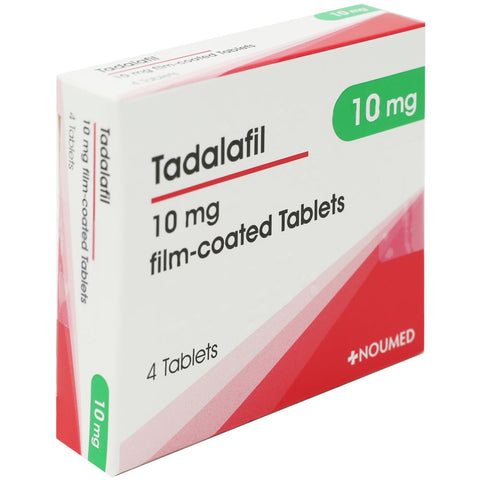
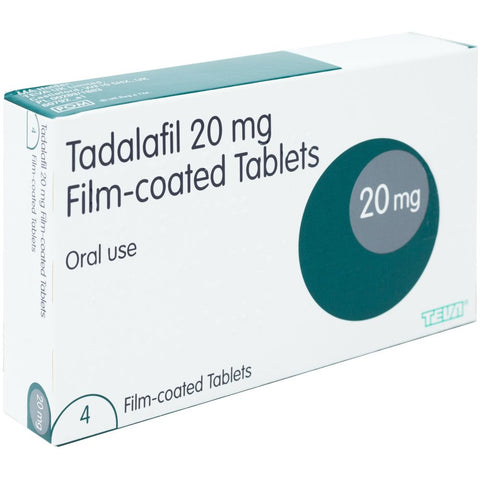
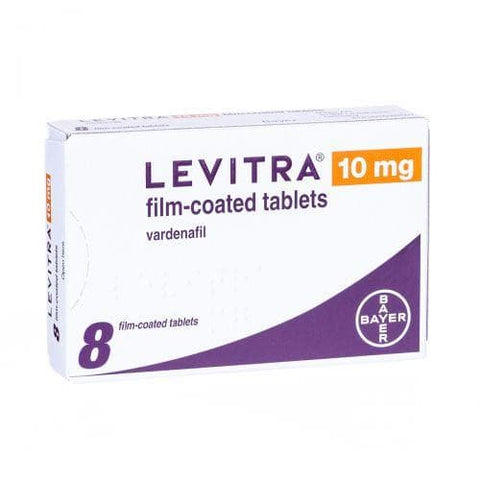
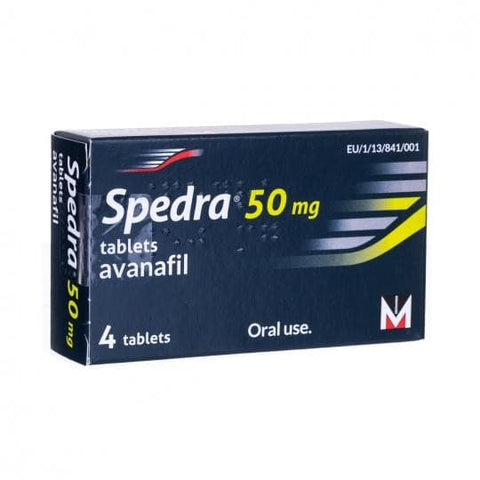
Other PDE5 inhibitors have different durations of action. Tadalafil (Cialis) can remain active for up to 36 hours, so you may be asked to stop it 48 to 72 hours before surgery [4]. Vardenafil (Levitra) and avanafil (Spedra) have shorter half-lives similar to sildenafil, but always confirm the exact timing with your anaesthetist [5][6].
What if you forget and take sildenafil close to surgery?
If you accidentally take sildenafil within 24 hours of your scheduled operation, contact your surgical team or pre-assessment clinic immediately. In many cases, elective surgery will be postponed to allow the medication to clear your system safely. Do not simply turn up on the day hoping it will be fine—anaesthetists need to plan around this information, and proceeding with sildenafil still active can put you at risk if emergency treatment with nitrates becomes necessary. For emergency surgery, the anaesthetist will be informed and will adjust their approach, avoiding nitrates and monitoring you closely, but this is not ideal and increases risk.
At a glance
Sildenafil before surgery: interactions with anaesthetic drugs
The primary concern with sildenafil before surgery is its absolute contraindication with nitrate medications, which are sometimes used to manage angina, heart failure, or blood pressure problems during or after an operation [3]. The combination can cause a catastrophic drop in blood pressure. Nicorandil, another heart medication, carries the same risk and must also be avoided if you have taken sildenafil recently [3].
Sildenafil can also add to the blood-pressure-lowering effects of general anaesthetics, sedatives, and other drugs used during surgery. While this interaction is usually mild and manageable, it means your anaesthetist may need to adjust doses, give intravenous fluids, or use medications to support your blood pressure. If you take alpha-blockers (such as tamsulosin or doxazosin) for prostate symptoms, the combined effect on blood pressure is more pronounced, and your anaesthetist will need to know about both medications [3].
Some antibiotics and antifungal drugs used around surgery (such as clarithromycin or ketoconazole) can increase sildenafil levels in your blood, prolonging its effects [3]. If you are on these medications, your surgical team may recommend stopping sildenafil earlier. Always provide a complete list of all your medicines—prescription, over-the-counter, and herbal—at your pre-operative assessment.
Regional anaesthesia and sildenafil
If you are having regional anaesthesia (such as a spinal or epidural block) rather than general anaesthesia, the same precautions apply. Regional anaesthetics can also lower blood pressure, and the combination with sildenafil may increase the risk of dizziness or fainting. Inform your anaesthetist even if you are not having a general anaesthetic, and follow their advice on when to stop sildenafil before the procedure.
When can you restart sildenafil after surgery?
After surgery, you should not restart sildenafil until your surgical team confirms it is safe to do so. The timing depends on the type of operation, your recovery, and whether you are taking any new medications. For minor day-case surgery with no complications, you may be able to resume sildenafil 24 to 48 hours after the procedure, once you are no longer taking strong painkillers or other medications that might interact [3].
For major surgery, particularly cardiovascular, thoracic, or abdominal operations, you may need to wait longer—sometimes several weeks—until your blood pressure is stable, wounds are healing well, and you are off medications that could interact with sildenafil. If you have been prescribed nitrates or nicorandil after surgery (for example, for angina or heart failure), you must not take sildenafil at all while using these medications [3]. Speak to your GP or surgeon before restarting.
Sexual activity itself can be strenuous, particularly for your heart and blood pressure. After major surgery, your surgeon or cardiologist will advise when it is safe to resume sexual activity. Do not restart sildenafil or attempt intercourse until you have medical clearance, especially after heart surgery, major abdominal surgery, or if you experienced complications. If you develop chest pain, dizziness, or shortness of breath when you do resume activity, stop and seek medical advice immediately [1].
Tell your anaesthetist every time
Even if you only use sildenafil occasionally, declare it at every pre-operative assessment and on the day of surgery. Anaesthetists need this information to keep you safe, especially if emergency nitrate treatment becomes necessary during or after your operation.
Managing erectile dysfunction medication around planned operations
If you have elective surgery scheduled, your GP or surgical team will usually send you a pre-operative assessment questionnaire or invite you to a pre-assessment clinic. This is your opportunity to declare all medications, including erectile dysfunction treatments. Be honest and specific: state the name of the medication (sildenafil, tadalafil, vardenafil, avanafil, or branded Viagra, Cialis, Levitra, Spedra), the dose, and how often you take it [2].
If you use sildenafil occasionally (for example, once or twice a week), make sure the surgical team knows this. Even infrequent use matters if you happen to take a dose close to your operation date. If you take daily tadalafil (2.5 mg or 5 mg), this needs to be stopped well in advance—usually 48 to 72 hours—because of its long duration of action [4]. Your pre-assessment nurse or anaesthetist will give you clear written instructions on when to stop.
If you use other ED treatments such as alprostadil cream (Vitaros) or alprostadil injections (Caverject), inform your surgical team as well, though these are less likely to interact with anaesthesia because they act locally rather than systemically [7]. However, any medication that affects blood flow or blood pressure should be declared. Do not stop any prescribed medication without discussing it with your GP or surgical team first.
What to do if surgery is cancelled or postponed
If your operation is delayed or cancelled, ask your surgical team when it is safe to restart sildenafil. If the new surgery date is more than a week away, you can usually resume your normal ED medication in the meantime, but stop again at the appropriate interval before the rescheduled procedure. Keep a note of when you last took sildenafil so you can inform the team accurately on the day.
Sildenafil before surgery: practical steps and safety checklist
To ensure your safety around surgery, follow this checklist. First, declare sildenafil and all other medications at your pre-operative assessment, even if you only use them occasionally. Second, ask your anaesthetist or surgeon exactly when to stop sildenafil before your operation—usually 24 hours, but confirm the timing for your specific procedure. Third, do not take sildenafil on the morning of surgery, even if you normally take medication with a sip of water; check with your team which medicines you should take and which you should skip.
Fourth, if you accidentally take sildenafil close to your surgery date, contact your surgical team immediately rather than hoping it will be overlooked. Fifth, after surgery, do not restart sildenafil until your surgical team or GP confirms it is safe, and ensure you are not taking nitrates or nicorandil. Sixth, if you experience chest pain, severe dizziness, or an erection lasting more than four hours after restarting sildenafil post-operatively, seek urgent medical help [1][3].
Remember that erectile dysfunction can be an early warning sign of cardiovascular disease, so if you have not seen your GP about your ED, use the period around surgery as an opportunity to discuss it [1][2]. Your GP can review your overall heart health, check for diabetes or high cholesterol, and ensure that ED treatment is safe and appropriate for you long-term. At Cured Pharmacy, our UK-registered prescribers conduct a thorough online consultation before supplying any ED medication, checking your medical history, current medicines, and suitability for treatment. All ED treatments require a prescription following clinical assessment.
Alternatives if you cannot take sildenafil around surgery
If your surgery is postponed repeatedly or you have a long recovery period during which sildenafil is not advisable, speak to your GP about alternative ED treatments. Options such as vacuum erection devices or pelvic floor exercises do not involve medication and can be used safely around surgery. Once you are fully recovered and cleared by your surgical team, you can restart oral ED medication or explore other prescription options such as tadalafil, vardenafil, or avanafil, depending on what suits your lifestyle and health [2].
When to get urgent help
- Chest pain during or after sex following surgery—call 999 immediately; do not take GTN spray if you have used sildenafil recently.
- Erection lasting more than 4 hours (priapism) after restarting sildenafil post-operatively—go to A&E immediately.
- Sudden severe dizziness, fainting, or very low blood pressure after taking sildenafil around surgery—seek urgent medical help.
- Sudden loss of vision or hearing after using sildenafil—stop the medication and go to A&E.
- Severe allergic reaction (swelling of face, lips, tongue, difficulty breathing) after taking sildenafil—call 999.
Call 999 or go to A&E in an emergency, or contact NHS 111 for urgent advice.
Scientific References
- NHS. (n.d.). Erectile dysfunction (impotence). NHS website. https://www.nhs.uk/conditions/erection-problems-erectile-dysfunction/ [accessed 7 November 2026]
- National Institute for Health and Care Excellence. (n.d.). Erectile dysfunction. Clinical Knowledge Summaries. https://cks.nice.org.uk/topics/erectile-dysfunction/ [accessed 7 November 2026]
- Joint Formulary Committee. (n.d.). Sildenafil. British National Formulary. NICE. https://bnf.nice.org.uk/drugs/sildenafil/ [accessed 7 November 2026]
- Joint Formulary Committee. (n.d.). Tadalafil. British National Formulary. NICE. https://bnf.nice.org.uk/drugs/tadalafil/ [accessed 7 November 2026]
- Joint Formulary Committee. (n.d.). Vardenafil. British National Formulary. NICE. https://bnf.nice.org.uk/drugs/vardenafil/ [accessed 7 November 2026]
- Joint Formulary Committee. (n.d.). Avanafil. British National Formulary. NICE. https://bnf.nice.org.uk/drugs/avanafil/ [accessed 7 November 2026]
- Joint Formulary Committee. (n.d.). Alprostadil. British National Formulary. NICE. https://bnf.nice.org.uk/drugs/alprostadil/ [accessed 7 November 2026]
Information on this page is for educational purposes only and is not medical advice. Prescription treatments require clinical assessment by a UK-registered prescriber. Always consult a qualified healthcare professional before starting or changing any medication.
Our ED Treatments
Pricing Disclaimer: Prices on some pages may not be up to date — the live pricing table below and pricing shown during consultation are official current prices and take precedence over any other figures on the site.
Not sure which one? Start a free consultation →



Start Your Assessment For Erectile Dysfunction
- Reviewed by UK-based prescribers
- Takes under 3 minutes
- Discreet Packaging
Faq
Can't find your answer? Our UK pharmacists review every consultation and can help.
Is it safe to take sildenafil the night before surgery?
No—you should stop sildenafil at least 24 hours before surgery to allow it to clear your system and avoid interactions with anaesthetic drugs or nitrates.
Will my surgery be cancelled if I took sildenafil yesterday?
Possibly, especially for elective surgery; contact your surgical team immediately if you took sildenafil within 24 hours of your operation, as they may need to reschedule.
Can sildenafil interact with general anaesthesia?
Yes—sildenafil can add to the blood-pressure-lowering effects of anaesthetic drugs and is dangerous if combined with nitrates, which may be used during surgery.
Do I need to stop sildenafil before dental surgery?
For minor dental procedures under local anaesthetic, sildenafil is usually safe, but inform your dentist; for dental surgery under general anaesthesia or sedation, follow the same 24-hour rule.
How long does sildenafil stay in your system?
Sildenafil has a half-life of 3–5 hours and is mostly eliminated within 15–25 hours, which is why a 24-hour gap before surgery is recommended.
Can I take Viagra before a colonoscopy or endoscopy?
Stop sildenafil at least 24 hours before any procedure requiring sedation or anaesthesia, including colonoscopy or endoscopy; inform the endoscopy team of all your medications.
What should I do if I forget to tell the anaesthetist about sildenafil?
Inform a member of the surgical or anaesthetic team immediately, even on the day of surgery; it is never too late to declare a medication.
Can I restart sildenafil if I am still taking painkillers after surgery?
Most painkillers do not interact significantly with sildenafil, but check with your GP or surgical team, especially if you are on strong opioids or other blood-pressure medications.

Medically reviewed by
Tarun Kumar, Superintendent Pharmacist (GPhC 2233073)