

Sildenafil 25mg vs 100mg: Which Dose Suits You?
Compare doses, side effects, and suitability with expert guidance from UK pharmacists.
Takes less than 2 minutes to complete 100% online

Trusted by thousands
Real people, real results
“Fabulous service and quick delivery”
“Felt the effects of these after about 5 days. Erections are better and can get aroused and ready easier”
“Excellent value and brilliant customer service”
“I received excellent service and everything went well. The order arrived quickly and in perfect condition. It's working very well! Thank you to the whole team for the great work!”
“Delivery was good, the product lived up to expectations.”
Get Treatment in 3 Steps
Choose your treatment
Select from our recommended UK-licensed medications.
Answer quick questions
Select safe UK treatments. Quick answers.
Get it delivered fast
We will deliver direct to you as quickly as tomorrow.
Sildenafil 25mg vs 100mg: Which Dose Is Right for You?
Published: 16 November 2026
When comparing sildenafil 25mg vs 100mg, the main differences lie in strength and suitability rather than how the medicine works. Both doses contain the same active ingredient—sildenafil citrate, the generic form of Viagra—and both help men achieve and maintain an erection when sexually aroused. The choice between 25mg and 100mg depends on your response to treatment, any other medicines you take, and your overall health, all of which are assessed during a confidential consultation with a UK prescriber.
Key takeaways
- Sildenafil 25mg and 100mg work the same way; the difference is strength and side-effect risk.
- Most men start at 50mg; 25mg suits those on interacting medicines or with health conditions.
- 100mg is the maximum dose, used only if lower doses haven't provided enough benefit.
- Both doses take about an hour to work and last around four to five hours.
- Your prescriber will tailor the dose to your health, medicines, and response to treatment.
How Sildenafil Works: The Same Mechanism at Every Dose
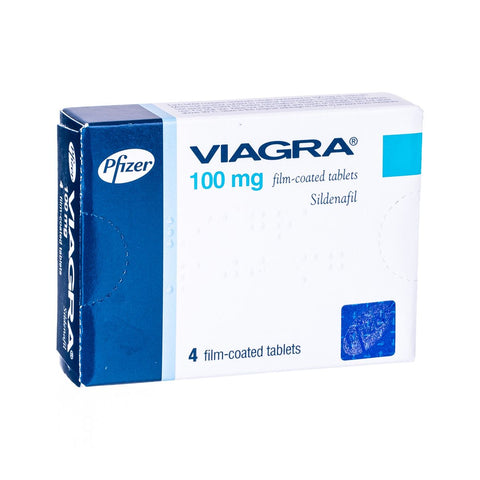
Sildenafil belongs to a class of medicines called PDE5 inhibitors[3]. It works by relaxing the blood vessels in the penis, allowing more blood to flow in when you're sexually stimulated. This increased blood flow makes it easier to get and keep an erection firm enough for sex. Crucially, sildenafil does not cause an erection on its own—you still need to feel aroused for it to work.
Whether you take 25mg or 100mg, the underlying mechanism is identical. The difference is simply the amount of active ingredient in each tablet, which affects how strongly the medicine acts in your body. A lower dose may be enough for some men, while others may need a higher dose to achieve the desired effect. Your prescriber will recommend a starting dose based on your medical history, current medications, and any conditions that might influence how your body processes sildenafil[3].
It's also worth noting that sildenafil is taken on demand, roughly one hour before you plan to have sex, and should not be used more than once in 24 hours[3]. The medicine typically remains active in your system for around four to five hours, though this can vary between individuals.
Sildenafil 25mg: When a Lower Dose May Be Recommended
Sildenafil 25mg is often the recommended starting dose for men who are trying the medicine for the first time, particularly if they are older, have certain health conditions, or take other medications that might interact with sildenafil[3]. A lower dose reduces the risk of side effects while still providing therapeutic benefit for many men.
Your prescriber may suggest starting at 25mg if you have moderate liver or kidney problems, as these organs help clear the medicine from your body. Men taking certain other medications—especially potent CYP3A4 inhibitors such as ritonavir, cobicistat, or ketoconazole—will also need a lower starting dose because these drugs can raise sildenafil levels in the blood[3]. Similarly, if you're on an alpha-blocker for prostate symptoms or high blood pressure, your doctor will want you stable on that medicine first and will start you on the lowest sildenafil dose to minimise the risk of dizziness or a sudden drop in blood pressure.
Some men find that 25mg is perfectly adequate for their needs and experience fewer side effects compared with higher doses. If 25mg works well for you, there's no need to increase the dose. However, if you find the effect insufficient after trying it on several occasions, your prescriber can consider increasing the dose to 50mg or 100mg during a follow-up consultation[3].
Who Might Benefit from Sildenafil 25mg?
Men over 65, those with liver or kidney impairment, anyone taking interacting medicines, or those who are particularly sensitive to medications may all benefit from starting at 25mg. It's also a sensible choice if you're cautious about side effects or simply want to see how your body responds to the lowest available dose before considering an increase.
At a glance
Sildenafil 100mg: The Higher Dose for Greater Effect
Sildenafil 100mg is the maximum licensed dose for erectile dysfunction in the UK[3]. It's typically reserved for men who have tried a lower dose—usually 50mg—and found it didn't provide a strong enough response. The higher dose delivers more of the active ingredient, which can lead to a more pronounced effect, but it also carries a greater chance of side effects.
If you're starting sildenafil for the first time, your prescriber will not usually begin with 100mg unless there's a specific clinical reason to do so. Most men start at 50mg, and the dose is adjusted up or down depending on how well it works and how well it's tolerated[3]. Moving to 100mg is a decision made collaboratively with your prescriber after reviewing your experience on the lower dose.
It's important to understand that taking more than the recommended dose does not make the medicine work better beyond a certain point, and it significantly increases the risk of side effects such as headaches, flushing, indigestion, nasal congestion, and visual disturbances. Never take more than one dose in 24 hours, and never exceed 100mg without explicit advice from your prescriber[3].
Who Might Need Sildenafil 100mg?
Men who have tried 50mg on multiple occasions without sufficient improvement, who have no contraindications, and who tolerate the medicine well may be suitable candidates for 100mg. Your prescriber will assess your overall health, other medications, and response to treatment before recommending this higher dose.
Comparing Sildenafil 25mg vs 100mg: Onset, Duration, and Food Effects
When it comes to how quickly sildenafil starts to work and how long it lasts, the dose makes little practical difference. Both 25mg and 100mg are absorbed at similar rates and should be taken about one hour before sexual activity[3]. Some men notice an effect within 30 minutes, while for others it may take the full hour. The medicine remains active for around four to five hours, giving you a window of opportunity rather than a continuous erection.
Food can affect how well sildenafil is absorbed, regardless of dose. A large, high-fat meal shortly before taking the tablet can delay the onset of action, so it's generally best to take sildenafil on an empty stomach or after a light meal[3]. This advice applies equally to 25mg and 100mg.
The main difference between the two doses is the intensity of effect and the likelihood of side effects. A higher dose may produce a stronger response, but it also increases the chance of experiencing unwanted effects. Neither dose is inherently 'better'—the right choice depends on your individual circumstances and how your body responds to the medicine.
Start Low, Go Slow
If you're new to sildenafil, starting at a lower dose (usually 50mg, sometimes 25mg) helps you see how your body responds with fewer side effects. You can always adjust upwards with your prescriber's guidance if needed.
Side Effects: What to Expect at Different Doses
Common side effects of sildenafil include headache, facial flushing, indigestion, nasal congestion, and dizziness[3]. These effects are usually mild and temporary, but they tend to be more frequent and more noticeable at higher doses. If you experience troublesome side effects on 100mg, your prescriber may suggest dropping to 50mg or 25mg to see if that improves tolerability while still providing benefit.
Less common but more serious side effects include sudden vision or hearing loss, chest pain during sex, and an erection lasting more than four hours (priapism). These require urgent medical attention. Visual disturbances—such as a blue tinge to vision or increased sensitivity to light—can occur because sildenafil has a mild effect on an enzyme in the retina, but this is usually harmless and temporary[3].
It's essential to be honest during your consultation about any other medicines you take, including over-the-counter products and herbal supplements. Sildenafil must never be taken with nitrates (such as GTN spray or isosorbide mononitrate), nicorandil, riociguat, or recreational drugs known as 'poppers', as the combination can cause a dangerous drop in blood pressure[3]. Your prescriber will check for these and other interactions before approving your prescription.
Managing Side Effects
If you experience mild side effects, they often improve as your body adjusts to the medicine. Drinking plenty of water, avoiding alcohol, and taking the tablet on an empty stomach can help. If side effects persist or are bothersome, speak to your prescriber about adjusting your dose or trying a different ED treatment.
Choosing Between Sildenafil 25mg and 100mg: What Your Prescriber Will Consider
Your prescriber will take several factors into account when recommending a starting dose. These include your age, overall health, any underlying conditions (such as heart disease, diabetes, high blood pressure, or liver and kidney problems), and all the medicines you currently take[2][3]. The goal is to find the lowest effective dose that gives you the result you want with the fewest side effects.
If you're new to sildenafil, you'll most likely start at 50mg, which is the standard initial dose for most men[3]. If that proves too strong or causes side effects, your prescriber can reduce it to 25mg. Conversely, if 50mg doesn't provide enough benefit after several attempts, an increase to 100mg may be considered. Dose adjustments are a normal part of finding the right treatment for you.
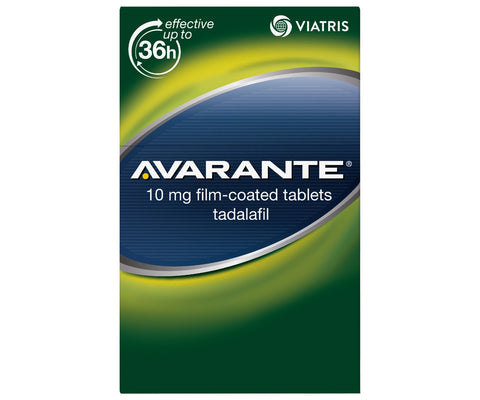
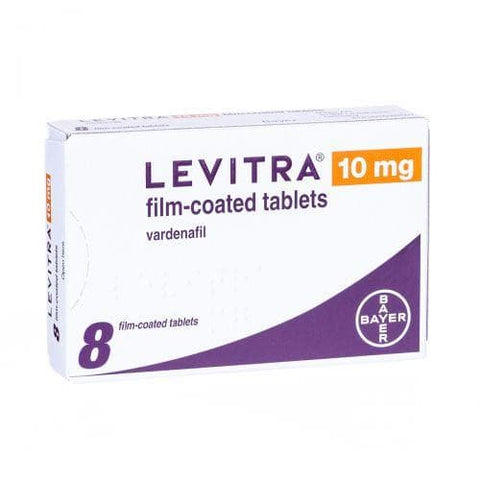
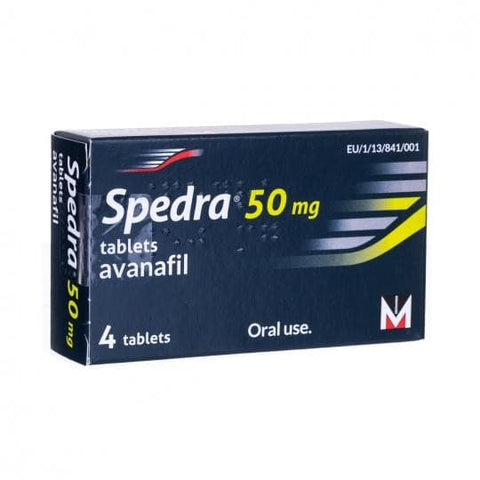
It's also important to give the medicine a fair trial. Sildenafil may not work perfectly the first time you try it—anxiety, timing, food intake, and other factors can all play a role. Most prescribers recommend trying the medicine on at least four to six separate occasions before deciding whether it's effective[2]. If sildenafil at any dose doesn't work for you, other ED treatments such as tadalafil, vardenafil, or avanafil may be more suitable, and your prescriber can discuss these alternatives with you.
When to get urgent help
- Erection lasting more than 4 hours (priapism)—go to A&E immediately
- Sudden loss of vision or hearing—seek urgent medical attention
- Chest pain during or after sex—call 999 and do not take more sildenafil
- Severe dizziness or fainting after taking sildenafil—seek same-day medical advice
Call 999 or go to A&E in an emergency, or contact NHS 111 for urgent advice.
Scientific References
- National Institute for Health and Care Excellence. (n.d.). Erectile dysfunction. Clinical Knowledge Summaries. https://cks.nice.org.uk/topics/erectile-dysfunction/ [accessed 16 November 2026]
- Joint Formulary Committee. (n.d.). Sildenafil. British National Formulary. NICE. https://bnf.nice.org.uk/drugs/sildenafil/ [accessed 16 November 2026]
- NHS. (n.d.). Erectile dysfunction (impotence). https://www.nhs.uk/conditions/erection-problems-erectile-dysfunction/ Accessed 16 November 2026.
Information on this page is for educational purposes only and is not medical advice. Prescription treatments require clinical assessment by a UK-registered prescriber. Always consult a qualified healthcare professional before starting or changing any medication.
Available Treatments
Pricing Disclaimer: Prices on some pages may not be up to date — the live pricing table below and pricing shown during consultation are official current prices and take precedence over any other figures on the site.
Not sure which one? Start a free consultation →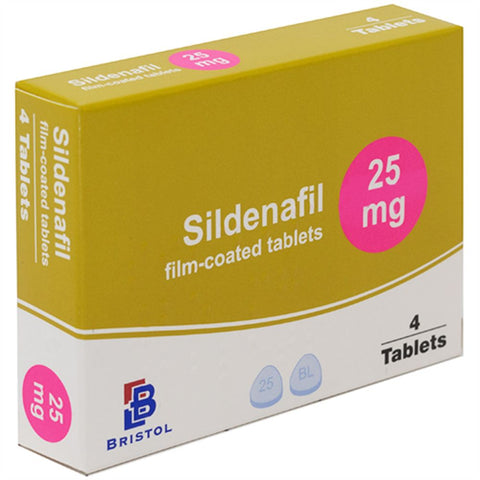
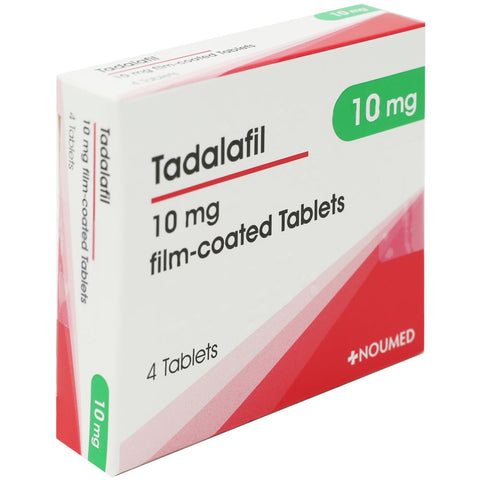
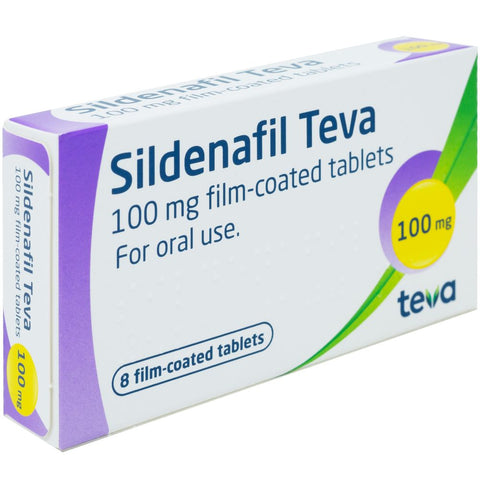
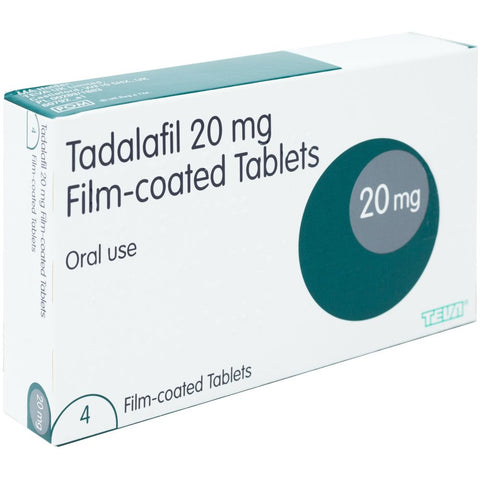
Take the First Step Today
- Reviewed by UK-based prescribers
- Takes under 3 minutes
- Discreet Packaging
Common Questions
Can't find your answer? Our UK pharmacists review every consultation and can help.
Can I cut a 100mg sildenafil tablet in half to get 50mg?
Some sildenafil tablets have a score line and can be split, but you should only do this if your prescriber or pharmacist advises it. Always follow the dosing instructions on your prescription.
Is sildenafil 25mg less effective than 100mg?
Not necessarily—25mg may be perfectly effective for many men, especially if they're older, take interacting medicines, or are sensitive to side effects. Effectiveness depends on individual response, not just dose.
How do I know if I need to increase my dose from 25mg to 100mg?
If you've tried 25mg on several occasions and it hasn't provided enough benefit, discuss this with your prescriber. They may suggest increasing to 50mg first, and then to 100mg if needed.
Will I get more side effects with sildenafil 100mg?
Higher doses are associated with a greater chance of side effects such as headache, flushing, and indigestion. If side effects are troublesome, your prescriber can reduce your dose.
Can I take sildenafil 100mg if I'm on blood pressure medication?
Possibly, but your prescriber must review all your medicines first. Sildenafil can lower blood pressure, and certain combinations—especially with alpha-blockers or nitrates—are not safe.
How long should I try sildenafil before deciding it doesn't work?
Most prescribers recommend trying the medicine on at least four to six separate occasions, as factors like anxiety and timing can affect the first few attempts.
Is sildenafil 25mg available over the counter in the UK?
No, 25mg requires a prescription. Viagra Connect (sildenafil 50mg) is available from pharmacies after a consultation, but 25mg and 100mg are prescription-only.
Can I switch between 25mg and 100mg depending on the situation?
You should only take the dose prescribed for you. If you feel your needs vary, discuss this with your prescriber—they may adjust your prescription or provide guidance on dose flexibility.

Medically reviewed by
Tarun Kumar, Superintendent Pharmacist (GPhC 2233073)