


Schizophrenia and Erectile Dysfunction Explained
Learn how antipsychotics affect sexual function and explore safe, effective ED treatments with UK pharmacist support.
Takes less than 2 minutes to complete 100% online
Our ED Treatments
Pricing Disclaimer: Prices on some pages may not be up to date — the live pricing table below and pricing shown during consultation are official current prices and take precedence over any other figures on the site.

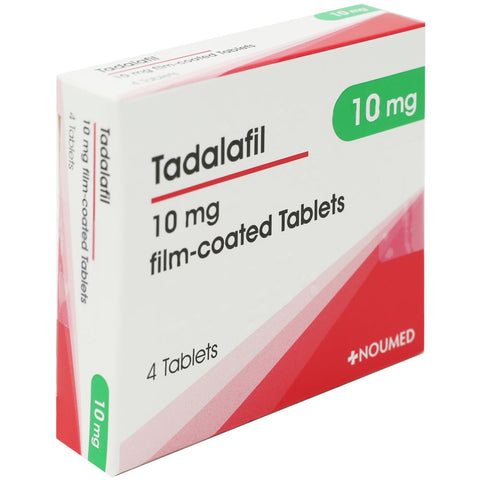
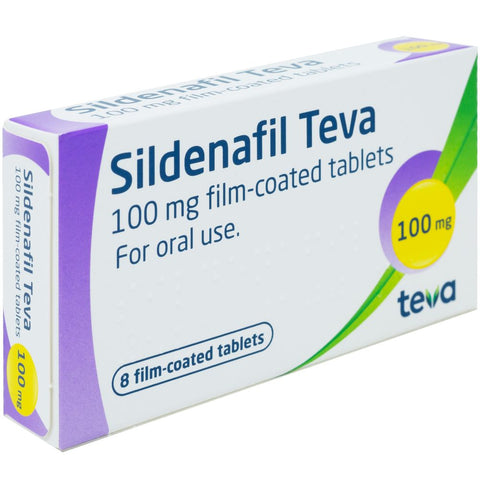
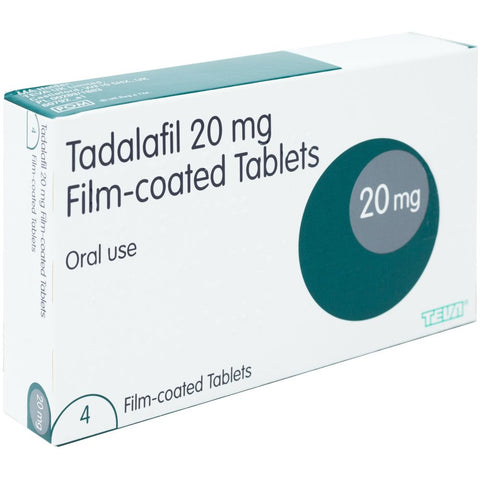
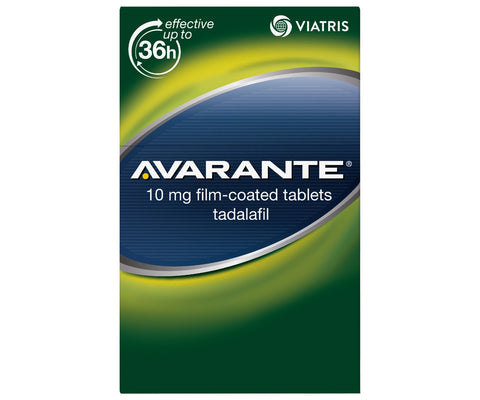
Trusted by thousands
Real people, real results
“Fabulous service and quick delivery”
“Felt the effects of these after about 5 days. Erections are better and can get aroused and ready easier”
“Excellent value and brilliant customer service”
“I received excellent service and everything went well. The order arrived quickly and in perfect condition. It's working very well! Thank you to the whole team for the great work!”
“Delivery was good, the product lived up to expectations.”
How it Works?
Choose your treatment
Select from our recommended UK-licensed medications.
Answer quick questions
Select safe UK treatments. Quick answers.
Get it delivered fast
We will deliver direct to you as quickly as tomorrow.
Schizophrenia and Erectile Dysfunction: Understanding the Link and Treatment Options
Published: 14 October 2026
Schizophrenia and erectile dysfunction (ED) are closely connected, with research showing that men living with schizophrenia experience ED at significantly higher rates than the general population. This link is multifactorial: the condition itself can affect sexual function, but antipsychotic medications—particularly older 'typical' antipsychotics and some newer agents—are a major contributing factor due to their effects on dopamine, prolactin and blood pressure [1][2]. Understanding this relationship is essential, because ED is treatable and addressing it can improve quality of life and medication adherence.
At a glance
Why schizophrenia and erectile dysfunction are linked
The relationship between schizophrenia and erectile dysfunction is complex and involves both the illness itself and its treatment. Schizophrenia can affect motivation, emotional connection and self-esteem, all of which play a role in sexual health. Negative symptoms such as apathy and social withdrawal may reduce interest in sexual activity, while the psychological burden of living with a chronic mental health condition can contribute to performance anxiety and relationship difficulties [1][2].
However, the most significant driver of ED in men with schizophrenia is antipsychotic medication. Many antipsychotics—especially older 'typical' agents like haloperidol and chlorpromazine, but also some newer 'atypical' drugs such as risperidone and amisulpride—raise prolactin levels. Elevated prolactin (hyperprolactinaemia) suppresses testosterone, reduces libido and directly impairs erectile function [2]. Other antipsychotics can cause sedation, weight gain, metabolic changes (diabetes, high cholesterol) and blood-pressure effects, all of which further increase ED risk.
It is important to recognise that ED in this context is not inevitable and is often reversible or manageable. Open discussion with your psychiatrist and GP is vital, as medication adjustments or additional treatments can make a substantial difference without compromising mental health stability.
How antipsychotic medications contribute to erectile dysfunction
Antipsychotic drugs work primarily by blocking dopamine receptors in the brain, which helps control psychotic symptoms. Unfortunately, dopamine blockade in the pituitary gland triggers the release of prolactin, a hormone that, when elevated, lowers testosterone and inhibits sexual arousal and erection [2]. Risperidone and amisulpride are particularly associated with high prolactin levels, while olanzapine, quetiapine and aripiprazole tend to have a lower risk.
Beyond prolactin, antipsychotics can cause sedation, weight gain and metabolic syndrome (a cluster of conditions including high blood sugar, high blood pressure and abnormal cholesterol), all of which are independent risk factors for ED [1][2]. Alpha-blocking effects (seen with some antipsychotics) can lower blood pressure and occasionally cause dizziness, which may also affect sexual function. Clozapine, for example, has significant alpha-blocking activity.
If you suspect your antipsychotic is contributing to ED, never stop or reduce your medication without medical advice, as this can lead to relapse of psychotic symptoms. Instead, speak to your psychiatrist: switching to a prolactin-sparing agent (such as aripiprazole or quetiapine) or adjusting the dose may improve sexual function while maintaining mental health stability. Your GP or psychiatrist can also check prolactin and testosterone levels to guide treatment decisions.
Which antipsychotics are more likely to cause ED?
Typical (first-generation) antipsychotics such as haloperidol and chlorpromazine carry a high risk of sexual side effects due to potent dopamine blockade and prolactin elevation. Among atypical (second-generation) agents, risperidone and amisulpride are most strongly associated with hyperprolactinaemia and ED. Paliperidone (the active metabolite of risperidone) shares this risk. Olanzapine has a moderate risk, often linked to weight gain and metabolic effects rather than prolactin. Quetiapine, aripiprazole and lurasidone are generally considered lower risk for sexual dysfunction, and aripiprazole may even lower prolactin in some cases [2]. Clozapine, while prolactin-neutral, can cause sedation, weight gain and blood-pressure changes that indirectly affect sexual function.
Assessing erectile dysfunction in men with schizophrenia
If you are experiencing ED, it is important to see your GP for a full assessment, even if you believe your antipsychotic is the cause. ED can be an early warning sign of cardiovascular disease or diabetes, conditions that are more common in people with schizophrenia due to both medication effects and lifestyle factors [1][2]. Your GP will take a medical and sexual history, review all your current medications (including antipsychotics, mood stabilisers and any other drugs) and check for other contributing factors such as smoking, alcohol use, stress and relationship issues.
Blood tests are often recommended to measure testosterone, prolactin, blood sugar (HbA1c), cholesterol and thyroid function. If prolactin is elevated, your GP or psychiatrist may consider switching your antipsychotic or adding a dopamine agonist (such as aripiprazole) to lower prolactin levels. Blood pressure and weight will also be checked, as metabolic syndrome is a common and treatable contributor to ED in this population [2].
Your GP will also assess whether ED treatment is safe for you. Most men with schizophrenia can use PDE5 inhibitors (such as sildenafil or tadalafil) safely, but your prescriber will check for contraindications—particularly nitrate medications (used for angina), severe heart disease or interactions with other medicines you are taking. An online consultation with a UK-registered prescriber, such as those offered by Cured Pharmacy, includes a full medication review to ensure safe, personalised treatment.
What you need to know
- Schizophrenia and erectile dysfunction are closely linked, often due to antipsychotic medication raising prolactin and affecting blood flow.
- PDE5 inhibitors like sildenafil and tadalafil are safe and effective for most men with schizophrenia after a medication review.
- Never stop your antipsychotic without medical advice; speak to your psychiatrist about switching to a lower-risk medication.
- Lifestyle changes—exercise, quitting smoking, limiting alcohol—improve ED and overall health alongside medical treatment.
- Online consultations with UK prescribers at Cured Pharmacy include full medication checks to ensure safe, personalised ED treatment.
Lifestyle measures to improve erectile function
Lifestyle changes can significantly improve erectile function and overall health, particularly in men with schizophrenia who may face additional metabolic and cardiovascular risks. Regular physical activity—aim for at least 150 minutes of moderate exercise per week—improves blood flow, helps manage weight and boosts mood and self-esteem [1][2]. Even short daily walks can make a difference. Weight loss, if you are overweight, can improve testosterone levels, reduce blood pressure and enhance erectile function.
Smoking is a major risk factor for ED because it damages blood vessels and restricts blood flow to the penis. Quitting smoking is one of the most effective steps you can take; your GP or pharmacist can offer support, including nicotine replacement therapy or prescription stop-smoking medications [1]. Limit alcohol intake, as heavy drinking worsens ED and can interact with both antipsychotics and ED treatments. The NHS recommends no more than 14 units per week, spread over several days.
Managing stress and maintaining good sleep hygiene are also important, as both can affect sexual function and mental health. If relationship difficulties are contributing to ED, consider couples counselling or psychosexual therapy, which can be accessed through your GP or privately. A healthy diet—rich in vegetables, fruit, whole grains and lean protein—supports cardiovascular health and may improve erectile function. These lifestyle measures work best alongside medical treatment and should not replace a conversation with your doctor.
The role of mental health support
Living with schizophrenia can affect self-esteem, body image and relationships, all of which influence sexual health. Psychological support—whether through your community mental health team, a counsellor or a psychosexual therapist—can help address performance anxiety, communication difficulties and the emotional impact of ED. Cognitive behavioural therapy (CBT) and mindfulness-based approaches have been shown to reduce anxiety and improve quality of life in people with schizophrenia, and these benefits often extend to sexual wellbeing [2]. Speak to your care coordinator or GP about accessing talking therapies; many services are available on the NHS.
Treatment options for schizophrenia and erectile dysfunction
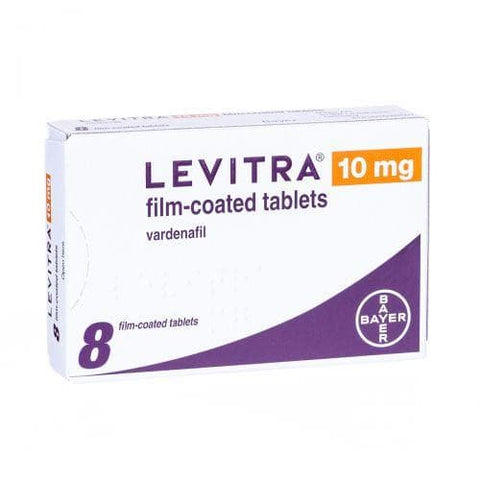
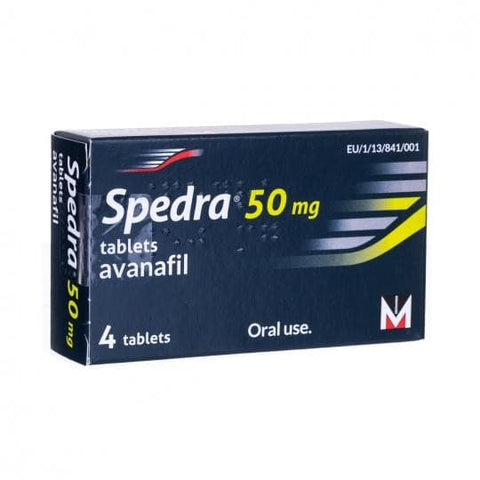
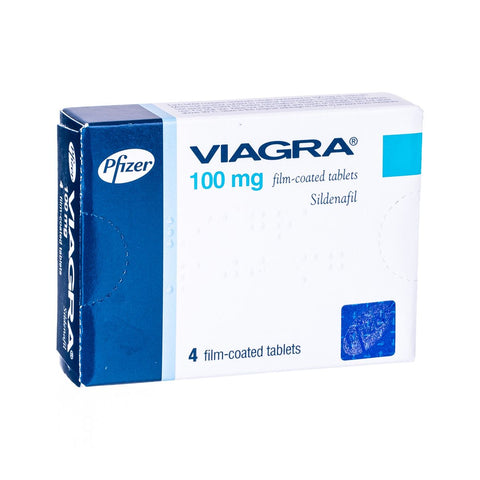
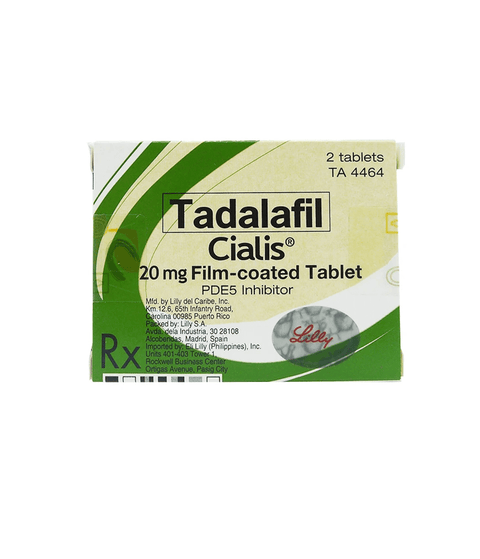
The first-line medical treatment for ED in men with schizophrenia is a PDE5 inhibitor, the same class of medication used in the general population. These include sildenafil (Viagra), tadalafil (Cialis), vardenafil (Levitra) and avanafil (Spedra). All work by increasing blood flow to the penis during sexual arousal, and all require a prescription following a clinical assessment [1][2][3][4][5][6]. PDE5 inhibitors are effective even when ED is caused by antipsychotic medication, though they do not address low libido caused by high prolactin or low testosterone—these hormonal issues may need separate treatment.
Sildenafil is taken about one hour before sex and lasts around four to six hours; tadalafil can be taken on-demand (effect lasts up to 36 hours) or as a low daily dose for spontaneity [3][4]. Vardenafil and avanafil have similar profiles to sildenafil but may work slightly faster. Your prescriber will help you choose the most suitable option based on your preferences, other medications and any side effects. Generic versions are widely available and cost-effective; for example, sildenafil starts from £0.45 per tablet at Cured Pharmacy (£0.36 with first-order code Ednew).
If PDE5 inhibitors are not effective or suitable, other options include alprostadil (a prescription treatment applied as a cream or injection directly to the penis), vacuum erection devices or, in some cases, referral to a specialist for further investigation [7]. However, most men with schizophrenia respond well to oral ED medication, and it is worth trying more than one PDE5 inhibitor if the first does not work, as individual responses vary.
When to get urgent help
- Erection lasting more than 4 hours (priapism)—go to A&E immediately
- Sudden loss of vision or hearing after taking ED medication—seek urgent medical help
- Chest pain during or after sexual activity—call 999
- Severe dizziness, fainting or rapid heartbeat after taking ED treatment—seek immediate medical attention
- New or worsening mental health symptoms—contact your care team or crisis line same day
Call 999 or go to A&E in an emergency, or contact NHS 111 for urgent advice.
Important safety considerations and drug interactions
PDE5 inhibitors are generally safe for men with schizophrenia, but certain precautions are essential. You must never take a PDE5 inhibitor if you are using nitrate medications (such as GTN spray, isosorbide mononitrate or dinitrate) for angina, or nicorandil, as the combination can cause a dangerous drop in blood pressure [3][4][5][6]. Recreational drugs known as 'poppers' (amyl or alkyl nitrites) are also absolutely contraindicated. Always declare all medications, supplements and recreational substances during your consultation.
Some antipsychotics and other psychiatric medications can interact with PDE5 inhibitors. Alpha-blockers (sometimes used for urinary symptoms or blood pressure) can add to the blood-pressure-lowering effect of PDE5 inhibitors, causing dizziness; if you take an alpha-blocker, you should be stable on it and start on the lowest dose of the ED treatment [3][4]. Potent CYP3A4 inhibitors—including some antifungals (ketoconazole, itraconazole), antibiotics (clarithromycin) and HIV medications (ritonavir, cobicistat)—can raise PDE5 inhibitor levels, requiring dose adjustments or avoidance [3][4][5][6]. Your prescriber will check every current medicine during the consultation.
Most antipsychotics do not have a major direct interaction with PDE5 inhibitors, but the prescriber will review your full medication list to ensure safety. If you take other blood-pressure medications, the combination is usually manageable but must be declared. Grapefruit juice can raise levels of some PDE5 inhibitors and should be avoided. Side effects of PDE5 inhibitors—such as headache, flushing, indigestion or nasal congestion—are usually mild and temporary [3][4]. Seek urgent medical help if you experience an erection lasting more than four hours, sudden vision or hearing loss, or chest pain during sex.
Can I use ED treatment if I take antipsychotics?
Yes, in most cases. PDE5 inhibitors such as sildenafil and tadalafil are widely used by men taking antipsychotic medication, and no major direct interaction between antipsychotics and PDE5 inhibitors is commonly reported [3][4]. However, a full medication review is essential because some antipsychotics can lower blood pressure or be prescribed alongside other drugs that do interact with ED treatments. Your prescriber will assess your individual situation, including your mental and physical health, current medications and any cardiovascular risk factors, to ensure safe and effective treatment. Never stop or change your antipsychotic without medical advice, as this can lead to relapse of psychotic symptoms.
Speak to your psychiatrist first
If your antipsychotic is causing ED, your psychiatrist may be able to switch you to a prolactin-sparing medication or adjust your dose. Never stop or change your antipsychotic without medical advice, as this can lead to relapse.
Scientific References
- NHS. (n.d.). Erectile dysfunction (impotence). NHS website. https://www.nhs.uk/conditions/erection-problems-erectile-dysfunction/ [accessed 14 October 2026]
- National Institute for Health and Care Excellence. (n.d.). Erectile dysfunction. Clinical Knowledge Summaries. https://cks.nice.org.uk/topics/erectile-dysfunction/ [accessed 14 October 2026]
- Joint Formulary Committee. (n.d.). Sildenafil. British National Formulary. NICE. https://bnf.nice.org.uk/drugs/sildenafil/ [accessed 14 October 2026]
- Joint Formulary Committee. (n.d.). Tadalafil. British National Formulary. NICE. https://bnf.nice.org.uk/drugs/tadalafil/ [accessed 14 October 2026]
- Joint Formulary Committee. (n.d.). Vardenafil. British National Formulary. NICE. https://bnf.nice.org.uk/drugs/vardenafil/ [accessed 14 October 2026]
- Joint Formulary Committee. (n.d.). Avanafil. British National Formulary. NICE. https://bnf.nice.org.uk/drugs/avanafil/ [accessed 14 October 2026]
- Joint Formulary Committee. (n.d.). Alprostadil. British National Formulary. NICE. https://bnf.nice.org.uk/drugs/alprostadil/ [accessed 14 October 2026]
Information on this page is for educational purposes only and is not medical advice. Prescription treatments require clinical assessment by a UK-registered prescriber. Always consult a qualified healthcare professional before starting or changing any medication.
Faq
Can schizophrenia itself cause erectile dysfunction?
Yes, schizophrenia can contribute to ED through negative symptoms (apathy, social withdrawal), reduced self-esteem and the psychological burden of living with a chronic condition. However, antipsychotic medication is the most common cause of ED in men with schizophrenia.
Which antipsychotic medications are most likely to cause ED?
Risperidone, amisulpride and typical antipsychotics (such as haloperidol) are most strongly linked to ED due to high prolactin levels. Quetiapine, aripiprazole and lurasidone tend to have a lower risk.
Is it safe to take sildenafil or tadalafil with antipsychotic medication?
Yes, in most cases. No major direct interaction between antipsychotics and PDE5 inhibitors is commonly reported, but a full medication review is essential to check for other drugs (such as nitrates or alpha-blockers) and cardiovascular health.
Will ED treatment work if my antipsychotic is causing the problem?
Yes, PDE5 inhibitors are effective even when ED is caused by antipsychotic medication. However, they do not address low libido from high prolactin; you may also need a medication review or hormonal treatment.
Should I stop my antipsychotic if it is causing erectile dysfunction?
No, never stop or reduce your antipsychotic without medical advice, as this can lead to relapse of psychotic symptoms. Speak to your psychiatrist about switching to a lower-risk medication or adding ED treatment.
Can high prolactin from antipsychotics be treated?
Yes, your psychiatrist may switch you to a prolactin-sparing antipsychotic (such as aripiprazole or quetiapine) or add a low dose of aripiprazole to lower prolactin. Blood tests can confirm prolactin and testosterone levels.
How do I get ED treatment if I have schizophrenia?
See your GP for a full assessment, including blood tests and a medication review. You can also use an online consultation service such as Cured Pharmacy, where a UK-registered prescriber will review your health and medications before prescribing.
Are there any lifestyle changes that can help with ED?
Yes, regular exercise, quitting smoking, limiting alcohol, maintaining a healthy weight and managing stress can all improve erectile function and overall health, particularly in men with schizophrenia who face additional metabolic risks.
Start Your Assessment For Erectile Dysfunction
Reviewed by UK-based prescribers · Takes under 3 minutes · Discreet Packaging

Medically reviewed by
Tarun Kumar, Superintendent Pharmacist (GPhC 2233073)