

Running and Erectile Dysfunction: The Link Explained
Learn how running affects erectile health and explore UK treatment options through a pharmacist-led consultation.
Takes less than 2 minutes to complete 100% online

Running and Erectile Dysfunction: Understanding the Connection
Published: 12 November 2026
The relationship between running and erectile dysfunction is complex: moderate running usually improves erectile function by boosting cardiovascular health, but excessive endurance training or cycling-related pressure can sometimes contribute to ED. Understanding this balance helps you make informed choices about exercise, lifestyle and treatment. If you're experiencing erection problems, an online consultation with a UK prescriber can assess whether prescription treatment is appropriate.
At a glance
How Running and Erectile Dysfunction Are Connected
Running and erectile dysfunction share a strong cardiovascular link. Healthy erections depend on good blood flow, and regular aerobic exercise like running strengthens the heart, improves circulation, and reduces inflammation—all of which support erectile function [1]. Men who engage in moderate physical activity typically have a lower risk of developing ED compared to sedentary individuals [10].
However, the relationship isn't always straightforward. While moderate running (up to about 30–40 miles per week) is generally beneficial, very high-intensity or high-volume endurance training can sometimes lead to temporary hormonal changes, including reduced testosterone levels, which may affect sexual function. Additionally, some runners who also cycle may experience pressure-related issues from prolonged saddle contact, which can compress nerves and blood vessels in the perineal area.
The key is balance: running at a moderate intensity and volume usually improves erectile health, whereas overtraining or combining running with prolonged cycling on an ill-fitting saddle may occasionally contribute to problems. If you notice persistent erection difficulties, it's important to see your GP, as ED can be an early warning sign of cardiovascular disease or diabetes [1][2].
Can Running Cause Erectile Dysfunction?
Running itself rarely causes erectile dysfunction directly. In fact, regular moderate running is protective: it lowers blood pressure, improves cholesterol levels, helps maintain a healthy weight, and reduces stress—all factors that support erectile function [1]. The concern arises mainly in two scenarios: overtraining and equipment-related pressure.
Overtraining syndrome, seen in some endurance athletes, can suppress the hypothalamic-pituitary-gonadal axis, leading to lower testosterone and reduced libido or erectile quality. This is uncommon in recreational runners but may affect those training at very high volumes without adequate recovery. More commonly, runners who also cycle extensively may experience numbness or erectile difficulties due to prolonged perineal pressure from the bicycle saddle, which can temporarily compress the pudendal nerve and arteries.
If you're a runner experiencing ED, consider whether you've recently increased training intensity dramatically, whether you cycle frequently on a poorly fitted bike, or whether other health factors (stress, medication, underlying conditions) might be contributing. Most cases of ED in active men have multiple causes, and running is rarely the sole culprit. A GP can help identify the underlying issue and recommend appropriate treatment or lifestyle adjustments [2].
When to Seek Medical Advice
See your GP if erection problems persist for more than a few weeks, especially if you're also experiencing chest pain, breathlessness, or other cardiovascular symptoms. ED can be an early marker of heart disease, so it's important to rule out serious underlying conditions [1]. Your doctor will review your medical history, current medications, and lifestyle factors, and may arrange blood tests to check testosterone, glucose, cholesterol, and thyroid function [2].
How Running Can Improve Erectile Function
For most men, running and erectile dysfunction have an inverse relationship: more moderate exercise means better erectile health. Aerobic activity improves endothelial function—the ability of blood vessels to dilate—which is essential for achieving and maintaining an erection [10]. Running also helps control weight, reduce visceral fat, and improve insulin sensitivity, all of which lower the risk of ED.
Studies show that men who engage in regular physical activity equivalent to brisk walking or jogging for 30 minutes most days of the week have significantly lower rates of erectile dysfunction than inactive men [10]. Running also reduces psychological stress and anxiety, which are common contributors to ED, and promotes better sleep and mood through the release of endorphins.
To maximise the benefits, aim for consistency rather than extremes: 150 minutes of moderate-intensity aerobic exercise per week (such as running at a conversational pace) is the NHS recommendation for general health and is also protective against ED [1]. Combine running with strength training twice a week, maintain a balanced diet, avoid smoking, and limit alcohol to support overall sexual health.
What you need to know
- Moderate running usually improves erectile function by boosting cardiovascular health and circulation.
- Overtraining or prolonged cycling can occasionally contribute to ED through hormonal changes or perineal pressure.
- Lifestyle measures include balanced training, proper bike fit, stopping smoking, and managing stress.
- Prescription PDE5 inhibitors are effective and available after an online consultation with a UK prescriber.
- See your GP if ED persists, as it can signal underlying heart disease or diabetes.
Lifestyle Measures for Runners with Erectile Dysfunction
If you're a runner experiencing erectile difficulties, several practical steps can help. First, review your training load: if you've recently increased mileage or intensity sharply, consider scaling back to allow recovery and monitor whether symptoms improve. Ensure you're getting adequate sleep, nutrition (including sufficient healthy fats for hormone production), and rest days.
If you cycle as well as run, check your bike fit and saddle. A saddle that's too narrow, too high, or tilted incorrectly can compress the perineal area. Consider a saddle with a central cutout designed to reduce pressure on nerves and blood vessels. Limit very long rides and take regular breaks to stand on the pedals and restore circulation.
Address other modifiable risk factors: stop smoking (smoking damages blood vessels and is a major cause of ED), reduce alcohol intake (heavy drinking impairs erectile function), manage stress through mindfulness or relaxation techniques, and maintain a healthy weight [1][2]. If you're taking any medications, check with your GP or pharmacist whether they might affect erections—common culprits include some blood pressure tablets, antidepressants, and antihistamines.
Nutrition and Hydration for Runners
Proper nutrition supports both athletic performance and sexual health. Ensure adequate intake of zinc, vitamin D, and omega-3 fatty acids, which are important for testosterone production and vascular health. Stay well hydrated, as dehydration can impair circulation. Avoid excessive calorie restriction, which can suppress hormone levels and contribute to ED in endurance athletes.
Treatment Options for Running and Erectile Dysfunction
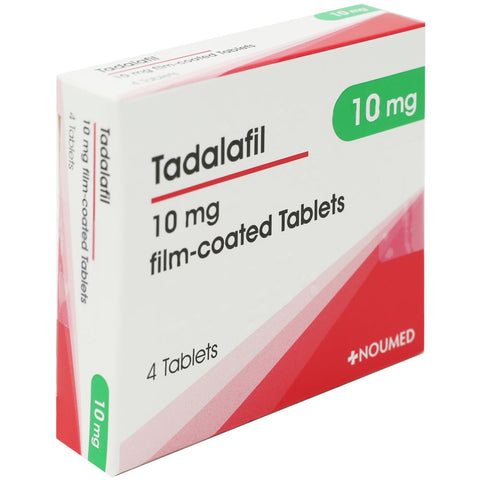
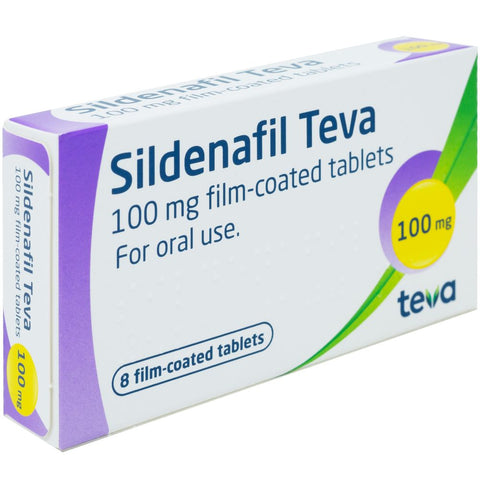
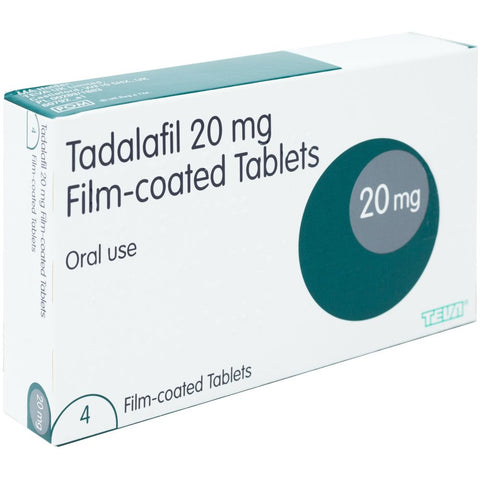
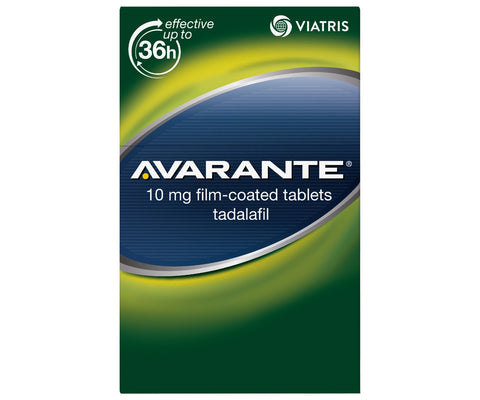
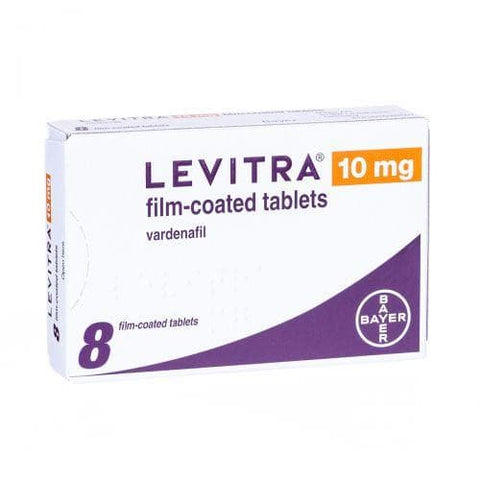
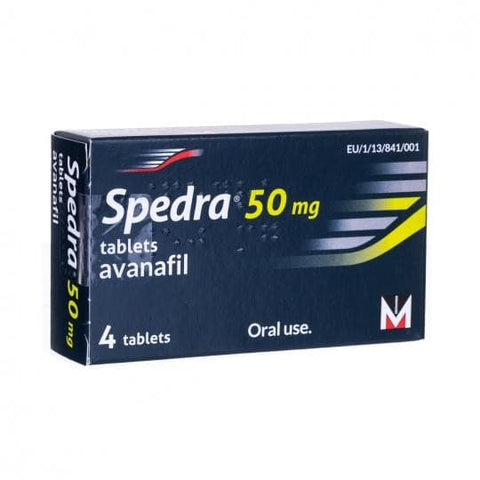
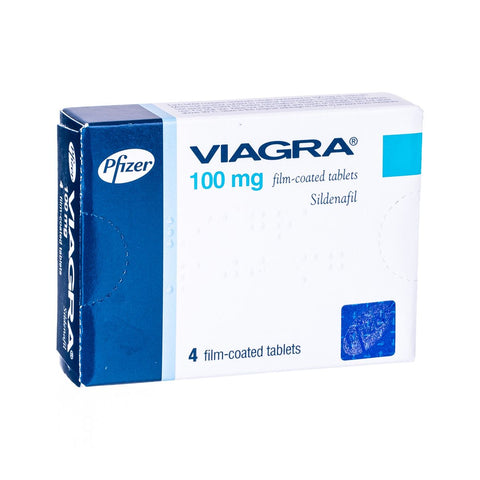
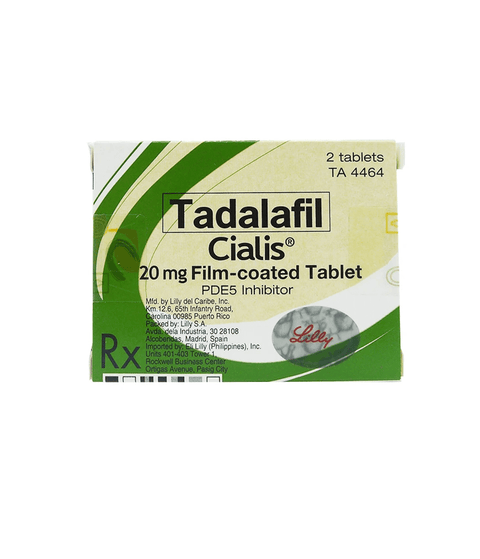
When lifestyle measures alone aren't enough, prescription treatments can be very effective. The first-line options in the UK are PDE5 inhibitors, which work by increasing blood flow to the penis during sexual stimulation [2]. These include sildenafil (Viagra), tadalafil (Cialis), vardenafil (Levitra), and avanafil (Spedra). All require a prescription following a clinical assessment by a UK prescriber.
Sildenafil is taken about one hour before sexual activity and lasts around four to six hours. Tadalafil can be used on-demand (effective within 30 minutes, lasting up to 36 hours) or as a daily low-dose tablet for spontaneity. Vardenafil works similarly to sildenafil, while avanafil has a faster onset (15–30 minutes). All require sexual stimulation to work and are taken at most once daily [3][4][5][6].
Cured Pharmacy offers an online consultation service where a UK prescriber reviews your medical history, current medications, and any contraindications. If appropriate, treatment can be prescribed and delivered discreetly. It's important to declare all current medicines and health conditions during the consultation, as some combinations (such as PDE5 inhibitors with nitrates or certain other drugs) are not safe [3][4]. For any medicine not listed in the clinical facts, the prescriber will check for interactions during your consultation.
When to get urgent help
- Erection lasting more than 4 hours (priapism) – go to A&E immediately
- Sudden loss of vision or hearing after taking ED medication – seek urgent medical help
- Chest pain during sexual activity – stop and call 999
- Severe dizziness or fainting after taking ED treatment – seek same-day medical advice
- Persistent ED with chest pain, breathlessness, or other cardiovascular symptoms – see your GP urgently
Call 999 or go to A&E in an emergency, or contact NHS 111 for urgent advice.
Treatment Cautions for Active Men and Runners
PDE5 inhibitors are generally well tolerated, but there are important safety considerations, especially for active individuals. Never take these medicines if you use nitrates (GTN spray, isosorbide mononitrate or dinitrate), nicorandil, riociguat, or recreational drugs known as 'poppers' (amyl or alkyl nitrites), as the combination can cause a dangerous drop in blood pressure [3][4][5][6].
If you take alpha-blockers (such as tamsulosin or doxazosin for prostate symptoms), you must be stable on that treatment and start on the lowest dose of the PDE5 inhibitor, as both drug classes lower blood pressure. Other blood pressure medicines can also add to the blood-pressure-lowering effect, which may cause dizziness; this is usually manageable but must be declared during your consultation [3][4].
Some medicines interact with PDE5 inhibitors by affecting how they're broken down in the body. Potent CYP3A4 inhibitors (such as ritonavir, cobicistat, ketoconazole, itraconazole, or clarithromycin) can raise PDE5 levels, requiring dose adjustments or avoidance depending on the specific drug. CYP3A4 inducers (rifampicin, carbamazepine, phenytoin, St John's wort) can reduce effectiveness. Grapefruit juice should also be avoided, and heavy alcohol can worsen ED and add to low blood pressure [3][4][5][6].
PDE5 inhibitors are not suitable if sexual activity itself is inadvisable—for example, if you've had a recent heart attack or stroke, have unstable angina, severe heart failure, very low blood pressure, or certain eye conditions such as previous sudden vision loss (NAION) [2][3]. Seek urgent medical help if you experience an erection lasting more than four hours (priapism), sudden loss of vision or hearing, or chest pain during sex.
Timing Treatment Around Training and Racing
If you're using on-demand PDE5 inhibitors, plan timing around your training schedule. Avoid taking them immediately before or after intense exercise, as both the medicine and hard training can lower blood pressure. Stay well hydrated, and be aware that side effects such as headache, flushing, or nasal congestion may be more noticeable if you're dehydrated or fatigued from training. If you experience dizziness, avoid driving or operating machinery until you know how the medicine affects you.
Balance Your Training
Aim for 150 minutes of moderate running per week rather than extreme mileage. Combine aerobic exercise with strength training, adequate rest, and good nutrition to support both performance and sexual health.
Scientific References
- NHS. (n.d.). Erectile dysfunction (impotence). NHS website. https://www.nhs.uk/conditions/erection-problems-erectile-dysfunction/ [accessed 12 November 2026]
- National Institute for Health and Care Excellence. (n.d.). Erectile dysfunction. Clinical Knowledge Summaries. https://cks.nice.org.uk/topics/erectile-dysfunction/ [accessed 12 November 2026]
- Joint Formulary Committee. (n.d.). Sildenafil. British National Formulary. NICE. https://bnf.nice.org.uk/drugs/sildenafil/ [accessed 12 November 2026]
- Joint Formulary Committee. (n.d.). Tadalafil. British National Formulary. NICE. https://bnf.nice.org.uk/drugs/tadalafil/ [accessed 12 November 2026]
- Joint Formulary Committee. (n.d.). Vardenafil. British National Formulary. NICE. https://bnf.nice.org.uk/drugs/vardenafil/ [accessed 12 November 2026]
- Joint Formulary Committee. (n.d.). Avanafil. British National Formulary. NICE. https://bnf.nice.org.uk/drugs/avanafil/ [accessed 12 November 2026]
- Feldman, H. A., Goldstein, I., Hatzichristou, D. G., Krane, R. J., & McKinlay, J. B. (1994). Impotence and its medical and psychosocial correlates: Results of the Massachusetts Male Aging Study. Journal of Urology, 151(1), 54–61. https://pubmed.ncbi.nlm.nih.gov/8254833/ [accessed 12 November 2026]
Information on this page is for educational purposes only and is not medical advice. Prescription treatments require clinical assessment by a UK-registered prescriber. Always consult a qualified healthcare professional before starting or changing any medication.
Ready to Speak to a Pharmacist?
- Reviewed by UK-based prescribers
- Takes under 3 minutes
- Discreet Packaging
Treatment Options
Pricing Disclaimer: Prices on some pages may not be up to date — the live pricing table below and pricing shown during consultation are official current prices and take precedence over any other figures on the site.
Not sure which one? Start a free consultation →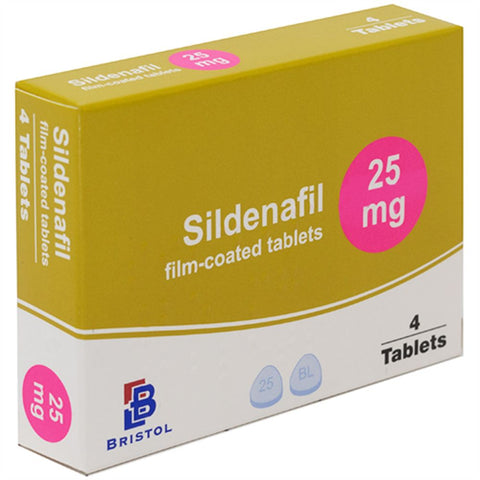
Trusted by thousands
Real people, real results
“Fabulous service and quick delivery”
“Felt the effects of these after about 5 days. Erections are better and can get aroused and ready easier”
“Excellent value and brilliant customer service”
“I received excellent service and everything went well. The order arrived quickly and in perfect condition. It's working very well! Thank you to the whole team for the great work!”
“Delivery was good, the product lived up to expectations.”
Your Path to Treatment
Choose your treatment
Select from our recommended UK-licensed medications.
Answer quick questions
Select safe UK treatments. Quick answers.
Get it delivered fast
We will deliver direct to you as quickly as tomorrow.
Frequently Asked Questions
Can running too much cause erectile dysfunction?
Very high-volume endurance training without adequate recovery can occasionally suppress testosterone and affect erectile function, but moderate running (up to 30–40 miles per week) typically improves erectile health by boosting cardiovascular fitness and circulation.
Will running help my erectile dysfunction?
Yes, for most men regular moderate running improves erectile function by enhancing blood flow, reducing weight and stress, and lowering the risk of cardiovascular disease—all of which support healthy erections.
Is cycling worse than running for erectile dysfunction?
Prolonged cycling on a poorly fitted saddle can compress nerves and blood vessels in the perineal area, potentially contributing to ED, whereas running does not cause this pressure. A properly fitted saddle with a central cutout can reduce the risk.
Can I take Viagra or Cialis if I'm a runner?
Yes, PDE5 inhibitors such as sildenafil (Viagra) and tadalafil (Cialis) are suitable for active men, provided you don't have contraindications such as nitrate use or severe heart conditions. Declare all health conditions and medications during your online consultation.
Should I avoid exercise after taking ED medication?
You don't need to avoid exercise, but avoid intense training immediately after taking a PDE5 inhibitor, as both can lower blood pressure. Stay well hydrated and monitor for dizziness, especially if you're also on blood pressure medication.
Can low testosterone from overtraining cause ED?
Yes, overtraining syndrome can suppress testosterone production, which may reduce libido and erectile quality. If you suspect this, see your GP for blood tests and consider reducing training volume and ensuring adequate rest and nutrition.
How quickly will I see improvement if I start running?
Cardiovascular and metabolic benefits from regular running typically begin within a few weeks, but noticeable improvement in erectile function may take two to three months of consistent moderate exercise combined with other healthy lifestyle changes.
What should I do if ED persists despite running regularly?
See your GP to rule out underlying conditions such as diabetes, high blood pressure, or hormonal imbalances. If lifestyle measures alone aren't enough, prescription treatments such as PDE5 inhibitors can be very effective and are available through an online consultation at Cured Pharmacy.

Medically reviewed by
Tarun Kumar, Superintendent Pharmacist (GPhC 2233073)