

Psychogenic Erectile Dysfunction: Causes & Treatment
Learn about psychological ED, its triggers, and how UK pharmacist-led consultations can help you find the right treatment.
Takes less than 2 minutes to complete 100% online

Our ED Treatments
Pricing Disclaimer: Prices on some pages may not be up to date — the live pricing table below and pricing shown during consultation are official current prices and take precedence over any other figures on the site.

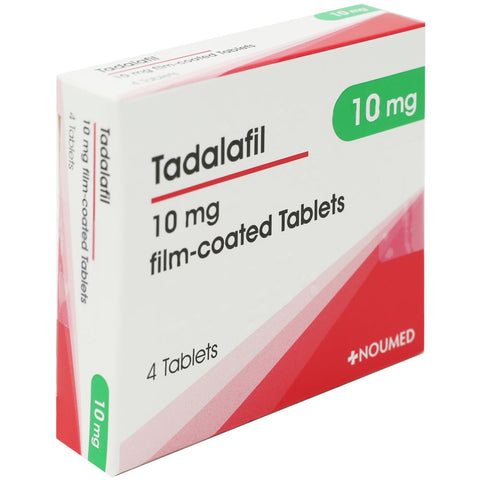
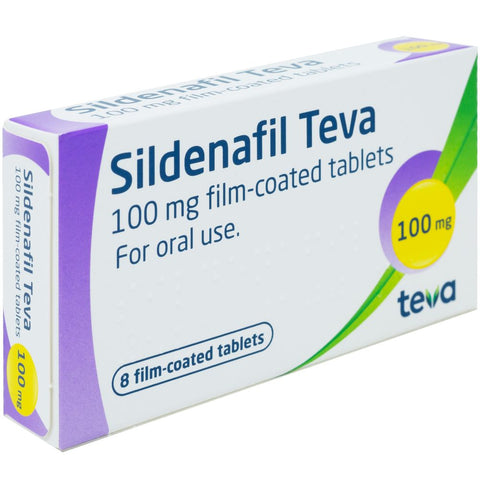
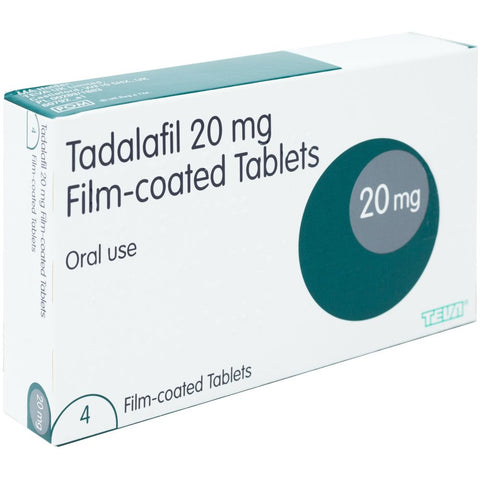

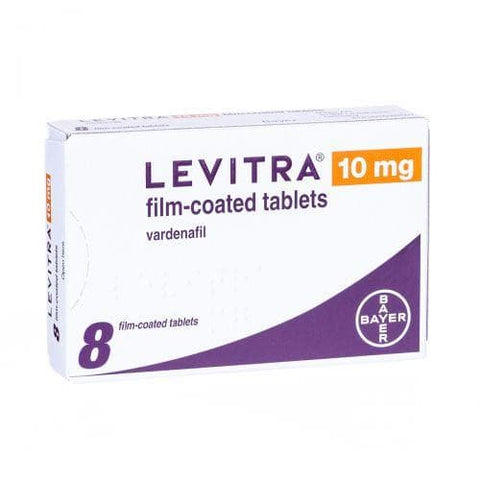
Trusted by thousands
Real people, real results
“Fabulous service and quick delivery”
“Felt the effects of these after about 5 days. Erections are better and can get aroused and ready easier”
“Excellent value and brilliant customer service”
“I received excellent service and everything went well. The order arrived quickly and in perfect condition. It's working very well! Thank you to the whole team for the great work!”
“Delivery was good, the product lived up to expectations.”
How it Works?


Understanding Psychogenic Erectile Dysfunction: Causes, Treatment and Support
Published: 19 November 2026
Psychogenic erectile dysfunction is difficulty getting or keeping an erection that stems from psychological rather than physical causes, such as stress, anxiety, depression, or relationship difficulties [1]. Unlike ED caused by conditions like diabetes or heart disease, psychogenic ED often affects younger men and can occur suddenly, though it responds well to treatment when the underlying emotional factors are addressed [2]. Understanding the psychological roots of your symptoms is the first step toward effective management and regaining confidence.
Key takeaways
- Psychogenic erectile dysfunction is caused by psychological factors like stress, anxiety, or relationship issues, not physical disease
- It often starts suddenly and may improve with talking therapies, lifestyle changes, and sometimes medication
- PDE5 inhibitors can help restore confidence and break the cycle of performance anxiety
- See your GP for an assessment to rule out underlying health conditions and discuss treatment options
What is psychogenic erectile dysfunction?
Psychogenic erectile dysfunction occurs when psychological factors interfere with the brain signals needed to trigger an erection [1]. Your mind plays a crucial role in sexual arousal: when you feel anxious, stressed, or distracted, the nervous system may not send the right messages to the blood vessels in the penis, preventing sufficient blood flow for a firm erection [2].
This type of ED is distinct from organic (physical) ED, which results from conditions affecting blood vessels, nerves, or hormones. Many men with psychogenic ED have normal physical function—they may wake with morning erections or achieve erections during masturbation—but struggle during partnered sex due to performance pressure or emotional distress [1]. The condition can affect men of any age, though it is particularly common in younger men who may not yet have underlying health conditions [2].
Psychogenic ED often develops suddenly, sometimes after a single episode of difficulty that then creates a cycle of worry and further problems. This distinguishes it from gradual-onset ED, which more commonly has a physical cause [2]. Recognising the psychological nature of your symptoms helps guide appropriate treatment, which may include talking therapies, lifestyle changes, and sometimes medication to restore confidence.
Common psychological causes of psychogenic erectile dysfunction
Performance anxiety is one of the most frequent triggers of psychogenic erectile dysfunction [1]. Worrying about whether you will achieve or maintain an erection can create a self-fulfilling cycle: the anxiety itself interferes with arousal, leading to difficulty, which then increases worry about the next encounter. This pattern is especially common after an initial episode of ED, which may have had a temporary cause such as tiredness or alcohol [2].
Stress from work, finances, or major life changes can also disrupt sexual function. When your mind is preoccupied or your body is in a prolonged stress response, the relaxation needed for an erection becomes difficult to achieve [1]. Depression and low mood reduce libido and can dampen the brain's response to sexual stimuli, while relationship difficulties—such as unresolved conflict, lack of communication, or loss of intimacy—create emotional distance that affects physical connection [2].
Past trauma, including negative sexual experiences or abuse, can contribute to psychogenic ED, as can unrealistic expectations shaped by media or pornography. Some men experience a combination of psychological and physical factors, where an underlying health condition is worsened by anxiety about performance [2]. Identifying which psychological factors are at play is essential for tailoring the right support and treatment approach.
The cycle of anxiety and erectile difficulty
Psychogenic erectile dysfunction often perpetuates itself through a cycle of worry. An initial episode—perhaps caused by tiredness, alcohol, or distraction—leads to concern about future performance. This anxiety triggers the body's stress response during the next sexual encounter, making it harder to relax and achieve an erection [1]. The repeated difficulty reinforces the belief that something is wrong, deepening the anxiety and making the problem more persistent. Breaking this cycle often requires a combination of reassurance, psychological support, and sometimes short-term medication to restore confidence and interrupt the pattern [2].
At a glance
How psychogenic erectile dysfunction is diagnosed
Diagnosing psychogenic erectile dysfunction begins with a thorough assessment by a healthcare professional, typically your GP or a specialist [2]. They will ask about the nature of your erection difficulties: whether they started suddenly or gradually, if you experience morning or spontaneous erections, and whether the problem occurs in all situations or only with a partner. The presence of normal erections in some contexts strongly suggests a psychological cause [1].
Your doctor will also explore your mental health, stress levels, relationship satisfaction, and any recent life changes or trauma. A review of your medical history and current medications helps rule out physical causes, and you may be offered blood tests to check for conditions like diabetes, low testosterone, or high cholesterol that can contribute to ED [2]. Physical examination is usually straightforward and non-invasive.
In some cases, your GP may refer you to a specialist—such as a urologist or a psychosexual therapist—for further evaluation, especially if the picture is complex or initial treatments have not helped [2]. The goal of diagnosis is not only to confirm that psychological factors are the main cause but also to identify the specific stressors or emotional issues that need addressing. This personalised understanding guides the most effective treatment plan, whether that involves therapy, lifestyle changes, medication, or a combination of approaches.
Treatment options for psychogenic erectile dysfunction
Treating psychogenic erectile dysfunction often involves addressing both the mind and the body. Psychological therapies, such as cognitive behavioural therapy (CBT) or psychosexual counselling, help you identify and challenge negative thought patterns, reduce performance anxiety, and improve communication with your partner [2]. These talking therapies can be highly effective, especially when relationship issues or past trauma are contributing factors [1].
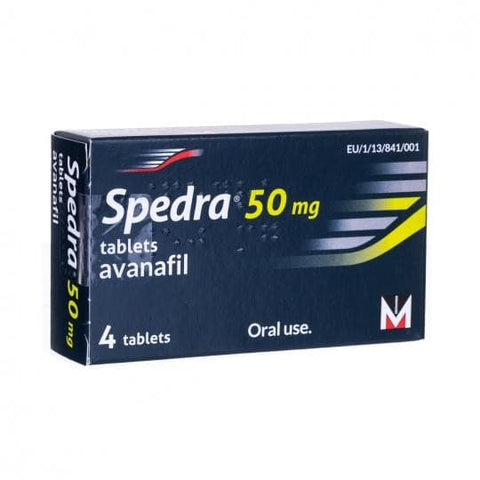
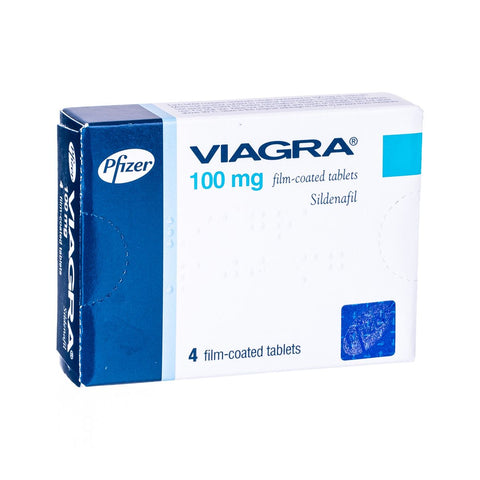
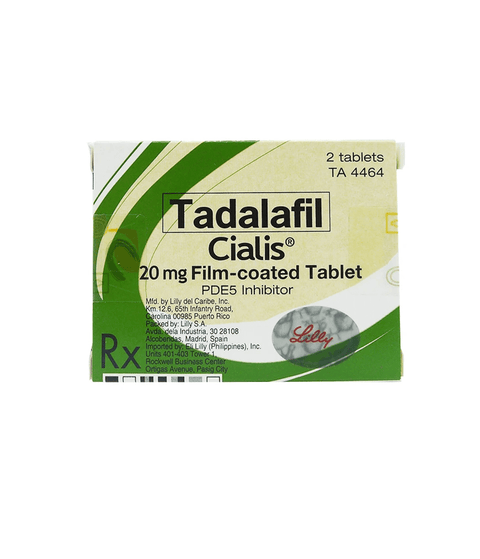
Oral medications known as PDE5 inhibitors—including sildenafil (Viagra), tadalafil (Cialis), vardenafil (Levitra), and avanafil (Spedra)—can also play an important role in managing psychogenic ED [3][4][5][6]. While these medicines work by improving blood flow to the penis, they are not simply treating a physical problem: by helping you achieve reliable erections, they can break the cycle of anxiety and restore confidence, making it easier to relax and enjoy intimacy [2]. Many men find that short-term use of medication, combined with psychological support, allows them to regain natural function over time.
Lifestyle changes support both psychological and physical health. Regular exercise reduces stress and improves mood, while good sleep and a balanced diet support overall wellbeing [1]. Reducing alcohol intake and avoiding recreational drugs can also improve erectile function. Open, honest communication with your partner about your feelings and concerns helps reduce pressure and rebuild intimacy [2]. At Cured Pharmacy, our UK-registered prescribers assess your individual situation during a confidential online consultation and, if appropriate, can prescribe ED medication to support your recovery alongside other strategies.
How PDE5 inhibitors help with psychogenic erectile dysfunction
PDE5 inhibitors such as sildenafil and tadalafil work by relaxing blood vessels in the penis, making it easier to achieve an erection when sexually aroused [3][4]. For men with psychogenic erectile dysfunction, these medicines do more than address blood flow—they provide reassurance that an erection is achievable, which helps reduce performance anxiety and interrupt the worry cycle [2]. Many men use them temporarily while working on the psychological aspects of their ED, finding that as confidence returns, they may need the medication less frequently or not at all. All PDE5 inhibitors require sexual stimulation to work and are taken before anticipated sexual activity [3][4][5][6].
Break the anxiety cycle
Shift focus away from penetrative sex and explore other forms of intimacy with your partner. Reducing performance pressure helps you relax, and many men find erections return naturally as anxiety decreases.
Practical steps to manage psychogenic erectile dysfunction at home
Managing psychogenic erectile dysfunction starts with reducing the pressure you place on yourself. Try shifting the focus away from penetrative sex and toward other forms of intimacy and pleasure, such as touching, kissing, and oral sex [1]. This takes the emphasis off achieving an erection and helps you reconnect with your partner in a relaxed, enjoyable way. Many couples find that this approach reduces anxiety and allows erections to return naturally over time [2].
Stress management techniques can make a significant difference. Mindfulness, meditation, deep breathing exercises, and regular physical activity all help calm the nervous system and improve your ability to be present during intimate moments [1]. Setting aside time for activities you enjoy, maintaining a regular sleep schedule, and limiting caffeine and alcohol also support mental and physical health. If work or life stress is overwhelming, consider speaking to a counsellor or therapist who can help you develop coping strategies [2].
Open communication with your partner is essential. Discussing your feelings, fears, and needs can relieve the burden of secrecy and reduce performance pressure [1]. Many partners are understanding and supportive once they know what you are experiencing. If relationship difficulties are part of the picture, couples therapy or psychosexual counselling can provide a safe space to address these issues together [2]. Remember that psychogenic erectile dysfunction is common, treatable, and not a reflection of your masculinity or worth—seeking help is a positive, proactive step.
When to speak to a healthcare professional about psychogenic erectile dysfunction
You should speak to a healthcare professional if erectile difficulties persist for more than a few weeks, cause you distress, or affect your relationship [1]. Even if you believe the cause is psychological, it is important to see your GP for an assessment, as ED can sometimes be an early warning sign of underlying health conditions such as diabetes, high blood pressure, or heart disease [2]. Your GP can perform tests to rule out physical causes and discuss appropriate treatment options, including referral to a specialist if needed.
If you are experiencing symptoms of depression, severe anxiety, or trauma, seeking support from a mental health professional is crucial [1]. These conditions not only contribute to ED but also affect your overall quality of life and wellbeing. Talking therapies, and in some cases medication for mental health conditions, can improve both your psychological state and your sexual function [2]. Do not hesitate to ask for help—mental health support is widely available through the NHS and private services.
At Cured Pharmacy, our online consultation service allows you to discuss erectile dysfunction confidentially with UK-registered prescribers. If appropriate after a full assessment, we can prescribe and dispense ED medication discreetly to your door. However, we always encourage you to see your GP if this is your first experience of ED or if you have not had a recent health check, as a face-to-face assessment may be beneficial [2]. Our service complements, rather than replaces, the care provided by your GP and can offer convenient access to treatment once any underlying health concerns have been addressed.
Red flags that need urgent attention
Seek urgent medical help if you experience chest pain during sexual activity, as this may indicate a heart problem [2]. If you take an ED medication and develop an erection lasting more than four hours (priapism), go to A&E immediately, as this requires urgent treatment to prevent permanent damage [3]. Sudden loss of vision or hearing after taking ED medication is rare but serious—stop the medication and seek medical advice straight away [3]. If you have thoughts of self-harm or suicide related to distress about ED or other issues, contact your GP, call the Samaritans on 116 123, or go to A&E [1].
When to get urgent help
- Chest pain during sexual activity—call 999 or go to A&E immediately
- Erection lasting more than 4 hours (priapism)—go to A&E for urgent treatment
- Sudden loss of vision or hearing after taking ED medication—stop the medication and seek medical advice
- Thoughts of self-harm or suicide—contact your GP, call Samaritans on 116 123, or go to A&E
Call 999 or go to A&E in an emergency, or contact NHS 111 for urgent advice.
Scientific References
- NHS. (n.d.). Erectile dysfunction (impotence). NHS website. https://www.nhs.uk/conditions/erection-problems-erectile-dysfunction/ [accessed 19 November 2026]
- National Institute for Health and Care Excellence. (n.d.). Erectile dysfunction. Clinical Knowledge Summaries. https://cks.nice.org.uk/topics/erectile-dysfunction/ [accessed 19 November 2026]
- Joint Formulary Committee. (n.d.). Sildenafil. British National Formulary. NICE. https://bnf.nice.org.uk/drugs/sildenafil/ [accessed 19 November 2026]
- Joint Formulary Committee. (n.d.). Tadalafil. British National Formulary. NICE. https://bnf.nice.org.uk/drugs/tadalafil/ [accessed 19 November 2026]
- Joint Formulary Committee. (n.d.). Vardenafil. British National Formulary. NICE. https://bnf.nice.org.uk/drugs/vardenafil/ [accessed 19 November 2026]
- Joint Formulary Committee. (n.d.). Avanafil. British National Formulary. NICE. https://bnf.nice.org.uk/drugs/avanafil/ [accessed 19 November 2026]
Information on this page is for educational purposes only and is not medical advice. Prescription treatments require clinical assessment by a UK-registered prescriber. Always consult a qualified healthcare professional before starting or changing any medication.
Faq
Can't find your answer? Our UK pharmacists review every consultation and can help.
Can psychogenic erectile dysfunction be cured?
Psychogenic erectile dysfunction can often be successfully treated and resolved, especially when the underlying psychological factors—such as anxiety, stress, or relationship issues—are addressed through therapy, lifestyle changes, and sometimes short-term medication.
How do I know if my ED is psychological or physical?
If you still experience morning or spontaneous erections and your difficulties occur mainly during partnered sex, the cause is more likely psychological; a healthcare professional can assess your symptoms, medical history, and perform tests to confirm.
Will Viagra or Cialis work for psychogenic erectile dysfunction?
Yes, PDE5 inhibitors like sildenafil (Viagra) and tadalafil (Cialis) can help men with psychogenic erectile dysfunction by improving blood flow and restoring confidence, which helps break the cycle of performance anxiety.
Can stress at work cause psychogenic erectile dysfunction?
Yes, high levels of work-related stress can interfere with sexual arousal and contribute to psychogenic erectile dysfunction by keeping your mind preoccupied and triggering the body's stress response.
Should I see a therapist for psychogenic erectile dysfunction?
Seeing a therapist, particularly one trained in psychosexual therapy or CBT, can be very helpful for psychogenic erectile dysfunction, as they can address anxiety, relationship issues, and negative thought patterns.
Can relationship problems cause psychogenic erectile dysfunction?
Yes, unresolved conflict, poor communication, or emotional distance in a relationship can contribute to psychogenic erectile dysfunction; couples therapy can help address these issues and improve intimacy.
Is psychogenic erectile dysfunction common in younger men?
Yes, psychogenic erectile dysfunction is particularly common in younger men who may not have underlying physical health conditions but experience performance anxiety, stress, or relationship difficulties.
How long does it take to recover from psychogenic erectile dysfunction?
Recovery time varies depending on the individual and the underlying causes, but many men see improvement within weeks to months with appropriate psychological support, lifestyle changes, and, if needed, medication.
Start Your Assessment For Erectile Dysfunction
Reviewed by UK-based prescribers · Takes under 3 minutes · Discreet Packaging

Medically reviewed by
Tarun Kumar, Superintendent Pharmacist (GPhC 2233073)