

Peyronie's Disease and Erectile Dysfunction
Understand the link, assessment, and UK treatment options with support from our pharmacist-led service.
Takes less than 2 minutes to complete 100% online

Peyronie's Disease and Erectile Dysfunction: Understanding the Link and Treatment Options
Published: 13 October 2026
Peyronie's disease and erectile dysfunction are closely connected conditions that affect many men in the UK. Peyronie's disease causes fibrous scar tissue (plaque) to develop inside the penis, leading to curvature, pain during erections, and often difficulty achieving or maintaining an erection firm enough for sex [1]. Understanding this link is the first step toward finding effective treatment and regaining confidence.
At a glance
What is Peyronie's disease and how does it cause erectile dysfunction?
Peyronie's disease develops when scar tissue, known as plaque, forms beneath the skin of the penis. This plaque is not the same as the kind that builds up in arteries; instead, it is fibrous tissue that can cause the penis to bend or curve during an erection, sometimes significantly [1]. The condition typically develops gradually and may follow an injury to the penis, though many men do not recall a specific trauma.
The link between Peyronie's disease and erectile dysfunction is both physical and psychological [2]. The plaque can prevent the penis from expanding fully during an erection, reducing rigidity. The curvature itself may make penetration difficult or painful, and the visible change can lead to anxiety, embarrassment, and loss of confidence. Studies suggest that up to 50% of men with Peyronie's disease experience some degree of erectile dysfunction [10]. Blood flow may also be affected if the plaque interferes with the normal expansion of the erectile tissue.
Peyronie's disease typically has two phases: an acute phase lasting up to 18 months, during which the curvature may worsen and erections can be painful, and a chronic stable phase, when the curvature stabilises [2]. Erectile dysfunction can occur in either phase, though it is more common once the condition has stabilised. Early assessment by a GP or urologist is important, as treatment options differ depending on the stage and severity.
How is peyronie's disease and erectile dysfunction assessed?
If you notice a curve in your penis, pain during erections, or difficulty achieving or maintaining an erection, it is important to see your GP [1]. They will ask about your symptoms, medical history, and any possible injury to the penis. A physical examination is usually carried out to feel for plaques and assess the degree of curvature. You may be asked to take photographs of your erect penis at home to help document the curvature, as this can be difficult to assess during a consultation.
Your GP may refer you to a urologist for further assessment, particularly if the curvature is severe, worsening, or causing significant erectile dysfunction [2]. Specialist tests can include an ultrasound scan to visualise the plaque and assess blood flow, and sometimes an injection into the penis to create an erection for measurement. Blood tests may be arranged to check for underlying conditions such as diabetes or cardiovascular disease, which can contribute to erectile dysfunction independently of Peyronie's disease.
Assessment also involves understanding the impact on your quality of life and sexual function. Questionnaires such as the International Index of Erectile Function (IIEF) are sometimes used to measure the severity of erectile dysfunction. It is important to be open with your doctor about how the condition is affecting you, as this will guide the most appropriate treatment plan.
When to seek specialist help
You should ask for a referral to a urologist if the curvature is greater than 30 degrees, if it is worsening rapidly, if you have severe erectile dysfunction that does not respond to initial treatment, or if you are considering surgery [2]. Early specialist input can help preserve erectile function and may offer additional treatment options such as injections or surgery to correct the curvature.
Lifestyle measures to support erectile function with Peyronie's disease
While lifestyle changes cannot reverse the plaque or curvature caused by Peyronie's disease, they can significantly improve erectile function and overall vascular health [1][2]. Maintaining a healthy weight, eating a balanced diet rich in fruit, vegetables, and whole grains, and reducing saturated fat can improve blood flow to the penis. Regular physical activity, aiming for at least 150 minutes of moderate exercise per week, supports cardiovascular health and can reduce the severity of erectile dysfunction.
Smoking is particularly harmful for erectile function, as it damages blood vessels and reduces blood flow [1]. Stopping smoking is one of the most effective steps you can take to improve erections. Limiting alcohol intake is also important, as heavy drinking can worsen erectile dysfunction and reduce the effectiveness of ED treatments. The NHS recommends no more than 14 units of alcohol per week, spread over several days.
Managing stress and anxiety is equally important, as the psychological impact of Peyronie's disease can contribute to erectile difficulties [2]. Open communication with your partner, counselling, or psychosexual therapy can help address performance anxiety and improve intimacy. Some men find that pelvic floor exercises (Kegels) can strengthen the muscles involved in erections, though evidence specific to Peyronie's disease is limited. Your GP or a specialist physiotherapist can provide guidance.
What you need to know
- Peyronie's disease causes penile curvature and often leads to erectile dysfunction due to plaque and reduced rigidity.
- PDE5 inhibitors like sildenafil and tadalafil can help achieve erections but do not correct the curvature itself.
- See your GP for assessment; referral to a urologist may be needed for severe curvature or poor treatment response.
- Lifestyle changes such as stopping smoking, exercising, and reducing alcohol support erectile function.
- Specialist treatments include penile injections, vacuum devices, and surgery for carefully selected cases.
Oral medication for peyronie's disease and erectile dysfunction
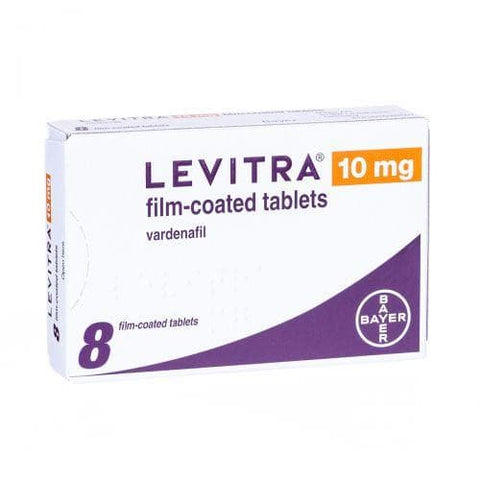
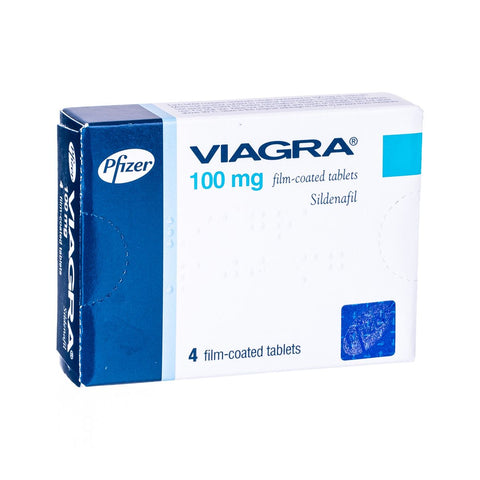
Oral medications known as PDE5 inhibitors are the first-line treatment for erectile dysfunction in men with Peyronie's disease [2]. These medicines—sildenafil (Viagra), tadalafil (Cialis), vardenafil (Levitra), and avanafil (Spedra)—work by increasing blood flow to the penis when you are sexually aroused. They do not correct the curvature itself, but they can help you achieve and maintain an erection firm enough for sex, even in the presence of plaque [3][4][5][6].
Sildenafil is taken about one hour before sex at doses of 25mg, 50mg, or 100mg, and works for around four to six hours [3]. Tadalafil can be taken on-demand (10mg or 20mg at least 30 minutes before sex, with effects lasting up to 36 hours) or as a daily low dose (2.5mg or 5mg) to allow for spontaneity [4]. Vardenafil is taken 25 to 60 minutes before sex, and avanafil works within 15 to 30 minutes, making it one of the fastest-acting options [5][6]. All require sexual stimulation to work and should not be taken more than once a day.
At Cured Pharmacy, these treatments are available following an online consultation reviewed by a UK-registered prescriber. The prescriber will check your medical history, current medications, and the severity of your erectile dysfunction to recommend the most suitable option. PDE5 inhibitors are generally safe and effective for men with Peyronie's disease, though they do not treat the underlying plaque. If oral medication alone is not sufficient, your GP or urologist may discuss additional treatments such as penile injections, vacuum devices, or surgery.
Choosing the right PDE5 inhibitor
The choice of PDE5 inhibitor depends on your preferences, lifestyle, and how you respond to treatment [2]. Sildenafil and vardenafil are shorter-acting and taken as needed, which some men prefer for planned sexual activity. Tadalafil's longer duration (up to 36 hours) offers more spontaneity, and the daily low-dose option can be helpful if you have sex regularly. Avanafil's rapid onset may suit men who want flexibility. Your prescriber will help you find the best fit.
Other treatment options for Peyronie's disease and erectile dysfunction
If oral medication does not provide sufficient improvement, or if the curvature is severe, other treatments may be considered [2]. Penile injections with alprostadil (Caverject) can be effective for men who do not respond to PDE5 inhibitors. Alprostadil works directly on the erectile tissue to cause an erection, independent of sexual stimulation [7]. It requires training from a healthcare professional and carries a small risk of priapism (a prolonged, painful erection), so it is used under specialist supervision.
Collagenase clostridium histolyticum (Xiapex) is a licensed injection treatment specifically for Peyronie's disease that can reduce curvature by breaking down the plaque [2]. It is given as a series of injections by a specialist and may improve both curvature and erectile function in some men. Vacuum erection devices can also help by drawing blood into the penis and may be used alongside other treatments. These devices are available on prescription or over the counter and can be particularly useful for men who cannot take oral medication.
Surgery is an option for men with stable, severe curvature (usually over 60 degrees) that prevents intercourse, or when other treatments have failed [2]. Surgical procedures include plication (shortening the longer side of the penis to straighten it), plaque excision with grafting, or penile implants for men with severe erectile dysfunction. Surgery carries risks including further shortening of the penis, worsening erectile function, or numbness, so it is usually reserved for carefully selected cases after discussion with a urologist.
When to get urgent help
- Erection lasting more than 4 hours (priapism) – go to A&E or call 999 immediately
- Sudden loss of vision or hearing after taking ED medication – seek urgent medical help
- Chest pain during or after sex – stop activity and call 999 if pain does not resolve quickly
- Severe dizziness, fainting, or very low blood pressure after taking ED treatment – seek same-day medical advice
- Rapidly worsening penile curvature or new severe pain – contact your GP or urologist promptly
Call 999 or go to A&E in an emergency, or contact NHS 111 for urgent advice.
Important safety considerations for men with Peyronie's disease
PDE5 inhibitors are generally safe for men with Peyronie's disease, but certain precautions apply [3][4][5][6]. You must never take these medicines if you use nitrates (such as GTN spray, isosorbide mononitrate, or isosorbide dinitrate) for angina, nicorandil, riociguat, or recreational drugs known as 'poppers' (amyl or alkyl nitrites). The combination can cause a dangerous drop in blood pressure. You should also not take more than one PDE5 inhibitor at the same time.
If you take alpha-blockers for prostate symptoms (such as tamsulosin, doxazosin, or alfuzosin), there is a risk of low blood pressure or dizziness when starting a PDE5 inhibitor [3][4]. You should be stable on the alpha-blocker and start on the lowest dose of the ED treatment. Your prescriber will check this during your consultation. Certain medicines that affect liver enzymes—such as ritonavir, cobicistat, ketoconazole, itraconazole, or clarithromycin—can increase PDE5 inhibitor levels in the blood, requiring dose adjustments or avoidance [12].
PDE5 inhibitors are not suitable if sexual activity is inadvisable, for example after a recent heart attack or stroke, if you have unstable angina, severe heart failure, very low blood pressure, or a history of sudden vision loss (NAION) [3][4][5][6]. Grapefruit juice can raise levels of some PDE5 inhibitors and should be avoided. If you experience an erection lasting more than four hours, sudden loss of vision or hearing, or chest pain during sex, seek urgent medical help. Always declare all your current medicines and health conditions during your consultation, and do not stop or change any prescribed medicine without advice from your doctor or pharmacist.
Monitoring and follow-up
Men with Peyronie's disease should have regular follow-up with their GP or urologist to monitor the curvature and erectile function [2]. If you start treatment for erectile dysfunction, your prescriber may review your progress after a few weeks to check the response and adjust the dose if needed. If your symptoms worsen, or if you develop new problems such as pain or further curvature, contact your doctor promptly.
Start with the lowest dose
If you take alpha-blockers for prostate symptoms, you should be stable on that treatment and start on the lowest dose of a PDE5 inhibitor to reduce the risk of low blood pressure. Your prescriber will check this during your consultation.
Scientific References
- NHS. (n.d.). Erectile dysfunction (impotence). NHS website. https://www.nhs.uk/conditions/erection-problems-erectile-dysfunction/ [accessed 13 October 2026]
- National Institute for Health and Care Excellence. (n.d.). Erectile dysfunction. Clinical Knowledge Summaries. https://cks.nice.org.uk/topics/erectile-dysfunction/ [accessed 13 October 2026]
- Joint Formulary Committee. (n.d.). Sildenafil. British National Formulary. NICE. https://bnf.nice.org.uk/drugs/sildenafil/ [accessed 13 October 2026]
- Joint Formulary Committee. (n.d.). Tadalafil. British National Formulary. NICE. https://bnf.nice.org.uk/drugs/tadalafil/ [accessed 13 October 2026]
- Joint Formulary Committee. (n.d.). Vardenafil. British National Formulary. NICE. https://bnf.nice.org.uk/drugs/vardenafil/ [accessed 13 October 2026]
- Joint Formulary Committee. (n.d.). Avanafil. British National Formulary. NICE. https://bnf.nice.org.uk/drugs/avanafil/ [accessed 13 October 2026]
- Joint Formulary Committee. (n.d.). Alprostadil. British National Formulary. NICE. https://bnf.nice.org.uk/drugs/alprostadil/ [accessed 13 October 2026]
- Feldman, H. A., Goldstein, I., Hatzichristou, D. G., Krane, R. J., & McKinlay, J. B. (1994). Impotence and its medical and psychosocial correlates: Results of the Massachusetts Male Aging Study. Journal of Urology, 151(1), 54–61. https://pubmed.ncbi.nlm.nih.gov/8254833/ [accessed 13 October 2026]
- Electronic Medicines Compendium. (n.d.). Summaries of Product Characteristics and Patient Information Leaflets. https://www.medicines.org.uk/emc/ [accessed 13 October 2026]
Information on this page is for educational purposes only and is not medical advice. Prescription treatments require clinical assessment by a UK-registered prescriber. Always consult a qualified healthcare professional before starting or changing any medication.
Ready to Speak to a Pharmacist?
- Reviewed by UK-based prescribers
- Takes under 3 minutes
- Discreet Packaging
Treatment Options
Pricing Disclaimer: Prices on some pages may not be up to date — the live pricing table below and pricing shown during consultation are official current prices and take precedence over any other figures on the site.
Not sure which one? Start a free consultation →






Trusted by thousands
Real people, real results
“Fabulous service and quick delivery”
“Felt the effects of these after about 5 days. Erections are better and can get aroused and ready easier”
“Excellent value and brilliant customer service”
“I received excellent service and everything went well. The order arrived quickly and in perfect condition. It's working very well! Thank you to the whole team for the great work!”
“Delivery was good, the product lived up to expectations.”
Your Path to Treatment
Choose your treatment
Select from our recommended UK-licensed medications.
Answer quick questions
Select safe UK treatments. Quick answers.
Get it delivered fast
We will deliver direct to you as quickly as tomorrow.
Frequently Asked Questions
Can Peyronie's disease be cured?
Peyronie's disease cannot always be cured, but treatments can reduce curvature, improve erectile function, and help you have satisfying sex. In some men, the condition stabilises or improves without treatment.
Will PDE5 inhibitors straighten the curve caused by Peyronie's disease?
No, PDE5 inhibitors such as sildenafil and tadalafil do not correct the curvature itself, but they can help you achieve an erection firm enough for sex despite the plaque.
Is it safe to take Viagra or Cialis if I have Peyronie's disease?
Yes, PDE5 inhibitors are generally safe and effective for men with Peyronie's disease, provided you do not have contraindications such as nitrate use or severe heart conditions. Your prescriber will check your suitability.
How long does Peyronie's disease last?
Peyronie's disease typically has an acute phase lasting up to 18 months, during which curvature may worsen, followed by a stable chronic phase. Some men see improvement over time, while others may need treatment.
Can I use a vacuum pump if I have Peyronie's disease?
Yes, vacuum erection devices can be used and may help improve blood flow and erectile function. They are often used alongside other treatments and are available on prescription or over the counter.
Should I see a specialist for Peyronie's disease and erectile dysfunction?
You should ask your GP for a referral to a urologist if the curvature is severe (over 30 degrees), worsening, or if erectile dysfunction does not improve with oral medication.
Can lifestyle changes help with Peyronie's disease?
Lifestyle changes such as stopping smoking, losing weight, exercising regularly, and reducing alcohol can improve erectile function, though they do not reverse the plaque or curvature.
What should I do if my erection lasts more than 4 hours?
An erection lasting more than 4 hours (priapism) is a medical emergency and can cause permanent damage. Go to A&E or call 999 immediately.

Medically reviewed by
Tarun Kumar, Superintendent Pharmacist (GPhC 2233073)