

Penile Implant Side Effects & Safer Alternatives
Understand the risks of penile implants and explore effective, non-surgical ED treatments with a UK pharmacist consultation.
Takes less than 2 minutes to complete 100% online

ED Treatments We Offer
Pricing Disclaimer: Prices on some pages may not be up to date — the live pricing table below and pricing shown during consultation are official current prices and take precedence over any other figures on the site.
Understanding Penile Implant Side Effects and Alternative Treatments
Published: 14 November 2026
Penile implant side effects can include infection, mechanical failure, pain, and scarring, making it important to understand the risks before considering this surgical option. While penile implants are reserved for men who haven't responded to other treatments, most men with erectile dysfunction can be helped with safer, non-invasive options such as oral tablets. This page explains how penile implants work, their potential complications, and the effective alternatives available through a UK pharmacist-led consultation.
Try tablets first
Before considering surgery, try oral ED tablets—they're effective in 70–80% of men, require no surgery, and are fully reversible. Start with a quick online consultation to find the right option for you.
What is a penile implant and how does it work?
A penile implant (also called a penile prosthesis) is a surgically inserted device designed to help men achieve an erection when other treatments for erectile dysfunction have not worked [1]. The procedure involves placing inflatable or semi-rigid rods inside the penis, which can be manually activated to create rigidity sufficient for sexual intercourse. Inflatable implants use a pump placed in the scrotum that transfers fluid from a reservoir into cylinders in the penis, while malleable (semi-rigid) implants are bendable rods that can be positioned as needed.
The surgery is performed under general or spinal anaesthesia and typically requires a hospital stay. Recovery usually takes four to six weeks before sexual activity can resume. Penile implants are considered a last-resort treatment option, recommended only when oral medications, vacuum devices, and penile injections have all failed or are unsuitable [2]. The NHS may offer this surgery in specific circumstances, though waiting times can be lengthy and strict eligibility criteria apply.
While implants can restore the mechanical ability to have intercourse, they do not increase sexual desire, improve sensation, or address underlying health conditions that may have caused the erectile dysfunction in the first place. It's important to have realistic expectations and to explore all other treatment options with a healthcare professional before considering surgery.
Common penile implant side effects and complications
Penile implant side effects can range from minor discomfort to serious complications requiring further surgery. Infection is one of the most significant risks, occurring in approximately 1–3% of cases, and may require removal of the device and a course of antibiotics [8]. Signs of infection include fever, increasing pain, redness, swelling, or discharge from the surgical site. Mechanical failure is another common issue: inflatable implants can develop leaks, pump malfunctions, or tubing problems, with studies showing that around 10–15% of devices require revision surgery within ten years.
Pain and discomfort are expected immediately after surgery, but some men experience persistent pain or altered sensation in the penis or scrotum that can last for months. Scarring and tissue damage can occur during the insertion process, and there is a small risk of erosion, where the implant wears through the skin or urethra. This is a serious complication that requires urgent medical attention and device removal.
Other potential penile implant side effects include shortening of the penis (which can occur due to scarring or the surgical technique), difficulty achieving orgasm, and dissatisfaction with the cosmetic appearance or function of the device. Psychological impacts such as anxiety, depression, or relationship strain are also reported by some men, particularly if the outcome does not meet expectations. It's essential to discuss all these risks thoroughly with a urologist before proceeding.
When to seek urgent help after penile implant surgery
After penile implant surgery, certain symptoms require immediate medical attention. Contact your surgical team or go to A&E if you develop a high fever (above 38°C), severe or worsening pain not controlled by prescribed painkillers, significant swelling or bruising that spreads rapidly, or any discharge, foul smell, or signs of infection at the surgical site. Difficulty urinating, blood in the urine, or an erection that will not deflate (in inflatable models) are also urgent warning signs that the device may be malfunctioning or that complications have developed.
When to get urgent help
- High fever (above 38°C), severe pain, or signs of infection (redness, swelling, discharge) after penile implant surgery—contact your surgical team or go to A&E immediately.
- An erection lasting more than 4 hours (priapism)—this is a medical emergency requiring urgent treatment to prevent permanent damage.
- Sudden loss of vision or hearing while taking ED tablets—stop the medication and seek urgent medical help.
- Chest pain during or after sexual activity—call 999; do not take more ED medication or use GTN spray if you have taken a PDE5 inhibitor in the last 24 hours (48 hours for tadalafil).
- Severe allergic reaction (difficulty breathing, swelling of face or throat, rash)—call 999 immediately.
Call 999 or go to A&E in an emergency, or contact NHS 111 for urgent advice.
Who might consider a penile implant?
Penile implants are typically considered only for men with severe erectile dysfunction who have not responded to, or cannot use, first-line treatments such as oral PDE5 inhibitor tablets (sildenafil, tadalafil, vardenafil, avanafil), vacuum erection devices, or penile injections [2]. This might include men with significant anatomical abnormalities, severe diabetes-related nerve damage, or those who have undergone radical prostatectomy or pelvic surgery that has permanently damaged the erectile tissue.
Candidates must be in good general health, as the surgery carries risks associated with anaesthesia and wound healing. Men with uncontrolled diabetes, active infections, or bleeding disorders may not be suitable. A thorough psychological assessment is often recommended, as unrealistic expectations or untreated mental health conditions can lead to dissatisfaction even if the implant functions correctly.
It's important to remember that the vast majority of men with erectile dysfunction can be successfully treated with oral medications, which are far less invasive, reversible, and carry significantly fewer risks than surgery [1]. A GP or specialist will always explore these options first, and penile implants are reserved for the small percentage of men for whom other treatments have genuinely failed.
Penile implant side effects compared with oral ED tablets
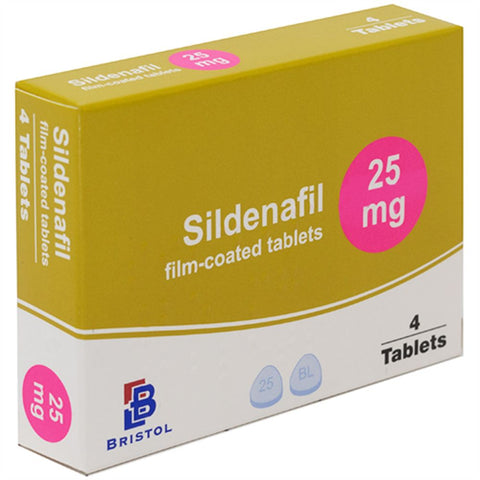
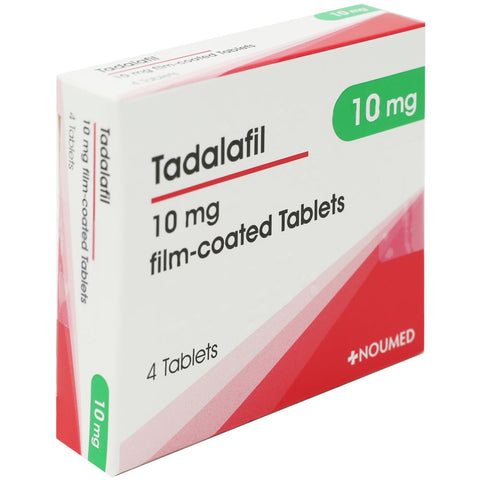
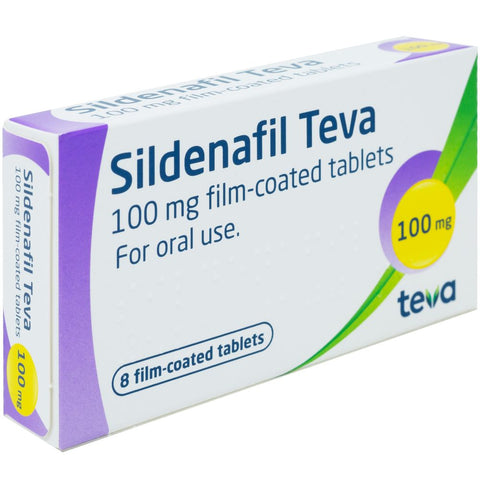
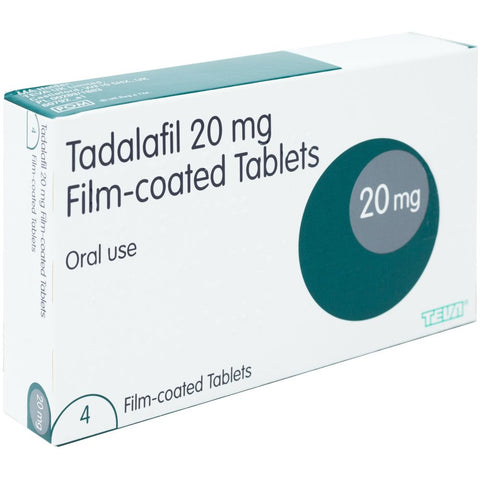
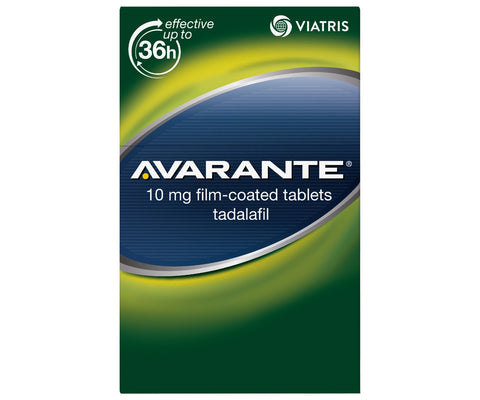
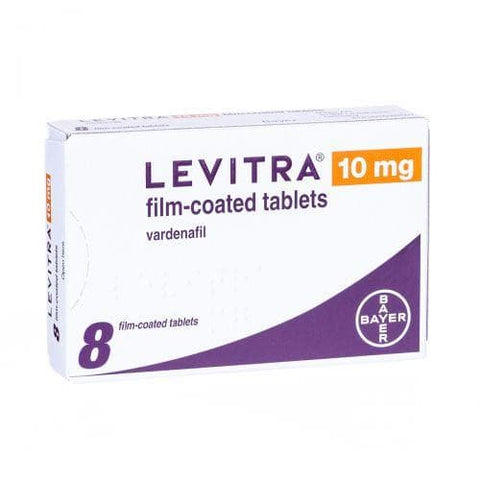
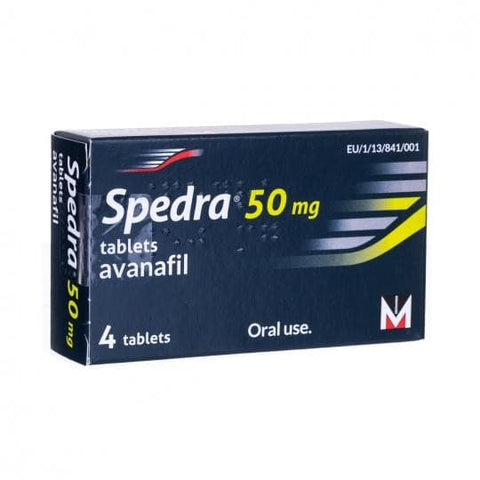
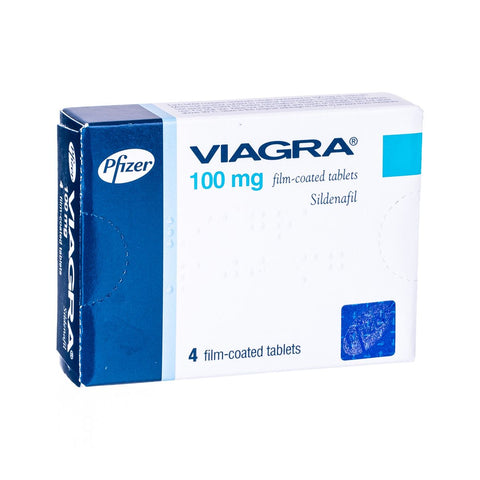
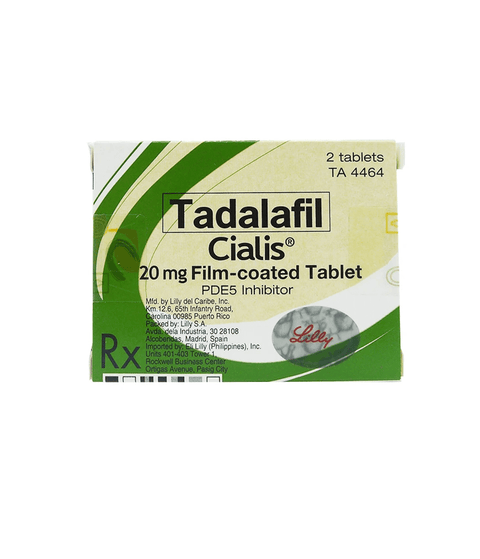
When weighing penile implant side effects against the safety profile of oral ED tablets, the difference is striking. Oral PDE5 inhibitors—such as sildenafil (Viagra), tadalafil (Cialis), vardenafil (Levitra), and avanafil (Spedra)—work by increasing blood flow to the penis when a man is sexually aroused [3][4][5][6]. They are taken as needed (or daily in the case of low-dose tadalafil) and do not require surgery, anaesthesia, or permanent changes to the body.
Common side effects of oral ED tablets are generally mild and temporary, including headache, flushing, indigestion, nasal congestion, and visual disturbances [3]. Serious side effects are rare when the tablets are used correctly and after a proper medical assessment. In contrast, penile implants carry surgical risks such as infection, bleeding, scarring, and the possibility of device failure requiring further operations. Recovery from implant surgery takes weeks, whereas oral tablets can be tried the same day they are prescribed.
Oral tablets are also reversible: if a particular medication doesn't suit you, or if your circumstances change, you can simply stop taking it or switch to a different one. A penile implant, once inserted, is a permanent change, and removal can lead to further scarring and loss of natural erectile function. For these reasons, clinical guidelines strongly recommend exhausting all non-surgical options before considering an implant [2][8].
Effectiveness of oral ED tablets
Oral PDE5 inhibitors are highly effective for the majority of men with erectile dysfunction. Clinical trials have shown that sildenafil improves erections sufficient for intercourse in around 70–80% of men, with similar success rates for tadalafil, vardenafil, and avanafil [9]. These medications work across a wide range of causes, including psychological ED, diabetes, high blood pressure, and post-prostatectomy erectile dysfunction. They require sexual stimulation to work and do not cause spontaneous erections, making them a natural and flexible option for most men.
At a glance
NHS availability and costs of penile implants versus tablets
Penile implants are available on the NHS, but only in very specific circumstances and usually after a referral to a specialist urology or sexual health service [1]. Eligibility criteria are strict, and waiting times for assessment and surgery can be many months or even years depending on your local area. Private penile implant surgery in the UK typically costs between £7,000 and £15,000, including the device, surgeon's fees, hospital stay, and follow-up care. Revision surgery, if needed due to complications or device failure, incurs additional costs.
In contrast, oral ED tablets are far more accessible and affordable. While the NHS no longer routinely prescribes PDE5 inhibitors for most men with erectile dysfunction (except in certain medical conditions such as diabetes, prostate cancer treatment, or severe distress), they are widely available through private prescription from online pharmacies such as Cured Pharmacy. A consultation with a UK-registered prescriber is required, but this can be completed quickly and conveniently online.
Generic sildenafil is available from as little as £0.45 per tablet (or £0.36 with the code Ednew on your first order), and generic tadalafil starts at £7.95 for a pack (£6.36 with Ednew). These prices make oral treatment accessible to almost everyone, with no surgical risks, no hospital visits, and the flexibility to stop or change treatment at any time. For most men, trying oral tablets first is the logical, safe, and cost-effective choice.
How to access safe ED treatment without surgery
If you're experiencing erectile dysfunction, the first step is to see your GP [1]. ED can be an early warning sign of underlying health conditions such as heart disease, diabetes, or high blood pressure, so it's important to have a full assessment. Your doctor can check for these conditions, review your current medications (some can contribute to ED), and discuss lifestyle factors such as smoking, alcohol, exercise, and stress.
Once serious underlying causes have been ruled out or managed, your GP or a specialist can recommend treatment. For the vast majority of men, oral PDE5 inhibitor tablets are the first-line option [2]. These are safe, effective, and can be tried without any permanent changes to your body. If one tablet doesn't work or causes side effects, there are several others to try, each with slightly different characteristics in terms of onset time and duration of action.
Cured Pharmacy offers a convenient, confidential way to access these treatments. After completing a short online consultation, a UK-registered prescriber will review your answers and, if appropriate, issue a prescription. Your medication is then dispensed by our GPhC-registered pharmacy and delivered discreetly to your door. You can choose from a range of options including generic sildenafil from £0.45 per tablet, generic tadalafil from £7.95, vardenafil, avanafil (Spedra), and branded Viagra or Cialis. All treatments require a prescription and are only supplied after a clinical assessment to ensure they are safe and suitable for you.
Important safety checks before taking ED tablets
PDE5 inhibitors are not suitable for everyone. You must never take them if you use nitrate medications (such as GTN spray or isosorbide mononitrate for angina), nicorandil, riociguat, or recreational drugs known as 'poppers', as the combination can cause a dangerous drop in blood pressure [3]. Men taking alpha-blockers for prostate symptoms or blood pressure need careful dose adjustment and must be stable on their alpha-blocker before starting a PDE5 inhibitor. Certain other medications, particularly potent CYP3A4 inhibitors like ritonavir or ketoconazole, can increase PDE5 levels and require dose changes or may make some tablets unsuitable. During your consultation, you'll be asked about all your current medications, and the prescriber will check for any interactions to keep you safe.
In summary
- Penile implant side effects include infection, mechanical failure, pain, and scarring; complications occur in 10–15% of cases over ten years.
- Oral ED tablets like sildenafil and tadalafil are effective in 70–80% of men, with far fewer risks and no surgery required.
- Penile implants are reserved for men who have not responded to tablets, injections, or vacuum devices; most men succeed with oral treatment.
- Generic sildenafil is available from £0.45 per tablet and tadalafil from £7.95, making safe ED treatment affordable and accessible.
- Always see your GP first, as erectile dysfunction can be an early sign of heart disease or diabetes requiring medical assessment.
Scientific References
- NHS. (n.d.). Erectile dysfunction (impotence). NHS website. https://www.nhs.uk/conditions/erection-problems-erectile-dysfunction/ [accessed 14 November 2026]
- National Institute for Health and Care Excellence. (n.d.). Erectile dysfunction. Clinical Knowledge Summaries. https://cks.nice.org.uk/topics/erectile-dysfunction/ [accessed 14 November 2026]
- Joint Formulary Committee. (n.d.). Sildenafil. British National Formulary. NICE. https://bnf.nice.org.uk/drugs/sildenafil/ [accessed 14 November 2026]
- Joint Formulary Committee. (n.d.). Tadalafil. British National Formulary. NICE. https://bnf.nice.org.uk/drugs/tadalafil/ [accessed 14 November 2026]
- Joint Formulary Committee. (n.d.). Vardenafil. British National Formulary. NICE. https://bnf.nice.org.uk/drugs/vardenafil/ [accessed 14 November 2026]
- Joint Formulary Committee. (n.d.). Avanafil. British National Formulary. NICE. https://bnf.nice.org.uk/drugs/avanafil/ [accessed 14 November 2026]
- European Association of Urology. (n.d.). EAU Guidelines on Sexual and Reproductive Health. https://uroweb.org/guidelines/sexual-and-reproductive-health [accessed 14 November 2026]
- Goldstein, I., Lue, T. F., Padma-Nathan, H., Rosen, R. C., Steers, W. D., & Wicker, P. A. (1998). Oral sildenafil in the treatment of erectile dysfunction. New England Journal of Medicine, 338(20), 1397–1404. https://pubmed.ncbi.nlm.nih.gov/9580646/ [accessed 14 November 2026]
Information on this page is for educational purposes only and is not medical advice. Prescription treatments require clinical assessment by a UK-registered prescriber. Always consult a qualified healthcare professional before starting or changing any medication.
Trusted by thousands
Real people, real results
“Fabulous service and quick delivery”
“Felt the effects of these after about 5 days. Erections are better and can get aroused and ready easier”
“Excellent value and brilliant customer service”
“I received excellent service and everything went well. The order arrived quickly and in perfect condition. It's working very well! Thank you to the whole team for the great work!”
“Delivery was good, the product lived up to expectations.”
How Our Online Service Works


Get Discreet ED Treatment Online
Reviewed by UK-based prescribers · Takes under 3 minutes · Discreet Packaging
Your Questions Answered

Medically reviewed by
Tarun Kumar, Superintendent Pharmacist (GPhC 2233073)