

Penile Implant NHS: Procedure, Availability & Alternatives
Understand penile implant surgery, NHS access, and how it compares with oral ED tablets through our UK pharmacist-led consultation.
Takes less than 2 minutes to complete 100% online
Penile Implant NHS: Availability, Procedure & Alternatives
Published: 14 November 2026
A penile implant NHS procedure is a surgical option for erectile dysfunction that involves placing a device inside the penis to enable erections, typically reserved for men who have not responded to other treatments. While penile implants are available on the NHS, access is limited and usually requires referral to a specialist urology service after trying first-line treatments such as oral tablets. This page explains how penile implants work, who may be suitable, what the procedure involves, and how surgical options compare with non-invasive treatments like sildenafil and tadalafil.
Try tablets first
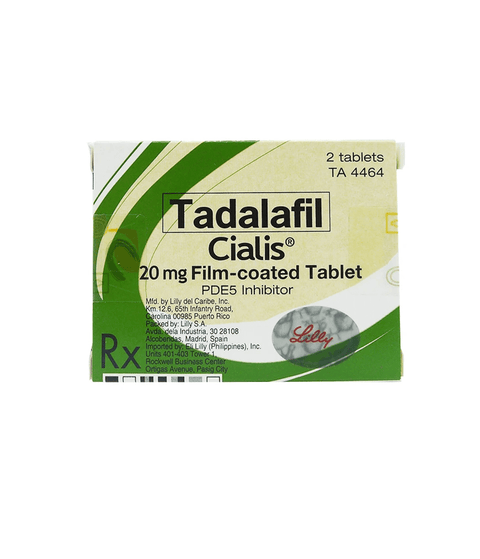
Most men with ED respond well to oral tablets such as sildenafil or tadalafil. These are safe, effective, and reversible, and should be tried before considering surgery. Cured Pharmacy offers a confidential online consultation to help you find the right treatment.
What is a penile implant and how does it work?
A penile implant (also called a penile prosthesis) is a surgically inserted device designed to help men achieve an erection when other treatments have failed. There are two main types: inflatable implants, which use a pump mechanism to fill cylinders placed in the penis with fluid, and semi-rigid (malleable) rods that keep the penis firm but can be bent into position. Inflatable implants are more commonly used in the UK because they provide a more natural appearance when not in use and allow the penis to return to a flaccid state.
The device is entirely internal, so it is not visible from the outside. For inflatable implants, a small pump is placed in the scrotum; squeezing the pump transfers fluid from a reservoir (usually positioned in the lower abdomen) into the cylinders, creating an erection. Releasing a valve returns the fluid to the reservoir. Semi-rigid rods do not require pumping but remain firm at all times, which some men find less discreet. Both types are designed to be permanent solutions and can last 10–15 years or longer with proper care.
Penile implants do not restore natural erectile function or sensation, but they do enable penetrative intercourse. They are considered only after oral medications, vacuum devices, and injectable treatments have been tried and found ineffective or unsuitable. The procedure is irreversible because it involves removing some of the erectile tissue, so careful discussion with a urologist is essential before proceeding.
Who may be suitable for a penile implant NHS procedure?
Penile implants are typically reserved for men with severe erectile dysfunction that has not improved with first-line treatments such as PDE5 inhibitor tablets (sildenafil, tadalafil, vardenafil, avanafil), vacuum erection devices, or alprostadil injections or creams. Common underlying causes that may lead to consideration of an implant include diabetes, prostate cancer treatment (surgery or radiotherapy), Peyronie's disease with severe curvature, spinal cord injury, or other conditions that cause permanent damage to the erectile tissue.
To be considered for a penile implant on the NHS, you will usually need a referral from your GP to a urology specialist. The urologist will assess your medical history, the severity of your ED, and whether you have tried and failed other treatments. Psychological factors are also evaluated, as some men may benefit more from counselling or psychosexual therapy than surgery. You must be fit enough for general or spinal anaesthesia and the surgical procedure itself.
Men who are still responding to oral tablets, even partially, are generally not offered surgery because the risks and irreversible nature of the procedure outweigh the benefits. Similarly, if ED is primarily psychological or relationship-based, non-surgical approaches are preferred. Your urologist will discuss realistic expectations, potential complications, and the impact on sexual function and satisfaction before any decision is made.
NHS availability and waiting times
Penile implant surgery is available on the NHS, but access varies significantly by region and clinical commissioning group. In many areas, funding is restricted to men with specific medical conditions (such as ED following prostate cancer treatment or spinal injury) or those who meet strict criteria after documented failure of multiple other treatments. Waiting times for urology referral, assessment, and surgery can range from several months to over a year, depending on local demand and resources.
Some NHS trusts require individual funding requests for penile implant surgery, which can add further delays. Private treatment is an alternative for men who wish to proceed more quickly, but costs typically range from £7,000 to £15,000 depending on the type of implant and the surgeon. If you are considering a penile implant, your GP can provide information about local NHS pathways and whether you are likely to meet the criteria for funding.
The penile implant procedure: what to expect
Penile implant surgery is usually performed under general anaesthesia and takes between one and two hours. The surgeon makes a small incision, typically at the base of the penis or in the scrotum, and inserts the cylinders into the erectile chambers (corpora cavernosa). For inflatable implants, the pump is placed in the scrotum and the fluid reservoir in the lower abdomen. The incisions are then closed with dissolvable stitches. Most men stay in hospital for one to two nights after the procedure.
Recovery involves some pain, swelling, and bruising, which usually settle within a few weeks. You will be advised to avoid sexual activity for four to six weeks to allow the tissues to heal. The surgical team will teach you how to use the pump (for inflatable implants) before you leave hospital, and follow-up appointments are arranged to check healing and function. Light activities can usually resume within a week, but heavy lifting and strenuous exercise should be avoided for at least four weeks.
Complications are uncommon but can include infection (which may require removal of the implant), mechanical failure of the device, erosion of the implant through the skin, or persistent pain. Infection rates are typically below 3%, and modern devices have improved reliability. If the implant fails or becomes infected, revision surgery or removal may be necessary. Despite these risks, satisfaction rates among men who have penile implants are generally high, with studies reporting that 80–90% of men and their partners are satisfied with the outcome.
What you need to know
- Penile implants are surgical devices for severe ED unresponsive to tablets or injections, available on the NHS with regional variation.
- The procedure is permanent and irreversible, with high satisfaction rates but risks including infection and mechanical failure.
- Oral ED tablets like sildenafil and tadalafil are first-line treatments, effective in most men and available from Cured Pharmacy.
- Penile implants enable erection on demand without tablets, but do not restore natural erectile function or sensation.
- Speak with your GP about referral to urology if you have tried other treatments without success.
Penile implant NHS vs oral ED tablets: key differences
Oral ED tablets such as sildenafil, tadalafil, vardenafil, and avanafil are the first-line treatment for most men with erectile dysfunction and work by increasing blood flow to the penis in response to sexual stimulation. They are non-invasive, taken as needed (or daily in the case of low-dose tadalafil), and effective in around 60–70% of men across all causes of ED. Tablets require planning (taken 15 minutes to 1 hour before sex, depending on the medicine) and do not work without sexual arousal. They are not suitable for men taking nitrates or certain other medicines, and some men experience side effects such as headache, flushing, or indigestion.
In contrast, a penile implant is a permanent surgical solution that enables an erection on demand without the need for tablets or injections. It is highly effective for men who do not respond to oral treatments, but it involves surgery, recovery time, and the risk of complications. Once an implant is in place, natural erectile function is lost, so the decision is irreversible. Implants do not depend on blood flow or nerve function, making them suitable for men with severe vascular or nerve damage.
For most men, oral tablets are tried first because they are safe, effective, and reversible. Penile implants are reserved for those who have exhausted other options or have specific medical conditions that make tablets unsuitable. The choice between tablets and surgery depends on the cause and severity of ED, overall health, personal preferences, and how much the condition affects quality of life. A full discussion with a GP or urologist will help determine the most appropriate treatment pathway.
Other non-tablet treatments for ED
Before considering a penile implant, several other non-tablet treatments may be tried. Vacuum erection devices (VEDs) use a pump to draw blood into the penis, with a constriction ring placed at the base to maintain the erection. VEDs are non-invasive and can be effective, though some men find them cumbersome. Alprostadil is a medicine that can be injected directly into the penis (Caverject) or applied as a cream into the urethra (Vitaros); it works by relaxing blood vessels and is often effective when tablets are not, but it requires training and can cause pain or prolonged erections.
Psychosexual therapy or counselling may be helpful if anxiety, stress, or relationship issues contribute to ED. Lifestyle changes—such as losing weight, stopping smoking, reducing alcohol, and increasing physical activity—can improve erectile function, especially when ED is linked to cardiovascular risk factors. Your GP or urologist will discuss which combination of treatments is most suitable before surgery is considered.
Effectiveness and satisfaction with penile implants
Penile implants have a high technical success rate, with the majority of devices functioning well for many years. Inflatable implants typically last 10–15 years, though mechanical failure can occur and may require revision surgery. Semi-rigid rods are simpler and less prone to mechanical problems but are less popular due to their lack of a flaccid state. Studies consistently show that 80–90% of men who receive a penile implant report satisfaction with the device, and partner satisfaction is similarly high.
Satisfaction is influenced by realistic expectations, thorough pre-operative counselling, and the absence of complications. Men who understand that the implant will not restore natural erections or increase penis size, but will enable reliable rigidity for intercourse, tend to report better outcomes. Some men experience a slight reduction in penile length after surgery, which should be discussed beforehand. Sensation and the ability to orgasm are usually preserved, as the implant does not affect the nerves responsible for these functions.
It is important to note that a penile implant does not treat underlying health conditions such as diabetes or cardiovascular disease, nor does it address low libido or relationship difficulties. A holistic approach that includes managing other health issues and, where appropriate, psychological support, will optimise overall sexual health and quality of life. Regular follow-up with your urology team ensures any problems are identified and managed promptly.
When to get urgent help
- Erection lasting more than 4 hours (priapism) – go to A&E immediately to prevent permanent damage
- Sudden loss of vision or hearing after taking ED medication – stop the medicine and seek urgent medical advice
- Chest pain during or after sexual activity – call 999; do not take further ED medication
- Signs of infection after penile implant surgery (fever, severe pain, discharge, redness) – contact your surgical team or GP urgently
- Severe allergic reaction (swelling of face, lips, tongue, difficulty breathing) – call 999
Call 999 or go to A&E in an emergency, or contact NHS 111 for urgent advice.
How Cured Pharmacy can support your ED treatment journey
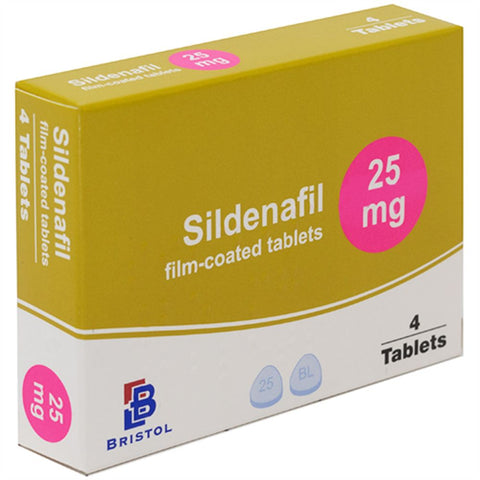
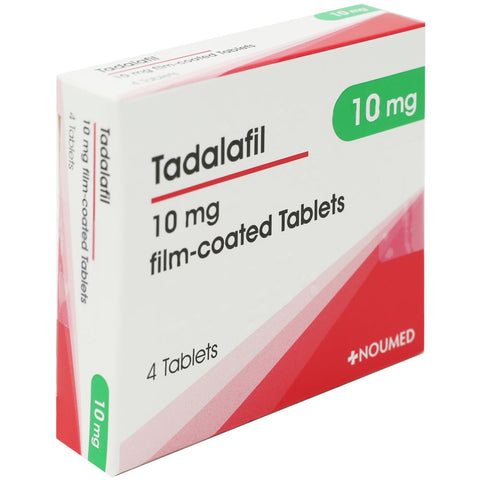
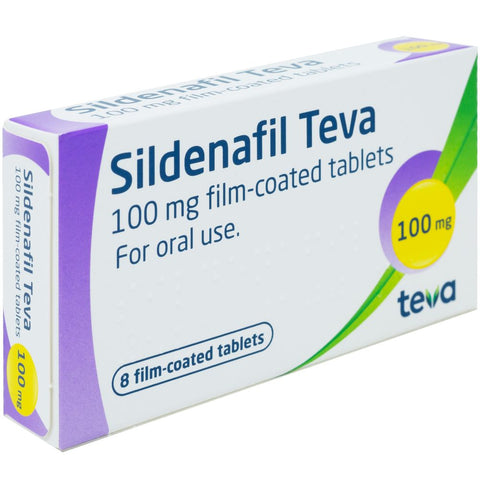
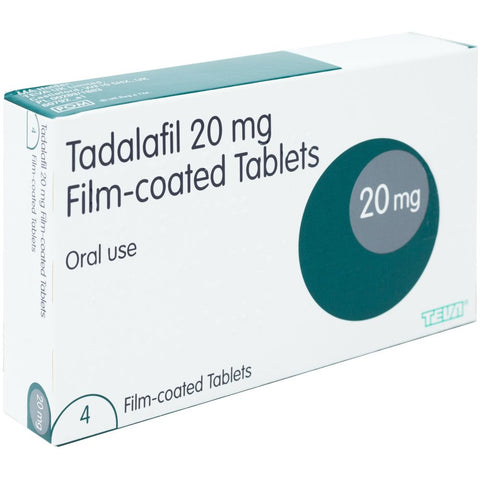
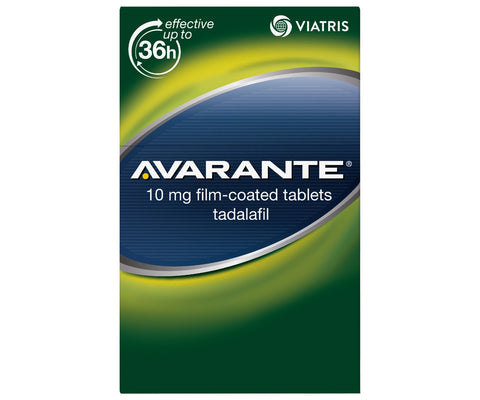
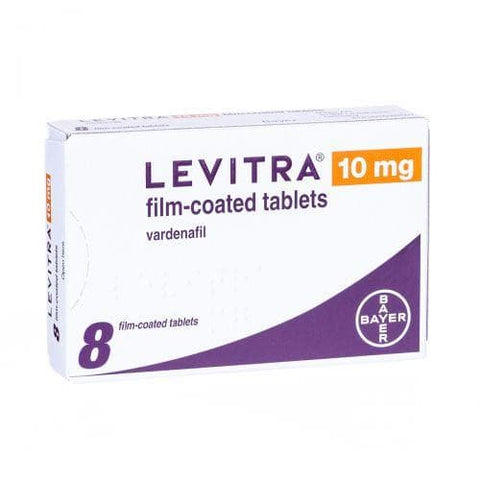
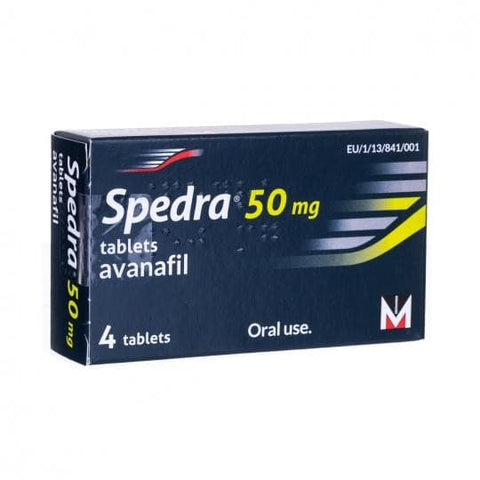
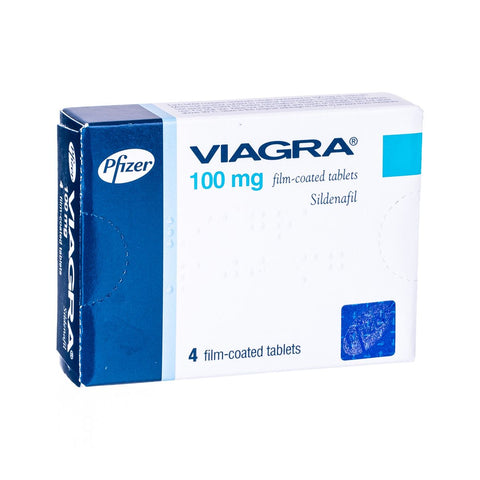
If you are exploring treatment options for erectile dysfunction, Cured Pharmacy offers a convenient, confidential online consultation service for oral ED medicines. Our UK-registered prescribers review every consultation to ensure the treatment is safe and suitable for you, taking into account your medical history and any other medicines you are taking. We stock a full range of PDE5 inhibitor tablets, including sildenafil (from £0.45 per tablet, or £0.36 with first-order code Ednew), tadalafil (from £7.95, or £6.36 with code Ednew), vardenafil, avanafil (Spedra), and branded Viagra and Cialis.
Our service is designed to make accessing ED treatment straightforward and discreet, with fast delivery and support from experienced pharmacists. While we do not provide surgical treatments such as penile implants, we can help you find the most effective oral or topical option if you have not yet tried tablets, or if you are looking for an alternative to your current treatment. If oral medicines are not suitable or effective for you, we encourage you to speak with your GP about referral to a specialist urology service for further assessment.
Erectile dysfunction is common, affecting around half of men aged 40–70 to some degree, and it is highly treatable. Whether you are considering tablets for the first time or exploring all your options including surgery, seeking help early can improve both your sexual health and your overall wellbeing. Our team is here to provide expert advice and support every step of the way.
Starting treatment with Cured Pharmacy
To begin, complete a short online consultation on our website. You will be asked about your symptoms, medical history, and any medicines you currently take. A UK-registered prescriber will review your answers, usually within a few hours, and if appropriate will approve a prescription for the most suitable ED tablet. Your medicine is then dispensed by our GPhC-registered pharmacy and dispatched in discreet, unmarked packaging with fast delivery options available.
If you have any questions about which treatment might be right for you, or if you are unsure whether oral tablets are suitable, our pharmacist team is available to provide advice. We are committed to safe, effective, and patient-centred care, and we work closely with you to ensure the best possible outcome for your erectile dysfunction treatment.
Scientific References
- NHS. (n.d.). Erectile dysfunction (impotence). NHS website. https://www.nhs.uk/conditions/erection-problems-erectile-dysfunction/ [accessed 14 November 2026]
- National Institute for Health and Care Excellence. (n.d.). Erectile dysfunction. Clinical Knowledge Summaries. https://cks.nice.org.uk/topics/erectile-dysfunction/ [accessed 14 November 2026]
- European Association of Urology. (n.d.). EAU Guidelines on Sexual and Reproductive Health. https://uroweb.org/guidelines/sexual-and-reproductive-health [accessed 14 November 2026]
- Feldman, H. A., Goldstein, I., Hatzichristou, D. G., Krane, R. J., & McKinlay, J. B. (1994). Impotence and its medical and psychosocial correlates: Results of the Massachusetts Male Aging Study. Journal of Urology, 151(1), 54–61. https://pubmed.ncbi.nlm.nih.gov/8254833/ [accessed 14 November 2026]
Information on this page is for educational purposes only and is not medical advice. Prescription treatments require clinical assessment by a UK-registered prescriber. Always consult a qualified healthcare professional before starting or changing any medication.
Start Your Assessment For Erectile Dysfunction
Reviewed by UK-based prescribers · Takes under 3 minutes · Discreet Packaging
Our ED Treatments
Pricing Disclaimer: Prices on some pages may not be up to date — the live pricing table below and pricing shown during consultation are official current prices and take precedence over any other figures on the site.
Trusted by thousands
Real people, real results
“Fabulous service and quick delivery”
“Felt the effects of these after about 5 days. Erections are better and can get aroused and ready easier”
“Excellent value and brilliant customer service”
“I received excellent service and everything went well. The order arrived quickly and in perfect condition. It's working very well! Thank you to the whole team for the great work!”
“Delivery was good, the product lived up to expectations.”
How it Works?
Choose your treatment
Select from our recommended UK-licensed medications.

Answer quick questions
Select safe UK treatments. Quick answers.

Get it delivered fast
We will deliver direct to you as quickly as tomorrow.

Faq
Can I get a penile implant on the NHS?
Yes, penile implant surgery is available on the NHS, but access is limited and usually requires referral to a specialist urology service after trying first-line treatments such as oral tablets and injections. Funding and waiting times vary by region.
How long does a penile implant last?
Inflatable penile implants typically last 10–15 years or longer, though mechanical failure can occur and may require revision surgery. Semi-rigid rods are simpler and may last longer but are less commonly used.
Is a penile implant reversible?
No, penile implant surgery is irreversible because it involves removing some of the natural erectile tissue. Once an implant is in place, natural erectile function cannot be restored, so careful discussion with a urologist is essential before proceeding.
What are the risks of penile implant surgery?
Risks include infection (which may require removal of the implant), mechanical failure, erosion of the device, persistent pain, and a possible reduction in penile length. Infection rates are typically below 3%, and most men are satisfied with the outcome.
Should I try oral ED tablets before considering a penile implant?
Yes, oral PDE5 inhibitor tablets such as sildenafil and tadalafil are the first-line treatment for ED and are effective in around 60–70% of men. Penile implants are reserved for men who have not responded to tablets, injections, or other non-surgical treatments.
Will a penile implant affect sensation or orgasm?
No, a penile implant does not usually affect sensation or the ability to orgasm, as it does not interfere with the nerves responsible for these functions. However, it does not restore natural erectile tissue or increase penis size.
How much does a penile implant cost privately in the UK?
Private penile implant surgery in the UK typically costs between £7,000 and £15,000, depending on the type of implant and the surgeon. NHS treatment is available for eligible patients, though waiting times and funding criteria vary.
Can I use oral ED tablets if I have a penile implant?
Once a penile implant is in place, oral ED tablets are not needed and will not provide additional benefit, as the implant enables erection mechanically rather than through increased blood flow. The implant replaces the need for tablets or other treatments.

Medically reviewed by
Tarun Kumar, Superintendent Pharmacist (GPhC 2233073)