


What Is a Nocturnal Penile Tumescence Test?
Learn how this diagnostic test helps identify the cause of erectile dysfunction and when to seek advice.
Takes less than 2 minutes to complete 100% online
Understanding the Nocturnal Penile Tumescence Test for Erectile Dysfunction
Published: 17 October 2026
A nocturnal penile tumescence test (NPT test) is a diagnostic procedure that monitors erections during sleep to help determine whether erectile dysfunction has a physical or psychological cause. Most men experience several spontaneous erections during REM sleep, and the NPT test records the number, firmness, and duration of these nighttime erections. If normal erections occur during sleep but not during waking sexual activity, this suggests the ED may have a psychological component rather than a purely physical one.
At a glance
What is a nocturnal penile tumescence test and how does it work?
The nocturnal penile tumescence test is a non-invasive assessment that measures the quality and frequency of erections that occur naturally during sleep [1]. Healthy men typically experience three to five erections per night during rapid eye movement (REM) sleep, each lasting around 25 to 35 minutes. The test uses sensors or monitoring devices placed around the penis to record changes in circumference, rigidity, and duration throughout the night.
There are two main approaches to NPT testing. A formal sleep-laboratory test involves spending one or more nights in a clinic where sophisticated equipment monitors brain activity, sleep stages, and penile tumescence simultaneously. A simpler home version, sometimes called a 'stamp test' or portable monitoring device, can be used at home over several nights to record basic information about nighttime erections. Both methods aim to establish whether the erectile mechanism itself is functioning normally when the mind is at rest and free from performance anxiety or psychological stress.
The results help clinicians distinguish between organic (physical) and psychogenic (psychological) causes of ED. If the test shows normal nocturnal erections, it suggests that the blood vessels, nerves, and tissues of the penis are working properly, and psychological factors such as stress, anxiety, or relationship issues may be contributing to waking erectile difficulties [2]. Conversely, absent or poor-quality nighttime erections may point to an underlying physical problem such as vascular disease, diabetes, or hormonal imbalance.
Why is the nocturnal penile tumescence test used in diagnosing ED?
Erectile dysfunction can arise from a wide range of causes, including cardiovascular disease, diabetes, hormonal disorders, neurological conditions, medication side effects, and psychological factors such as depression or anxiety [1][2]. Identifying the underlying cause is essential for choosing the most effective treatment. The nocturnal penile tumescence test provides objective evidence about the physical capacity for erection, which can guide further investigation and management.
In clinical practice, the NPT test is not routinely performed for every man with ED. Most cases are managed based on medical history, physical examination, and blood tests to check for diabetes, cholesterol, and testosterone levels. However, the test may be recommended in specific situations: when there is uncertainty about whether the cause is physical or psychological, when a young man presents with ED and no obvious risk factors, when medico-legal documentation is required, or when initial treatments have not been successful and further diagnostic clarity is needed.
The test is particularly useful when a man reports complete inability to achieve an erection during sexual activity but has no known medical conditions that would explain it. If the NPT test reveals normal erections during sleep, this can reassure both patient and clinician that the erectile tissue and blood supply are intact, and therapy can focus on psychological support, relationship counselling, or addressing performance anxiety. If the test shows abnormal results, further investigations such as penile Doppler ultrasound or hormone profiling may be warranted to identify the specific physical cause.
When is an NPT test recommended?
Your GP or specialist may suggest a nocturnal penile tumescence test if your medical history and examination do not clearly point to a physical or psychological cause, if you are a younger man with no obvious risk factors, or if there is a need for objective evidence in complex cases. It is not a first-line test and is typically reserved for situations where the diagnosis remains unclear after initial assessment [2]. Most men with ED will not require an NPT test, as a thorough consultation and basic blood tests are usually sufficient to guide treatment.
How is a nocturnal penile tumescence test performed?
A formal nocturnal penile tumescence test is carried out in a sleep laboratory or specialist clinic. You will be asked to spend one or more nights in the facility, where sensors are attached to the penis to measure changes in circumference and rigidity. Additional monitoring equipment may record your sleep stages, heart rate, and breathing to ensure the data is collected during REM sleep, when spontaneous erections normally occur. The test is painless and non-invasive, though some men find the clinical environment unfamiliar or uncomfortable.
Home-based versions of the test are also available. These portable devices are worn overnight for several consecutive nights in the comfort of your own home. They typically consist of loops or bands placed around the penis that detect expansion and firmness. The data is stored in a small recorder and later reviewed by a healthcare professional. While less comprehensive than laboratory testing, home monitoring can provide useful information and is more convenient and private.
Before the test, you may be asked to avoid alcohol and certain medications that could interfere with sleep or erectile function. Your doctor will provide specific instructions. After the test, the results are analysed to determine the number, duration, and quality of nocturnal erections. This information is then discussed with you as part of a broader assessment of your erectile dysfunction, and a treatment plan is developed based on the findings and your individual circumstances.
What you need to know
- A nocturnal penile tumescence test monitors erections during sleep to help diagnose the cause of ED.
- Normal nighttime erections suggest psychological factors; abnormal results point to physical causes.
- The test is not routine and is used when the cause of ED is unclear after initial assessment.
- Effective ED treatments are available after a UK prescriber consultation at Cured Pharmacy.
What do nocturnal penile tumescence test results mean?
Normal NPT test results show that you experience several firm erections during sleep, each lasting long enough to indicate healthy erectile function. This pattern suggests that the physical mechanisms required for an erection—adequate blood flow, nerve function, and penile tissue health—are intact [1]. In this case, erectile difficulties during waking hours are more likely to be related to psychological factors such as stress, anxiety, depression, or relationship issues. Treatment may then focus on counselling, psychosexual therapy, or addressing underlying mental health concerns.
Abnormal results, characterised by absent, infrequent, or weak nocturnal erections, suggest a physical cause for your ED. Potential underlying conditions include cardiovascular disease, diabetes, low testosterone, nerve damage, or side effects from medications [2]. Further tests may be needed to pinpoint the specific problem, such as blood tests for hormone levels and metabolic markers, penile Doppler ultrasound to assess blood flow, or specialist referral to a urologist or endocrinologist.
It is important to remember that the NPT test is just one piece of the diagnostic puzzle. Many men with ED have a combination of physical and psychological factors, and the test results should be interpreted alongside your full medical history, lifestyle, and any other investigations. Your doctor will discuss the findings with you and recommend the most appropriate treatment, which may include lifestyle changes, oral medications such as PDE5 inhibitors, psychological support, or other therapies tailored to your needs.
Can the test be wrong?
Like any diagnostic test, the nocturnal penile tumescence test is not infallible. Factors such as poor sleep quality, sleep disorders like sleep apnoea, anxiety about being monitored, or certain medications can affect the results. A single night of testing may not be representative, which is why some clinics perform the test over multiple nights or combine it with other assessments. If the results are unclear or inconsistent with your symptoms, your doctor may recommend repeating the test or pursuing alternative investigations.
Causes of erectile dysfunction and when to see a doctor
Erectile dysfunction is a common condition that can affect men of all ages, though it becomes more prevalent with age. Physical causes include cardiovascular disease, high blood pressure, diabetes, obesity, high cholesterol, hormonal imbalances (particularly low testosterone), neurological disorders, and side effects of medications such as antidepressants or blood pressure tablets [1][2]. Lifestyle factors such as smoking, excessive alcohol consumption, lack of exercise, and poor diet also contribute to ED by damaging blood vessels and reducing blood flow to the penis.
Psychological causes are equally important and include stress, anxiety, depression, relationship problems, and performance anxiety. In many cases, ED has both physical and psychological components that interact and reinforce each other. For example, an initial physical problem may lead to anxiety about sexual performance, which in turn worsens the erectile difficulty. Understanding the underlying cause is essential for effective treatment, and this is where tests such as the nocturnal penile tumescence test can provide valuable insight.
You should see your GP if you experience persistent or recurrent erectile dysfunction, as it can be an early warning sign of serious health conditions such as heart disease or diabetes [1]. Your doctor will take a detailed medical history, perform a physical examination, and arrange blood tests to check for underlying conditions. They will also review your current medications and discuss lifestyle factors. Based on this assessment, they may recommend treatment, refer you to a specialist, or suggest further tests such as an NPT test if the cause is unclear. Do not be embarrassed to seek help—ED is a medical condition, and effective treatments are available.
When to get urgent help
- Erection lasting more than 4 hours (priapism) – go to A&E immediately
- Sudden loss of vision or hearing after taking ED medication – seek urgent medical help
- Chest pain during sexual activity – stop and call 999 if pain does not resolve quickly
- Severe dizziness or fainting after taking ED medication – seek same-day medical advice
Call 999 or go to A&E in an emergency, or contact NHS 111 for urgent advice.
Treatment options for erectile dysfunction at Cured Pharmacy
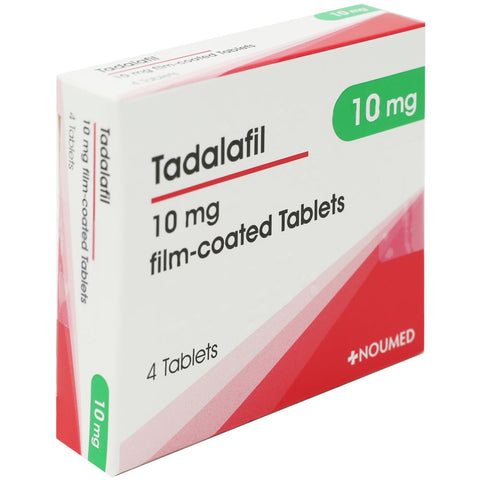
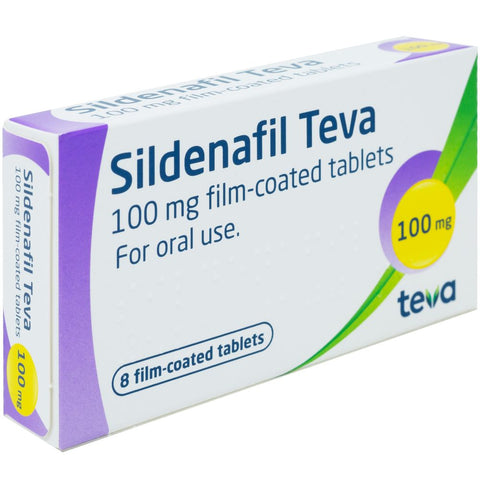
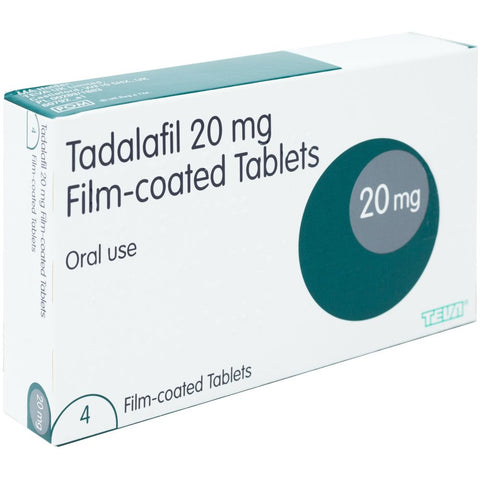
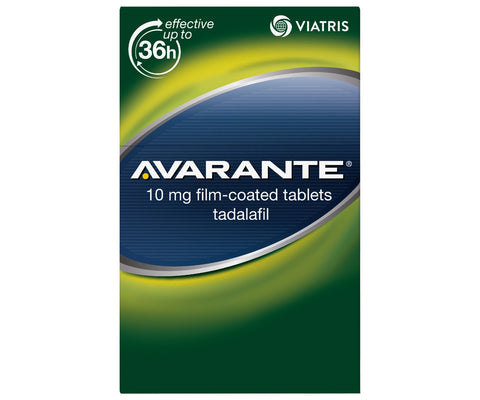
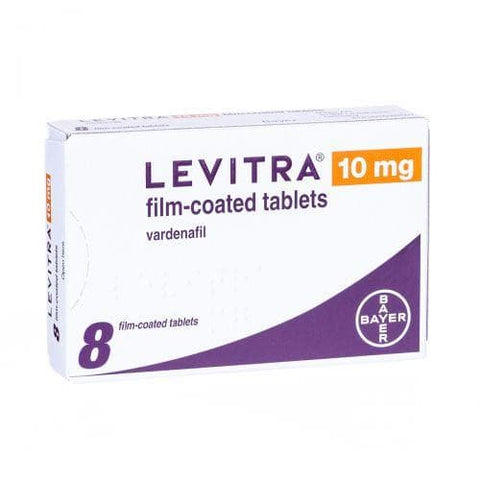
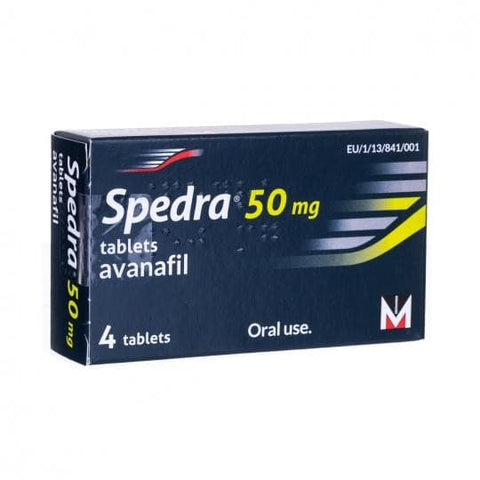
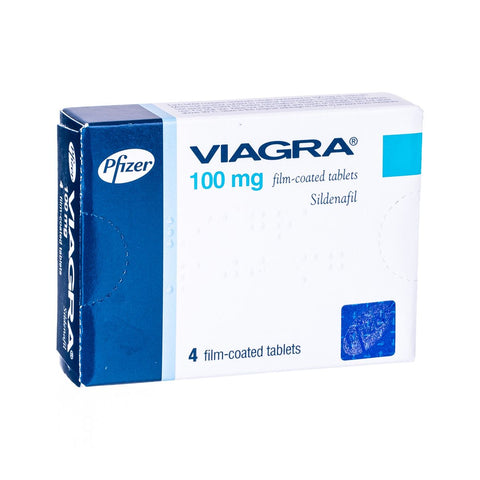
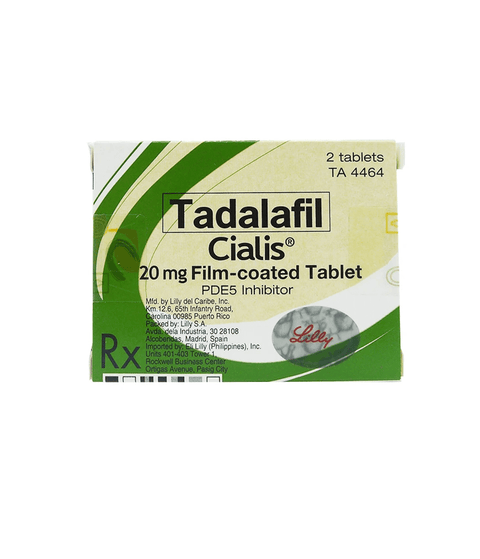
Once the cause of your erectile dysfunction has been identified, a range of effective treatments is available. The most commonly prescribed medications are PDE5 inhibitors, which work by increasing blood flow to the penis in response to sexual stimulation [3][4][5][6]. These include sildenafil (Viagra), tadalafil (Cialis), vardenafil (Levitra), and avanafil (Spedra). Each has a slightly different onset and duration of action, allowing you to choose the option that best suits your lifestyle and preferences.
At Cured Pharmacy, we offer a convenient online consultation service that is reviewed by a UK-registered prescriber. If treatment is appropriate, your medication is dispensed by our GPhC-registered pharmacy and delivered discreetly to your door. We stock a range of ED treatments, including generic and branded options. For example, sildenafil is available from £0.45 per tablet (£0.36 with first-order code Ednew), and tadalafil from £7.95 (£6.36 with code Ednew). All prices include the clinical consultation and delivery.
It is important to remember that prescription ED medications are not suitable for everyone. They must not be taken with nitrates, nicorandil, or recreational drugs known as 'poppers', as this combination can cause a dangerous drop in blood pressure [3][4]. Men taking alpha-blockers or certain other medications require careful dose adjustment and prescriber review. During your online consultation, you will be asked about your medical history, current medications, and any other health conditions to ensure the treatment is safe and appropriate for you. If oral medications are not suitable, your GP or specialist can discuss alternative options such as vacuum devices, injections, or psychological therapy.
How do PDE5 inhibitors work?
PDE5 inhibitors work by blocking an enzyme called phosphodiesterase type 5, which breaks down a substance that relaxes smooth muscle in the penis. By inhibiting this enzyme, the medications help blood vessels dilate and increase blood flow to the penis during sexual arousal, making it easier to achieve and maintain an erection [3]. They do not cause an erection on their own—sexual stimulation is still required. Side effects can include headache, flushing, indigestion, and nasal congestion, and you should seek urgent medical help if you experience an erection lasting more than four hours, sudden vision or hearing loss, or chest pain during sex.
See your GP first
Erectile dysfunction can be an early sign of heart disease or diabetes. A full medical assessment, including blood tests, is essential before considering an NPT test or starting treatment.
Scientific References
- NHS. (n.d.). Erectile dysfunction (impotence). NHS website. https://www.nhs.uk/conditions/erection-problems-erectile-dysfunction/ [accessed 17 October 2026]
- National Institute for Health and Care Excellence. (n.d.). Erectile dysfunction. Clinical Knowledge Summaries. https://cks.nice.org.uk/topics/erectile-dysfunction/ [accessed 17 October 2026]
- Joint Formulary Committee. (n.d.). Sildenafil. British National Formulary. NICE. https://bnf.nice.org.uk/drugs/sildenafil/ [accessed 17 October 2026]
- Joint Formulary Committee. (n.d.). Tadalafil. British National Formulary. NICE. https://bnf.nice.org.uk/drugs/tadalafil/ [accessed 17 October 2026]
- Joint Formulary Committee. (n.d.). Vardenafil. British National Formulary. NICE. https://bnf.nice.org.uk/drugs/vardenafil/ [accessed 17 October 2026]
- Joint Formulary Committee. (n.d.). Avanafil. British National Formulary. NICE. https://bnf.nice.org.uk/drugs/avanafil/ [accessed 17 October 2026]
Information on this page is for educational purposes only and is not medical advice. Prescription treatments require clinical assessment by a UK-registered prescriber. Always consult a qualified healthcare professional before starting or changing any medication.
Trusted by thousands
Real people, real results
“Fabulous service and quick delivery”
“Felt the effects of these after about 5 days. Erections are better and can get aroused and ready easier”
“Excellent value and brilliant customer service”
“I received excellent service and everything went well. The order arrived quickly and in perfect condition. It's working very well! Thank you to the whole team for the great work!”
“Delivery was good, the product lived up to expectations.”
How it Works?
Choose your treatment
Select from our recommended UK-licensed medications.
Answer quick questions
Select safe UK treatments. Quick answers.
Get it delivered fast
We will deliver direct to you as quickly as tomorrow.
Faq
Is the nocturnal penile tumescence test painful?
No, the NPT test is completely non-invasive and painless. Sensors are placed around the penis to monitor erections during sleep, and you will not feel any discomfort during the test.
How long does a nocturnal penile tumescence test take?
A formal sleep-laboratory test typically requires one or more nights in a clinic. Home-based portable monitoring is usually done over several consecutive nights to gather reliable data.
Will I need a nocturnal penile tumescence test if I have ED?
Most men with ED do not require an NPT test. It is reserved for cases where the cause is unclear after medical history, examination, and blood tests, or when objective evidence is needed for complex diagnoses.
Can I do the nocturnal penile tumescence test at home?
Yes, portable home monitoring devices are available and can be used over several nights. While less detailed than laboratory testing, they provide useful information and are more convenient and private.
What happens if my nocturnal penile tumescence test is normal?
Normal results suggest your erectile tissue and blood flow are functioning well, and psychological factors such as stress or anxiety may be contributing to your ED. Your doctor may recommend counselling or psychosexual therapy.
What if my nocturnal penile tumescence test shows abnormal results?
Abnormal results indicate a likely physical cause for your ED. Your doctor will arrange further tests such as blood work or penile Doppler ultrasound and discuss appropriate treatments, which may include lifestyle changes or medication.
Can medications affect the nocturnal penile tumescence test?
Yes, certain medications and alcohol can interfere with sleep quality and erectile function, potentially affecting test results. Your doctor will advise you on what to avoid before the test.
How accurate is the nocturnal penile tumescence test?
The NPT test is a useful diagnostic tool, but it is not perfect. Factors such as poor sleep, anxiety, or sleep disorders can affect results, so findings are always interpreted alongside your full medical history and other investigations.
Our ED Treatments
Pricing Disclaimer: Prices on some pages may not be up to date — the live pricing table below and pricing shown during consultation are official current prices and take precedence over any other figures on the site.
Not sure which one? Start a free consultation →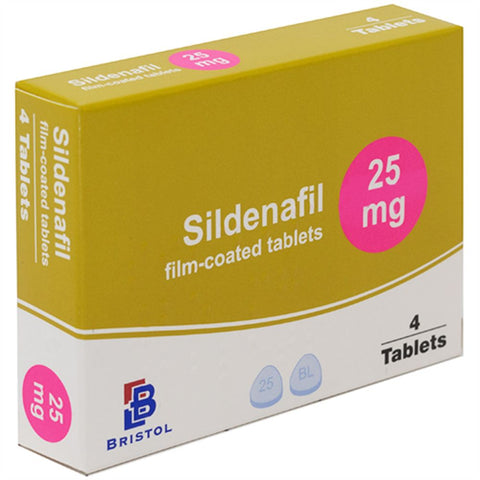
Start Your Assessment For Erectile Dysfunction
- Reviewed by UK-based prescribers
- Takes under 3 minutes
- Discreet Packaging

Medically reviewed by
Tarun Kumar, Superintendent Pharmacist (GPhC 2233073)