


Morphine Erectile Dysfunction: Causes & Solutions
Learn how morphine affects erections and explore safe treatment options through our UK pharmacist-led consultation.
Takes less than 2 minutes to complete 100% online
Trusted by thousands
Real people, real results
“Fabulous service and quick delivery”
“Felt the effects of these after about 5 days. Erections are better and can get aroused and ready easier”
“Excellent value and brilliant customer service”
“I received excellent service and everything went well. The order arrived quickly and in perfect condition. It's working very well! Thank you to the whole team for the great work!”
“Delivery was good, the product lived up to expectations.”
How Our Online Service Works
Choose your treatment
Select from our recommended UK-licensed medications.
Answer quick questions
Select safe UK treatments. Quick answers.
Get it delivered fast
We will deliver direct to you as quickly as tomorrow.
Morphine and Erectile Dysfunction: What You Need to Know
Published: 13 November 2026
Morphine erectile dysfunction is a recognised side effect of long-term opioid use, affecting a significant proportion of men taking these medicines for chronic pain. Opioids including morphine can interfere with the hormones and nerve signals needed for normal erections, but this does not mean you should stop your prescribed pain relief without medical advice. This page explains how morphine may affect sexual function, what options you can discuss with your prescriber, and whether ED tablets can usually be used alongside your pain medication.
At a glance
How Morphine Erectile Dysfunction Occurs
Morphine and other opioid painkillers work by binding to receptors in the brain and spinal cord to reduce pain signals. However, these same receptors also influence the production of testosterone and other hormones that play a crucial role in sexual function [1]. Long-term opioid use can suppress the hypothalamic-pituitary-gonadal axis, leading to lower testosterone levels (a condition called opioid-induced androgen deficiency) [2].
Lower testosterone can reduce libido and make it harder to achieve or maintain an erection. Opioids may also affect the nervous system pathways involved in arousal and the physical process of getting an erection. The risk and severity of erectile dysfunction tend to increase with higher doses of morphine and longer duration of treatment, though individual responses vary considerably.
It is important to understand that this is a recognised side effect of the medicine, not a reflection of your overall health or masculinity. Many men taking morphine for chronic pain experience some degree of sexual difficulty, and there are ways to manage this without compromising your pain control.
How Common Is Erectile Dysfunction with Morphine?
Research suggests that erectile dysfunction is common among men taking long-term opioid therapy. Studies have found that between 40% and 80% of men on chronic opioid treatment report some degree of sexual dysfunction, including reduced libido and difficulty with erections [10]. The variation in these figures reflects differences in dosage, duration of use, and individual factors such as age and underlying health conditions.
The likelihood of experiencing morphine erectile dysfunction increases with higher daily doses and prolonged use. Men taking the equivalent of 100mg or more of oral morphine per day appear to be at higher risk, though problems can occur at lower doses too. Importantly, not every man will experience this side effect, and some may notice only mild changes in sexual function.
If you have noticed changes in your erections or sex drive since starting morphine or another opioid, you are not alone. This is a well-documented effect that healthcare professionals are familiar with, and it is worth discussing with your prescriber or GP. Do not feel embarrassed—sexual health is an important part of overall wellbeing, and there are options available.
Other Factors That May Contribute
Chronic pain itself can affect sexual function through fatigue, low mood, and reduced physical activity. Depression and anxiety, which are common in people living with long-term pain, are also independent risk factors for erectile dysfunction [1]. Some men may be taking other medicines alongside morphine—such as antidepressants, blood pressure tablets, or muscle relaxants—that can also contribute to erection problems. Your prescriber will consider all these factors when helping you find the best solution.
What NOT to Do If You Experience Morphine Erectile Dysfunction
Never stop or reduce your prescribed morphine or other opioid painkiller without first speaking to your doctor or prescriber. Stopping opioids suddenly can cause serious withdrawal symptoms including severe pain, sweating, agitation, nausea, and in some cases dangerous changes in heart rate and blood pressure. Your pain control is important, and any changes to your medication must be supervised by a healthcare professional.
Do not try to manage erectile dysfunction by taking medicines obtained without a prescription or from unregulated sources. Some products sold online may contain unlicensed or counterfeit ingredients, incorrect doses, or harmful substances. They may also interact dangerously with morphine or your other medicines. Always use a registered UK pharmacy and ensure any treatment has been reviewed by a qualified prescriber.
Avoid assuming that nothing can be done. While morphine erectile dysfunction is a recognised side effect, there are several options that can help, and many men find effective solutions while continuing their pain relief. Your GP or pain specialist can review your overall treatment plan, check your testosterone levels, and discuss whether adjustments or additional treatments might be appropriate. Sexual health is an important part of quality of life, and it is worth raising with your healthcare team.
What you need to know
- Morphine can cause erectile dysfunction by lowering testosterone and affecting nerve signals needed for erections.
- Between 40% and 80% of men on long-term opioid therapy experience some degree of sexual dysfunction.
- Never stop morphine without medical advice; withdrawal can be dangerous and pain control is important.
- ED tablets such as sildenafil and tadalafil can usually be used safely alongside morphine after a prescriber review.
- Discuss testosterone testing, pain medication review, and ED treatment options with your GP or prescriber.
Options to Discuss with Your Prescriber for Morphine Erectile Dysfunction
If you are experiencing erectile dysfunction while taking morphine, your prescriber has several options to consider. The first step is usually a review of your overall medication and health. Your doctor may arrange a blood test to check your testosterone level, as opioid-induced low testosterone is common and can sometimes be treated with testosterone replacement therapy under specialist supervision [2].
Your prescriber may also review your pain management plan to see whether a different approach—such as a lower dose of opioid combined with other pain relief strategies, or a switch to a different type of painkiller—might be possible without compromising your pain control. This is a careful balance and must be done gradually and under medical guidance.
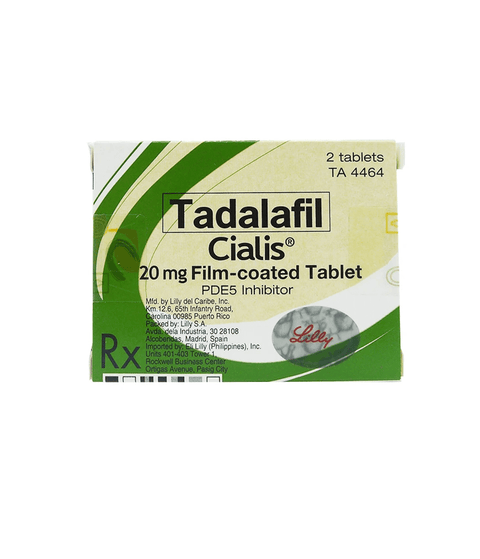
Another option is to add treatment specifically for erectile dysfunction. PDE5 inhibitor tablets such as sildenafil, tadalafil, vardenafil, or avanafil can often be used alongside morphine to help improve erections. These medicines work by increasing blood flow to the penis during sexual stimulation and are effective for many men, including those taking opioids. Your prescriber will check that they are safe for you based on your full medical history and current medicines.
Lifestyle and Psychological Support
Your prescriber may also discuss lifestyle factors that can help. Regular physical activity (within the limits of your pain condition), maintaining a healthy weight, reducing alcohol, and stopping smoking can all improve erectile function [1]. Psychological support or couples counselling can be valuable if pain, low mood, or relationship stress are contributing to sexual difficulties. A holistic approach often works best.
Can ED Tablets Be Used Alongside Morphine?
In most cases, PDE5 inhibitor tablets such as sildenafil (Viagra), tadalafil (Cialis), vardenafil (Levitra), and avanafil (Spedra) can be used safely alongside morphine. There is no direct interaction between opioid painkillers and these ED medicines that would make the combination dangerous [3][4][5][6]. However, every individual's situation is different, and a prescriber must review your full medical history and current medicines before prescribing.
The main safety concern with PDE5 inhibitors is not morphine itself, but other medicines you may be taking. For example, if you take nitrate medicines for angina (such as GTN spray or isosorbide mononitrate), nicorandil, or riociguat, you must never use a PDE5 inhibitor, as the combination can cause a dangerous drop in blood pressure. If you take alpha-blockers for prostate symptoms or blood pressure (such as tamsulosin or doxazosin), your prescriber will start you on a low dose of the ED tablet and monitor you carefully.
Some medicines can affect how PDE5 inhibitors are broken down in the body. For example, potent CYP3A4 inhibitors (including some antifungals, antibiotics, and HIV medicines) can raise levels of ED tablets, requiring dose adjustments. Your prescriber will check all your current medicines during the consultation to ensure any treatment is safe and appropriate for you. At Cured Pharmacy, every order requires an online consultation reviewed by a UK-registered prescriber.
When to get urgent help
- Erection lasting more than 4 hours (priapism) – go to A&E immediately
- Sudden loss of vision or hearing after taking an ED tablet – seek urgent medical help
- Chest pain during sexual activity – stop and call 999 if pain does not resolve quickly
- Severe withdrawal symptoms after stopping morphine (sweating, agitation, severe pain) – contact 111 or your GP urgently
- Dizziness, fainting, or very low blood pressure after starting an ED tablet – seek same-day medical advice
Call 999 or go to A&E in an emergency, or contact NHS 111 for urgent advice.
Treatment Options Available at Cured Pharmacy
Cured Pharmacy is a GPhC-registered online pharmacy (GPhC 9012511) offering a range of licensed ED treatments after a clinical consultation. All prescription medicines are dispensed following review by a UK-registered prescriber, ensuring safety and suitability based on your individual circumstances, including any opioid medication you are taking.
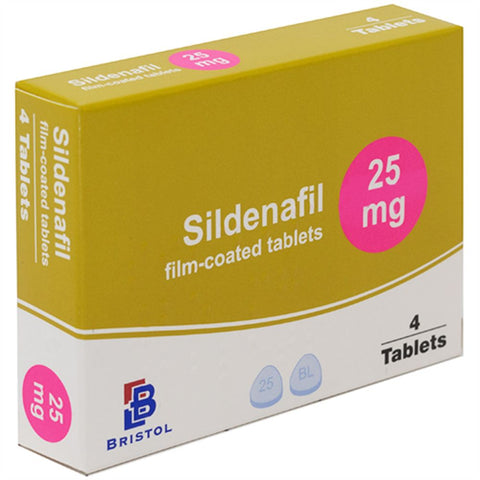
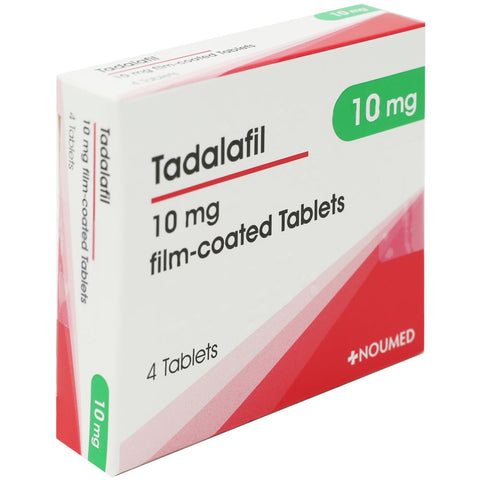
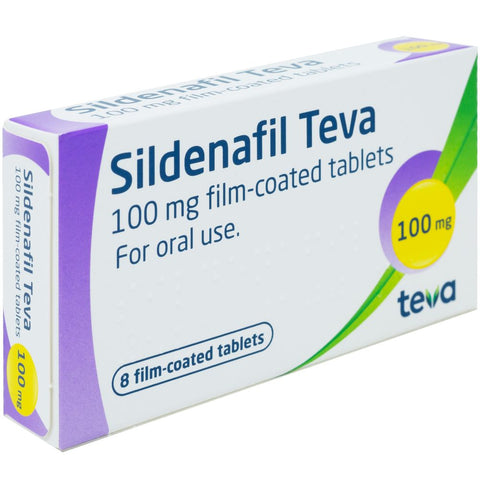
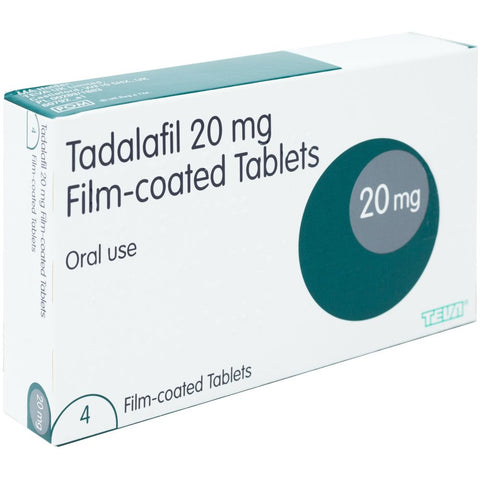
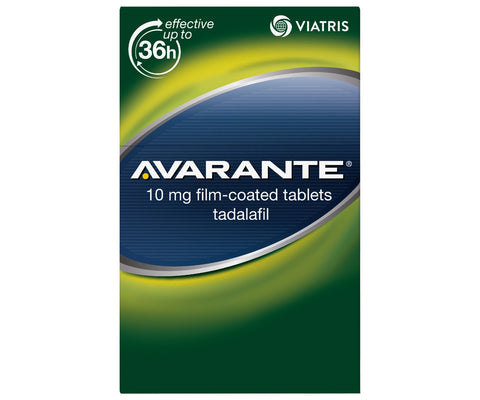
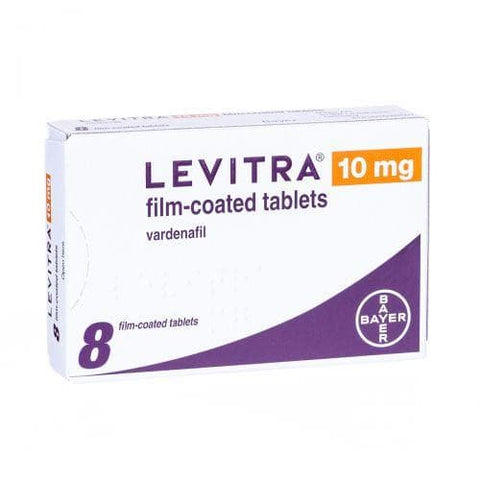
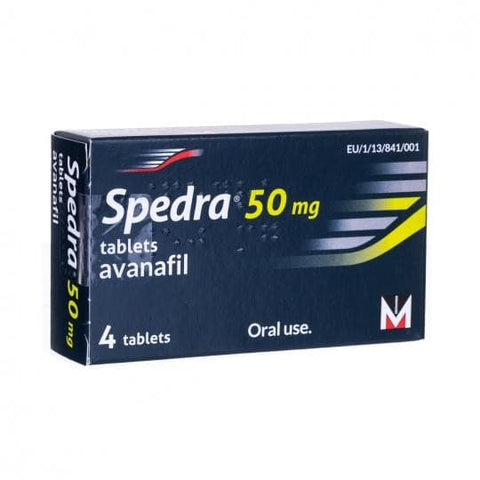
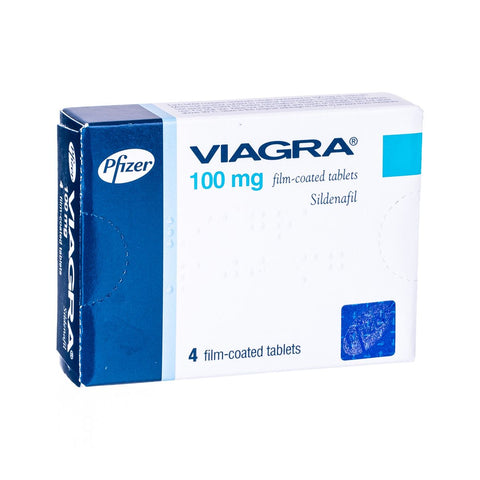
We offer both generic and branded PDE5 inhibitors. Sildenafil (generic Viagra) is available from £0.45 per tablet (£0.36 with first-order code Ednew), and tadalafil (generic Cialis) from £7.95 (£6.36 with code Ednew). Branded options include Viagra from £37.95 (£30.36 with code Ednew) and Cialis from £12.00 (£9.60 with code Ednew). We also stock vardenafil (generic Levitra) from £16.95 (£13.56 with code Ednew) and Spedra (avanafil) from £20.95 (£16.76 with code Ednew).
The consultation process is straightforward and confidential. You complete a short online health questionnaire, which is reviewed by one of our prescribers. They will check your suitability for treatment, taking into account your morphine use, any other medicines, and your overall health. If approved, your medicine is dispensed by our pharmacy team and delivered discreetly to your door. If you have any questions, our pharmacist-led team is here to help.
Choosing the Right ED Tablet
Different PDE5 inhibitors suit different lifestyles. Sildenafil works for about four to six hours and is taken roughly one hour before sex. Tadalafil can last up to 36 hours, offering more spontaneity, and can also be taken daily at a lower dose. Vardenafil and avanafil work similarly to sildenafil but may act slightly faster. Your prescriber can help you choose the option that best fits your needs and preferences.
Don't Stop Your Pain Relief
Never reduce or stop morphine without medical supervision. Speak to your prescriber about your erection concerns—there are safe, effective treatment options that allow you to continue your pain control.
Scientific References
- NHS. (n.d.). Erectile dysfunction (impotence). NHS website. https://www.nhs.uk/conditions/erection-problems-erectile-dysfunction/ [accessed 13 November 2026]
- National Institute for Health and Care Excellence. (n.d.). Erectile dysfunction. Clinical Knowledge Summaries. https://cks.nice.org.uk/topics/erectile-dysfunction/ [accessed 13 November 2026]
- Joint Formulary Committee. (n.d.). Sildenafil. British National Formulary. NICE. https://bnf.nice.org.uk/drugs/sildenafil/ [accessed 13 November 2026]
- Joint Formulary Committee. (n.d.). Tadalafil. British National Formulary. NICE. https://bnf.nice.org.uk/drugs/tadalafil/ [accessed 13 November 2026]
- Joint Formulary Committee. (n.d.). Vardenafil. British National Formulary. NICE. https://bnf.nice.org.uk/drugs/vardenafil/ [accessed 13 November 2026]
- Joint Formulary Committee. (n.d.). Avanafil. British National Formulary. NICE. https://bnf.nice.org.uk/drugs/avanafil/ [accessed 13 November 2026]
- Feldman, H. A., Goldstein, I., Hatzichristou, D. G., Krane, R. J., & McKinlay, J. B. (1994). Impotence and its medical and psychosocial correlates: Results of the Massachusetts Male Aging Study. Journal of Urology, 151(1), 54–61. https://pubmed.ncbi.nlm.nih.gov/8254833/ [accessed 13 November 2026]
Information on this page is for educational purposes only and is not medical advice. Prescription treatments require clinical assessment by a UK-registered prescriber. Always consult a qualified healthcare professional before starting or changing any medication.
ED Treatments We Offer
Pricing Disclaimer: Prices on some pages may not be up to date — the live pricing table below and pricing shown during consultation are official current prices and take precedence over any other figures on the site.
Get Discreet ED Treatment Online
Start your journey to better health today.
- Reviewed by UK-based prescribers
- Takes under 3 minutes
- Discreet Packaging
Start Your Journey To Better Health Today
Once you complete a short online assessment you will be able to choose your preferred treatment from safe medically approved options tailored to you.
Start My Assessment Log in to Your AccountYour Questions Answered
Does morphine always cause erectile dysfunction?
No, not every man taking morphine will experience erectile dysfunction. However, it is a common side effect, particularly with higher doses and long-term use, affecting between 40% and 80% of men on chronic opioid therapy to some degree.
Can I stop taking morphine to improve my erections?
Never stop morphine or any opioid painkiller without medical supervision, as this can cause serious withdrawal symptoms and uncontrolled pain. Speak to your prescriber about your concerns—there are safer options to explore while continuing your pain relief.
Will Viagra or Cialis work if I'm taking morphine?
Yes, PDE5 inhibitors such as sildenafil (Viagra) and tadalafil (Cialis) can often be effective for men taking morphine, as there is no direct interaction between opioids and these ED medicines. Your prescriber will check your full medical history to ensure they are safe for you.
Is morphine erectile dysfunction permanent?
Not necessarily. If the erectile dysfunction is caused by opioid-induced low testosterone or other reversible effects, it may improve with treatment such as testosterone replacement, dose adjustment, or ED tablets. Discuss your options with your prescriber.
Should I get my testosterone checked if I'm on morphine?
Yes, it is a good idea. Long-term opioid use commonly lowers testosterone levels, and a simple blood test can identify this. If your testosterone is low, your doctor may refer you to a specialist to discuss whether testosterone replacement therapy is appropriate.
Can I use ED tablets from Cured Pharmacy if I take morphine?
Potentially, yes. All prescription medicines at Cured Pharmacy require an online consultation reviewed by a UK-registered prescriber, who will check your morphine use, other medicines, and overall health to ensure any ED treatment is safe and suitable for you.
Are there any dangerous interactions between morphine and ED tablets?
Morphine itself does not interact dangerously with PDE5 inhibitors. However, if you take nitrates, nicorandil, riociguat, or certain other medicines, ED tablets may not be safe. Your prescriber will review all your medicines during the consultation.
What should I do if I notice erection problems while on morphine?
Speak to your GP or prescriber. Do not stop your morphine, and do not buy ED treatments from unregulated sources. Your healthcare team can investigate the cause, check your testosterone, and discuss safe, effective treatment options tailored to your situation.

Medically reviewed by
Tarun Kumar, Superintendent Pharmacist (GPhC 2233073)