

How to Talk to Your Partner About ED
Practical advice for starting the conversation and exploring treatment together, with support from UK pharmacists.
Takes less than 2 minutes to complete 100% online

How to Talk to Your Partner About ED: A Practical Guide
Published: 14 November 2026
Learning how to talk to your partner about ED starts with choosing the right moment, being honest about what you're experiencing, and framing the conversation as something you want to tackle together. Erectile dysfunction affects around half of men aged 40–70 to some degree [10], yet many delay discussing it with their partner because of embarrassment or fear of judgement. Opening up can strengthen your relationship, reduce anxiety, and make it easier to explore effective treatments—whether that's lifestyle changes, counselling, or prescription medicines such as sildenafil or tadalafil.
At a glance
Why talking to your partner about ED matters
Erectile dysfunction is rarely just a physical issue; it often affects emotional intimacy, self-esteem, and relationship satisfaction [1]. When left unspoken, ED can create distance, misunderstanding, or resentment—your partner may worry they're no longer attractive to you, or that something else is wrong in the relationship. Breaking the silence removes guesswork and invites collaboration.
Research shows that couples who communicate openly about sexual health report better relationship quality and treatment outcomes [8]. Your partner is likely to be more understanding and supportive than you expect, and involving them early can reduce the pressure you feel to 'perform' and shift the focus toward shared pleasure and connection.
Talking also opens the door to practical solutions. Many men find that once they've discussed ED with their partner, they feel more comfortable seeking medical advice, trying prescription treatments, or making lifestyle adjustments together [2]. It transforms a solitary worry into a team effort.
Choosing the right time and place for the conversation
Timing and setting matter when you're planning how to talk to your partner about ED. Avoid raising the topic immediately after a sexual encounter that didn't go as hoped—emotions may be running high, and the conversation can feel like blame or criticism. Instead, choose a calm, private moment when you're both relaxed and unlikely to be interrupted.
A walk, a quiet evening at home, or even a car journey can work well; some people find it easier to talk when they're not making direct eye contact. Keep the tone conversational rather than confrontational—this isn't about assigning fault, it's about sharing something that's been on your mind.
Start with something simple and honest: 'I've been finding it harder to get or keep an erection lately, and I wanted to talk to you about it.' Acknowledge that it might feel awkward, but that you trust them and want to work through it together. Most partners appreciate the honesty and will respond with empathy rather than judgement.
What to say (and what to avoid)
Use 'I' statements to describe your experience—'I've been feeling anxious about sex' or 'I've noticed this happening more often'—rather than 'you' statements that might sound accusatory. Reassure your partner that your feelings for them haven't changed and that ED is a common medical issue, not a reflection of attraction or desire [1].
Avoid apologising excessively or catastrophising ('I'm broken', 'I'll never be the same'). ED is highly treatable, and framing it as a problem you can solve together keeps the conversation constructive. If your partner asks questions, answer honestly, and if you don't have all the answers yet, say so—'I'm planning to speak to a doctor to understand what's going on.'
Understanding the causes of ED together
Helping your partner understand that ED has many possible causes—physical, psychological, or a mix of both—can reduce any self-blame they might feel and normalise the experience [2]. Physical causes include diabetes, high blood pressure, heart disease, hormonal imbalances, and side effects from certain medications. Psychological factors such as stress, anxiety, depression, and relationship difficulties are equally common [1].
Lifestyle factors also play a role: smoking, heavy alcohol use, lack of exercise, and being overweight all increase the risk of ED [10]. Explaining that ED can be an early warning sign of cardiovascular disease underscores why it's important to see a GP or complete an online consultation with a prescriber, rather than ignoring the problem.
Sharing this information with your partner helps them see ED as a health issue that deserves attention, not a personal failing. It also invites them to support you in making positive changes—whether that's cooking healthier meals together, cutting back on alcohol, or encouraging you to book an appointment.
What you need to know
- Choose a calm, private moment and use honest 'I' statements to start the conversation
- Explain that ED is common, treatable, and often linked to physical health, not attraction
- Explore treatment options together, including PDE5 inhibitors available via online consultation
- Focus on intimacy and connection, not just erections, while adjusting to treatment
- Keep communicating and consider couples counselling if relationship issues contribute to ED
Exploring treatment options as a team
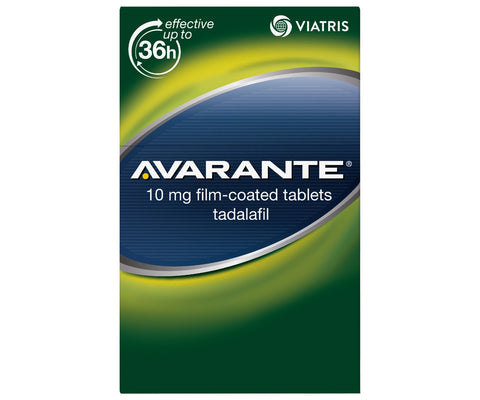
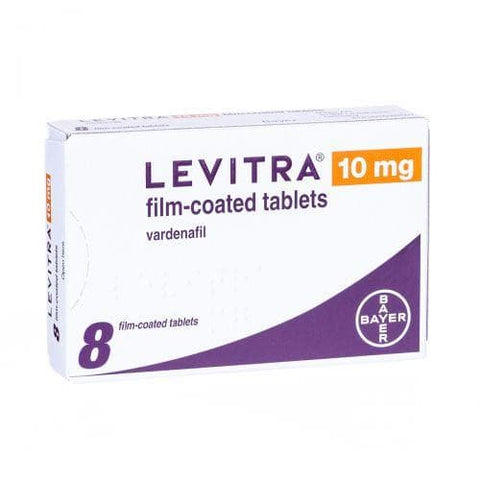
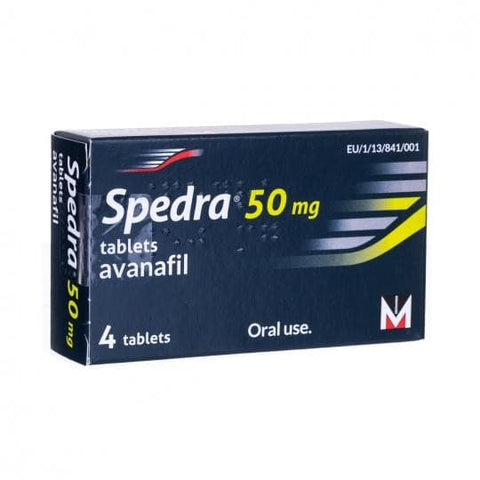
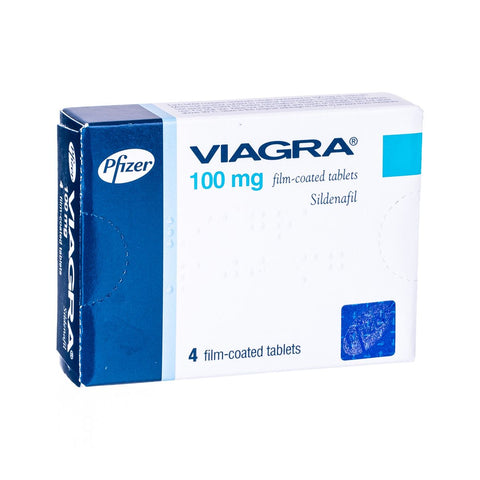
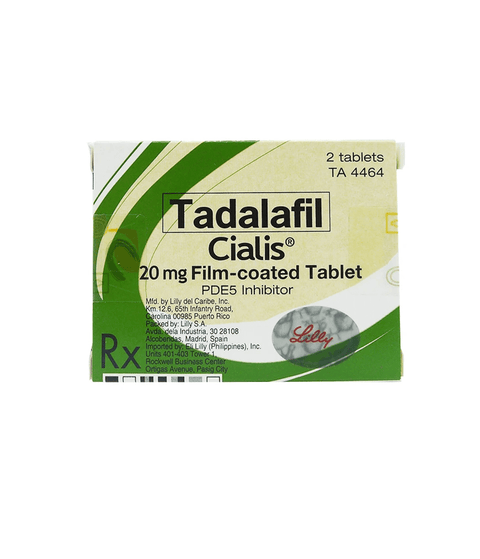
Once you've opened the conversation, discussing treatment options together can feel empowering. Oral medicines called PDE5 inhibitors—sildenafil (Viagra), tadalafil (Cialis), vardenafil (Levitra), and avanafil (Spedra)—are the first-line treatment for most men with ED [2][3][4][5][6]. They work by increasing blood flow to the penis when you're sexually aroused, and clinical trials show they're effective for the majority of men [9].
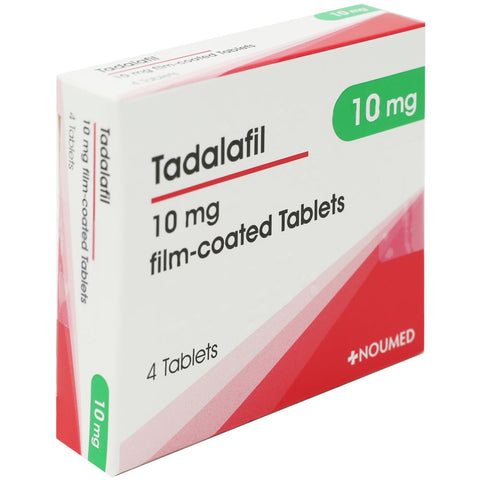
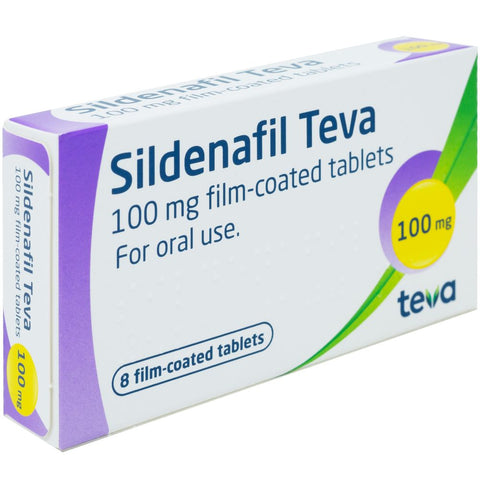
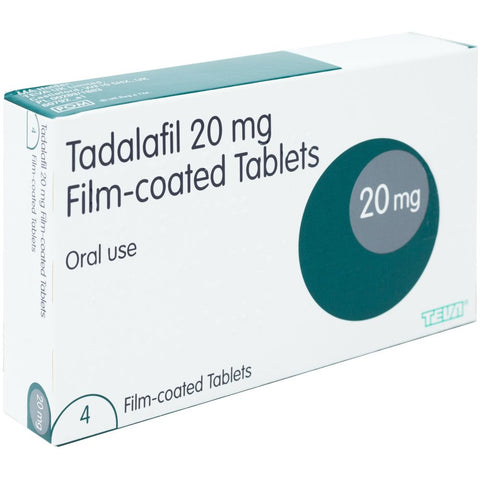
At Cured Pharmacy, you can complete a confidential online consultation reviewed by a UK prescriber. If a PDE5 inhibitor is suitable, you can choose from several options: sildenafil from £0.45 per dose (£0.36 with code Ednew on your first order), tadalafil from £7.95 (£6.36 with code Ednew), vardenafil at £16.95 (£13.56 with code Ednew), or Spedra (avanafil) at £20.95 (£16.76 with code Ednew). Branded Viagra and Cialis are also available.
Your partner can help you decide which medicine might suit your lifestyle—tadalafil lasts up to 36 hours, so it offers more spontaneity, while sildenafil is taken about an hour before sex [3][4]. Some couples find that involving a partner in the decision reduces performance anxiety and makes the first attempt feel less pressured.
When to see a GP or specialist
If you haven't already, book an appointment with your GP, especially if ED is new, getting worse, or accompanied by other symptoms such as chest pain, fatigue, or mood changes [1]. Your doctor can check for underlying conditions like diabetes or heart disease, review your current medications, and refer you to a specialist if needed.
An online consultation with a UK prescriber (available through Cured Pharmacy) is a convenient option if you've already discussed ED with your GP or if you're looking for discreet access to treatment. The prescriber will review your medical history, current medicines, and any contraindications before approving a prescription. Never take ED medicines without a clinical assessment, as they can interact dangerously with nitrates, certain heart drugs, and other medications.
How to talk to your partner about ED: managing expectations and staying connected
It's important to set realistic expectations with your partner. PDE5 inhibitors don't work instantly—they require sexual stimulation, and the first dose may not be the right strength or timing for you [3][4]. Some men need to try a medicine two or three times, or switch to a different PDE5 inhibitor, before finding what works best.
Reassure your partner that intimacy isn't just about erections. Focus on other forms of physical closeness—kissing, touching, oral sex—while you're adjusting to treatment. This takes the pressure off penetrative sex and reminds you both that pleasure and connection come in many forms.
Keep the lines of communication open. Check in with each other about how treatment is going, whether you're experiencing side effects (headache, flushing, indigestion are common and usually mild [3]), and how you're both feeling emotionally. Celebrate small wins, and if something isn't working, problem-solve together rather than retreating into silence.
When to get urgent help
- Erection lasting more than 4 hours (priapism)—go to A&E immediately
- Sudden loss of vision or hearing after taking ED medicine—seek urgent medical help
- Chest pain during or after sex—call 999; do not take further ED medicine
- Severe dizziness, fainting, or allergic reaction (rash, swelling, difficulty breathing)—call 999
Call 999 or go to A&E in an emergency, or contact NHS 111 for urgent advice.
Building long-term support and intimacy
Talking to your partner about ED is not a one-off conversation—it's an ongoing dialogue that evolves as you try treatments, make lifestyle changes, or face new challenges. Regular check-ins help you stay aligned and prevent misunderstandings from building up again.
Consider couples counselling or psychosexual therapy if ED has psychological roots or if relationship issues are contributing to the problem [2]. A trained therapist can help you both explore underlying anxieties, improve communication, and rebuild sexual confidence in a safe, non-judgemental space.
Remember that many couples report that working through ED together actually strengthened their relationship [8]. It deepened their trust, improved their communication, and reminded them that intimacy is about partnership, not performance. By choosing to talk openly, you're investing in both your health and your relationship for the long term.
Lifestyle changes you can make together
Lifestyle modifications can improve ED and overall cardiovascular health [1][2]. Your partner can support you by joining in: cooking balanced meals, going for walks or runs together, cutting back on alcohol, and helping you quit smoking if applicable. Regular exercise, maintaining a healthy weight, and managing stress all contribute to better erectile function [10].
These changes benefit both of you and reinforce the idea that ED is a shared challenge, not something you face alone. Even small, consistent steps—like a 30-minute walk most days or swapping sugary snacks for fruit—can make a meaningful difference over time.
Start with honesty and timing
Choose a relaxed, private moment away from the bedroom, and open with a simple statement: 'I've been experiencing ED and I want us to work through it together.' Most partners respond with empathy, not judgement.
Scientific References
- NHS. (n.d.). Erectile dysfunction (impotence). NHS website. https://www.nhs.uk/conditions/erection-problems-erectile-dysfunction/ [accessed 14 November 2026]
- National Institute for Health and Care Excellence. (n.d.). Erectile dysfunction. Clinical Knowledge Summaries. https://cks.nice.org.uk/topics/erectile-dysfunction/ [accessed 14 November 2026]
- Joint Formulary Committee. (n.d.). Sildenafil. British National Formulary. NICE. https://bnf.nice.org.uk/drugs/sildenafil/ [accessed 14 November 2026]
- Joint Formulary Committee. (n.d.). Tadalafil. British National Formulary. NICE. https://bnf.nice.org.uk/drugs/tadalafil/ [accessed 14 November 2026]
- European Association of Urology. (n.d.). EAU Guidelines on Sexual and Reproductive Health. https://uroweb.org/guidelines/sexual-and-reproductive-health [accessed 14 November 2026]
- Feldman, H. A., Goldstein, I., Hatzichristou, D. G., Krane, R. J., & McKinlay, J. B. (1994). Impotence and its medical and psychosocial correlates: Results of the Massachusetts Male Aging Study. Journal of Urology, 151(1), 54–61. https://pubmed.ncbi.nlm.nih.gov/8254833/ [accessed 14 November 2026]
Information on this page is for educational purposes only and is not medical advice. Prescription treatments require clinical assessment by a UK-registered prescriber. Always consult a qualified healthcare professional before starting or changing any medication.
Trusted by thousands
Real people, real results
“Fabulous service and quick delivery”
“Felt the effects of these after about 5 days. Erections are better and can get aroused and ready easier”
“Excellent value and brilliant customer service”
“I received excellent service and everything went well. The order arrived quickly and in perfect condition. It's working very well! Thank you to the whole team for the great work!”
“Delivery was good, the product lived up to expectations.”
Get Treatment in 3 Steps
Choose your treatment
Select from our recommended UK-licensed medications.

Answer quick questions
Select safe UK treatments. Quick answers.

Get it delivered fast
We will deliver direct to you as quickly as tomorrow.

Common Questions
What if my partner reacts badly when I talk about ED?
Give them time to process—initial surprise or worry is normal. Reassure them it's a medical issue you want to tackle together, and offer to share information or involve them in appointments.
Should I tell my partner before or after seeing a doctor about ED?
Either approach is fine. Some men prefer to gather information first; others find it easier to involve their partner from the start. Choose what feels right for you.
How do I reassure my partner that I still find them attractive?
Be explicit: tell them your feelings and desire haven't changed, and that ED is about blood flow and physical health, not attraction. Show affection in other ways while you're working on treatment.
Can talking to my partner actually improve my ED?
Yes—reducing anxiety and feeling supported can improve psychological ED and make treatment more effective. Open communication lowers performance pressure and strengthens intimacy.
What if my partner doesn't want to talk about it?
Respect their pace, but gently explain that silence can make things worse. Suggest revisiting the conversation in a few days, or offer to speak to a counsellor together.
Is it normal to feel embarrassed talking to my partner about ED?
Absolutely. ED carries stigma, but remember it's a common medical condition. Most partners respond with empathy and appreciate your honesty.
Should I involve my partner in choosing an ED treatment?
Many couples find this helpful. Your partner can offer input on timing (e.g. tadalafil's longer window vs sildenafil's shorter onset) and help reduce pressure around trying a new medicine.
What if ED is caused by relationship problems?
Talking openly is the first step toward resolving those issues. Consider couples or psychosexual therapy to address communication, stress, or intimacy concerns alongside any medical treatment.
Available Treatments
Pricing Disclaimer: Prices on some pages may not be up to date — the live pricing table below and pricing shown during consultation are official current prices and take precedence over any other figures on the site.
Not sure which one? Start a free consultation →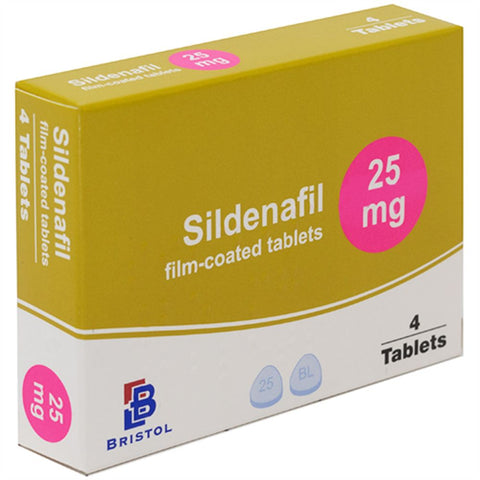
Take the First Step Today
- Reviewed by UK-based prescribers
- Takes under 3 minutes
- Discreet Packaging

Medically reviewed by
Tarun Kumar, Superintendent Pharmacist (GPhC 2233073)