

How Do You Get Cold Sores: Prevention Tips | Cured
How Do You Get Cold Sores: Prevention Tips

Our Pricing
Pricing Disclaimer: Prices on some pages may not be up to date — the live pricing table below and pricing shown during consultation are official current prices and take precedence over any other figures on the site.

How Do You Get Cold Sores: Prevention Tips
Published on: June 03, 2026
Understanding how do you get cold sores uk is the first step towards effective prevention and management. Cold sores are caused by the herpes simplex virus type 1 (HSV-1), which spreads through direct contact and remains dormant in nerve cells until triggered by specific factors. At Cured Pharmacy, our UK clinical team provides evidence-based guidance and effective treatments like aciclovir cream from £4.49 to help you manage outbreaks.
What Causes Cold Sores: Understanding HSV-1 Transmission
Cold sores are caused by herpes simplex virus type 1 (HSV-1), a highly contagious virus that affects approximately 67% of the global population under age 50 [1]. The virus spreads through direct contact with infected saliva, skin lesions, or contaminated surfaces during active outbreaks. Once HSV-1 enters your body through broken skin or mucous membranes, it travels along nerve pathways to the trigeminal ganglion, where it remains dormant indefinitely.
You can contract HSV-1 through kissing someone with an active cold sore, sharing eating utensils or drinking glasses, using contaminated lip balm or cosmetics, or touching an active lesion then touching your own mouth or eyes [2]. The virus is most contagious during active outbreaks when fluid-filled blisters are present, but asymptomatic viral shedding can occur even without visible symptoms, making transmission possible at any time.
Primary infection often occurs during childhood and may present as gingivostomatitis with fever, sore throat, and multiple mouth ulcers, though many people experience no symptoms during initial infection [1]. After the primary infection resolves, the virus establishes lifelong latency in nerve cells, periodically reactivating to cause recurrent cold sores in the same location.
Common Cold Sore Triggers and Risk Factors
While HSV-1 remains dormant in nerve cells between outbreaks, specific triggers can reactivate the virus and cause recurrent cold sores. Understanding your personal triggers is essential for effective prevention strategies.
The most common cold sore triggers include prolonged sun exposure and ultraviolet radiation, which damage skin cells and suppress local immune responses [3]. Stress and fatigue significantly increase outbreak frequency by elevating cortisol levels and weakening immune function. Fever and systemic infections trigger outbreaks by diverting immune resources away from viral suppression. Hormonal fluctuations during menstruation affect immune regulation in some women, whilst local trauma from dental procedures or lip injuries can directly stimulate viral reactivation in affected nerve pathways.
Immunosuppression from illness, medications, or underlying conditions substantially increases both outbreak frequency and severity [2]. Cold weather and dry air cause lip chapping and microtrauma that provide reactivation signals. Sleep deprivation impairs immune surveillance mechanisms that normally keep HSV-1 dormant. Individual susceptibility varies considerably—some people experience monthly outbreaks whilst others have only occasional recurrences despite identical viral strains.
Identifying Your Personal Triggers
Keeping a detailed outbreak diary helps identify your specific triggers over time. Record the date of each outbreak, any stressful events, illness, sun exposure, menstrual cycle phase, sleep patterns, and dietary changes in the week preceding symptoms. After tracking several outbreaks, patterns typically emerge that allow you to implement targeted preventative measures during high-risk periods.
Evidence-Based Cold Sore Prevention Strategies
Effective cold sore prevention combines barrier methods to prevent initial transmission, trigger avoidance to reduce reactivation frequency, and prophylactic antiviral therapy when appropriate. These strategies work synergistically to minimise outbreak frequency and severity.
Sun protection is critical for photosensitive individuals—apply SPF 30+ lip balm before outdoor activities and reapply every two hours [3]. Stress management through regular exercise, adequate sleep (7-9 hours nightly), and relaxation techniques demonstrably reduces outbreak frequency in clinical observations. Avoid sharing personal items including lip products, utensils, towels, and razors with anyone, regardless of visible symptoms. Replace toothbrushes after outbreaks to prevent self-reinfection from contaminated bristles.
Maintain robust immune function through balanced nutrition rich in lysine (found in fish, chicken, legumes) whilst limiting arginine-rich foods (chocolate, nuts, seeds) during high-risk periods, though clinical evidence for dietary lysine supplementation remains limited [2]. Stay well-hydrated and use emollient lip balms to prevent chapping and microtrauma. Avoid touching your face unnecessarily and wash hands thoroughly after any contact with the mouth area.
When to Consider Prophylactic Antiviral Therapy
For patients experiencing frequent outbreaks (six or more annually) or severe episodes, prophylactic oral aciclovir or valaciclovir may be appropriate [4]. Continuous suppressive therapy with aciclovir 400mg twice daily can reduce outbreak frequency by 70-80% in clinical trials. Episodic prophylaxis—taking antivirals before known triggers like sun holidays or stressful events—may also be effective. These prescription treatments require clinical assessment by a UK prescriber to determine suitability based on your medical history and outbreak pattern.
Early Treatment: Stopping Cold Sores Before They Start
Recognising prodromal symptoms and initiating treatment immediately provides the best opportunity to abort or minimise cold sore development. The prodromal phase typically begins 6-24 hours before visible lesions appear, characterised by tingling, itching, burning, or tenderness at the site of previous outbreaks.
Topical aciclovir 5% cream applied at the first sign of prodromal symptoms can reduce healing time by approximately one day and may prevent full blister formation if applied sufficiently early [4]. Apply a thin layer to the affected area five times daily for five days, starting immediately when you notice tingling. The medication works by inhibiting viral DNA replication, preventing HSV-1 from producing the viral particles needed to create visible lesions.
At Cured Pharmacy, Numark Cold Sore Cream containing aciclovir 5% is available from £4.49, providing effective early intervention at transparent pricing. For patients with frequent or severe outbreaks, prescription-strength oral aciclovir tablets offer systemic therapy that may be more effective than topical treatment alone. All prescription medications require online clinical assessment by our UK-registered prescribers, typically completed in under three minutes.
Managing Active Outbreaks to Prevent Spread
Once a cold sore develops, proper management prevents transmission to others and secondary bacterial infection whilst supporting natural healing processes. Active lesions are highly contagious and require strict hygiene measures.
Avoid direct contact with the lesion—do not touch, pick, or squeeze blisters, as this spreads virus to other areas and increases scarring risk. If you must touch the area, wash hands immediately with soap and water for at least 20 seconds. Avoid kissing and oral contact with others, particularly infants and immunocompromised individuals who face higher complication risks. Do not share towels, face cloths, eating utensils, or lip products during active outbreaks.
Apply topical aciclovir cream as directed to reduce viral replication and healing time [4]. Keep the area clean and dry—gently wash with mild soap and pat dry with disposable tissues rather than reusable towels. Avoid applying makeup or other cosmetics to active lesions, as this can introduce bacteria and contaminate products. Replace lip balms, lipsticks, and lip glosses used during the outbreak to prevent reinfection. The lesion typically progresses through blister, weeping, crusting, and healing phases over 7-10 days without treatment, or 6-8 days with early aciclovir application.
When to Seek Medical Advice
Consult a healthcare professional if cold sores last longer than 14 days, occur more than six times yearly, affect the eyes or other body areas, develop signs of bacterial infection (increased pain, swelling, pus, fever), or occur alongside immunosuppression. Eye involvement (herpes keratitis) requires urgent ophthalmology assessment as it can cause corneal scarring and vision loss [2].
Treatment Options Available at Cured Pharmacy
Cured Pharmacy offers both pharmacy-strength topical treatments and prescription oral antivirals for cold sore management, all dispensed by our UK-registered clinical team with full regulatory oversight from the General Pharmaceutical Council (GPhC Registration 9012511).
Numark Cold Sore Cream containing aciclovir 5% provides effective topical therapy available from £4.49 without prescription. This pharmacy medication is most effective when applied at the first sign of tingling, ideally within the prodromal phase before blisters form. For patients requiring stronger intervention, prescription Aciclovir tablets offer systemic antiviral therapy from £4.49, subject to clinical assessment by our UK prescribers.
Our superintendent pharmacist Tarun Kumar (GPhC 2233073) oversees all clinical services, ensuring every patient receives appropriate treatment based on individual medical history and outbreak patterns. All prescription medications require completion of a free online consultation—a clinical assessment typically completed in under three minutes that allows our UK-registered prescribers to determine treatment suitability. We supply only genuine UK-licensed medicines with 100% discreet packaging and transparent upfront pricing, so you know exact costs before completing your consultation.
Scientific References
- James, C., Harfouche, M., Welton, N. J., Turner, K. M., Abu-Raddad, L. J., Gottlieb, S. L., & Looker, K. J. (2020). Herpes simplex virus: global infection prevalence and incidence estimates, 2016. Bulletin of the World Health Organization, 98(5), 315–329. https://doi.org/10.2471/BLT.19.237149 [accessed 13 August 2026]
- Arduino, P. G., & Porter, S. R. (2008). Herpes Simplex Virus Type 1 infection: overview on relevant clinico-pathological features. Journal of Oral Pathology & Medicine, 37(2), 107–121. https://doi.org/10.1111/j.1600-0714.2007.00586.x [accessed 13 August 2026]
- Roizman, B., Knipe, D. M., & Whitley, R. J. (2013). Herpes Simplex Viruses. In Fields Virology (6th ed., pp. 1823–1897). Lippincott Williams & Wilkins. [accessed 13 August 2026]
- Chi, C. C., Wang, S. H., Delamere, F. M., Wojnarowska, F., Peters, M. C., & Kanjirath, P. P. (2015). Interventions for prevention of herpes simplex labialis (cold sores on the lips). Cochrane Database of Systematic Reviews, 2015(8), CD010095. https://doi.org/10.1002/14651858.CD010095.pub2 [accessed 13 August 2026]
Information on this page is for educational purposes only and is not medical advice. All prescription treatments require clinical assessment by a UK-registered prescriber. Always consult a qualified healthcare professional before starting any new medication.
Trusted by thousands
Real people, real results
Jane L.
"Brilliant. Lost 4 stone on mounjaro no side effects at all. Cured pharmacy are excellent. Always helpful pens sent out quickly always comes with needles and sterile wipes. If you want to go on GLP-1 go to cured pharmacy. So professional. Thank you cured pharmacy you changed my health and well being."
Ann-Marie
"I absolutely love this product, I have been using 2.5mg as maintenance dose and have managed to control my weight without any side effects and can still eat well balanced meals. The pharmacy is very efficient friendly and helpful I would not purchase from anywhere else."
Sacha W.
"So far I'm really impressed by my results it's crazy cause I'm not snacking like how I used to do and I see my face slimming down already and it's only been 2 and a half weeks. Can't wait to give my feedback in 5 months time thank you cured pharmacy."
Kimberly G.
"Mounjaro has corrected my hormonal weight gain during menopause. I am using it now to maintain that balance. The results for me have been exceptional!"
Jennifer
"Great really helps cure those nasty habits can't wait for my next mounjaro pen."
How it Works?


Faq
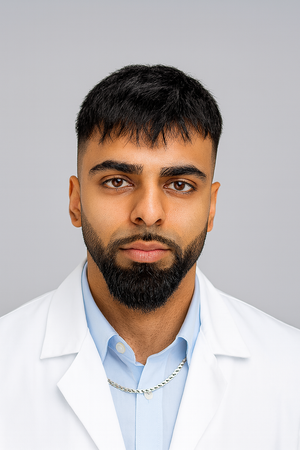
Medically reviewed by
Tarun Kumar, Prescribing Pharmacist (GPhC 2233073)
Reviewed on: June 03, 2026