

Erectile Dysfunction in Shift Workers: Causes & Treatment
Learn how shift work affects sexual health and explore safe, effective UK treatment options with pharmacist-led support.
Takes less than 2 minutes to complete 100% online

Treatment Options
Pricing Disclaimer: Prices on some pages may not be up to date — the live pricing table below and pricing shown during consultation are official current prices and take precedence over any other figures on the site.
Not sure which one? Start a free consultation →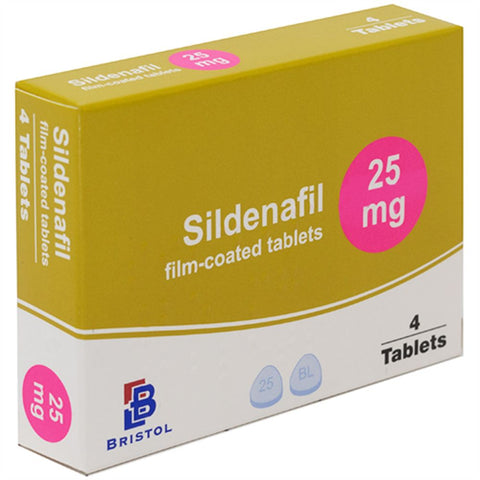
Erectile Dysfunction in Shift Workers: Causes, Impact and Treatment Options
Published: 11 November 2026
Erectile dysfunction in shift workers is more common than many realise, affecting men whose work patterns disrupt their natural sleep-wake cycle. Rotating shifts, night work, and irregular hours can interfere with testosterone production, increase stress and fatigue, and disrupt the body's circadian rhythm—all of which can contribute to difficulties achieving or maintaining an erection [1][2]. Understanding the link between shift work and erectile function is the first step toward finding effective solutions.
At a glance
Why Does Shift Work Contribute to Erectile Dysfunction?
Shift work places unique demands on the body that can directly affect sexual health. The human body operates on a circadian rhythm—a natural 24-hour cycle that regulates sleep, hormone production, and many other physiological processes. When shift patterns disrupt this rhythm, particularly through night shifts or rotating schedules, testosterone levels can fall. Testosterone is essential for sexual desire and erectile function, and studies show that sleep deprivation and irregular sleep patterns are associated with lower testosterone production [10].
Beyond hormones, shift workers often experience chronic fatigue, elevated stress levels, and reduced time for physical activity and healthy eating. These factors contribute to cardiovascular risk factors such as high blood pressure, obesity, and diabetes—conditions that are themselves leading causes of erectile dysfunction [1][2]. The combination of physiological disruption and lifestyle strain creates a perfect storm for sexual health difficulties.
Mental health also plays a significant role. Shift work is associated with higher rates of anxiety and depression, both of which can dampen libido and interfere with erectile function. Relationship strain from mismatched schedules and limited quality time with a partner can further compound the problem, creating a cycle that affects both physical and emotional intimacy.
The Impact of Sleep Disruption on Erectile Function
Sleep is not merely rest—it is when the body repairs itself, regulates hormones, and consolidates memory. For men, deep sleep stages are particularly important because they coincide with peaks in testosterone secretion. Shift workers who struggle to achieve consistent, restorative sleep may find their testosterone levels gradually decline, leading to reduced sexual desire and weaker erections [10].
Poor sleep also affects the autonomic nervous system, which controls the involuntary processes that enable an erection, including blood flow to the penis. Chronic sleep deprivation can impair the body's ability to relax blood vessels and maintain the delicate balance of signals required for a firm erection. Additionally, fatigue reduces motivation and energy for intimacy, creating a psychological barrier even when physical function might be intact.
Shift workers often resort to stimulants such as caffeine to stay alert during night shifts, and some may use alcohol or sedatives to help them sleep during the day. Both habits can interfere with erectile function: excessive caffeine can increase anxiety, while alcohol is a known depressant that impairs sexual performance and disrupts sleep quality further.
Circadian Rhythm and Hormonal Balance
The body's internal clock governs not only sleep but also the release of hormones throughout the day and night. Testosterone levels naturally peak in the early morning hours, which is why many men experience spontaneous erections upon waking. Shift work, especially night shifts, can flatten or shift this natural rhythm, leading to lower overall testosterone and reduced morning erections—a subtle but important marker of sexual health. Restoring some regularity to sleep patterns, even on days off, can help the body re-establish healthier hormonal cycles.
Practical Steps to Manage Erectile Dysfunction in Shift Workers
While shift work presents challenges, there are practical strategies that can improve both sleep quality and erectile function. Prioritising sleep hygiene is essential: create a dark, quiet, cool sleeping environment using blackout curtains and earplugs or white noise machines. Try to maintain a consistent sleep schedule even on days off, as erratic sleep-wake times confuse the circadian system further. Avoid heavy meals, caffeine, and alcohol in the hours before sleep, and consider a brief wind-down routine to signal to your body that it is time to rest.
Physical activity is one of the most effective interventions for erectile dysfunction. Regular exercise improves cardiovascular health, reduces stress, boosts testosterone, and enhances mood—all of which support sexual function [1][2]. Even short bursts of activity, such as a brisk walk before or after a shift, can make a meaningful difference. Aim for at least 150 minutes of moderate aerobic exercise per week, and include some resistance training to support muscle mass and hormone balance.
Diet also matters. A Mediterranean-style diet rich in vegetables, fruits, whole grains, oily fish, nuts, and olive oil supports vascular health and has been associated with better erectile function [2]. Limit processed foods, excess sugar, and saturated fats, which contribute to weight gain and cardiovascular disease. If you smoke, stopping is one of the single most impactful changes you can make for erectile health, as smoking damages blood vessels and restricts blood flow to the penis.
Communicate openly with your partner about the challenges you face. Shift work can strain relationships, but honest conversation about fatigue, stress, and intimacy can reduce pressure and help you find times that work for both of you. Intimacy does not always have to be spontaneous—planning can remove some of the anxiety and create space for connection.
What you need to know
- Shift work disrupts sleep, lowers testosterone, and increases stress—all of which can contribute to erectile dysfunction.
- Prioritising sleep hygiene, regular exercise, and a healthy diet can improve erectile function for shift workers.
- PDE5 inhibitors like sildenafil and tadalafil are effective treatments available after a UK prescriber consultation.
- Erectile dysfunction can signal underlying health issues, so see a GP for a full health check if problems persist.
When to Speak to a Healthcare Professional About Erectile Dysfunction in Shift Workers
Erectile dysfunction can be an early warning sign of underlying health conditions, including cardiovascular disease and type 2 diabetes [1][2]. If you are experiencing persistent difficulties achieving or maintaining an erection, it is important to speak to a GP or healthcare professional. They can assess your overall health, check blood pressure, cholesterol, and blood sugar levels, and review any medications you are taking that might contribute to the problem.
A healthcare professional can also explore whether your shift work pattern is contributing to other health issues, such as depression, anxiety, or chronic fatigue, and offer tailored advice or referrals to specialist services if needed. Do not wait for the problem to resolve on its own—early intervention can prevent more serious complications and improve your quality of life.
If lifestyle changes alone are not enough, prescription treatments for erectile dysfunction are highly effective and widely available. These medications work by enhancing blood flow to the penis in response to sexual stimulation, and they can be used safely by most men, including shift workers. A consultation with a prescriber will ensure that any treatment is suitable for your individual circumstances and does not interact with other medications or health conditions.
What to Expect During a Consultation
During an online or face-to-face consultation, you will be asked about your medical history, current medications, lifestyle factors, and the nature of your erectile difficulties. This information helps the prescriber determine the most appropriate treatment and rule out any contraindications. The process is confidential, non-judgemental, and designed to ensure your safety. If a prescription treatment is suitable, it will be dispensed by a registered pharmacy and delivered discreetly to your address.
How Prescription Treatments for Erectile Dysfunction Work
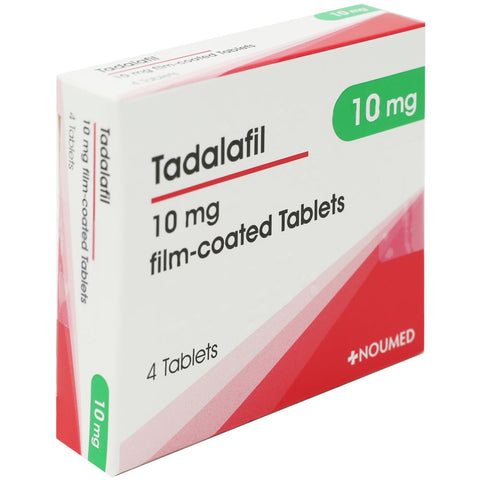
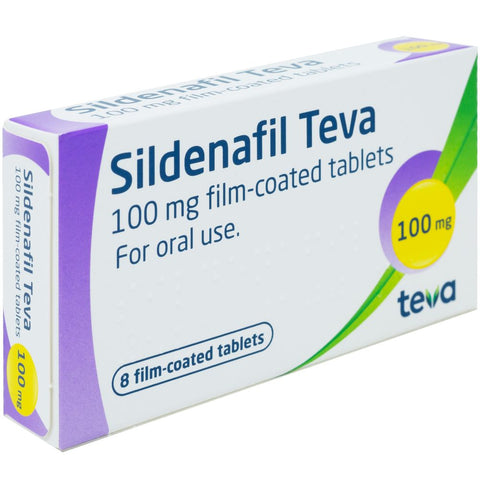
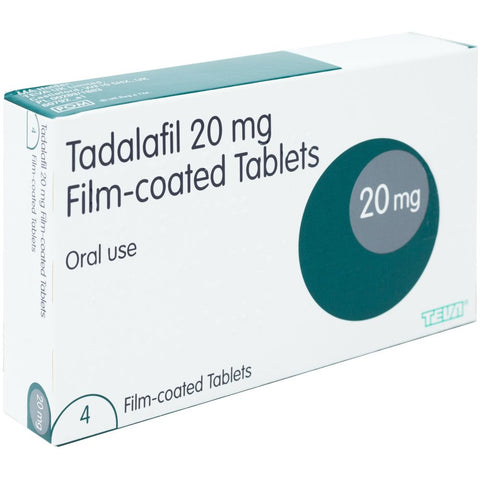
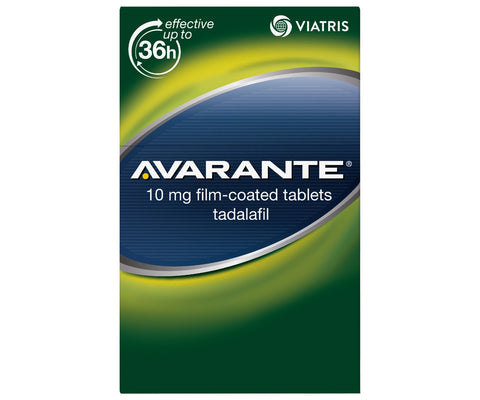
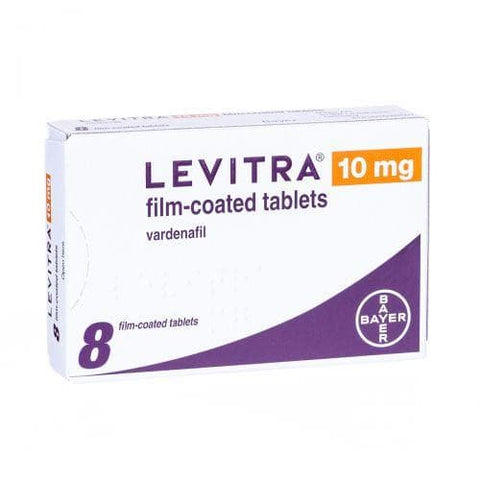
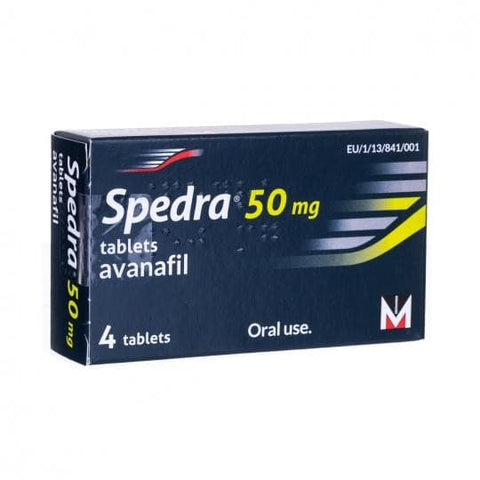
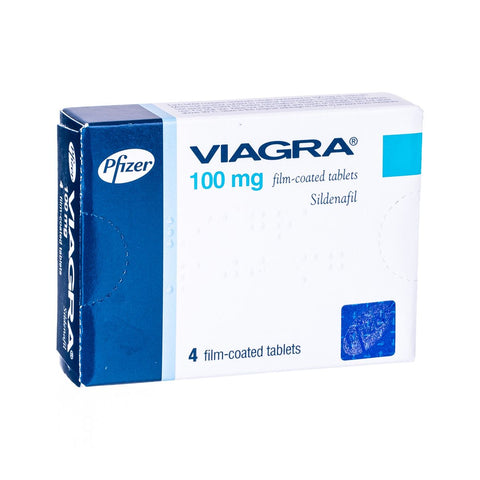
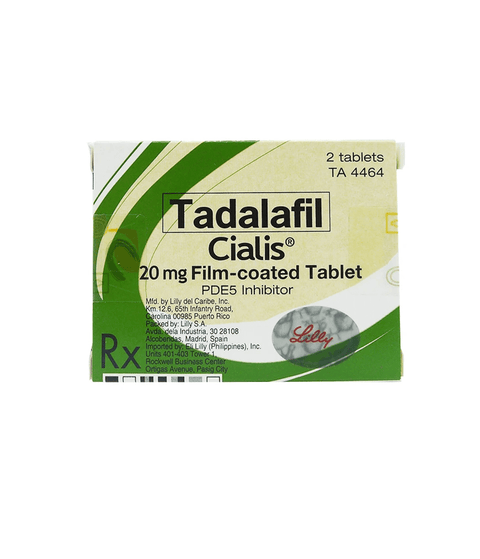
The most commonly prescribed treatments for erectile dysfunction in the UK are PDE5 inhibitors, a class of medication that includes sildenafil (Viagra), tadalafil (Cialis), vardenafil (Levitra), and avanafil (Spedra) [3][4][5][6]. These medicines work by relaxing the blood vessels in the penis, allowing increased blood flow when you are sexually aroused. They do not cause an erection on their own—sexual stimulation is still required.
Sildenafil is usually taken about one hour before sexual activity and is effective for around four to six hours. It is available in 25mg, 50mg, and 100mg doses [3]. Tadalafil can be taken on-demand (at least 30 minutes before sex, with effects lasting up to 36 hours) or as a lower daily dose (2.5mg or 5mg) for men who prefer spontaneity [4]. Vardenafil works similarly to sildenafil, taken 25 to 60 minutes before sex [5], while avanafil has the fastest onset, often working within 15 to 30 minutes [6][11].
For shift workers, the longer duration of tadalafil may offer flexibility, as it allows a wider window for intimacy without needing to time the dose precisely. Daily tadalafil can also be helpful for men who want to avoid planning around medication. Your prescriber can discuss which option best suits your lifestyle and shift pattern.
All PDE5 inhibitors are prescription-only medicines and require a clinical assessment to ensure they are safe for you. They are generally well tolerated, with the most common side effects being headache, flushing, indigestion, and nasal congestion [3][4][5][6]. Serious side effects are rare but include sudden vision or hearing loss and prolonged erections lasting more than four hours (priapism), both of which require urgent medical attention.
When to get urgent help
- An erection lasting more than 4 hours (priapism)—go to A&E immediately to prevent permanent damage
- Sudden loss of vision or hearing after taking erectile dysfunction medication—stop the medicine and seek urgent medical help
- Chest pain during or after sexual activity—stop immediately, call 999, and do not take further ED medication until assessed
- Severe dizziness, fainting, or very low blood pressure after taking ED medication—seek same-day medical advice
Call 999 or go to A&E in an emergency, or contact NHS 111 for urgent advice.
Important Safety Information and Contraindications
PDE5 inhibitors must never be taken with nitrate medicines (such as GTN spray, isosorbide mononitrate, or isosorbide dinitrate), nicorandil, riociguat, or recreational drugs known as 'poppers' (amyl or alkyl nitrites). The combination can cause a dangerous drop in blood pressure [3][4][5][6]. If you are taking any of these, alternative treatments for erectile dysfunction may be available, and you should discuss this with your prescriber.
If you take alpha-blockers for an enlarged prostate or high blood pressure (such as doxazosin, tamsulosin, or alfuzosin), you may still be able to use a PDE5 inhibitor, but you must be stable on the alpha-blocker and start on the lowest dose of the ED medication. Your prescriber will assess this carefully [3][4]. Medicines that affect liver enzymes—such as ritonavir, cobicistat, ketoconazole, itraconazole, or clarithromycin—can increase PDE5 inhibitor levels in the blood, requiring dose adjustments or making some options unsuitable [3][4][5][6].
PDE5 inhibitors are not suitable for men with certain heart conditions, very low blood pressure, recent stroke or heart attack, severe heart failure, or a history of non-arteritic anterior ischaemic optic neuropathy (sudden vision loss) [3][4][5][6]. During your consultation, you will be asked about these and other health conditions to ensure safe prescribing. Always be honest and thorough when completing a medical questionnaire—it is there to protect you.
Grapefruit juice can increase the levels of some PDE5 inhibitors in your blood, and heavy alcohol can worsen erectile dysfunction and increase the risk of side effects such as dizziness. Moderation is key. If you experience chest pain during sexual activity, stop immediately and seek urgent medical help.
What If PDE5 Inhibitors Are Not Suitable?
If oral tablets are not appropriate or effective, other prescription options include Vitaros (alprostadil cream applied to the tip of the penis) and Caverject (alprostadil injection into the side of the penis) [7]. These work locally rather than systemically and may be suitable for some men who cannot take PDE5 inhibitors. A healthcare professional can discuss these alternatives and refer you to a specialist if needed. Vacuum erection devices and penile implants are further options available through the NHS or private urology services.
Improve Sleep, Improve Function
Even small improvements to sleep quality—such as using blackout curtains, keeping a consistent sleep schedule, and avoiding caffeine before bed—can support healthier testosterone levels and better erectile function for shift workers.
Scientific References
- NHS. (n.d.). Erectile dysfunction (impotence). NHS website. https://www.nhs.uk/conditions/erection-problems-erectile-dysfunction/ [accessed 11 November 2026]
- National Institute for Health and Care Excellence. (n.d.). Erectile dysfunction. Clinical Knowledge Summaries. https://cks.nice.org.uk/topics/erectile-dysfunction/ [accessed 11 November 2026]
- Joint Formulary Committee. (n.d.). Sildenafil. British National Formulary. NICE. https://bnf.nice.org.uk/drugs/sildenafil/ [accessed 11 November 2026]
- Joint Formulary Committee. (n.d.). Tadalafil. British National Formulary. NICE. https://bnf.nice.org.uk/drugs/tadalafil/ [accessed 11 November 2026]
- Joint Formulary Committee. (n.d.). Vardenafil. British National Formulary. NICE. https://bnf.nice.org.uk/drugs/vardenafil/ [accessed 11 November 2026]
- Joint Formulary Committee. (n.d.). Avanafil. British National Formulary. NICE. https://bnf.nice.org.uk/drugs/avanafil/ [accessed 11 November 2026]
- Joint Formulary Committee. (n.d.). Alprostadil. British National Formulary. NICE. https://bnf.nice.org.uk/drugs/alprostadil/ [accessed 11 November 2026]
- Feldman, H. A., Goldstein, I., Hatzichristou, D. G., Krane, R. J., & McKinlay, J. B. (1994). Impotence and its medical and psychosocial correlates: Results of the Massachusetts Male Aging Study. Journal of Urology, 151(1), 54–61. https://pubmed.ncbi.nlm.nih.gov/8254833/ [accessed 11 November 2026]
- National Institute for Health and Care Excellence. (2014). Erectile dysfunction: avanafil (ESNM45). https://www.nice.org.uk/advice/esnm45 [accessed 11 November 2026]
Information on this page is for educational purposes only and is not medical advice. Prescription treatments require clinical assessment by a UK-registered prescriber. Always consult a qualified healthcare professional before starting or changing any medication.
Trusted by thousands
Real people, real results
“Fabulous service and quick delivery”
“Felt the effects of these after about 5 days. Erections are better and can get aroused and ready easier”
“Excellent value and brilliant customer service”
“I received excellent service and everything went well. The order arrived quickly and in perfect condition. It's working very well! Thank you to the whole team for the great work!”
“Delivery was good, the product lived up to expectations.”
Your Path to Treatment
Choose your treatment
Select from our recommended UK-licensed medications.

Answer quick questions
Select safe UK treatments. Quick answers.

Get it delivered fast
We will deliver direct to you as quickly as tomorrow.

Ready to Speak to a Pharmacist?
- Reviewed by UK-based prescribers
- Takes under 3 minutes
- Discreet Packaging
Frequently Asked Questions
Can shift work directly cause erectile dysfunction?
Shift work does not directly cause erectile dysfunction, but it increases risk by disrupting sleep, lowering testosterone, raising stress, and contributing to cardiovascular risk factors that impair blood flow and sexual function.
Will my erectile dysfunction improve if I stop doing shift work?
Returning to a regular sleep schedule may help improve testosterone levels, reduce fatigue, and support overall health, which can improve erectile function. However, underlying health conditions should still be assessed and managed by a healthcare professional.
Are PDE5 inhibitors safe for shift workers?
Yes, PDE5 inhibitors such as sildenafil and tadalafil are safe for most shift workers, provided you do not have contraindications such as nitrate use or certain heart conditions. A prescriber will assess your suitability during a consultation.
Which erectile dysfunction treatment works fastest for unpredictable schedules?
Avanafil (Spedra) has the fastest onset, often working within 15 to 30 minutes, making it suitable for less predictable intimacy. Tadalafil's long duration (up to 36 hours) also offers flexibility for shift workers.
Can I take erectile dysfunction medication during a night shift?
PDE5 inhibitors can be taken at any time of day or night, as long as you follow the timing guidance for the specific medicine and are in a situation where sexual activity is appropriate and safe.
Does lack of sleep make erectile dysfunction medication less effective?
Severe fatigue and stress can reduce sexual desire and arousal, which may make it harder for PDE5 inhibitors to work, as they require sexual stimulation. Improving sleep quality and managing stress can enhance treatment effectiveness.
Should I see my GP before trying erectile dysfunction treatment?
Yes, it is important to see a GP or healthcare professional if you have new or persistent erectile dysfunction, as it can be an early sign of cardiovascular disease or diabetes that requires investigation and management.
Can I get erectile dysfunction treatment online if I work irregular hours?
Yes, Cured Pharmacy offers online consultations reviewed by UK prescribers, allowing you to access treatment discreetly and conveniently, even with an irregular schedule. Prescription medicines are only supplied after a clinical assessment to ensure safety.

Medically reviewed by
Tarun Kumar, Superintendent Pharmacist (GPhC 2233073)