


Erectile Dysfunction in New Dads: Causes & Treatment
Learn why ED affects new fathers and how UK pharmacist-led consultations can help you find safe, effective treatment.
Takes less than 2 minutes to complete 100% online
Erectile Dysfunction in New Dads: Understanding and Treating a Common Challenge
Published: 17 October 2026
Erectile dysfunction in new dads is surprisingly common and affects many men during the first year of fatherhood. The combination of sleep deprivation, relationship changes, stress, and even hormonal shifts can all contribute to difficulties getting or maintaining an erection. Understanding the causes and knowing that effective, safe treatments are available can help you regain confidence and intimacy during this demanding life stage.
Prioritise Sleep First
Even small improvements in sleep quality can boost testosterone and improve erectile function within days. Share night duties, nap when your baby naps, and accept help from family to increase your total rest time.
Why Does Erectile Dysfunction in New Dads Happen?
Becoming a father brings profound physical and emotional changes that can affect sexual function. Sleep deprivation is one of the most significant factors—chronic lack of sleep lowers testosterone levels, reduces libido, and impairs the body's ability to achieve an erection [1]. Many new fathers report getting fewer than five hours of broken sleep per night during the early months, which takes a measurable toll on sexual health.
Psychological stress also plays a major role. The pressure of new responsibilities, financial worries, changes in your relationship with your partner, and anxiety about being a good parent can all contribute to performance anxiety and erectile difficulties [2]. When your mind is preoccupied or anxious, it becomes harder for your body to respond to sexual stimulation.
Hormonal changes in new fathers are less discussed but real. Research shows that men's testosterone levels can drop after the birth of a child, an evolutionary adaptation that may help with nurturing behaviour but can also affect sexual desire and function [10]. Additionally, reduced physical activity, poor diet, and increased alcohol consumption—common coping mechanisms during the stressful newborn period—can all worsen erectile function.
The Impact of Relationship Changes on Erectile Function
The arrival of a baby fundamentally changes the dynamics of your relationship. Your partner may be recovering physically from childbirth, experiencing hormonal shifts, sleep deprivation, and the demands of breastfeeding. Intimacy often takes a back seat to survival, and when you do find time together, the pressure to 'make it count' can create performance anxiety that makes erections more difficult [1].
Communication gaps can widen during this period. If you're experiencing erectile difficulties and feel embarrassed or ashamed, you may withdraw rather than discuss it. Your partner may interpret this withdrawal as lack of interest or attraction, creating a cycle of misunderstanding and distance. Many new fathers report feeling like they've lost their identity as a sexual partner and become solely a caregiver.
It's important to recognise that these relationship challenges are normal and temporary. Most couples find that intimacy gradually returns as routines stabilise and sleep improves. However, if erectile dysfunction persists, addressing it medically can remove one source of stress and help rebuild physical connection during a vulnerable time in your relationship.
When to Talk to Your Partner
Open conversation with your partner about erectile difficulties can feel daunting, but it's one of the most helpful steps you can take. Choose a calm moment outside the bedroom, acknowledge the changes you've both experienced, and explain that you're seeking help. Most partners feel relieved to understand what's happening rather than wondering if they're no longer attractive to you. Framing it as a shared challenge—rather than your problem alone—can strengthen your bond during this transition.
When to get urgent help
- Erection lasting more than 4 hours (priapism) – go to A&E immediately
- Sudden loss of vision or hearing after taking ED medication – seek urgent medical help
- Chest pain during sexual activity – stop immediately and call 999
- Severe dizziness, fainting, or rapid heartbeat after taking ED treatment – seek same-day medical advice
- Thoughts of self-harm or severe depression – contact your GP urgently or call the Samaritans on 116 123
Call 999 or go to A&E in an emergency, or contact NHS 111 for urgent advice.
Physical Health Factors in New Fathers
Erectile dysfunction can be an early warning sign of underlying health conditions, which is why it's important to see your GP if you're experiencing persistent problems [1]. Conditions such as diabetes, high blood pressure, high cholesterol, and heart disease can all cause or worsen erectile difficulties. The lifestyle changes that often accompany new fatherhood—less exercise, more takeaways, increased alcohol consumption, and weight gain—can accelerate these risk factors.
If you've gained weight during your partner's pregnancy (sometimes called 'sympathy weight'), this can affect erectile function through multiple pathways. Excess weight reduces testosterone, impairs blood flow, and increases inflammation—all of which make erections more difficult to achieve and maintain [2]. Even modest weight loss of 5-10% of body weight can lead to significant improvements in erectile function.
Some new fathers turn to alcohol or smoking to cope with stress, but both directly impair erectile function. Alcohol is a depressant that reduces arousal and blood flow, while smoking damages blood vessels and restricts circulation to the penis [1]. If you've increased either habit since becoming a father, cutting back can make a noticeable difference to your sexual health within weeks.
Practical Steps to Improve Erectile Dysfunction in New Dads
Start by prioritising sleep wherever possible. While unbroken nights may be impossible with a newborn, strategic napping, sharing night duties with your partner, and accepting help from family can all add crucial hours of rest. Even small improvements in sleep quality can boost testosterone and improve erectile function within days [1].
Physical activity is one of the most effective non-medical treatments for erectile dysfunction. You don't need a gym membership—a brisk 30-minute walk with the pram, bodyweight exercises at home during nap time, or cycling to work can all improve cardiovascular health and blood flow [2]. Exercise also reduces stress, improves mood, and helps regulate hormones, creating a positive cycle for sexual health.
Reduce alcohol and avoid smoking. If you're using either to cope with stress, consider healthier alternatives such as mindfulness apps, talking to friends, or brief counselling. Many new fathers find that cutting alcohol for even a few weeks leads to better sleep, more energy, and improved erections. If you're struggling to cut down, speak to your GP about support services.
Consider pelvic floor exercises (Kegels). These aren't just for women—strengthening the muscles that support erections can improve rigidity and control. To find the right muscles, try stopping your urine mid-flow (only as a test, not regularly). Then practice squeezing and holding those muscles for a few seconds, several times a day. Studies show that pelvic floor exercises can significantly improve erectile function over three to six months [2].
Managing Stress and Anxiety
Stress management is crucial for new fathers experiencing erectile difficulties. Simple techniques such as deep breathing, short meditation sessions (even five minutes), or talking through worries with your partner or a friend can lower cortisol and improve sexual response. If anxiety about performance is a major factor, remember that intimacy doesn't always need to involve penetration—exploring other forms of physical connection can reduce pressure and often leads to natural improvements in erectile function.
At a glance
When to Speak to a Healthcare Professional About Erectile Dysfunction in New Dads
You should see your GP if erectile difficulties persist for more than a few weeks, as this allows early investigation of any underlying health conditions [1]. Your doctor will ask about your medical history, lifestyle, and medications, and may arrange blood tests to check testosterone, blood sugar, cholesterol, and thyroid function. These tests can identify treatable causes such as low testosterone or early diabetes.
It's especially important to seek medical advice if you have risk factors for heart disease, such as a family history, high blood pressure, diabetes, high cholesterol, smoking, or being overweight. Erectile dysfunction often appears before other symptoms of cardiovascular disease, so addressing it early can protect your long-term health [2]. Your GP may refer you to a specialist if initial tests suggest a complex cause.
Don't wait if you're experiencing emotional distress, relationship strain, or symptoms of depression or anxiety. New fathers are at increased risk of postnatal depression, which often includes loss of libido and erectile difficulties. Your GP can discuss talking therapies, medication, or referral to specialist mental health services. Treating the underlying mood disorder often resolves the sexual difficulties as well.
If lifestyle changes and addressing underlying health issues don't fully resolve the problem, prescription treatments for erectile dysfunction are highly effective and safe for most men [1]. These are available through your GP or via a registered online pharmacy such as Cured Pharmacy, where a UK prescriber reviews your medical history and current medications before approving treatment.
Treatment Options for Erectile Dysfunction in New Dads
The most commonly prescribed treatments for erectile dysfunction are PDE5 inhibitors—tablets that improve blood flow to the penis and make it easier to get and keep an erection when you're sexually aroused [3][4][5][6]. These medicines don't work automatically; you still need sexual stimulation. They're highly effective, with clinical trials showing that around 70-80% of men experience significant improvement [9].
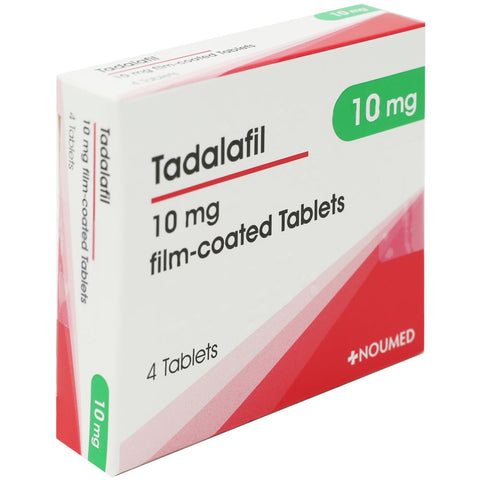
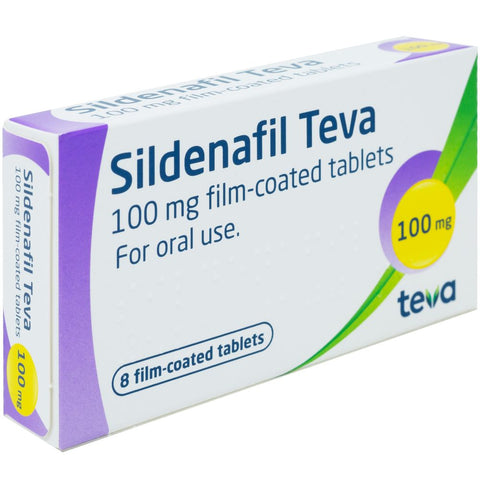
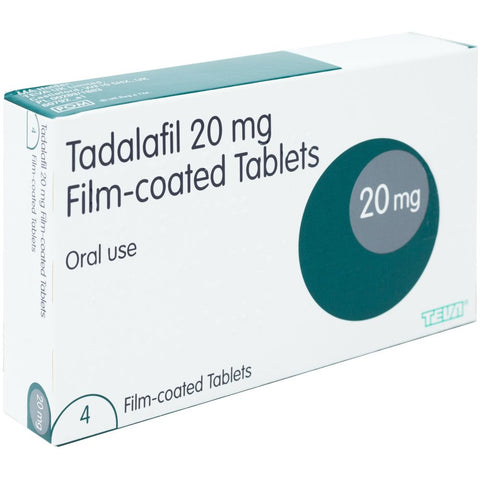
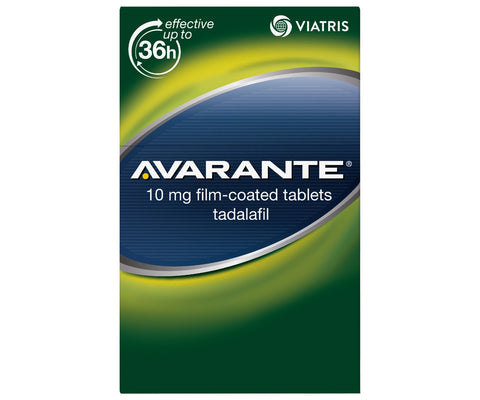
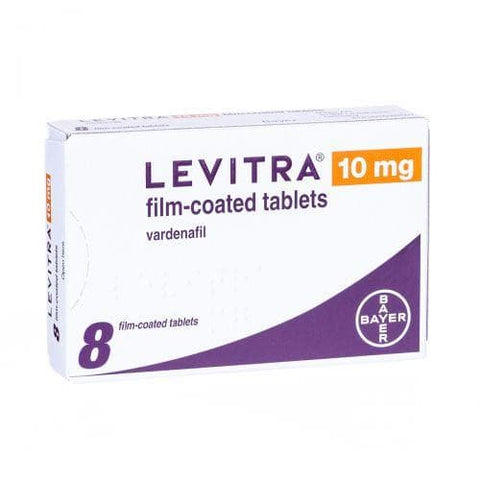
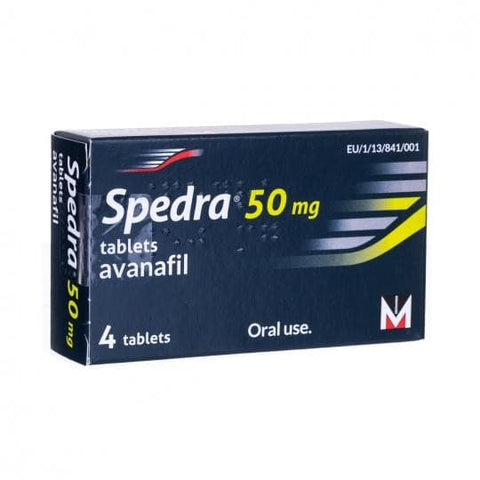
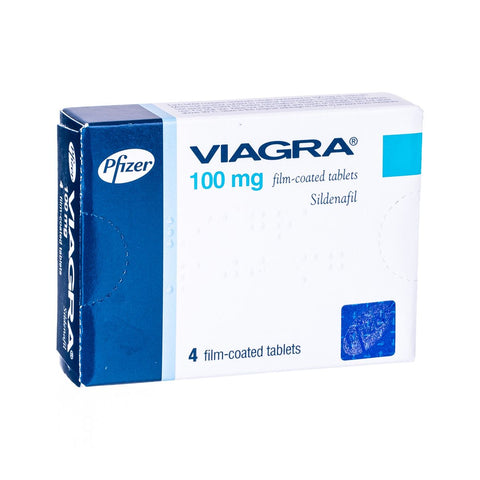
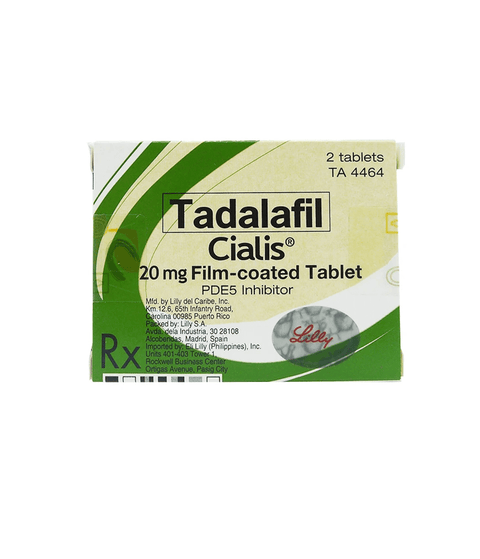
Sildenafil (the active ingredient in Viagra) is usually taken about one hour before sex and works for around four hours. It's available as a generic medicine at Cured Pharmacy from £0.45 per tablet (£0.36 with first-order code Ednew), making it an affordable option for many new fathers managing tight budgets. Tadalafil (the active ingredient in Cialis) can be taken on-demand at least 30 minutes before sex, with effects lasting up to 36 hours, or as a lower daily dose for spontaneity [4]. Other options include vardenafil and avanafil (Spedra), which works in as little as 15-30 minutes [6].
All PDE5 inhibitors require a prescription, as they're not safe for everyone. They must never be taken with nitrate medicines (used for angina), nicorandil, riociguat, or recreational drugs called 'poppers', as the combination can cause a dangerous drop in blood pressure [3]. Men taking alpha-blockers for prostate symptoms or blood pressure need careful dose adjustment. Your prescriber will check your full medication list and medical history before approving treatment.
At Cured Pharmacy, you complete a confidential online consultation reviewed by a UK-registered prescriber. If treatment is suitable, your medicine is dispensed by our GPhC-registered pharmacy and delivered discreetly to your door. This can be particularly convenient for new fathers who have little time for GP appointments. However, if you haven't seen your GP about erectile dysfunction before, we encourage you to do so, as it's important to rule out underlying health conditions.
Choosing the Right Treatment
The best treatment depends on your lifestyle and preferences. If you prefer to plan ahead and want a shorter duration of action, sildenafil may suit you. If you value spontaneity and longer-lasting effects, tadalafil (especially the daily low-dose option) might be better. Your prescriber can guide you based on your health, other medications, and how you want to use the treatment. Many men try more than one option before finding their preferred choice.
In summary
- Erectile dysfunction in new dads is common, caused by sleep deprivation, stress, hormonal changes, and relationship shifts.
- See your GP if difficulties persist beyond a few weeks to rule out underlying health conditions.
- Lifestyle improvements—better sleep, exercise, reduced alcohol—can significantly improve erectile function.
- Prescription PDE5 inhibitors are highly effective and available after a UK prescriber consultation.
- Open communication with your partner reduces anxiety and strengthens your relationship during this transition.
Scientific References
- NHS. (n.d.). Erectile dysfunction (impotence). NHS website. https://www.nhs.uk/conditions/erection-problems-erectile-dysfunction/ [accessed 17 October 2026]
- National Institute for Health and Care Excellence. (n.d.). Erectile dysfunction. Clinical Knowledge Summaries. https://cks.nice.org.uk/topics/erectile-dysfunction/ [accessed 17 October 2026]
- Joint Formulary Committee. (n.d.). Sildenafil. British National Formulary. NICE. https://bnf.nice.org.uk/drugs/sildenafil/ [accessed 17 October 2026]
- Joint Formulary Committee. (n.d.). Tadalafil. British National Formulary. NICE. https://bnf.nice.org.uk/drugs/tadalafil/ [accessed 17 October 2026]
- Joint Formulary Committee. (n.d.). Vardenafil. British National Formulary. NICE. https://bnf.nice.org.uk/drugs/vardenafil/ [accessed 17 October 2026]
- Joint Formulary Committee. (n.d.). Avanafil. British National Formulary. NICE. https://bnf.nice.org.uk/drugs/avanafil/ [accessed 17 October 2026]
- Goldstein, I., Lue, T. F., Padma-Nathan, H., Rosen, R. C., Steers, W. D., & Wicker, P. A. (1998). Oral sildenafil in the treatment of erectile dysfunction. New England Journal of Medicine, 338(20), 1397–1404. https://pubmed.ncbi.nlm.nih.gov/9580646/ [accessed 17 October 2026]
- Feldman, H. A., Goldstein, I., Hatzichristou, D. G., Krane, R. J., & McKinlay, J. B. (1994). Impotence and its medical and psychosocial correlates: Results of the Massachusetts Male Aging Study. Journal of Urology, 151(1), 54–61. https://pubmed.ncbi.nlm.nih.gov/8254833/ [accessed 17 October 2026]
Information on this page is for educational purposes only and is not medical advice. Prescription treatments require clinical assessment by a UK-registered prescriber. Always consult a qualified healthcare professional before starting or changing any medication.
ED Treatments We Offer
Pricing Disclaimer: Prices on some pages may not be up to date — the live pricing table below and pricing shown during consultation are official current prices and take precedence over any other figures on the site.
Not sure which one? Start a free consultation →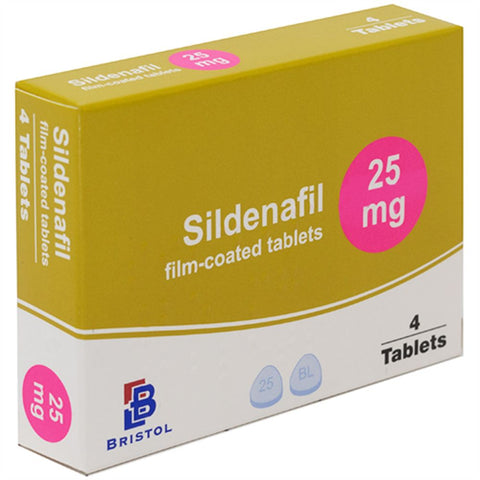
Your Questions Answered
Trusted by thousands
Real people, real results
“Fabulous service and quick delivery”
“Felt the effects of these after about 5 days. Erections are better and can get aroused and ready easier”
“Excellent value and brilliant customer service”
“I received excellent service and everything went well. The order arrived quickly and in perfect condition. It's working very well! Thank you to the whole team for the great work!”
“Delivery was good, the product lived up to expectations.”
How Our Online Service Works
Choose your treatment
Select from our recommended UK-licensed medications.
Answer quick questions
Select safe UK treatments. Quick answers.
Get it delivered fast
We will deliver direct to you as quickly as tomorrow.
Get Discreet ED Treatment Online
- Reviewed by UK-based prescribers
- Takes under 3 minutes
- Discreet Packaging

Medically reviewed by
Tarun Kumar, Superintendent Pharmacist (GPhC 2233073)