


Erectile Dysfunction in Bodybuilders: Causes & Treatment
Learn why steroid use affects erections and how UK-licensed treatments can help restore sexual function.
Takes less than 2 minutes to complete 100% online
ED Treatments We Offer
Pricing Disclaimer: Prices on some pages may not be up to date — the live pricing table below and pricing shown during consultation are official current prices and take precedence over any other figures on the site.
Not sure which one? Start a free consultation →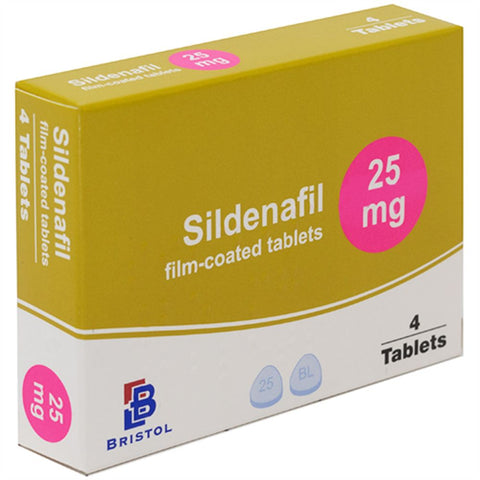
Erectile Dysfunction in Bodybuilders: Understanding the Link Between Performance Enhancement and Sexual Health
Published: 10 November 2026
Erectile dysfunction in bodybuilders is a recognised problem that often stems from the use of anabolic steroids, performance-enhancing drugs, and the resulting hormonal imbalances. While bodybuilding itself does not cause ED, the misuse of testosterone and other androgenic substances can suppress natural hormone production, leading to difficulties achieving or maintaining erections. This page explains why bodybuilders are at particular risk, what happens when you stop using steroids, and how UK-licensed treatments can help restore sexual function.
Key takeaways
- Anabolic steroids suppress natural testosterone production, often causing erectile dysfunction during and after use
- Recovery can take months to years; some men may need long-term testosterone replacement therapy
- PDE5 inhibitors like sildenafil and tadalafil can effectively treat ED while hormones recover
- Stopping steroids, eating well, exercising, and quitting smoking all improve sexual and cardiovascular health
- See your GP for blood tests and a full health check if you have persistent or new erectile dysfunction
Why Erectile Dysfunction in Bodybuilders Is More Common
Bodybuilders who use anabolic-androgenic steroids (AAS) to build muscle mass often experience erectile dysfunction as a side effect. When synthetic testosterone or similar compounds are introduced into the body, the brain's pituitary gland detects high hormone levels and reduces or stops the production of luteinising hormone (LH) and follicle-stimulating hormone (FSH). These hormones normally signal the testes to produce natural testosterone. Over time, the testes may shrink and stop producing adequate testosterone on their own, a condition known as hypogonadotropic hypogonadism [1][2].
Even after stopping steroid use, natural testosterone production can take months or years to recover—and in some cases, it may never fully return to baseline. During this recovery period, low testosterone levels can cause reduced libido, difficulty achieving erections, fatigue, and mood changes. The longer and higher the steroid doses used, the greater the risk of prolonged or permanent suppression. Some bodybuilders also use other substances such as growth hormone, insulin, or diuretics, which can further complicate cardiovascular and metabolic health, indirectly worsening erectile function [2].
It is important to recognise that erectile dysfunction can also be an early warning sign of cardiovascular disease or diabetes, conditions that may be exacerbated by steroid use, high-protein diets, and intense training regimens. If you are experiencing new or worsening ED, especially alongside chest pain, shortness of breath, or other symptoms, see your GP promptly for a full health assessment [1].
How Anabolic Steroids Affect Hormones and Erections
Anabolic steroids work by mimicking the effects of testosterone, binding to androgen receptors in muscle tissue to promote protein synthesis and muscle growth. However, the body's hormonal system operates on a feedback loop. When external testosterone or similar androgens are detected, the hypothalamus reduces its release of gonadotropin-releasing hormone (GnRH), which in turn lowers LH and FSH from the pituitary gland. Without these signals, the testes produce less natural testosterone and sperm [2].
While steroid users may have high total testosterone levels during a cycle, the body becomes dependent on the external source. Once the cycle ends, total testosterone can plummet below normal, leading to a state of hypogonadism. Low testosterone directly impairs erectile function by reducing nitric oxide production in penile blood vessels, decreasing libido, and affecting mood and energy. Some users attempt post-cycle therapy (PCT) with drugs like clomifene or human chorionic gonadotropin (hCG) to restart natural production, but recovery is not guaranteed and should be supervised by an endocrinologist or specialist [2].
Other performance-enhancing substances can also contribute to ED. For example, some bodybuilders use aromatase inhibitors to prevent testosterone converting to oestrogen, but excessively low oestrogen can impair sexual function and bone health. Stimulants, fat burners, and diuretics may raise blood pressure or damage blood vessels, further increasing ED risk. A full and honest discussion with your GP about all substances used is essential for safe and effective treatment [1][2].
Post-Cycle Testosterone Recovery
After stopping anabolic steroids, natural testosterone production can take anywhere from a few months to over a year to recover, depending on the duration and dosage of steroid use. During this time, many men experience symptoms of low testosterone, including erectile dysfunction, low libido, fatigue, depression, and loss of muscle mass. Post-cycle therapy (PCT) is sometimes used to stimulate the pituitary gland and testes, but it is not a guaranteed solution and must be prescribed and monitored by a doctor. Blood tests to measure LH, FSH, and total and free testosterone are essential to assess recovery and guide treatment decisions [2].
At a glance
Cardiovascular and Metabolic Risks in Bodybuilders
Erectile dysfunction is often an early marker of cardiovascular disease, and bodybuilders who use anabolic steroids face heightened cardiovascular risks. Steroid use can raise LDL cholesterol, lower HDL cholesterol, increase blood pressure, promote left ventricular hypertrophy (thickening of the heart muscle), and accelerate atherosclerosis (hardening of the arteries). These changes reduce blood flow throughout the body, including to the penis, making erections difficult or impossible [1][2].
High-dose steroid cycles, especially when combined with other substances like growth hormone or insulin, can also increase the risk of type 2 diabetes, insulin resistance, and metabolic syndrome. Diabetes damages small blood vessels and nerves, both of which are critical for erectile function. Many bodybuilders also follow very high-protein, low-carbohydrate diets and use supplements that may contain undeclared stimulants or other harmful ingredients, further stressing the cardiovascular system [2].
If you have used or are using anabolic steroids, it is vital to have regular cardiovascular health checks, including blood pressure monitoring, lipid profiles, fasting glucose, and an ECG if recommended by your GP. Addressing ED early can help identify and manage underlying health problems before they become serious. Lifestyle changes—such as stopping steroid use, eating a balanced diet, reducing alcohol, quitting smoking, and engaging in regular aerobic exercise—can significantly improve both cardiovascular and sexual health [1][2].
Treatment Options for Erectile Dysfunction in Bodybuilders
The first step in treating erectile dysfunction in bodybuilders is to identify and address the underlying cause. If you are currently using anabolic steroids or other performance-enhancing drugs, stopping or reducing use under medical supervision is essential. Your GP or an endocrinologist can arrange blood tests to check your hormone levels, liver and kidney function, lipid profile, and glucose. Depending on the results, you may be offered testosterone replacement therapy (TRT) if your natural production does not recover, though TRT itself requires careful monitoring and is a long-term commitment [2].
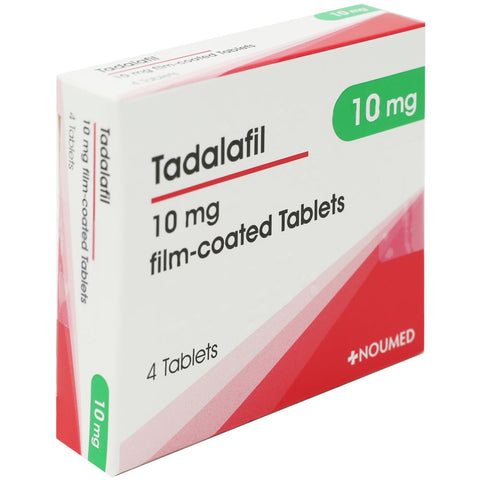
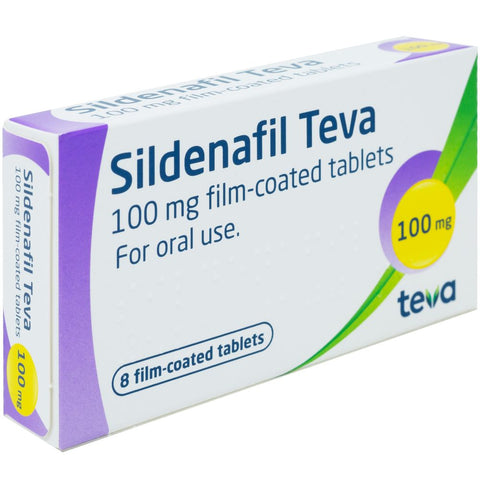
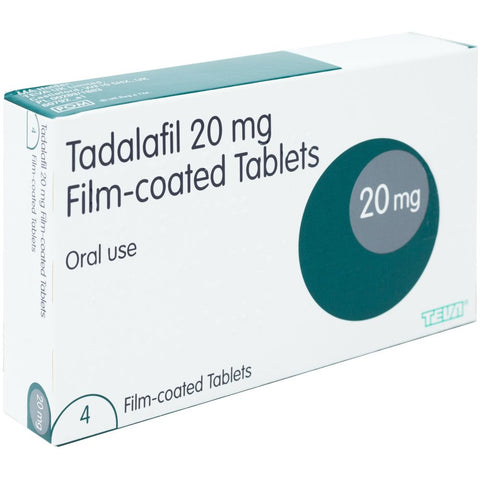
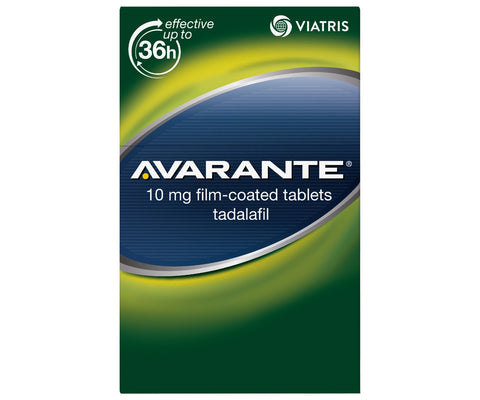
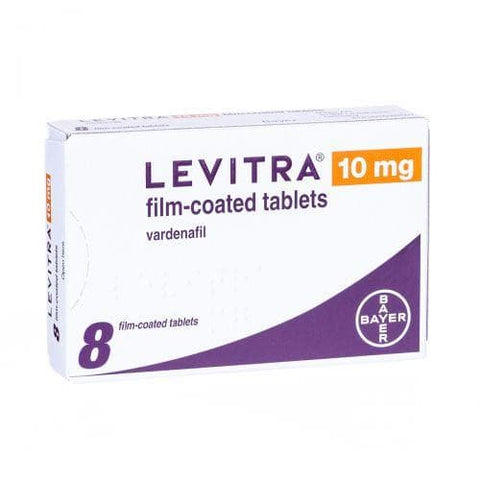
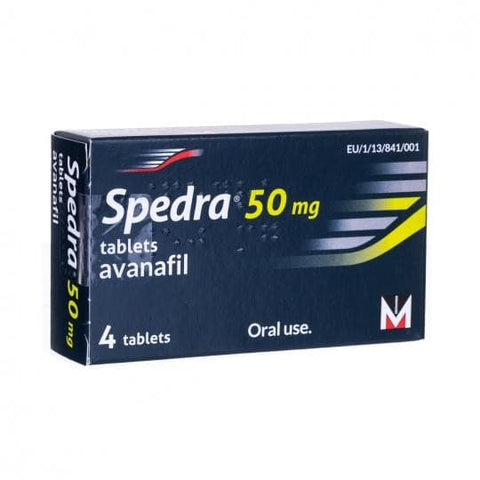
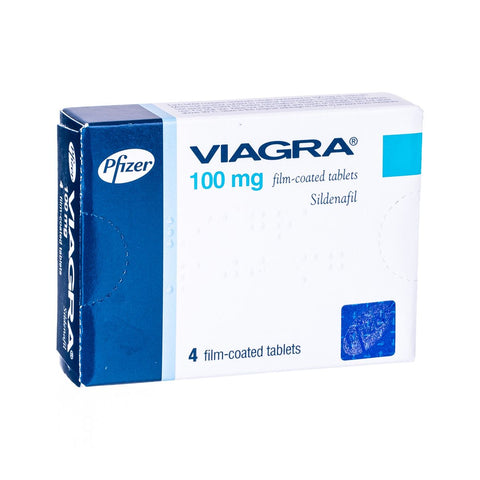
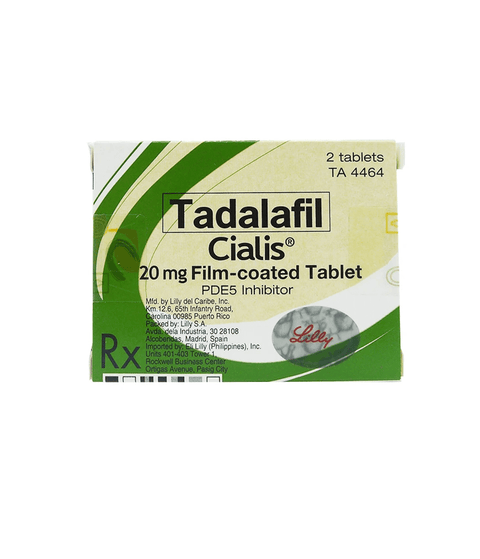
For men with erectile dysfunction who have normal or recovering testosterone levels, PDE5 inhibitor medications are highly effective. These include sildenafil (Viagra), tadalafil (Cialis), vardenafil (Levitra), and avanafil (Spedra). They work by increasing blood flow to the penis in response to sexual stimulation, helping you achieve and maintain an erection. PDE5 inhibitors do not affect testosterone levels or muscle mass, and they can be used safely alongside most other medications, provided there are no contraindications such as nitrate use [3][4][5][6].
At Cured Pharmacy, all ED treatments require an online consultation reviewed by a UK-registered prescriber, who will check your medical history, current medications, and any steroid or supplement use to ensure the treatment is safe and appropriate for you. It is crucial to be completely honest about all substances you are taking, including those not prescribed by a doctor, so that potential drug interactions and health risks can be properly assessed [2].
Which PDE5 Inhibitor Is Right for You?
Sildenafil (Viagra) is taken about one hour before sex and lasts around four to six hours, making it suitable for planned activity. Tadalafil (Cialis) can be taken on-demand at least 30 minutes before sex, with effects lasting up to 36 hours, or as a low daily dose for spontaneous activity. Vardenafil (Levitra) works similarly to sildenafil, while avanafil (Spedra) has the fastest onset, often within 15 to 30 minutes. Your prescriber will recommend the most suitable option based on your lifestyle, health, and any medications you are taking [3][4][5][6].
Be Honest About Steroid Use
Always tell your prescriber or GP about any anabolic steroids, supplements, or performance-enhancing drugs you are using or have used. This information is confidential and essential for safe, effective treatment of erectile dysfunction and any underlying health problems.
Lifestyle Changes to Support Recovery and Sexual Health
Stopping anabolic steroid use is the single most important step to restore natural hormone production and improve erectile function. However, recovery takes time, and supporting your body with healthy lifestyle choices can make a significant difference. Regular aerobic exercise—such as brisk walking, cycling, or swimming—improves cardiovascular health, lowers blood pressure, and enhances blood flow to the penis. Resistance training can be continued, but avoid the temptation to return to steroid use, as this will perpetuate the cycle of hormonal suppression [1][2].
A balanced diet rich in fruits, vegetables, whole grains, lean protein, and healthy fats supports overall health and hormone production. Avoid excessive alcohol, which can worsen erectile dysfunction and interfere with testosterone recovery. Smoking damages blood vessels and significantly increases ED risk, so quitting smoking is one of the most effective changes you can make. Managing stress through mindfulness, adequate sleep, and talking therapies can also improve both mental and sexual health [1][2].
If you are struggling with body image concerns, anxiety, or depression related to stopping steroid use or experiencing ED, speak to your GP about counselling or cognitive behavioural therapy (CBT). Psychological factors often contribute to erectile dysfunction, and addressing them alongside physical treatments leads to the best outcomes. Remember, seeking help is a sign of strength, and effective treatments are available [1][2].
When to See a Doctor About Erectile Dysfunction in Bodybuilders
You should see your GP if you experience persistent erectile dysfunction, especially if it is new, worsening, or accompanied by other symptoms such as reduced libido, fatigue, mood changes, or physical signs like testicular shrinkage. Erectile dysfunction can be an early warning sign of serious health conditions, including heart disease, diabetes, and hormonal disorders, all of which are more common in men who have used anabolic steroids [1][2].
Be open and honest with your doctor about any steroid or supplement use, including the types, doses, and duration. This information is confidential and essential for accurate diagnosis and safe treatment. Your GP can arrange blood tests to check your testosterone, LH, FSH, prolactin, lipid profile, glucose, liver and kidney function, and other markers. Depending on the results, you may be referred to an endocrinologist, urologist, or cardiologist for specialist assessment and management [2].
If you experience chest pain during sex, an erection lasting more than four hours (priapism), or sudden loss of vision or hearing, seek urgent medical help immediately. These are rare but serious side effects that require emergency treatment. For all other concerns, a same-day or routine GP appointment is appropriate. Cured Pharmacy's online consultation service is designed for men with straightforward ED who are otherwise well, but it is not a substitute for a full medical assessment if you have complex health needs or have used anabolic steroids [1][2].
What to Expect During Your Consultation
During an online consultation at Cured Pharmacy, you will be asked about your medical history, current medications, lifestyle, and any steroid or supplement use. A UK-registered prescriber will review your answers to ensure that an ED treatment is safe and suitable for you. If there are concerns about your hormone levels, cardiovascular health, or other underlying conditions, the prescriber may recommend that you see your GP for blood tests or further investigation before starting treatment. This careful approach ensures your safety and the best chance of successful treatment [2].
When to get urgent help
- Chest pain, severe dizziness, or fainting during or after sex—call 999 immediately
- Erection lasting more than 4 hours (priapism)—go to A&E immediately to prevent permanent damage
- Sudden loss of vision or hearing—stop the medication and seek urgent medical help the same day
- Severe shortness of breath, rapid heartbeat, or swelling of the legs—see your GP urgently or call 111
Call 999 or go to A&E in an emergency, or contact NHS 111 for urgent advice.
Scientific References
- NHS. (n.d.). Erectile dysfunction (impotence). NHS website. https://www.nhs.uk/conditions/erection-problems-erectile-dysfunction/ [accessed 10 November 2026]
- National Institute for Health and Care Excellence. (n.d.). Erectile dysfunction. Clinical Knowledge Summaries. https://cks.nice.org.uk/topics/erectile-dysfunction/ [accessed 10 November 2026]
- Joint Formulary Committee. (n.d.). Sildenafil. British National Formulary. NICE. https://bnf.nice.org.uk/drugs/sildenafil/ [accessed 10 November 2026]
- Joint Formulary Committee. (n.d.). Tadalafil. British National Formulary. NICE. https://bnf.nice.org.uk/drugs/tadalafil/ [accessed 10 November 2026]
- Joint Formulary Committee. (n.d.). Vardenafil. British National Formulary. NICE. https://bnf.nice.org.uk/drugs/vardenafil/ [accessed 10 November 2026]
- Joint Formulary Committee. (n.d.). Avanafil. British National Formulary. NICE. https://bnf.nice.org.uk/drugs/avanafil/ [accessed 10 November 2026]
Information on this page is for educational purposes only and is not medical advice. Prescription treatments require clinical assessment by a UK-registered prescriber. Always consult a qualified healthcare professional before starting or changing any medication.
Trusted by thousands
Real people, real results
“Fabulous service and quick delivery”
“Felt the effects of these after about 5 days. Erections are better and can get aroused and ready easier”
“Excellent value and brilliant customer service”
“I received excellent service and everything went well. The order arrived quickly and in perfect condition. It's working very well! Thank you to the whole team for the great work!”
“Delivery was good, the product lived up to expectations.”
How Our Online Service Works
Choose your treatment
Select from our recommended UK-licensed medications.
Answer quick questions
Select safe UK treatments. Quick answers.
Get it delivered fast
We will deliver direct to you as quickly as tomorrow.
Get Discreet ED Treatment Online
- Reviewed by UK-based prescribers
- Takes under 3 minutes
- Discreet Packaging
Your Questions Answered
Can't find your answer? Our UK pharmacists review every consultation and can help.
Can anabolic steroids cause permanent erectile dysfunction?
In some cases, yes. Prolonged or high-dose steroid use can permanently suppress natural testosterone production, leading to long-term or permanent erectile dysfunction if the testes do not recover. Early intervention and medical support improve the chances of recovery.
Will stopping steroids cure my erectile dysfunction?
Stopping steroids is essential for recovery, but natural testosterone production can take months or years to return, and ED may persist during this time. PDE5 inhibitors like sildenafil or tadalafil can help manage symptoms while your hormones recover.
Can I take Viagra or Cialis if I've used anabolic steroids?
Yes, PDE5 inhibitors like sildenafil (Viagra) and tadalafil (Cialis) can be used safely by men who have used steroids, provided you are not taking nitrates or other contraindicated medications. A prescriber will review your full medical and substance use history during your consultation.
Do I need to tell my doctor about steroid use?
Yes, it is essential to be honest about all steroid and supplement use. This information is confidential and necessary for accurate diagnosis, safe prescribing, and effective treatment of erectile dysfunction and any underlying health problems.
Can post-cycle therapy (PCT) prevent erectile dysfunction?
Post-cycle therapy with drugs like clomifene or hCG may help restart natural testosterone production, but it is not guaranteed to prevent ED and must be prescribed and monitored by a doctor. Some men still experience prolonged low testosterone and ED despite PCT.
Is erectile dysfunction in bodybuilders a sign of heart disease?
It can be. Erectile dysfunction is often an early warning sign of cardiovascular disease, and steroid use increases the risk of high blood pressure, high cholesterol, and atherosclerosis. See your GP for a cardiovascular health check if you have ED.
Can I use testosterone replacement therapy (TRT) for ED caused by steroids?
TRT may be recommended if your natural testosterone production does not recover after stopping steroids, but it is a long-term commitment and must be prescribed and monitored by an endocrinologist or specialist. TRT itself can suppress natural production, so careful assessment is essential.
How long does it take for erections to return after stopping steroids?
Recovery varies widely depending on the type, dose, and duration of steroid use. Some men recover within a few months, while others may take a year or longer. Blood tests and medical monitoring can help track your progress and guide treatment decisions.

Medically reviewed by
Tarun Kumar, Superintendent Pharmacist (GPhC 2233073)