

Erectile Dysfunction After Quitting Cocaine
Understand why ED happens in recovery and explore safe, effective UK treatment options with pharmacist support.
Takes less than 2 minutes to complete 100% online

Erectile Dysfunction After Quitting Cocaine: Causes, Recovery and Treatment
Published: 11 November 2026
Erectile dysfunction after quitting cocaine is a common concern for men in recovery, and understanding the link can help you manage it effectively. Cocaine affects blood vessels and the nervous system in ways that can interfere with erections, and these effects may persist for weeks or months after stopping use [1]. The good news is that erectile function often improves naturally as your body heals, and effective treatments are available to support you during recovery.
Key takeaways
- Erectile dysfunction after quitting cocaine is common and often improves as your body heals over weeks to months.
- Cocaine damages blood vessels and affects brain chemistry, both of which can interfere with erections during and after use.
- Lifestyle changes such as exercise, healthy eating and staying abstinent support recovery and improve erectile function.
- Oral ED medications are safe and effective after a clinical assessment, even if you have cardiovascular risk factors.
- See your GP for a full health check, as persistent ED may indicate underlying cardiovascular or other health issues.
Why does erectile dysfunction after quitting cocaine happen?
Cocaine is a powerful stimulant that constricts blood vessels and raises blood pressure, which can damage the delicate blood vessels in the penis over time [1]. While using cocaine, some men experience temporary erectile problems due to these vascular effects and the drug's impact on the nervous system. When you stop using cocaine, your body begins to repair this damage, but the recovery process takes time.
During early withdrawal, your brain chemistry is adjusting to the absence of the drug. Cocaine affects dopamine levels—a neurotransmitter involved in pleasure and arousal—and it can take weeks or months for these pathways to rebalance [2]. Low mood, anxiety, fatigue and sleep disturbances are common during this period, all of which can contribute to erectile difficulties. Additionally, any psychological dependence or stress related to quitting can further affect sexual function.
It is also important to consider that chronic cocaine use may have caused underlying cardiovascular damage. Cocaine increases the risk of high blood pressure, heart disease and blood vessel problems, all of which are known risk factors for erectile dysfunction [1][2]. If you have been using cocaine heavily or for a long time, it is worth seeing your GP for a cardiovascular health check, as treating any underlying conditions will support both your general health and erectile function.
How long does erectile dysfunction last after stopping cocaine?
The timeline for recovery varies from person to person and depends on factors such as how long you used cocaine, how much you used, your overall health, and whether there is any lasting cardiovascular or psychological impact. For many men, erectile function begins to improve within a few weeks to a few months after quitting, as blood vessels heal and brain chemistry rebalances [2].
In the early weeks of withdrawal, you may notice fluctuating symptoms—some days better than others—as your body adjusts. Sleep quality, mood and energy levels typically improve gradually, and sexual function often follows a similar pattern. If you were using cocaine heavily or for many years, recovery may take longer, and some men find that erectile difficulties persist beyond the acute withdrawal phase.
If erectile dysfunction continues for more than three months after quitting, or if you have other symptoms such as chest pain, shortness of breath or leg swelling, it is important to see your GP [1]. Persistent ED may indicate underlying cardiovascular disease or other health issues that need assessment and treatment. Your GP can arrange blood tests to check for diabetes, cholesterol and hormone levels, all of which can affect erectile function and are more common in people with a history of substance use.
At a glance
Lifestyle measures to support recovery from erectile dysfunction after quitting cocaine
Staying abstinent from cocaine is the single most important step for recovery, and seeking support from addiction services, counselling or peer groups can make a significant difference [1]. Many areas in the UK have free NHS drug and alcohol services that offer one-to-one support, group therapy and relapse prevention strategies. Addressing the psychological and social factors behind substance use will also help reduce anxiety and improve overall wellbeing, both of which support sexual health.
Regular physical activity improves blood flow, reduces stress and supports cardiovascular health—all of which are beneficial for erectile function [2]. Aim for at least 150 minutes of moderate exercise each week, such as brisk walking, cycling or swimming. A balanced diet rich in fruit, vegetables, whole grains and lean protein supports vascular health and helps maintain a healthy weight, which is also important for erectile function.
Avoid heavy alcohol and smoking, as both can worsen erectile dysfunction and slow recovery [1]. Alcohol is a depressant that can interfere with arousal and erections, and smoking damages blood vessels in a similar way to cocaine. Getting enough sleep, managing stress through relaxation techniques or mindfulness, and maintaining open communication with a partner can all help reduce performance anxiety and improve sexual confidence during recovery.
The role of psychological support
Erectile dysfunction after quitting cocaine often has a psychological component, particularly if you are experiencing low mood, anxiety or guilt related to past drug use. Cognitive behavioural therapy (CBT) and other talking therapies can help you address negative thought patterns, rebuild self-esteem and develop healthier coping strategies [2]. Your GP can refer you to NHS talking therapies, or you may choose to see a private counsellor or psychosexual therapist. Addressing the emotional side of recovery is just as important as the physical aspects, and many men find that their sexual confidence improves as their mental health stabilises.
How is erectile dysfunction after quitting cocaine assessed?
If you are experiencing erectile dysfunction after quitting cocaine, it is important to see your GP for a full assessment, as ED can be an early warning sign of cardiovascular disease or other health problems [1][2]. Your GP will ask about your medical history, including your cocaine use, how long you have been abstinent, any other substances you use, and any other symptoms you have noticed. They will also ask about your mood, stress levels, relationships and any medications you are taking.
A physical examination will usually include checking your blood pressure, heart rate and examining your genital area to rule out any anatomical problems. Blood tests are commonly arranged to check for diabetes, high cholesterol, low testosterone and kidney or liver function, all of which can contribute to erectile dysfunction and may be affected by past cocaine use [2]. If there are concerns about your heart health, your GP may refer you to a cardiologist for further tests such as an ECG or echocardiogram.
Your GP will also discuss your recovery journey and any support you are receiving for substance use. They can refer you to specialist addiction services if needed, and they will work with you to develop a holistic treatment plan that addresses both your erectile dysfunction and your overall health. Being open and honest about your cocaine use—past and present—will help your GP provide the safest and most effective care.
Recovery takes time
Erectile function often improves naturally within weeks to months after quitting cocaine. Using ED medication during this period can help restore confidence and reduce anxiety while your body heals.
Treatment options for erectile dysfunction after quitting cocaine
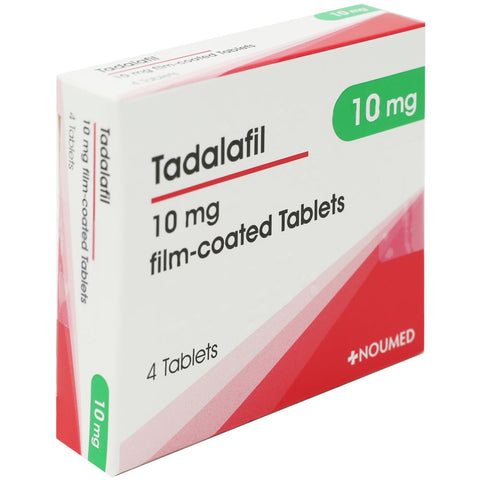
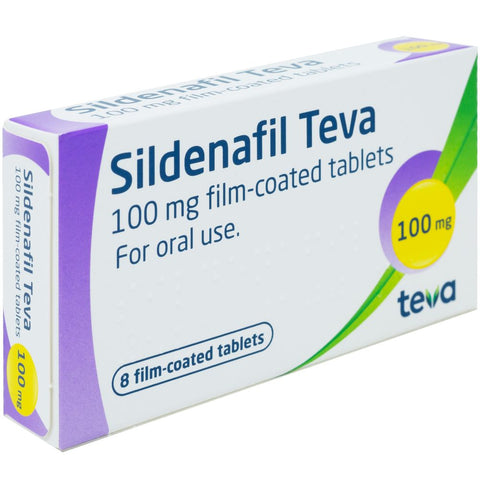
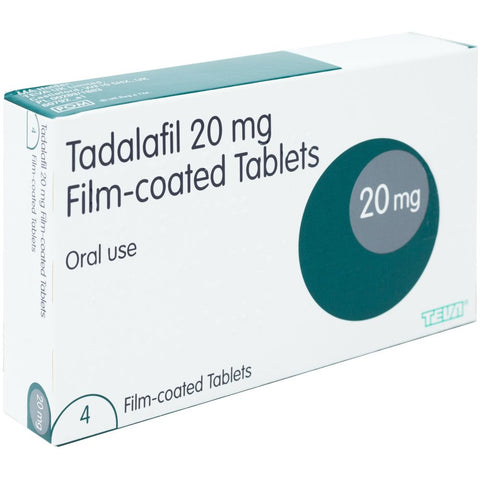
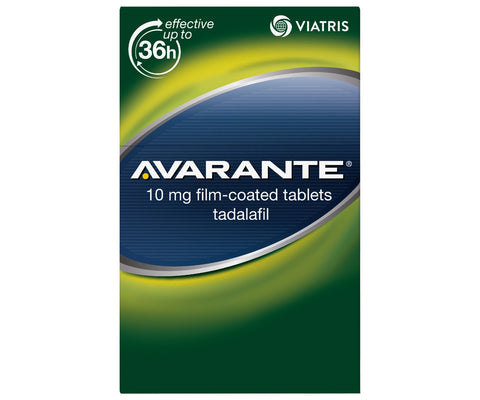
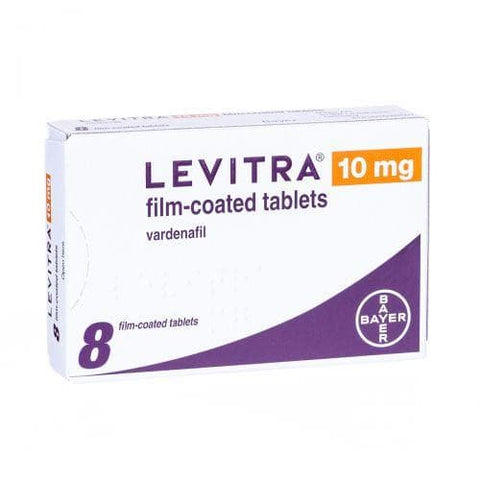
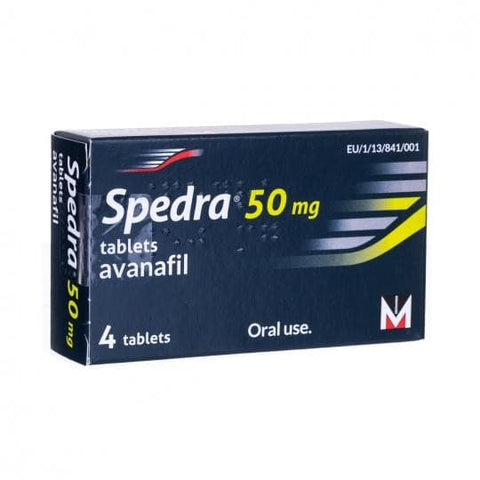
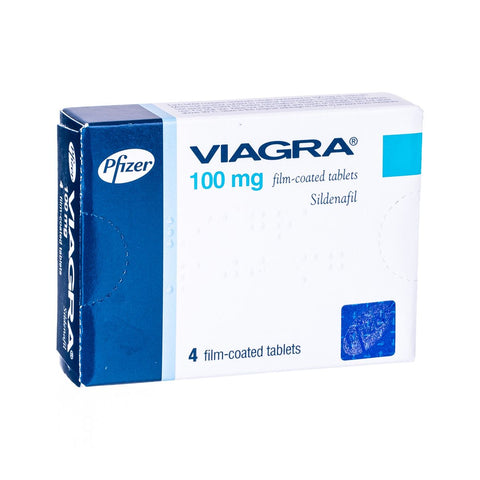
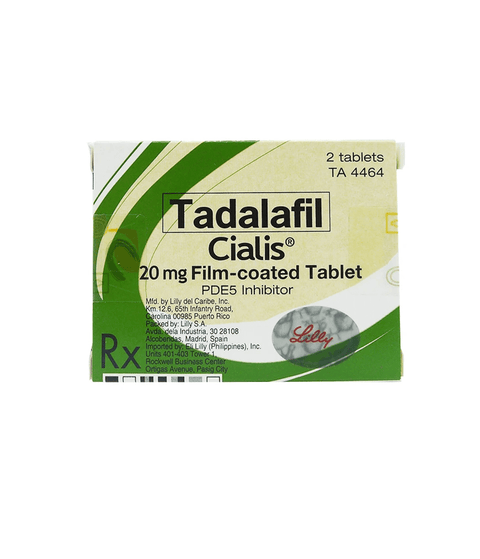
Once any underlying health issues have been identified and managed, oral medications called PDE5 inhibitors are usually the first-line treatment for erectile dysfunction [2]. These medicines—sildenafil (Viagra), tadalafil (Cialis), vardenafil (Levitra) and avanafil (Spedra)—work by increasing blood flow to the penis when you are sexually aroused. They do not cause an automatic erection; sexual stimulation is still needed [3][4][5][6].
Sildenafil is taken about one hour before sex and works for around four to six hours. Tadalafil can be taken on-demand (at least 30 minutes before sex, with effects lasting up to 36 hours) or as a lower daily dose for spontaneity. Vardenafil works within 25 to 60 minutes, and avanafil is the fastest-acting option, working in as little as 15 to 30 minutes [3][4][5][6]. Your prescriber will help you choose the most suitable option based on your lifestyle, other medications and any other health conditions.
At Cured Pharmacy, all ED treatments require an online consultation reviewed by a UK-registered prescriber. This ensures that the medicine is safe and appropriate for you, particularly if you have a history of cocaine use or cardiovascular risk factors. If oral tablets are not suitable or effective, your GP may discuss other options such as vacuum devices, alprostadil injections or creams, or referral to a specialist urology or sexual health service [2][7].
Important safety considerations
PDE5 inhibitors must never be taken with nitrates (such as GTN spray or isosorbide mononitrate), nicorandil, riociguat or recreational drugs known as 'poppers', as this combination can cause a dangerous drop in blood pressure [3][4][5][6]. If you are taking alpha-blockers for prostate problems or high blood pressure, you will need to start on a lower dose of a PDE5 inhibitor and be monitored carefully. Some medicines, including certain HIV treatments and antifungal drugs, can interact with PDE5 inhibitors, so it is essential to declare all current medications during your consultation [3][4][5][6]. Grapefruit juice and heavy alcohol can also affect how these medicines work and should be avoided.
Supporting long-term sexual health after cocaine use
Recovery from cocaine use is a journey, and it is normal for sexual function to take time to return to normal. Many men find that their erections gradually improve over the first few months of abstinence, and using ED medication during this period can help restore confidence and reduce performance anxiety [2]. As your cardiovascular health improves and your brain chemistry rebalances, you may find that you need medication less often or at lower doses.
Maintaining a healthy lifestyle is key to long-term sexual health. Regular exercise, a balanced diet, not smoking, limiting alcohol and managing stress all support good erectile function and reduce the risk of cardiovascular disease [1][2]. If you have been diagnosed with high blood pressure, diabetes or high cholesterol, keeping these conditions well controlled will also help protect your sexual health.
Open communication with a partner can make a significant difference. Erectile dysfunction can be stressful and may affect intimacy, but talking openly about what you are experiencing and working together to find solutions can strengthen your relationship. If you find that anxiety or relationship issues are contributing to your erectile difficulties, consider speaking to a counsellor or psychosexual therapist. Remember that seeking help is a sign of strength, and effective treatments are available to support you at every stage of your recovery.
When to seek further help
If your erectile dysfunction does not improve after several months of abstinence and lifestyle changes, or if you develop new symptoms such as chest pain, dizziness or difficulty breathing, see your GP promptly [1]. Persistent ED may indicate ongoing cardiovascular problems or other health issues that need investigation. Your GP can arrange further tests, adjust your treatment plan or refer you to a specialist if needed. If you experience an erection lasting more than four hours, sudden loss of vision or hearing, or chest pain during sex, seek urgent medical help immediately [3][4][5][6].
When to get urgent help
- Erection lasting more than 4 hours (priapism) – go to A&E immediately
- Sudden loss of vision or hearing – seek urgent medical help
- Chest pain, severe dizziness or difficulty breathing during or after sex – call 999
- Signs of heart attack (chest pain, arm pain, sweating, nausea) – call 999
- Thoughts of self-harm or suicide – call 999, go to A&E or contact Samaritans on 116 123
Call 999 or go to A&E in an emergency, or contact NHS 111 for urgent advice.
Scientific References
- NHS. (n.d.). Erectile dysfunction (impotence). NHS website. https://www.nhs.uk/conditions/erection-problems-erectile-dysfunction/ [accessed 11 November 2026]
- National Institute for Health and Care Excellence. (n.d.). Erectile dysfunction. Clinical Knowledge Summaries. https://cks.nice.org.uk/topics/erectile-dysfunction/ [accessed 11 November 2026]
- Joint Formulary Committee. (n.d.). Sildenafil. British National Formulary. NICE. https://bnf.nice.org.uk/drugs/sildenafil/ [accessed 11 November 2026]
- Joint Formulary Committee. (n.d.). Tadalafil. British National Formulary. NICE. https://bnf.nice.org.uk/drugs/tadalafil/ [accessed 11 November 2026]
- Joint Formulary Committee. (n.d.). Vardenafil. British National Formulary. NICE. https://bnf.nice.org.uk/drugs/vardenafil/ [accessed 11 November 2026]
- Joint Formulary Committee. (n.d.). Avanafil. British National Formulary. NICE. https://bnf.nice.org.uk/drugs/avanafil/ [accessed 11 November 2026]
- Joint Formulary Committee. (n.d.). Alprostadil. British National Formulary. NICE. https://bnf.nice.org.uk/drugs/alprostadil/ [accessed 11 November 2026]
Information on this page is for educational purposes only and is not medical advice. Prescription treatments require clinical assessment by a UK-registered prescriber. Always consult a qualified healthcare professional before starting or changing any medication.
Available Treatments
Pricing Disclaimer: Prices on some pages may not be up to date — the live pricing table below and pricing shown during consultation are official current prices and take precedence over any other figures on the site.
Not sure which one? Start a free consultation →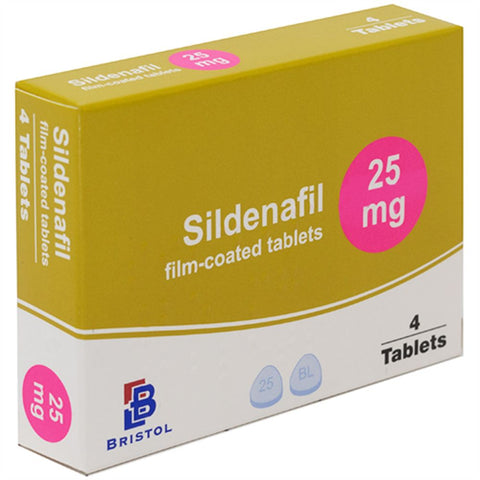
Common Questions
Can't find your answer? Our UK pharmacists review every consultation and can help.
Can erectile dysfunction after quitting cocaine be permanent?
For most men, erectile function improves within weeks to months after stopping cocaine as blood vessels heal and brain chemistry rebalances. However, if cocaine use has caused lasting cardiovascular damage, some degree of ED may persist and require ongoing treatment.
Is it safe to use ED medication if I have recently quit cocaine?
Yes, PDE5 inhibitors such as sildenafil and tadalafil can be prescribed after a clinical assessment to ensure they are safe for you, particularly if you have cardiovascular risk factors. It is essential to be honest about your cocaine use and any other substances during your consultation.
Will my erections return to normal after quitting cocaine?
Many men experience significant improvement in erectile function after quitting cocaine, especially with lifestyle changes and, if needed, medication. The timeline varies, but staying abstinent and addressing any underlying health issues will support recovery.
Can I take ED medication if I occasionally use cocaine?
No, you should not take PDE5 inhibitors if you are still using cocaine, as the combination can cause dangerous cardiovascular effects including heart attack or stroke. Speak to your GP or an addiction service for support to stop using cocaine safely.
How long after quitting cocaine can I start ED treatment?
You can discuss ED treatment with a prescriber as soon as you have stopped using cocaine, provided you are committed to staying abstinent and any cardiovascular risks have been assessed. Your prescriber will review your individual situation during the consultation.
Does cocaine cause permanent damage to blood vessels?
Chronic cocaine use can cause lasting damage to blood vessels and increase the risk of cardiovascular disease, which may contribute to ongoing erectile dysfunction. However, stopping cocaine, adopting a healthy lifestyle and managing any cardiovascular risk factors can help protect your long-term health.
Can psychological factors cause erectile dysfunction after quitting cocaine?
Yes, anxiety, low mood, stress and performance anxiety are common during recovery and can all contribute to erectile difficulties. Talking therapies, counselling and open communication with a partner can help address these issues alongside any physical treatment.
Should I see my GP about erectile dysfunction after quitting cocaine?
Yes, it is important to see your GP for a full assessment, as erectile dysfunction can be an early sign of cardiovascular disease or other health problems. Your GP can arrange tests, discuss treatment options and refer you to specialist services if needed.
Trusted by thousands
Real people, real results
“Fabulous service and quick delivery”
“Felt the effects of these after about 5 days. Erections are better and can get aroused and ready easier”
“Excellent value and brilliant customer service”
“I received excellent service and everything went well. The order arrived quickly and in perfect condition. It's working very well! Thank you to the whole team for the great work!”
“Delivery was good, the product lived up to expectations.”
Get Treatment in 3 Steps
Choose your treatment
Select from our recommended UK-licensed medications.
Answer quick questions
Select safe UK treatments. Quick answers.
Get it delivered fast
We will deliver direct to you as quickly as tomorrow.
Take the First Step Today
- Reviewed by UK-based prescribers
- Takes under 3 minutes
- Discreet Packaging

Medically reviewed by
Tarun Kumar, Superintendent Pharmacist (GPhC 2233073)