


Erectile Dysfunction After Quitting Alcohol
Understand how stopping drinking affects erections and explore treatment options with a UK pharmacist-led consultation.
Takes less than 2 minutes to complete 100% online
Erectile Dysfunction After Quitting Alcohol: What to Expect and How to Get Help
Published: 11 November 2026
Erectile dysfunction after quitting alcohol is a concern many men face during their recovery journey. The good news is that stopping drinking often leads to significant improvements in erectile function over time, as your body heals from alcohol's effects on blood vessels, hormones, and nerve function. Understanding the recovery process and knowing when treatment can help will support both your sexual health and your commitment to staying alcohol-free.
Key takeaways
- Erectile function often improves within three to twelve months after quitting alcohol as your body heals
- Lifestyle changes like exercise, healthy diet, and stress management support recovery of erectile function
- PDE5 inhibitors are safe and effective for men in recovery from alcohol dependence
- Persistent ED after six months of sobriety warrants medical assessment to check for underlying conditions
- Maintaining sobriety and avoiding heavy alcohol supports both natural recovery and treatment effectiveness
How Alcohol Causes Erectile Dysfunction
Alcohol affects erectile function through several mechanisms. In the short term, even moderate drinking acts as a central nervous system depressant, interfering with the brain signals needed to trigger an erection. It also causes temporary blood vessel dilation followed by constriction, reducing blood flow to the penis [1].
Long-term heavy drinking causes more lasting damage. Chronic alcohol use can lead to peripheral neuropathy (nerve damage), reduced testosterone production, liver damage that disrupts hormone balance, and cardiovascular disease that impairs the blood vessels essential for erections [10]. Alcohol also contributes to obesity, diabetes, and high blood pressure—all independent risk factors for erectile dysfunction.
The severity of ED often correlates with the amount and duration of alcohol consumption. Men who drink heavily over many years are significantly more likely to experience persistent erectile problems than moderate drinkers or those who abstain [10].
What Happens to Erectile Function After Quitting Alcohol
When you stop drinking, your body begins to repair itself, and erectile function often improves gradually. The timeline varies depending on how long and how heavily you drank, your overall health, and whether alcohol caused permanent damage to nerves or blood vessels.
In the first few weeks after quitting, some men notice immediate improvements as alcohol's depressant effects wear off and sleep quality improves. However, others may experience temporary worsening of ED during the acute withdrawal phase, as the body adjusts to functioning without alcohol. Anxiety, depression, and sleep disturbances during early recovery can all affect sexual function.
Over the following months, many men see progressive improvement. Testosterone levels often normalise within weeks to months, liver function recovers (if damage wasn't severe), blood pressure may improve, and cardiovascular health gradually strengthens. Studies suggest that men who maintain abstinence typically experience better erectile function than when they were drinking, though complete recovery isn't guaranteed if significant vascular or nerve damage occurred [1][10].
Recovery Timeline: What to Expect
Most men notice some improvement within the first three to six months of sobriety, with continued gains over the first year. Younger men and those who drank heavily for shorter periods generally recover faster. If you had other health conditions caused or worsened by alcohol—such as diabetes, high blood pressure, or obesity—addressing these through lifestyle changes will further support erectile function recovery. Patience is important; the body needs time to heal, and stress about sexual performance can itself worsen ED.
At a glance
When Erectile Dysfunction After Quitting Alcohol Needs Assessment
If erectile difficulties persist beyond six months of sobriety, or if they're causing significant distress, it's worth seeking medical assessment. ED can be an early warning sign of cardiovascular disease or diabetes, conditions that may have developed during years of heavy drinking [1][2].
Your GP or an online prescriber will ask about your drinking history, how long you've been sober, other health conditions, current medications, and lifestyle factors. They may recommend blood tests to check testosterone, blood sugar, cholesterol, and liver and kidney function. These tests help identify any underlying issues that need treatment alongside ED.
It's important to be honest about your alcohol history and current status. If you're still in early recovery or experiencing cravings, mention this—some men find that focusing on maintaining sobriety first, before addressing ED treatment, helps reduce pressure and anxiety. However, effective ED treatment is available and safe for men in recovery, and restoring sexual function can be an important part of rebuilding quality of life.
Lifestyle Measures to Support Recovery of Erectile Function
Maintaining sobriety is the foundation for recovery, but other lifestyle changes can accelerate improvements in erectile function. Regular physical activity improves cardiovascular health, boosts testosterone, reduces stress, and enhances blood flow—all beneficial for erections. Aim for at least 150 minutes of moderate exercise weekly, including both aerobic activity and strength training [2].
A balanced diet supports vascular health and weight management. Focus on whole grains, fruits, vegetables, lean proteins, and healthy fats, while limiting processed foods, sugar, and saturated fats. If you're overweight, even modest weight loss can significantly improve erectile function. Stopping smoking is equally important, as tobacco damages blood vessels and worsens ED [1][2].
Managing stress and mental health is crucial. Many men in recovery experience anxiety or depression, which directly affect sexual function. Talking therapies, peer support groups, mindfulness, and adequate sleep all support both mental wellbeing and erectile health. If performance anxiety develops, discussing this with a partner or counsellor can reduce pressure and improve intimacy.
The Role of Sleep and Stress Management
Quality sleep is essential for testosterone production and overall sexual health. Alcohol disrupts sleep architecture, so many men find their sleep improves significantly after quitting, which in turn supports erectile function. Stress management techniques such as deep breathing, exercise, or structured relaxation can reduce cortisol levels and improve sexual confidence. Addressing these factors creates the best environment for natural recovery of erectile function.
Focus on Sobriety First
Maintaining your commitment to sobriety is the most important step for long-term erectile function recovery. If ED is causing stress, effective treatment is available to support you during your recovery journey, but patience and lifestyle changes will bring the greatest lasting benefits.
Treatment Options for Erectile Dysfunction After Quitting Alcohol
If lifestyle measures alone aren't sufficient, or if you want support while your body continues to heal, prescription treatments are available and effective. The first-line treatments for ED are oral medicines called PDE5 inhibitors, which work by increasing blood flow to the penis when you're sexually aroused [2][3].
These medicines don't cure ED or address the underlying cause, but they can help you achieve and maintain erections sufficient for sex. They require sexual stimulation to work and are taken shortly before sexual activity (or daily, in the case of low-dose tadalafil). PDE5 inhibitors are safe for most men in recovery from alcohol dependence, provided there are no other contraindications [3][4][5][6].
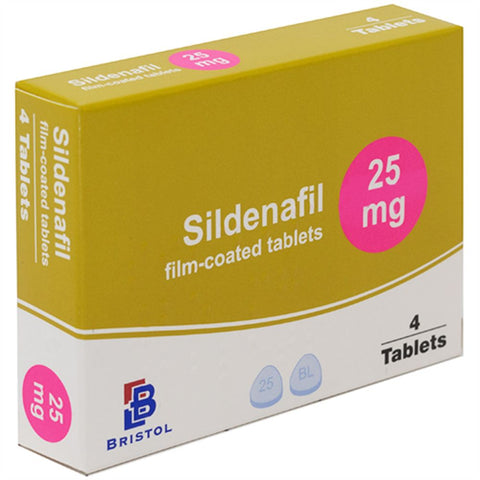
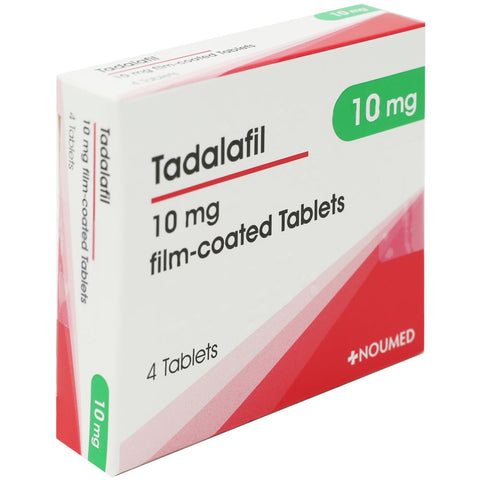
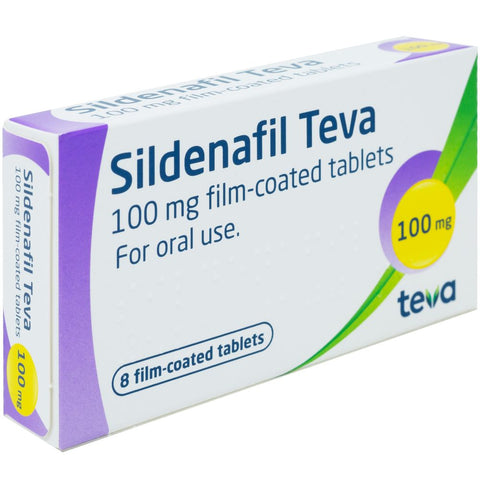
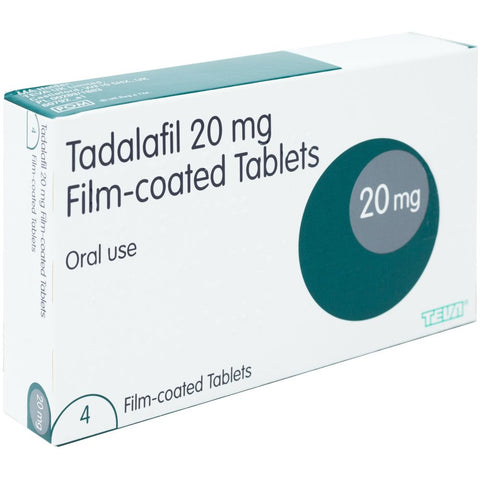
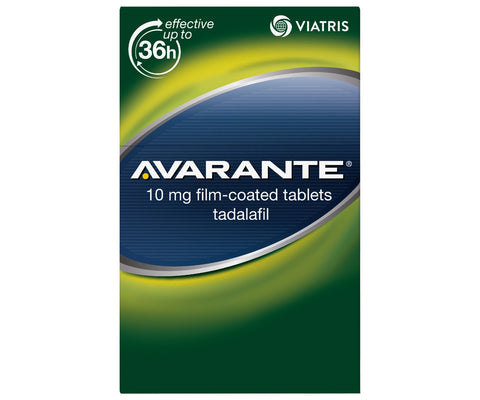
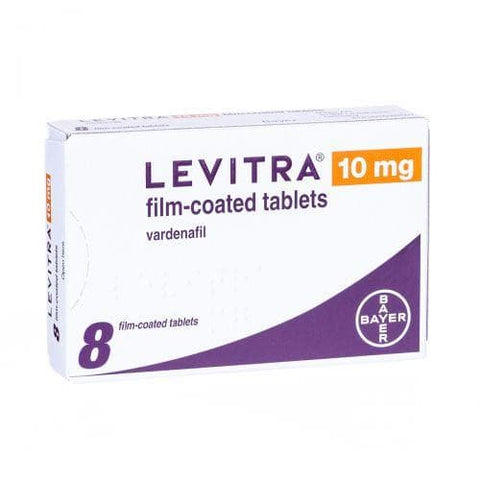
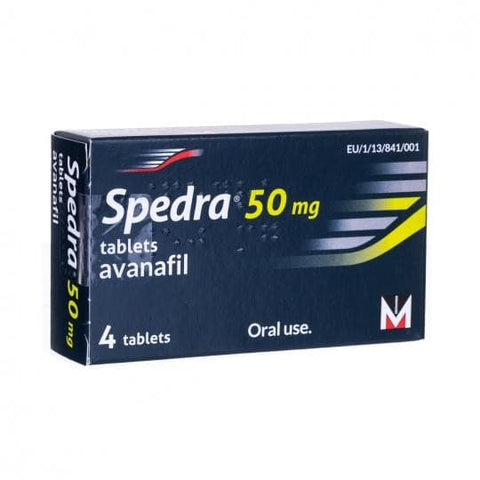
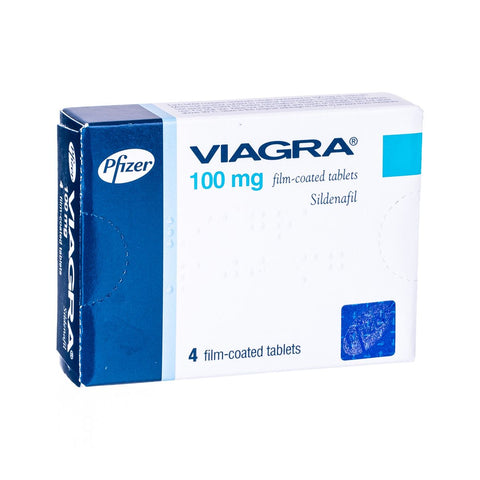
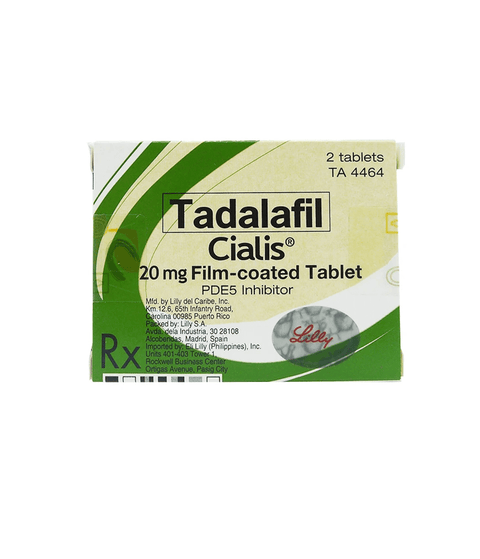
The main options available in the UK include sildenafil (generic Viagra), tadalafil (generic Cialis), vardenafil (generic Levitra), and avanafil (Spedra). Each has a slightly different onset time and duration of action, so choice depends on your preferences and lifestyle. All require a prescription following a clinical assessment by a UK-registered prescriber, who will check your medical history, current medications, and suitability [2].
How PDE5 Inhibitors Work
PDE5 inhibitors relax the smooth muscle in the blood vessels of the penis, allowing increased blood flow during sexual arousal. Sildenafil typically works within about an hour and lasts around four to six hours. Tadalafil can be taken on-demand (working within 30 minutes and lasting up to 36 hours) or as a low daily dose for spontaneity. Vardenafil and avanafil have similar profiles to sildenafil but may work slightly faster [3][4][5][6]. Your prescriber will help you choose the most suitable option based on your needs and any other health conditions.
Important Safety Considerations and Contraindications
PDE5 inhibitors are safe for most men, but there are important contraindications and interactions to be aware of. You must never take these medicines if you use nitrates (such as GTN spray or isosorbide mononitrate for angina), nicorandil, riociguat, or recreational drugs called 'poppers' (alkyl nitrites). The combination can cause a dangerous drop in blood pressure [3][4][5][6].
If you take alpha-blockers for prostate symptoms or high blood pressure (such as tamsulosin or doxazosin), you'll need to start on the lowest dose of a PDE5 inhibitor, as the combination can cause dizziness or low blood pressure. Men taking certain other medications—including some HIV treatments, antifungals, or antibiotics—may need dose adjustments. Your prescriber will check all your current medicines during the consultation [3][4][5][6].
PDE5 inhibitors are not suitable if you've had a recent heart attack or stroke, have unstable angina, severe heart failure, very low blood pressure, or a history of sudden vision loss (NAION). It's also important to avoid heavy alcohol while using these medicines, as alcohol worsens ED and adds to the blood-pressure-lowering effect. Maintaining your sobriety supports both your overall health and the effectiveness of ED treatment [1][2].
When to get urgent help
- Erection lasting more than 4 hours (priapism) — go to A&E immediately
- Sudden loss of vision or hearing after taking ED medication — seek urgent medical help
- Chest pain during sexual activity — stop and call 999 if pain doesn't resolve quickly
- Severe dizziness, fainting, or very low blood pressure after taking ED treatment — seek same-day medical advice
- Signs of alcohol withdrawal (tremors, confusion, seizures) — contact your GP urgently or call 999
Call 999 or go to A&E in an emergency, or contact NHS 111 for urgent advice.
Scientific References
- NHS. (n.d.). Erectile dysfunction (impotence). NHS website. https://www.nhs.uk/conditions/erection-problems-erectile-dysfunction/ [accessed 11 November 2026]
- National Institute for Health and Care Excellence. (n.d.). Erectile dysfunction. Clinical Knowledge Summaries. https://cks.nice.org.uk/topics/erectile-dysfunction/ [accessed 11 November 2026]
- Joint Formulary Committee. (n.d.). Sildenafil. British National Formulary. NICE. https://bnf.nice.org.uk/drugs/sildenafil/ [accessed 11 November 2026]
- Joint Formulary Committee. (n.d.). Tadalafil. British National Formulary. NICE. https://bnf.nice.org.uk/drugs/tadalafil/ [accessed 11 November 2026]
- Joint Formulary Committee. (n.d.). Vardenafil. British National Formulary. NICE. https://bnf.nice.org.uk/drugs/vardenafil/ [accessed 11 November 2026]
- Joint Formulary Committee. (n.d.). Avanafil. British National Formulary. NICE. https://bnf.nice.org.uk/drugs/avanafil/ [accessed 11 November 2026]
- Feldman, H. A., Goldstein, I., Hatzichristou, D. G., Krane, R. J., & McKinlay, J. B. (1994). Impotence and its medical and psychosocial correlates: Results of the Massachusetts Male Aging Study. Journal of Urology, 151(1), 54–61. https://pubmed.ncbi.nlm.nih.gov/8254833/ [accessed 11 November 2026]
Information on this page is for educational purposes only and is not medical advice. Prescription treatments require clinical assessment by a UK-registered prescriber. Always consult a qualified healthcare professional before starting or changing any medication.
Get Discreet ED Treatment Online
Start your journey to better health today.
- Reviewed by UK-based prescribers
- Takes under 3 minutes
- Discreet Packaging
Start Your Journey To Better Health Today
Once you complete a short online assessment you will be able to choose your preferred treatment from safe medically approved options tailored to you.
Start My Assessment Log in to Your AccountED Treatments We Offer
Pricing Disclaimer: Prices on some pages may not be up to date — the live pricing table below and pricing shown during consultation are official current prices and take precedence over any other figures on the site.
Trusted by thousands
Real people, real results
“Fabulous service and quick delivery”
“Felt the effects of these after about 5 days. Erections are better and can get aroused and ready easier”
“Excellent value and brilliant customer service”
“I received excellent service and everything went well. The order arrived quickly and in perfect condition. It's working very well! Thank you to the whole team for the great work!”
“Delivery was good, the product lived up to expectations.”
How Our Online Service Works
Choose your treatment
Select from our recommended UK-licensed medications.
Answer quick questions
Select safe UK treatments. Quick answers.
Get it delivered fast
We will deliver direct to you as quickly as tomorrow.
Your Questions Answered
Can't find your answer? Our UK pharmacists review every consultation and can help.
Will my erectile dysfunction improve after I stop drinking alcohol?
Many men experience significant improvement in erectile function after quitting alcohol, especially within the first six to twelve months of sobriety. The extent of recovery depends on how long and heavily you drank and whether permanent damage occurred to nerves or blood vessels.
How long does it take for erectile function to recover after quitting alcohol?
Most men notice some improvement within three to six months, with continued gains over the first year. Younger men and those who drank heavily for shorter periods typically recover faster, while those with other health conditions may take longer.
Can I use erectile dysfunction treatment while in recovery from alcohol dependence?
Yes, PDE5 inhibitors such as sildenafil and tadalafil are safe for men in recovery from alcohol dependence, provided you avoid heavy drinking and have no other contraindications. Your prescriber will assess your suitability during the online consultation.
Why might erectile dysfunction get worse in the first few weeks after quitting alcohol?
During acute alcohol withdrawal, anxiety, depression, sleep disturbances, and the body's adjustment to functioning without alcohol can temporarily worsen ED. This usually improves as your body stabilises and recovery progresses.
Should I see a doctor about erectile dysfunction after quitting alcohol?
Yes, especially if ED persists beyond six months of sobriety or causes significant distress. ED can be an early sign of cardiovascular disease or diabetes, so assessment helps identify and treat any underlying conditions.
Can I drink alcohol while taking sildenafil or tadalafil?
You should avoid heavy alcohol while using PDE5 inhibitors, as alcohol worsens erectile dysfunction and adds to the blood-pressure-lowering effect of these medicines, increasing the risk of dizziness. Maintaining sobriety supports both your recovery and treatment effectiveness.
What lifestyle changes help erectile function recover after quitting alcohol?
Regular exercise, a balanced diet, weight loss if needed, stopping smoking, managing stress, and improving sleep all support erectile function recovery. These measures improve cardiovascular health, hormone balance, and overall wellbeing.
Will erectile dysfunction treatment work if I've only recently stopped drinking?
Yes, PDE5 inhibitors can be effective even in early recovery, helping you achieve erections while your body continues to heal. However, maintaining sobriety and addressing lifestyle factors will support long-term improvement in natural erectile function.

Medically reviewed by
Tarun Kumar, Superintendent Pharmacist (GPhC 2233073)