

Erectile Dysfunction After Penile Fracture
Understand recovery timelines, rehabilitation strategies, and treatment options with support from UK pharmacists.
Takes less than 2 minutes to complete 100% online

Erectile Dysfunction After Penile Fracture: Recovery and Treatment
Published: 15 October 2026
Erectile dysfunction after penile fracture is a common concern that affects a significant proportion of men following this traumatic injury. A penile fracture occurs when the tunica albuginea—the fibrous tissue surrounding the erectile chambers—tears during vigorous sexual activity or trauma, often requiring urgent surgical repair. While prompt surgical intervention offers the best outcomes, some men experience difficulties with erections during recovery or in the longer term, and understanding the causes, timeline, and treatment options can help restore sexual function and confidence.
Key takeaways
- Erectile dysfunction after penile fracture is common but often improves within six months with appropriate treatment.
- Early surgical repair and penile rehabilitation strategies support recovery and preserve erectile tissue health.
- Oral PDE5 inhibitors are first-line treatments and require a prescriber consultation to ensure safety.
- Alternative options include alprostadil, vacuum devices, and specialist urology referral if needed.
- Seek medical advice if erectile problems persist beyond six months or cause significant distress.
Why Erectile Dysfunction After Penile Fracture Occurs
The mechanism behind erectile dysfunction after penile fracture is multifaceted. During the injury, the tunica albuginea tears, often accompanied by damage to the underlying corpus cavernosum—the spongy erectile tissue that fills with blood during an erection. Even with successful surgical repair, scar tissue (fibrosis) can form at the injury site, which may reduce the elasticity and blood flow capacity of the erectile tissue [1].
Nerve damage is another contributing factor. The delicate nerves responsible for triggering and maintaining erections can be stretched, bruised, or severed during the fracture or the subsequent surgical repair. Psychological factors also play a significant role: the trauma of the injury, fear of recurrence, performance anxiety, and distress about sexual function can all contribute to difficulties achieving or maintaining an erection [2].
Vascular compromise may occur if blood vessels supplying the penis are damaged. Reduced arterial inflow or increased venous leakage (where blood drains too quickly from the erectile tissue) can both impair erectile rigidity. The combination of physical and psychological factors means that erectile dysfunction after penile fracture often requires a comprehensive, patient-centred approach to treatment.
Typical Recovery Timeline and What to Expect
Recovery from penile fracture varies considerably between individuals, depending on the severity of the injury, the timing of surgical repair, and the presence of complications. Most urologists recommend a period of sexual rest—typically four to six weeks—to allow the surgical site to heal and reduce the risk of re-injury. During this time, spontaneous nocturnal erections may occur, which are a normal part of penile physiology and can aid tissue oxygenation [1].
In the first three months after surgery, many men notice gradual improvements in erectile function as inflammation subsides and healing progresses. However, some degree of erectile difficulty is common during this period, and it is important not to become discouraged. By six months post-injury, the majority of men who undergo timely surgical repair will have regained satisfactory erectile function, though a minority may experience persistent problems [2].
Long-term outcomes are generally favourable when penile fracture is treated promptly. Studies suggest that early surgical repair (within 24–48 hours) is associated with better erectile outcomes and lower rates of complications such as penile curvature or plaque formation. Regular follow-up with a urologist is essential to monitor healing, address any concerns, and initiate rehabilitation or treatment if erectile dysfunction persists beyond the expected recovery window.
Factors That Influence Recovery
Several factors can influence the speed and completeness of erectile recovery. The extent of the initial injury—including whether one or both corpora cavernosa were damaged, and whether the urethra was also injured—plays a significant role. Men with more extensive trauma or delayed surgical intervention may face a longer recovery period and a higher risk of persistent erectile dysfunction [1]. Pre-existing health conditions such as diabetes, cardiovascular disease, or obesity can also impair healing and blood flow, making rehabilitation more challenging. Smoking and excessive alcohol consumption are known to worsen erectile function and should be minimised during recovery. Finally, psychological well-being and the quality of communication with a partner can significantly affect sexual confidence and the willingness to engage in rehabilitation strategies.
At a glance
Penile Rehabilitation Strategies After Penile Fracture
Penile rehabilitation aims to preserve erectile tissue health, prevent fibrosis, and promote the return of natural erections. The concept is based on the principle that regular oxygenation of the erectile tissue—achieved through erections—helps maintain the structural integrity of the corpora cavernosa. Without regular erections, the smooth muscle cells within the erectile tissue can undergo fibrotic changes, leading to long-term erectile dysfunction [8].
One common rehabilitation approach involves the early use of oral PDE5 inhibitors (such as sildenafil or tadalafil) at low doses, sometimes taken daily or on alternate days, even before attempting sexual activity. This strategy encourages spontaneous erections and nocturnal tumescence, which may support tissue recovery. Some urologists also recommend vacuum erection devices, which draw blood into the penis using gentle suction, promoting blood flow and stretching the tissue without the need for sexual stimulation [2].
Pelvic floor exercises (often called Kegel exercises) can strengthen the muscles that support erectile function and may improve rigidity and control. Psychological support, including counselling or sex therapy, is valuable for addressing performance anxiety, fear of re-injury, and relationship concerns. A holistic rehabilitation plan, tailored to the individual and supervised by a healthcare professional, offers the best chance of restoring erectile function and sexual satisfaction.
Oral Medication Options for Erectile Dysfunction After Penile Fracture
Oral PDE5 inhibitors are the first-line treatment for erectile dysfunction after penile fracture, provided there are no contraindications. These medicines work by enhancing the natural erectile response: they relax the smooth muscle in the blood vessels of the penis, allowing increased blood flow when sexually stimulated. They do not cause an erection on their own and require sexual arousal to be effective [3][4][5][6].
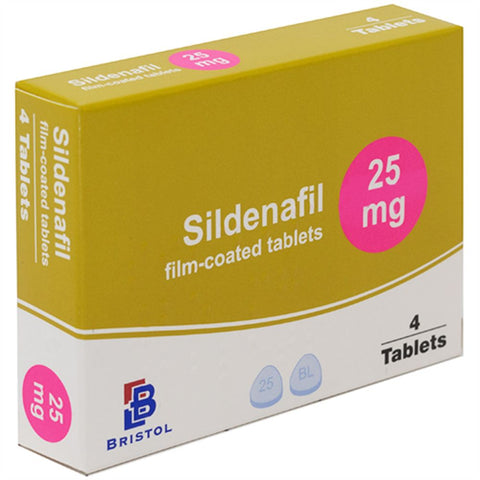
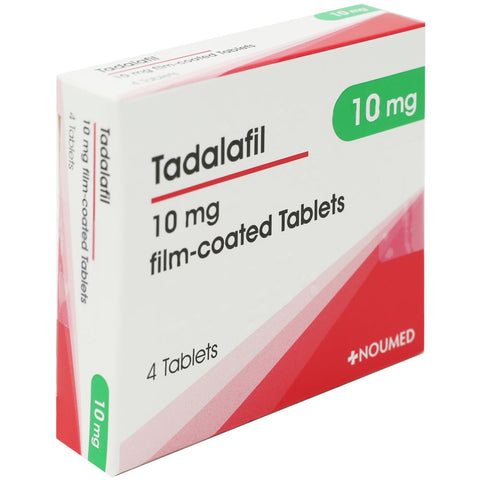
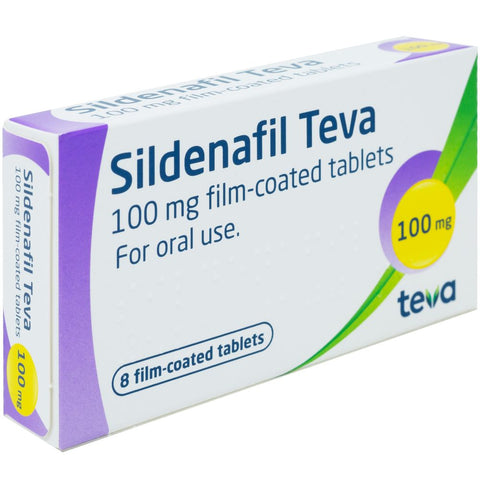
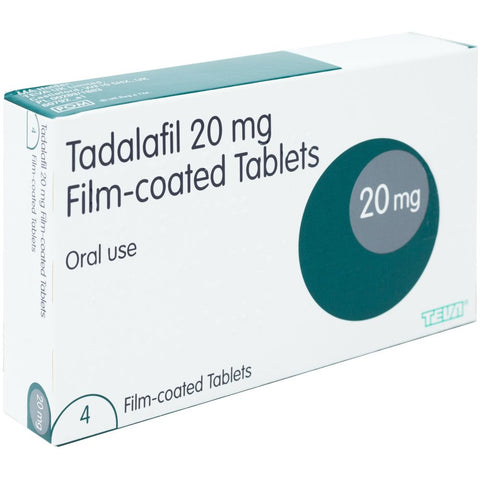
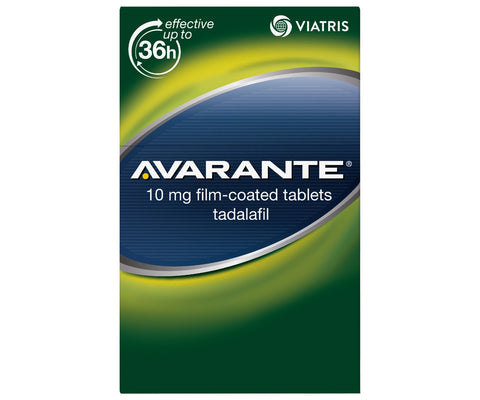
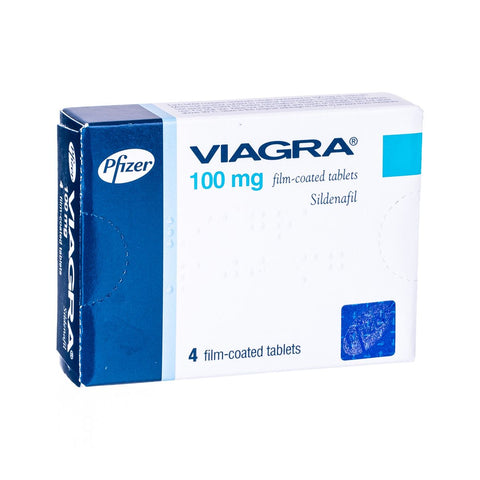
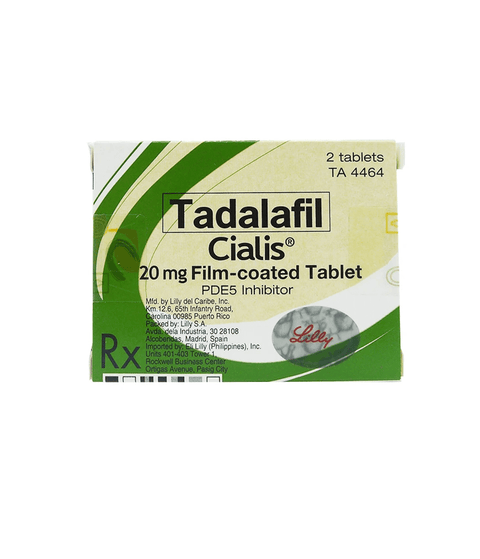
Sildenafil (the active ingredient in Viagra) is typically taken about one hour before sexual activity, with effects lasting around four to six hours. It is available in 25mg, 50mg, and 100mg doses, and the starting dose is usually 50mg, adjusted according to response and tolerability. Tadalafil (the active ingredient in Cialis) offers more flexibility: the on-demand formulation (10mg or 20mg) can be taken at least 30 minutes before sex and may remain effective for up to 36 hours, while the daily low-dose option (2.5mg or 5mg) allows for spontaneous sexual activity without timing [4].
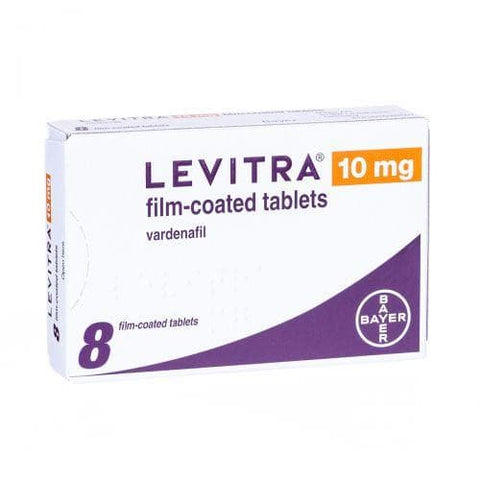
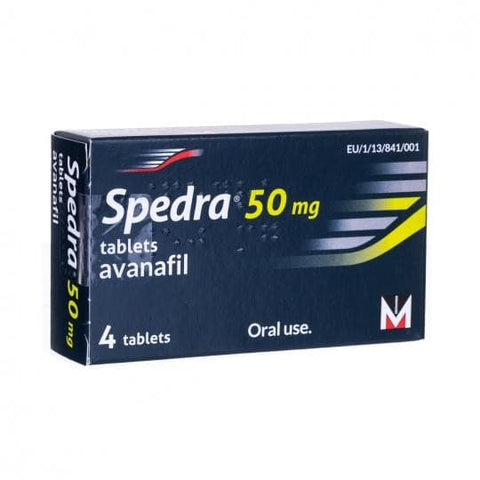
Vardenafil (generic Levitra) and avanafil (Spedra) are alternative PDE5 inhibitors that may suit men who do not respond well to sildenafil or tadalafil, or who prefer a faster onset of action. Avanafil can work in as little as 15–30 minutes, making it a convenient option for some men [6][11]. All PDE5 inhibitors are prescription-only medicines in the UK and require an online or face-to-face consultation with a prescriber, who will assess suitability, review current medications, and discuss potential side effects.
Important Safety Considerations
PDE5 inhibitors must never be taken with nitrates (such as GTN spray, isosorbide mononitrate, or isosorbide dinitrate), nicorandil, riociguat, or recreational drugs known as 'poppers' (amyl or alkyl nitrites), as the combination can cause a dangerous drop in blood pressure [3][4]. Men taking alpha-blockers for prostate symptoms or high blood pressure should inform their prescriber, as dose adjustments may be needed to minimise the risk of dizziness or fainting. Certain medicines that affect liver enzymes—such as ritonavir, cobicistat, ketoconazole, itraconazole, and clarithromycin—can increase PDE5 inhibitor levels in the blood, requiring dose reductions or avoidance depending on the specific drug [12]. The prescriber will review all current medicines during the consultation to ensure safe and effective treatment.
Start Rehabilitation Early
Discuss penile rehabilitation with your urologist as soon as healing allows. Early use of low-dose PDE5 inhibitors or vacuum devices may help preserve erectile tissue and support long-term recovery.
Other Treatment Options and When to Consider Them
If oral PDE5 inhibitors are ineffective, contraindicated, or not tolerated, several alternative treatments are available. Alprostadil is a prostaglandin that directly relaxes the smooth muscle in the penis, causing an erection without the need for sexual stimulation. It is available as a urethral cream (Vitaros) or as an injection into the side of the penis (Caverject). Both are prescription-only and require training from a healthcare professional [7].
Vacuum erection devices (VEDs) are non-invasive mechanical aids that create a vacuum around the penis, drawing blood into the erectile tissue. A constriction ring is then placed at the base of the penis to maintain the erection. VEDs can be effective for men who cannot use medication or prefer a drug-free option, and they may also be used as part of a rehabilitation programme [2].
In cases where conservative treatments fail and significant structural damage or scarring is present, surgical options such as penile prosthesis implantation may be considered. This is typically reserved for men with severe, treatment-resistant erectile dysfunction and is discussed in detail with a specialist urologist. Psychological therapy, either alone or in combination with medical treatment, remains an important component of care, particularly when anxiety, depression, or relationship difficulties are contributing to erectile problems [1][2].
When to Seek Further Help and Support
It is important to seek medical advice if erectile dysfunction persists beyond six months after penile fracture, or if it is causing significant distress or affecting your quality of life. Your GP or urologist can reassess your recovery, investigate any underlying causes (such as hormonal imbalances, undiagnosed diabetes, or cardiovascular disease), and adjust your treatment plan accordingly [1][2].
Urgent medical attention is required if you experience an erection lasting more than four hours (priapism), as this can cause permanent damage to the erectile tissue if not treated promptly. Sudden loss of vision or hearing, severe chest pain during sexual activity, or signs of infection at the surgical site (such as increasing pain, redness, swelling, or discharge) also warrant immediate medical review [3][4].
Cured Pharmacy offers a confidential, UK-registered online consultation service for men experiencing erectile dysfunction after penile fracture. Our prescribers review your medical history, current medications, and individual circumstances to recommend safe and effective treatment options. All prescription medicines are dispensed by our GPhC-registered pharmacy and delivered discreetly to your door. If you have concerns about your recovery or would like to explore treatment options, our team is here to support you with professional, non-judgemental care.
The Importance of Follow-Up Care
Regular follow-up with a healthcare professional is essential after penile fracture, even if initial healing appears successful. Follow-up appointments allow your doctor to monitor for complications such as penile curvature (Peyronie's disease), plaque formation, or persistent erectile dysfunction, and to intervene early if problems arise [2]. Open communication with your partner and, where appropriate, involvement in joint counselling or therapy can also improve outcomes and restore intimacy. Remember that erectile dysfunction after penile fracture is common and treatable, and seeking help early maximises your chances of a full recovery.
When to get urgent help
- Erection lasting more than 4 hours (priapism) – go to A&E immediately to prevent permanent damage
- Sudden loss of vision or hearing after taking ED medication – stop the medicine and seek urgent medical advice
- Severe chest pain during or after sexual activity – call 999, as this may indicate a heart problem
- Signs of infection at the surgical site (increasing pain, redness, swelling, discharge, fever) – contact your GP or surgeon the same day
- Severe penile pain, deformity, or inability to urinate – seek urgent medical assessment
Call 999 or go to A&E in an emergency, or contact NHS 111 for urgent advice.
Scientific References
- NHS. (n.d.). Erectile dysfunction (impotence). NHS website. https://www.nhs.uk/conditions/erection-problems-erectile-dysfunction/ [accessed 15 October 2026]
- National Institute for Health and Care Excellence. (n.d.). Erectile dysfunction. Clinical Knowledge Summaries. https://cks.nice.org.uk/topics/erectile-dysfunction/ [accessed 15 October 2026]
- Joint Formulary Committee. (n.d.). Sildenafil. British National Formulary. NICE. https://bnf.nice.org.uk/drugs/sildenafil/ [accessed 15 October 2026]
- Joint Formulary Committee. (n.d.). Tadalafil. British National Formulary. NICE. https://bnf.nice.org.uk/drugs/tadalafil/ [accessed 15 October 2026]
- Joint Formulary Committee. (n.d.). Avanafil. British National Formulary. NICE. https://bnf.nice.org.uk/drugs/avanafil/ [accessed 15 October 2026]
- Joint Formulary Committee. (n.d.). Alprostadil. British National Formulary. NICE. https://bnf.nice.org.uk/drugs/alprostadil/ [accessed 15 October 2026]
- European Association of Urology. (n.d.). EAU Guidelines on Sexual and Reproductive Health. https://uroweb.org/guidelines/sexual-and-reproductive-health [accessed 15 October 2026]
- National Institute for Health and Care Excellence. (2014). Erectile dysfunction: avanafil (ESNM45). https://www.nice.org.uk/advice/esnm45 [accessed 15 October 2026]
- Electronic Medicines Compendium. (n.d.). Summaries of Product Characteristics and Patient Information Leaflets. https://www.medicines.org.uk/emc/ [accessed 15 October 2026]
Information on this page is for educational purposes only and is not medical advice. Prescription treatments require clinical assessment by a UK-registered prescriber. Always consult a qualified healthcare professional before starting or changing any medication.
Ready to Speak to a Pharmacist?
Start your journey to better health today.
- Reviewed by UK-based prescribers
- Takes under 3 minutes
- Discreet Packaging
Start Your Journey To Better Health Today
Once you complete a short online assessment you will be able to choose your preferred treatment from safe medically approved options tailored to you.
Start My Assessment Log in to Your AccountTreatment Options
Pricing Disclaimer: Prices on some pages may not be up to date — the live pricing table below and pricing shown during consultation are official current prices and take precedence over any other figures on the site.
Trusted by thousands
Real people, real results
“Fabulous service and quick delivery”
“Felt the effects of these after about 5 days. Erections are better and can get aroused and ready easier”
“Excellent value and brilliant customer service”
“I received excellent service and everything went well. The order arrived quickly and in perfect condition. It's working very well! Thank you to the whole team for the great work!”
“Delivery was good, the product lived up to expectations.”
Your Path to Treatment
Choose your treatment
Select from our recommended UK-licensed medications.
Answer quick questions
Select safe UK treatments. Quick answers.
Get it delivered fast
We will deliver direct to you as quickly as tomorrow.
Frequently Asked Questions
Can't find your answer? Our UK pharmacists review every consultation and can help.
How common is erectile dysfunction after penile fracture?
Erectile dysfunction after penile fracture varies depending on the severity of injury and timing of surgery, but studies suggest that with prompt surgical repair, the majority of men regain satisfactory erectile function within six months.
Can I take Viagra or Cialis after a penile fracture?
Yes, PDE5 inhibitors such as sildenafil (Viagra) and tadalafil (Cialis) are commonly used to treat erectile dysfunction after penile fracture, provided there are no contraindications. A prescriber will assess your suitability during an online or face-to-face consultation.
How long should I wait before having sex after penile fracture surgery?
Most urologists recommend waiting four to six weeks after surgery to allow the tissue to heal and reduce the risk of re-injury. Always follow your surgeon's specific advice, as individual circumstances vary.
Will my erections return to normal after penile fracture?
Many men experience a full or near-full recovery of erectile function, especially when the fracture is repaired promptly. However, some degree of erectile difficulty or curvature may persist, and treatment options are available to help.
What is penile rehabilitation and does it help?
Penile rehabilitation involves strategies such as early use of PDE5 inhibitors, vacuum devices, and pelvic floor exercises to promote blood flow and prevent scar tissue formation. Evidence suggests it may support recovery, though individual results vary.
Are there any side effects of ED medication after penile fracture?
Common side effects of PDE5 inhibitors include headache, flushing, indigestion, and nasal congestion. Serious side effects are rare but include prolonged erections (priapism) and sudden vision or hearing loss, which require urgent medical attention.
Can I use a vacuum pump after penile fracture?
Yes, vacuum erection devices can be used as part of rehabilitation or as a treatment for erectile dysfunction after penile fracture, once your surgeon confirms that healing is adequate. They are safe and non-invasive.
When should I see a doctor about erectile dysfunction after penile fracture?
Seek medical advice if erectile dysfunction persists beyond six months, is causing distress, or if you experience warning signs such as an erection lasting more than four hours, sudden vision or hearing loss, or chest pain during sex.

Medically reviewed by
Tarun Kumar, Superintendent Pharmacist (GPhC 2233073)