

ED and Relationships: How to Stay Close and Communicate
Learn how to talk about erectile dysfunction with your partner and access UK pharmacist-led consultations for treatment.
Takes less than 2 minutes to complete 100% online

ED and Relationships: Maintaining Intimacy and Communication
Published: 17 October 2026
ED and relationships are closely connected—erectile dysfunction can affect emotional closeness, confidence, and communication between partners, but it doesn't have to damage your relationship. With honest conversation, mutual support, and access to effective treatments, many couples find that addressing ED together actually strengthens their bond. Understanding the emotional impact of ED and knowing how to talk about it are the first steps toward maintaining a fulfilling intimate life.
Talk Before the Bedroom
Choose a calm, private moment outside of intimate situations to discuss ED with your partner. This reduces pressure, allows honest conversation, and helps you both feel heard and supported.
How ED and Relationships Are Connected
Erectile dysfunction is not just a physical issue—it often carries emotional weight that ripples through a relationship. Many men feel embarrassed, anxious, or less masculine when they experience erection problems, and these feelings can lead to withdrawal, avoidance of intimacy, or reluctance to discuss what's happening [1]. Partners may misinterpret this silence as rejection or loss of attraction, creating a cycle of misunderstanding and distance.
Research shows that ED can affect relationship satisfaction, self-esteem, and quality of life for both partners [10]. However, couples who approach ED as a shared challenge—rather than one person's problem—tend to cope better and maintain emotional closeness. Open communication, empathy, and a willingness to explore solutions together can turn a difficult situation into an opportunity for deeper connection and trust.
Talking to Your Partner About Erectile Dysfunction
Starting a conversation about ED can feel daunting, but honesty is one of the most powerful tools for preserving intimacy. Choose a calm, private moment outside the bedroom—not immediately after a difficult experience—and frame the discussion around your feelings rather than blame. For example, 'I've been feeling anxious about our sex life and I'd like to talk about it' opens the door without creating defensiveness.
Explain that ED is a common medical condition, not a reflection of how you feel about your partner. Share what you know about possible causes—stress, tiredness, health conditions, or medication side effects—and reassure your partner that you want to work through it together [1]. Listening to their feelings and concerns is equally important; they may have worries or questions that need addressing. Many couples find that this initial conversation, though uncomfortable, brings relief and a renewed sense of teamwork.
Tips for a Supportive Conversation
Use 'we' language to emphasise partnership: 'We can explore treatment options' rather than 'I need to fix this.' Avoid placing blame or making assumptions about causes. Be patient—your partner may need time to process the information. Consider writing down your thoughts beforehand if speaking face-to-face feels too difficult. If the conversation becomes too emotional or stalls, it's perfectly acceptable to revisit it another day or to seek support from a counsellor who specialises in sexual health and relationships.
When to get urgent help
- Erection lasting more than 4 hours (priapism)—go to A&E immediately
- Sudden loss of vision or hearing after taking ED medication—seek urgent medical help
- Chest pain, breathlessness, or dizziness during or after sex—call 999
- Severe distress, suicidal thoughts, or relationship crisis—contact your GP, Samaritans (116 123), or emergency services
Call 999 or go to A&E in an emergency, or contact NHS 111 for urgent advice.
Maintaining Intimacy When ED Affects Your Relationship
Intimacy extends far beyond penetrative sex, and many couples discover new ways to connect physically and emotionally when ED becomes part of their lives. Touching, kissing, massage, and other forms of physical affection can maintain closeness and pleasure without the pressure of achieving an erection. Exploring what feels good for both partners—whether through manual stimulation, oral sex, or simply spending time being close—can reduce anxiety and keep the intimate bond strong.
Shifting the focus from performance to pleasure helps remove the stress that often worsens ED. When sex becomes goal-oriented, anxiety builds; when it's about shared enjoyment and connection, the experience becomes more relaxed and fulfilling. Some couples find that scheduling intimate time (rather than waiting for spontaneity) reduces pressure and creates a safe space to reconnect. Remember that desire, affection, and emotional closeness are just as important as physical function in a healthy relationship.
Understanding the Emotional Impact of ED and Relationships
The psychological effects of ED can be significant for both partners. Men may experience feelings of inadequacy, frustration, or depression, while partners may feel confused, rejected, or worried that they are no longer desired [1]. These emotions are normal responses to a challenging situation, but left unaddressed, they can create distance and resentment.
Acknowledging these feelings openly—without judgement—is an important part of healing. It's helpful to remind each other that ED is a medical condition, not a measure of love or attraction. Many men find that performance anxiety becomes a self-fulfilling cycle: worry about achieving an erection makes it harder to do so, which increases anxiety further. Breaking this cycle often requires both emotional support from a partner and practical steps such as stress reduction, lifestyle changes, or medical treatment.
If feelings of sadness, anxiety, or relationship strain persist, speaking to a GP or a psychosexual therapist can provide valuable support. Relationship counselling, either individually or as a couple, can help you navigate the emotional challenges and rebuild confidence and intimacy together.
When to Seek Professional Support
If ED is causing significant distress, affecting your mental health, or creating ongoing tension in your relationship, professional help is available. A GP can assess physical causes and discuss treatment options, while a psychosexual therapist or relationship counsellor can address the emotional and relational aspects [2]. Many couples benefit from a combination of medical treatment and counselling, which tackles both the physical and psychological dimensions of ED. Don't hesitate to reach out—seeking help is a sign of strength and commitment to your relationship, not weakness.
At a glance
Treatment Options That Support ED and Relationships
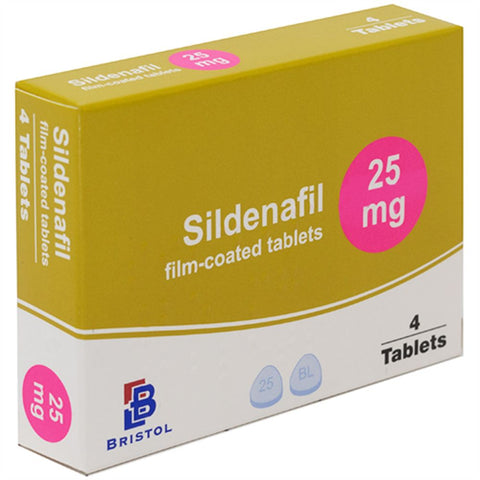
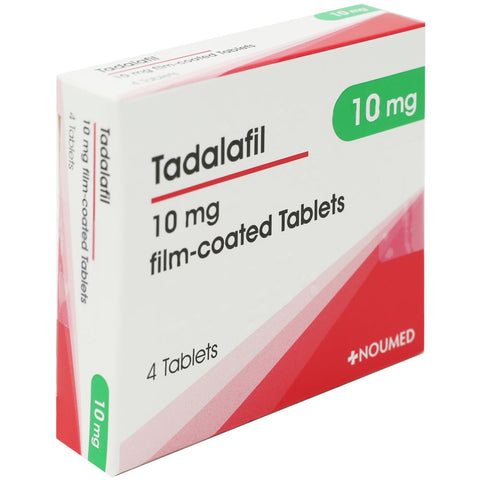
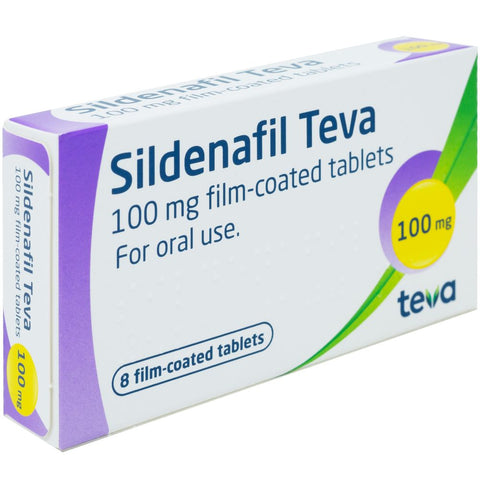
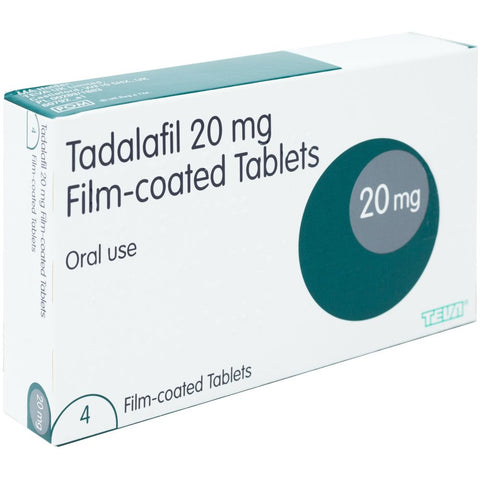
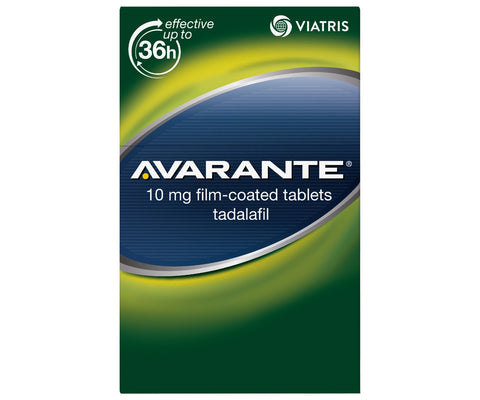
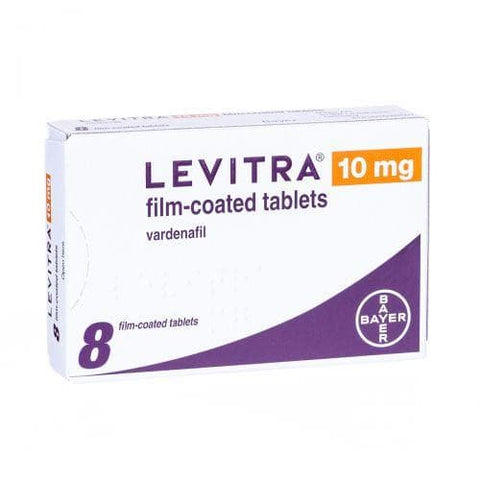
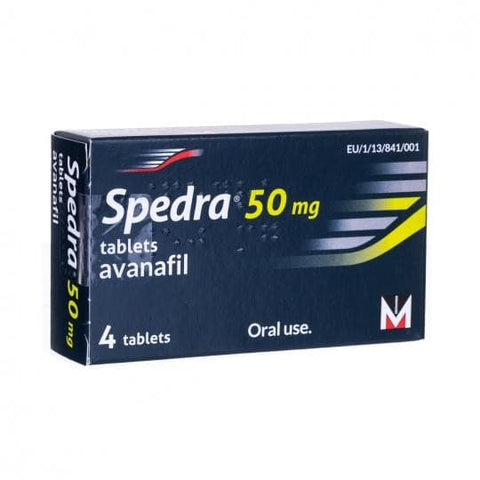
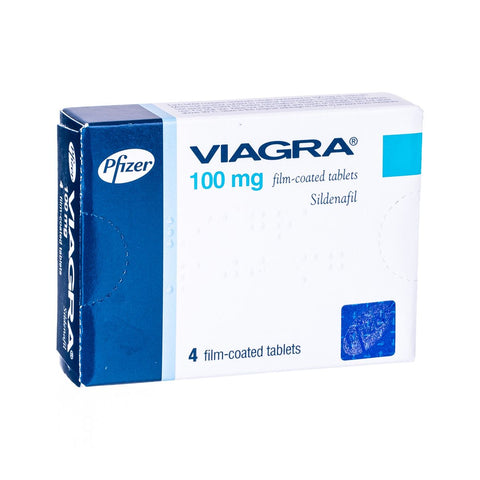
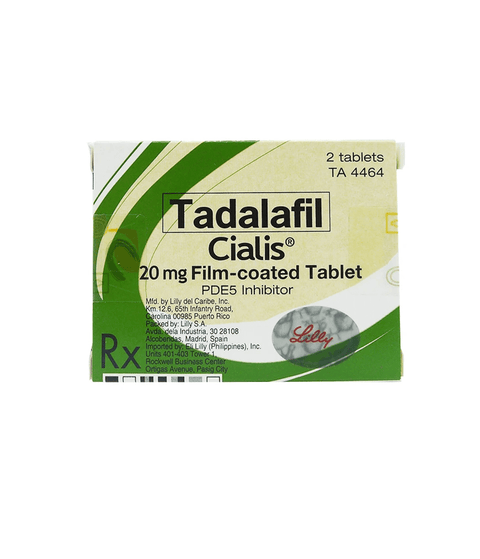
Effective medical treatments for ED can restore sexual function and, in turn, help rebuild confidence and intimacy in a relationship. The most commonly prescribed treatments in the UK are PDE5 inhibitors—oral tablets that help achieve and maintain an erection when sexually aroused [1][2]. These include sildenafil (Viagra), tadalafil (Cialis), vardenafil (Levitra), and avanafil (Spedra). All require sexual stimulation to work and are taken before anticipated sexual activity.
Sildenafil is usually taken about one hour before sex and works for around four to six hours [3]. Tadalafil can be taken on-demand (at least 30 minutes before sex, with effects lasting up to 36 hours) or as a lower daily dose for ongoing support [4]. Vardenafil and avanafil work similarly to sildenafil but may act slightly faster [5][6]. Choosing the right treatment depends on your lifestyle, preferences, and medical history, and a prescriber will guide you through the options during a consultation.
At Cured Pharmacy, all prescription ED treatments are supplied following an online consultation reviewed by a UK-registered prescriber. This ensures the medicine is safe and suitable for you, taking into account your health conditions and any other medications you're taking. Discussing treatment with your partner can make the process feel less isolating and more like a joint effort to improve your intimate life together.
Practical Steps to Strengthen Your Relationship While Managing ED
Managing ED as a couple involves both practical actions and emotional support. Start by educating yourselves together—understanding that ED is common (affecting around half of men aged 40–70 to some degree) and treatable can reduce fear and shame [10]. Make lifestyle changes as a team: regular exercise, a balanced diet, reducing alcohol, stopping smoking, and managing stress all improve erectile function and overall health [1][2].
Set realistic expectations and be patient with the process. Treatment may take some trial and adjustment, and not every attempt will be perfect—that's normal. Celebrate small victories, whether it's a successful intimate moment or simply feeling more connected after an honest conversation. Keep communication open and ongoing; check in with each other regularly about how you're both feeling, what's working, and what might need to change.
Remember that seeking help—whether medical, psychological, or both—is a positive step. Many men delay treatment due to embarrassment, but early intervention often leads to better outcomes and prevents ED from becoming a long-term source of relationship stress. Your GP, a pharmacist, or an online consultation service can provide confidential, non-judgemental support tailored to your needs.
When to See a GP
You should speak to a GP if you experience persistent or worsening erection problems, especially if ED is new or accompanied by other symptoms such as chest pain, breathlessness, or changes in urination [1]. ED can be an early warning sign of underlying health conditions like diabetes, high blood pressure, or cardiovascular disease, so a medical assessment is important [2]. A GP can arrange tests, review your medications, and discuss treatment options. If you prefer, online consultation services like Cured Pharmacy offer a discreet, convenient alternative for accessing prescription ED treatments after a clinical review.
In summary
- ED affects relationships emotionally, but open communication and teamwork can strengthen your bond.
- Talk to your partner calmly outside the bedroom, using 'we' language and focusing on shared solutions.
- Intimacy includes touch, affection, and closeness—not just penetrative sex.
- Effective prescription treatments are available after a UK prescriber consultation.
- See a GP if ED is new, worsening, or causing significant distress for you or your partner.
Scientific References
- NHS. (n.d.). Erectile dysfunction (impotence). NHS website. https://www.nhs.uk/conditions/erection-problems-erectile-dysfunction/ [accessed 17 October 2026]
- National Institute for Health and Care Excellence. (n.d.). Erectile dysfunction. Clinical Knowledge Summaries. https://cks.nice.org.uk/topics/erectile-dysfunction/ [accessed 17 October 2026]
- Joint Formulary Committee. (n.d.). Sildenafil. British National Formulary. NICE. https://bnf.nice.org.uk/drugs/sildenafil/ [accessed 17 October 2026]
- Joint Formulary Committee. (n.d.). Tadalafil. British National Formulary. NICE. https://bnf.nice.org.uk/drugs/tadalafil/ [accessed 17 October 2026]
- Joint Formulary Committee. (n.d.). Vardenafil. British National Formulary. NICE. https://bnf.nice.org.uk/drugs/vardenafil/ [accessed 17 October 2026]
- Joint Formulary Committee. (n.d.). Avanafil. British National Formulary. NICE. https://bnf.nice.org.uk/drugs/avanafil/ [accessed 17 October 2026]
- Feldman, H. A., Goldstein, I., Hatzichristou, D. G., Krane, R. J., & McKinlay, J. B. (1994). Impotence and its medical and psychosocial correlates: Results of the Massachusetts Male Aging Study. Journal of Urology, 151(1), 54–61. https://pubmed.ncbi.nlm.nih.gov/8254833/ [accessed 17 October 2026]
Information on this page is for educational purposes only and is not medical advice. Prescription treatments require clinical assessment by a UK-registered prescriber. Always consult a qualified healthcare professional before starting or changing any medication.
Get Discreet ED Treatment Online
Reviewed by UK-based prescribers · Takes under 3 minutes · Discreet Packaging
ED Treatments We Offer
Pricing Disclaimer: Prices on some pages may not be up to date — the live pricing table below and pricing shown during consultation are official current prices and take precedence over any other figures on the site.
Trusted by thousands
Real people, real results
“Fabulous service and quick delivery”
“Felt the effects of these after about 5 days. Erections are better and can get aroused and ready easier”
“Excellent value and brilliant customer service”
“I received excellent service and everything went well. The order arrived quickly and in perfect condition. It's working very well! Thank you to the whole team for the great work!”
“Delivery was good, the product lived up to expectations.”
How Our Online Service Works


Your Questions Answered

Medically reviewed by
Tarun Kumar, Superintendent Pharmacist (GPhC 2233073)