


Does Collagen Help Erectile Dysfunction?
An honest review of the evidence and how collagen compares with licensed ED treatments.
Takes less than 2 minutes to complete 100% online
Trusted by thousands
Real people, real results
“Fabulous service and quick delivery”
“Felt the effects of these after about 5 days. Erections are better and can get aroused and ready easier”
“Excellent value and brilliant customer service”
“I received excellent service and everything went well. The order arrived quickly and in perfect condition. It's working very well! Thank you to the whole team for the great work!”
“Delivery was good, the product lived up to expectations.”
Get Treatment in 3 Steps


Does Collagen Help Erectile Dysfunction? Evidence Review
Published: 18 November 2026
Does collagen help erectile dysfunction? The short answer is that there is currently no robust clinical evidence demonstrating that collagen supplements effectively treat ED. While collagen is an important structural protein in blood vessels and connective tissue, and some manufacturers suggest it may support vascular health, no large-scale human trials have proven that taking collagen supplements improves erectile function. This page examines what the limited evidence shows, how collagen compares with licensed ED treatments, and what options are backed by clinical research.
Focus on proven treatments
If you have erectile dysfunction, see your GP for a health check and consider a licensed ED medicine with strong clinical evidence. Collagen supplements have not been shown to help ED.
What is collagen and why is it linked to erectile dysfunction?
Collagen is the most abundant protein in the human body, providing structure to skin, bones, tendons, ligaments, and blood vessels [1]. As we age, natural collagen production declines, which can affect tissue elasticity and vascular health. Because erectile function depends on healthy blood flow through the penile arteries and the integrity of the erectile tissue (corpus cavernosum), some supplement manufacturers have suggested that collagen might support erectile health by improving blood vessel structure and flexibility.
However, the link between oral collagen supplementation and erectile function remains theoretical. Erectile dysfunction has many causes—vascular disease, diabetes, hormonal imbalances, psychological factors, and medication side effects are all common contributors [1][2]. While collagen plays a role in vascular structure, there is no published evidence that taking collagen peptides or hydrolysed collagen by mouth translates into measurable improvements in erections. Most research on collagen supplements has focused on skin, joint, and bone health, not sexual function.
Does collagen help erectile dysfunction: what does the evidence show?
At present, there are no peer-reviewed, placebo-controlled clinical trials specifically investigating whether collagen supplements improve erectile dysfunction in men. A search of major medical databases reveals no studies measuring erectile function scores (such as the International Index of Erectile Function) before and after collagen supplementation. The absence of evidence does not prove collagen is ineffective, but it does mean we cannot make evidence-based claims about its benefits for ED.
Some animal studies have explored collagen's role in wound healing and tissue repair, and a few small studies suggest collagen peptides may support vascular endothelial function in general populations. However, these findings have not been replicated in men with erectile dysfunction, and the doses, formulations, and outcomes studied do not allow us to draw conclusions about sexual health. In contrast, licensed ED medicines such as sildenafil and tadalafil have been tested in thousands of men in rigorous trials, with clear evidence of efficacy [9].
Why the lack of evidence matters
Erectile dysfunction can be an early warning sign of cardiovascular disease or diabetes [1][10]. Relying on unproven supplements may delay diagnosis and treatment of underlying conditions. If you are experiencing ED, it is important to see your GP for a proper assessment, including blood pressure, cholesterol, blood sugar, and hormone checks. Treating the root cause—whether that is high blood pressure, diabetes, or low testosterone—often improves erectile function and overall health. Licensed ED treatments are then available if needed, with a strong evidence base and well-understood safety profiles [2].
When to get urgent help
- Erection lasting more than 4 hours (priapism)—go to A&E immediately
- Sudden loss of vision or hearing after taking ED medicine—seek urgent medical help
- Chest pain during sex—stop activity and call 999 if pain does not resolve quickly
- Severe dizziness or fainting after taking ED medicine—seek same-day medical advice
Call 999 or go to A&E in an emergency, or contact NHS 111 for urgent advice.
Safety and interactions: is collagen safe to take?
Collagen supplements (usually derived from bovine, porcine, marine, or chicken sources) are generally considered safe for most people when taken at typical doses (around 2.5–15 grams per day). Common side effects are mild and may include digestive discomfort, a feeling of fullness, or an unpleasant taste. Allergic reactions are rare but possible, particularly in individuals with allergies to the source material (e.g. fish or shellfish allergy with marine collagen).
There are no well-documented drug interactions between collagen supplements and prescription ED medicines such as sildenafil, tadalafil, vardenafil, or avanafil. However, collagen is not regulated as a medicine in the UK, and the quality, purity, and actual collagen content of over-the-counter products can vary widely. If you are taking any prescribed medication, including treatments for heart disease, diabetes, or blood pressure, discuss any new supplement with your GP or pharmacist before starting it. Do not stop or change a prescribed medicine without professional advice.
How does collagen compare with licensed erectile dysfunction treatments?
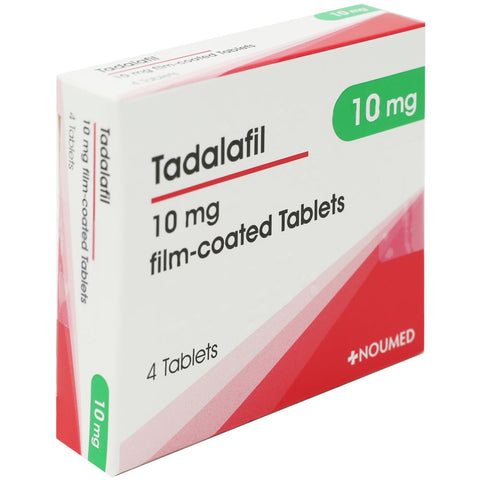
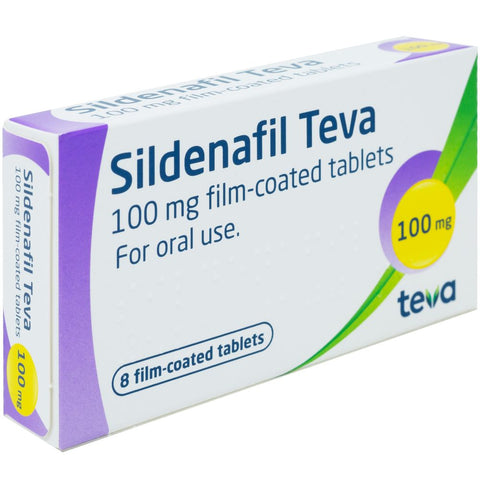
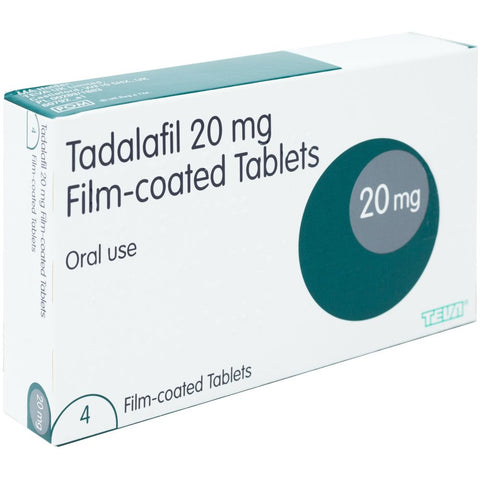
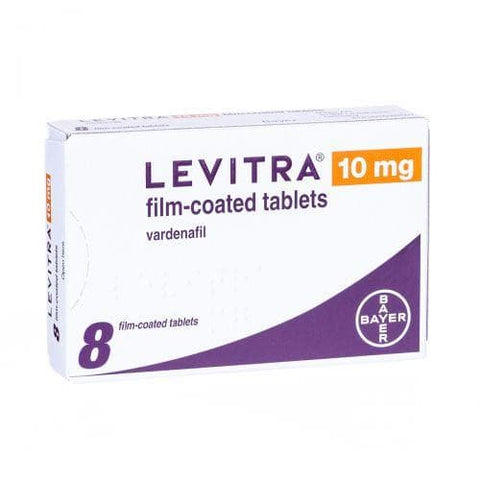
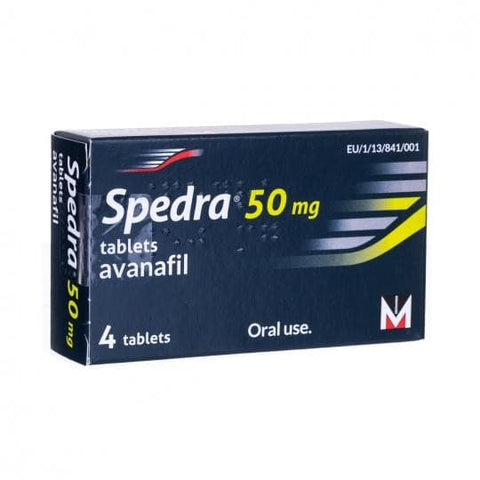
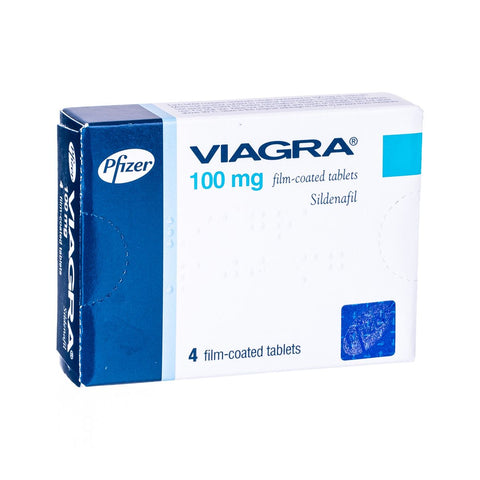
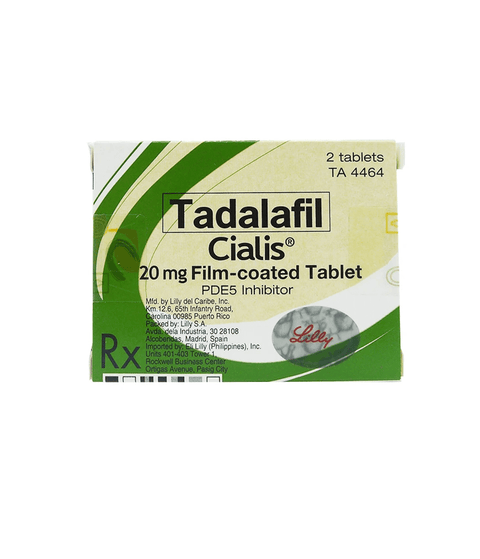
Licensed ED treatments in the UK—sildenafil (Viagra), tadalafil (Cialis), vardenafil (Levitra), and avanafil (Spedra)—are PDE5 inhibitors. They work by relaxing the smooth muscle in the blood vessels of the penis, increasing blood flow when you are sexually stimulated [3][4][5][6]. These medicines have been tested in large, randomised, placebo-controlled trials involving thousands of men, and they consistently show significant improvements in the ability to achieve and maintain an erection [9]. Success rates typically range from 60% to 80%, depending on the underlying cause of ED and the specific medicine used.
In contrast, collagen supplements have no proven mechanism of action for erectile dysfunction and no clinical trial data to support their use. While maintaining vascular health through a balanced diet, regular exercise, and management of cardiovascular risk factors is important for erectile function, there is no evidence that adding a collagen supplement provides additional benefit. If you are looking for an effective treatment for ED, the evidence strongly supports starting with a licensed PDE5 inhibitor after a clinical assessment, rather than relying on unproven supplements [2][8].
What about combining collagen with ED medicines?
There is no evidence that taking collagen alongside a PDE5 inhibitor enhances the effect of the ED medicine, nor is there evidence of harm from the combination. However, because collagen has not been shown to help erectile dysfunction on its own, adding it to a proven treatment is unlikely to provide additional benefit. If you are considering supplements, focus first on lifestyle measures that are known to improve erectile function: stopping smoking, reducing alcohol, losing weight if overweight, exercising regularly, and managing stress [1][2]. These changes have a strong evidence base and can improve both general and sexual health.
At a glance
Does collagen help erectile dysfunction in specific groups of men?
Some men wonder whether collagen might be more helpful in certain situations—for example, in older men with age-related vascular changes, or in men with diabetes or high blood pressure. Unfortunately, there is no research to support this. Age-related decline in collagen production is a normal process, but there is no evidence that replacing collagen through oral supplements restores erectile function. Similarly, while diabetes and cardiovascular disease do affect blood vessel health, the evidence-based approach is to manage these conditions with appropriate medical treatment (such as blood sugar control, statins, and blood pressure medicines) and, if needed, a PDE5 inhibitor [2][10].
If you have an underlying health condition contributing to ED, your GP or specialist can tailor treatment to your situation. For example, men with diabetes may benefit from tighter blood sugar control, and men with low testosterone may be offered hormone replacement. In all cases, licensed ED medicines remain the first-line pharmacological treatment when lifestyle measures alone are insufficient, because they have a proven track record of safety and efficacy [8].
What are the proven alternatives if collagen doesn't help erectile dysfunction?
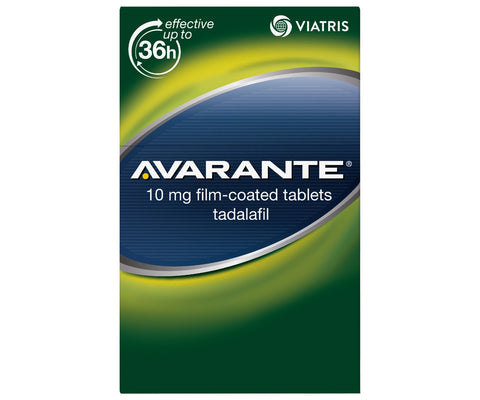
If you are experiencing erectile dysfunction, the most effective treatments are those with strong clinical evidence. PDE5 inhibitors—sildenafil, tadalafil, vardenafil, and avanafil—are the first-line oral treatments recommended by UK and international guidelines [2][8]. Sildenafil (Viagra) is taken about an hour before sex and lasts around four to six hours; tadalafil (Cialis) can be taken on-demand (lasting up to 36 hours) or as a low daily dose; vardenafil (Levitra) and avanafil (Spedra) are faster-acting alternatives [3][4][5][6]. All require sexual stimulation to work and are available on prescription after a clinical assessment.
At Cured Pharmacy, we offer an online consultation reviewed by a UK prescriber, with discreet delivery. Prices start from £0.45 per dose for generic sildenafil (£0.36 with first-order code Ednew). If oral medicines are unsuitable or ineffective, other options include alprostadil cream (Vitaros) or injection (Caverject), vacuum erection devices, or referral to a specialist for further assessment [2][7]. Psychological therapy or couples counselling can also be helpful if anxiety or relationship issues are contributing factors. The key is to seek professional advice rather than relying on unproven supplements.
When to see your GP about erectile dysfunction
You should see your GP if you have persistent or recurrent difficulty getting or keeping an erection, especially if it is affecting your quality of life or relationship. ED can be an early sign of cardiovascular disease, diabetes, or hormonal problems, so a medical assessment is important [1][10]. Your GP will take a history, examine you if needed, and may arrange blood tests (glucose, cholesterol, testosterone, and sometimes thyroid function). They can then discuss treatment options, including lifestyle changes, addressing any underlying conditions, and prescribing an ED medicine if appropriate. Do not be embarrassed—ED is very common, affecting about half of men aged 40–70 to some degree, and effective treatments are available [10].
In summary
- No clinical trials prove collagen supplements improve erectile dysfunction
- Licensed ED medicines like sildenafil and tadalafil have strong evidence of effectiveness
- ED can signal heart disease or diabetes—see your GP for assessment
- Lifestyle changes (exercise, weight loss, stopping smoking) have proven benefits for ED
Scientific References
- NHS. (n.d.). Erectile dysfunction (impotence). NHS website. https://www.nhs.uk/conditions/erection-problems-erectile-dysfunction/ [accessed 18 November 2026]
- National Institute for Health and Care Excellence. (n.d.). Erectile dysfunction. Clinical Knowledge Summaries. https://cks.nice.org.uk/topics/erectile-dysfunction/ [accessed 18 November 2026]
- Joint Formulary Committee. (n.d.). Sildenafil. British National Formulary. NICE. https://bnf.nice.org.uk/drugs/sildenafil/ [accessed 18 November 2026]
- Joint Formulary Committee. (n.d.). Tadalafil. British National Formulary. NICE. https://bnf.nice.org.uk/drugs/tadalafil/ [accessed 18 November 2026]
- Joint Formulary Committee. (n.d.). Vardenafil. British National Formulary. NICE. https://bnf.nice.org.uk/drugs/vardenafil/ [accessed 18 November 2026]
- Joint Formulary Committee. (n.d.). Avanafil. British National Formulary. NICE. https://bnf.nice.org.uk/drugs/avanafil/ [accessed 18 November 2026]
- European Association of Urology. (n.d.). EAU Guidelines on Sexual and Reproductive Health. https://uroweb.org/guidelines/sexual-and-reproductive-health [accessed 18 November 2026]
- Goldstein, I., Lue, T. F., Padma-Nathan, H., Rosen, R. C., Steers, W. D., & Wicker, P. A. (1998). Oral sildenafil in the treatment of erectile dysfunction. New England Journal of Medicine, 338(20), 1397–1404. https://pubmed.ncbi.nlm.nih.gov/9580646/ [accessed 18 November 2026]
- Feldman, H. A., Goldstein, I., Hatzichristou, D. G., Krane, R. J., & McKinlay, J. B. (1994). Impotence and its medical and psychosocial correlates: Results of the Massachusetts Male Aging Study. Journal of Urology, 151(1), 54–61. https://pubmed.ncbi.nlm.nih.gov/8254833/ [accessed 18 November 2026]
Information on this page is for educational purposes only and is not medical advice. Prescription treatments require clinical assessment by a UK-registered prescriber. Always consult a qualified healthcare professional before starting or changing any medication.
Available Treatments
Pricing Disclaimer: Prices on some pages may not be up to date — the live pricing table below and pricing shown during consultation are official current prices and take precedence over any other figures on the site.
Not sure which one? Start a free consultation →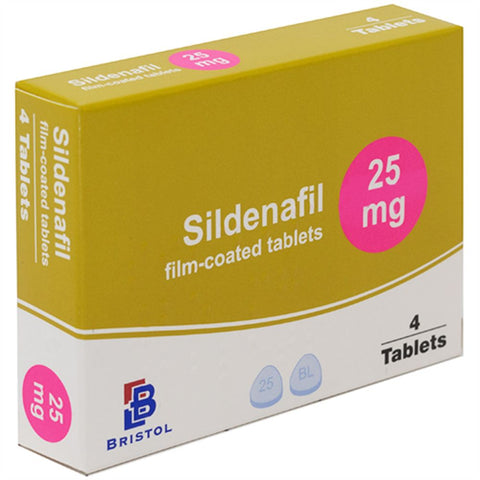
Take the First Step Today
- Reviewed by UK-based prescribers
- Takes under 3 minutes
- Discreet Packaging
Common Questions

Medically reviewed by
Tarun Kumar, Superintendent Pharmacist (GPhC 2233073)