


Cushing's Syndrome and Erectile Dysfunction Explained
Learn how high cortisol affects erections and explore safe, effective treatments after a UK pharmacist-led consultation.
Takes less than 2 minutes to complete 100% online
Cushing's Syndrome and Erectile Dysfunction: Understanding the Link and Treatment Options
Published: 13 October 2026
Cushing's syndrome and erectile dysfunction frequently occur together because prolonged exposure to high cortisol levels disrupts the hormones needed for normal sexual function. Men with Cushing's syndrome often experience reduced testosterone, damaged blood vessels, fatigue, and mood changes—all of which can contribute to difficulty achieving or maintaining an erection. Understanding this connection is the first step toward effective management, and many men find that treating both the underlying hormonal condition and the erectile dysfunction itself can significantly improve quality of life.
Optimise your Cushing's treatment first
Work closely with your endocrinologist to control cortisol levels and check testosterone. Well-managed Cushing's syndrome improves ED treatment effectiveness and reduces cardiovascular risks, giving you the best chance of successful results.
What is Cushing's syndrome and how does it cause erectile dysfunction?
Cushing's syndrome is a rare hormonal disorder caused by prolonged exposure to high levels of the hormone cortisol. This can result from long-term use of corticosteroid medicines (such as prednisolone), or from tumours in the pituitary or adrenal glands that produce excess cortisol. The condition affects multiple body systems, including metabolism, blood pressure, immune function, and reproductive health [1].
The link between Cushing's syndrome and erectile dysfunction is primarily hormonal. High cortisol levels suppress the production of testosterone, the key male sex hormone required for libido and erectile function. Studies show that men with Cushing's syndrome often have significantly reduced testosterone levels, which directly impairs sexual desire and the ability to achieve an erection [10]. Additionally, excess cortisol damages blood vessel walls and promotes atherosclerosis (narrowing of arteries), reducing blood flow to the penis—a critical component of the erection process.
Beyond hormones and blood vessels, Cushing's syndrome causes fatigue, depression, anxiety, and weight gain, all of which can further diminish sexual confidence and performance. The psychological burden of living with a chronic endocrine disorder also plays a role, creating a cycle where physical symptoms and emotional distress reinforce erectile difficulties. Recognising these interconnected factors is essential for effective treatment.
How is the link between Cushing's syndrome and erectile dysfunction assessed?
If you have Cushing's syndrome and are experiencing erectile dysfunction, your GP or endocrinologist will take a comprehensive approach to assessment. This begins with a detailed medical history, including the duration and severity of your ED, current medications (especially corticosteroids), and symptoms of Cushing's such as weight gain, high blood pressure, muscle weakness, and mood changes [2].
Blood tests are central to the assessment. Your doctor will measure cortisol levels (often through a 24-hour urine collection or late-night salivary cortisol test) to confirm active Cushing's syndrome, and check testosterone levels to identify hormonal deficiency. Additional tests may include blood glucose (to screen for diabetes, which is common in Cushing's and also causes ED), lipid profile, and thyroid function. Imaging studies such as MRI or CT scans may be used to locate any pituitary or adrenal tumours [1].
Your doctor will also assess cardiovascular health, as Cushing's syndrome increases the risk of heart disease and high blood pressure—both of which contribute to erectile dysfunction and influence the safety of ED treatments. A thorough medication review is essential, since some drugs used to manage Cushing's or its complications (such as certain blood pressure medicines) can themselves affect erectile function. This holistic assessment ensures that any treatment plan addresses both the underlying endocrine disorder and the erectile dysfunction safely and effectively.
Why seeing your doctor is important
Erectile dysfunction in men with Cushing's syndrome should never be ignored or self-treated without medical input. ED can be an early warning sign of worsening cardiovascular health, and in the context of Cushing's, it often signals inadequate disease control or complications such as diabetes or hypertension. Your GP or endocrinologist can adjust your Cushing's treatment, optimise hormone levels, and ensure that any ED therapy is safe given your overall health and current medications. Early intervention not only improves sexual function but also protects your long-term health.
When to get urgent help
- Erection lasting more than 4 hours (priapism) – go to A&E immediately
- Sudden loss of vision or hearing after taking ED medicine – seek urgent medical help
- Chest pain, severe dizziness, or fainting during or after sex – call 999
- Rapid worsening of Cushing's symptoms such as severe weakness or confusion – contact your doctor urgently
- New or severe headache, visual disturbance, or signs of stroke – call 999
Call 999 or go to A&E in an emergency, or contact NHS 111 for urgent advice.
Lifestyle measures to support erectile function with Cushing's syndrome
While lifestyle changes alone cannot cure Cushing's syndrome or reverse its hormonal effects, they play a valuable supporting role in managing erectile dysfunction and improving overall wellbeing. Weight management is particularly important: Cushing's syndrome often causes central obesity, which worsens insulin resistance, inflammation, and vascular health—all factors that impair erectile function. A balanced diet rich in vegetables, lean protein, whole grains, and healthy fats can help stabilise blood sugar and support cardiovascular health [1][2].
Regular physical activity, tailored to your energy levels and muscle strength, can improve blood flow, boost mood, and help counteract the muscle weakness and fatigue associated with Cushing's. Even moderate exercise such as walking, swimming, or cycling can make a meaningful difference. However, it is important to discuss any new exercise programme with your doctor, as Cushing's syndrome can affect bone density and increase fracture risk.
Reducing alcohol intake and stopping smoking are both strongly recommended. Alcohol can worsen erectile dysfunction and interacts with many medications, while smoking accelerates blood vessel damage and compounds the cardiovascular risks already elevated by Cushing's. Managing stress through relaxation techniques, counselling, or support groups can also help, as the psychological impact of living with a chronic endocrine disorder is significant. Open communication with your partner about the physical and emotional challenges you face can reduce performance anxiety and strengthen intimacy, which in turn supports sexual confidence and function.
Oral ED treatments for men with Cushing's syndrome and erectile dysfunction
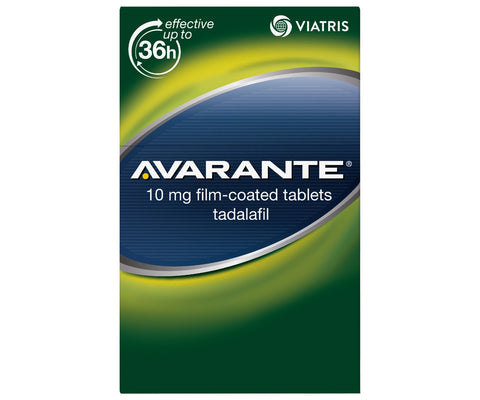
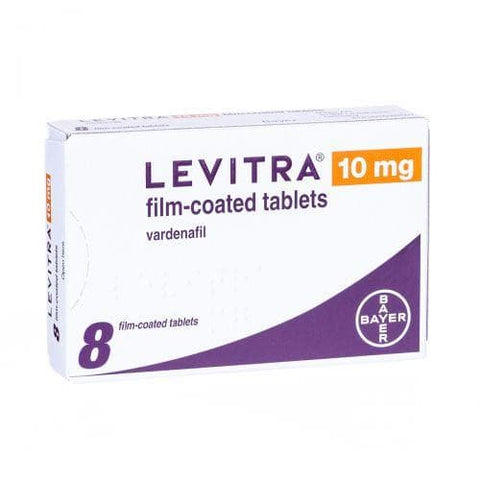
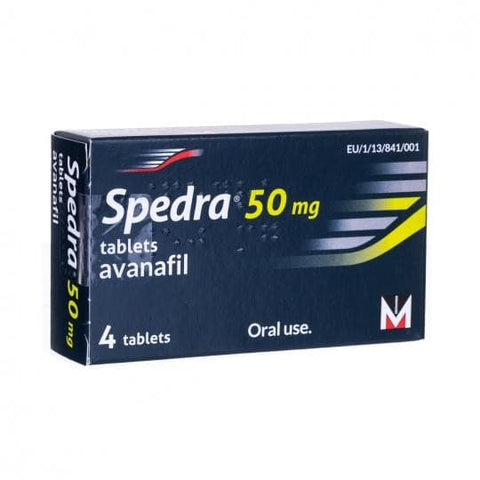
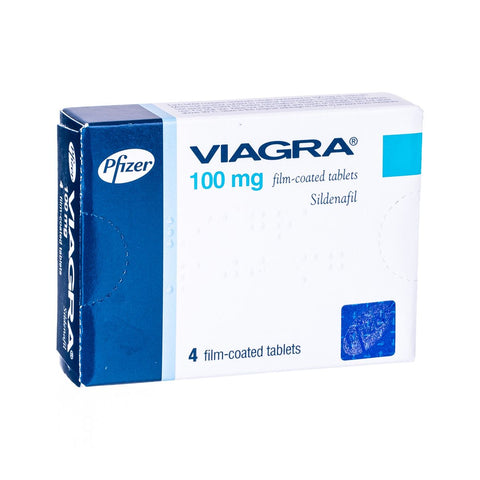
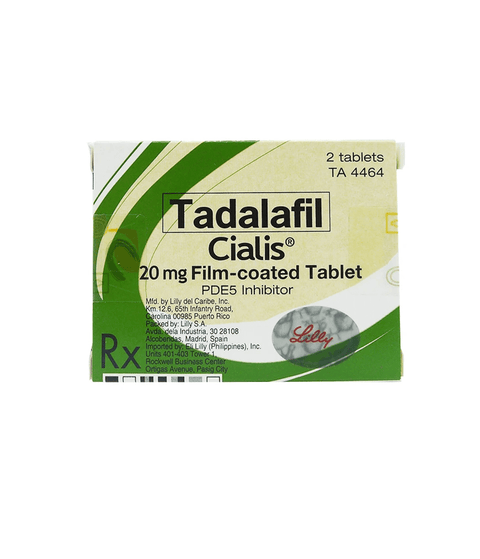
For many men with Cushing's syndrome and erectile dysfunction, oral PDE5 inhibitor medicines can be effective once the underlying hormonal condition is being managed. These medicines—sildenafil (Viagra), tadalafil (Cialis), vardenafil (Levitra), and avanafil (Spedra)—work by increasing blood flow to the penis in response to sexual stimulation, helping you achieve and maintain an erection. They do not cure ED or address the hormonal imbalance, but they can significantly improve erectile function and quality of life [3][4][5][6].
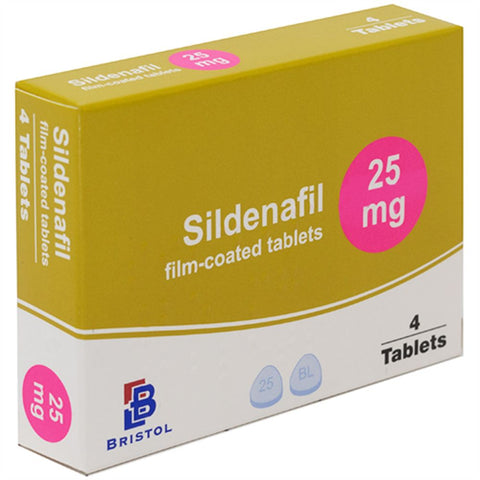
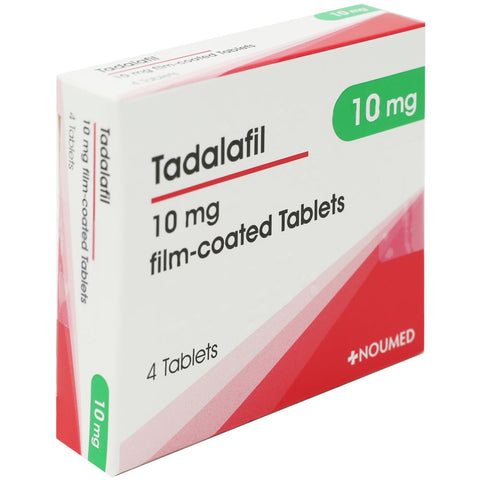
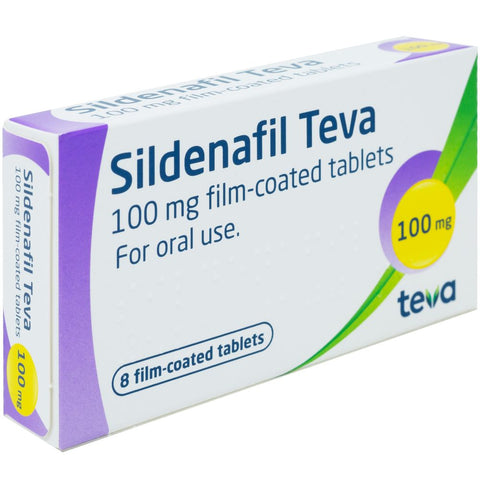
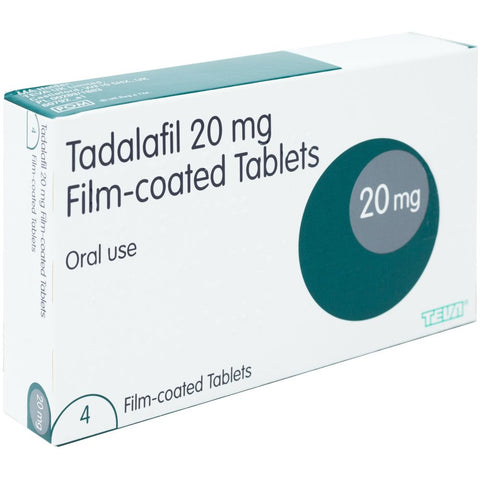
Sildenafil is usually taken about one hour before sexual activity at doses of 25mg, 50mg, or 100mg, and works for around four to six hours. Tadalafil can be taken on-demand (10mg or 20mg at least 30 minutes before sex, with effects lasting up to 36 hours) or as a daily low dose (2.5mg or 5mg) for spontaneity. Vardenafil (5mg, 10mg, or 20mg) is taken 25–60 minutes before sex, while avanafil (50mg, 100mg, or 200mg) can work in as little as 15–30 minutes. All require sexual stimulation to be effective and should be taken no more than once a day [3][4][5][6].
However, PDE5 inhibitors are not suitable for everyone. They must never be taken with nitrates (such as GTN spray or isosorbide mononitrate), nicorandil, riociguat, or recreational drugs called 'poppers', as this combination can cause a dangerous drop in blood pressure. Men taking alpha-blockers for prostate symptoms or blood pressure need careful dose adjustment and must be stable on the alpha-blocker before starting a PDE5 inhibitor. If you are on medicines that affect liver enzymes (such as some antifungals, antibiotics, or HIV treatments), your prescriber will adjust the dose or choose an alternative. Because Cushing's syndrome often coexists with high blood pressure, diabetes, and cardiovascular disease, a thorough medical review is essential before starting any ED treatment [3][4][5][6].
How Cured Pharmacy can help
Cured Pharmacy is a GPhC-registered online pharmacy (GPhC 9012511) offering discreet access to prescription ED treatments after a clinical consultation reviewed by a UK-registered prescriber. During the online consultation, you will be asked about your Cushing's syndrome, current medications, cardiovascular health, and any other medical conditions to ensure the chosen treatment is safe and appropriate for you. If approved, your medicine is dispensed by our pharmacy and delivered discreetly to your door. Our team is here to answer questions and provide ongoing support as you manage both your endocrine condition and erectile dysfunction.
At a glance
Treatment cautions and considerations specific to Cushing's syndrome
Men with Cushing's syndrome require particularly careful assessment before starting ED treatment because the condition affects multiple systems that influence both the safety and effectiveness of PDE5 inhibitors. High blood pressure is very common in Cushing's and must be well controlled before starting an ED medicine, as PDE5 inhibitors can lower blood pressure further, especially when combined with other antihypertensive drugs. Your prescriber will review your blood pressure readings and current medications to minimise the risk of dizziness or fainting [2][3][4].
Cushing's syndrome also increases the risk of diabetes and cardiovascular disease, both of which are important considerations when prescribing ED treatments. If you have a history of heart attack, stroke, unstable angina, or severe heart failure, PDE5 inhibitors may not be suitable, or sexual activity itself may need to be discussed with your cardiologist. Your prescriber will assess your cardiovascular fitness as part of the consultation [2].
Drug interactions are another key concern. Some medicines used to treat Cushing's syndrome or its complications—such as ketoconazole (an antifungal sometimes used to lower cortisol)—are potent inhibitors of liver enzymes and can significantly raise levels of PDE5 inhibitors in the blood, increasing the risk of side effects. Your prescriber will check every current medicine during the consultation and adjust doses or choose an alternative if necessary. Never stop or change a prescribed medicine without advice from your doctor or pharmacist [3][4][5][6].
It is also important to manage expectations. If your Cushing's syndrome is not yet well controlled, or if your testosterone levels remain very low, ED treatments may be less effective. In such cases, your endocrinologist may recommend hormone replacement therapy or further treatment for Cushing's before optimising ED therapy. A coordinated approach between your GP, endocrinologist, and pharmacist ensures the best outcomes for both your hormonal health and sexual function.
Other treatment options and when to seek further help
If oral PDE5 inhibitors are not effective, not suitable, or not tolerated, other treatments for erectile dysfunction may be considered. Alprostadil is a prescription medicine available as a urethral cream (Vitaros) or penile injection (Caverject) that works by directly relaxing blood vessels in the penis, independent of hormonal or nervous system pathways. It can be effective for men with complex medical conditions, including Cushing's syndrome, but requires training and careful use [7].
Vacuum erection devices are non-drug options that use a pump to draw blood into the penis, with a constriction ring placed at the base to maintain the erection. These devices are available without prescription and can be useful for men who cannot take medicines or prefer a non-pharmacological approach. Penile implants are a surgical option for men with severe, treatment-resistant ED, but are usually considered only after other therapies have been tried [2][8].
Psychological support, including counselling or sex therapy, can be valuable for men with Cushing's syndrome and erectile dysfunction, as the condition often causes depression, anxiety, and relationship strain. Addressing these emotional factors alongside physical treatments can improve outcomes and quality of life. If your ED does not improve with treatment, or if you experience new symptoms such as chest pain during sex, sudden vision or hearing loss, or an erection lasting more than four hours, seek urgent medical help. Regular follow-up with your endocrinologist and GP is essential to monitor your Cushing's syndrome, adjust treatments, and ensure your overall health is optimised [1][2].
When to contact your doctor
You should contact your GP or endocrinologist if your erectile dysfunction worsens, if you develop new symptoms such as chest pain or severe dizziness, or if your ED treatment is not working as expected. Any changes in your Cushing's syndrome symptoms—such as increased weight gain, worsening blood pressure, or new mood changes—should also be reported promptly. Your doctor can review your overall treatment plan, adjust medications, and refer you to a specialist if needed. Never stop taking prescribed medicines for Cushing's syndrome without medical advice, as this can cause serious complications.
In summary
- Cushing's syndrome causes ED through low testosterone, damaged blood vessels, and fatigue
- Blood tests for cortisol and testosterone help assess the link between the conditions
- Oral ED medicines can be effective once Cushing's is being managed and safety is confirmed
- Lifestyle changes support treatment but cannot reverse hormonal damage alone
- Close monitoring by your GP or endocrinologist is essential for safe ED treatment
Scientific References
- NHS. (n.d.). Erectile dysfunction (impotence). NHS website. https://www.nhs.uk/conditions/erection-problems-erectile-dysfunction/ [accessed 13 October 2026]
- National Institute for Health and Care Excellence. (n.d.). Erectile dysfunction. Clinical Knowledge Summaries. https://cks.nice.org.uk/topics/erectile-dysfunction/ [accessed 13 October 2026]
- Joint Formulary Committee. (n.d.). Sildenafil. British National Formulary. NICE. https://bnf.nice.org.uk/drugs/sildenafil/ [accessed 13 October 2026]
- Joint Formulary Committee. (n.d.). Tadalafil. British National Formulary. NICE. https://bnf.nice.org.uk/drugs/tadalafil/ [accessed 13 October 2026]
- Joint Formulary Committee. (n.d.). Vardenafil. British National Formulary. NICE. https://bnf.nice.org.uk/drugs/vardenafil/ [accessed 13 October 2026]
- Joint Formulary Committee. (n.d.). Avanafil. British National Formulary. NICE. https://bnf.nice.org.uk/drugs/avanafil/ [accessed 13 October 2026]
- Joint Formulary Committee. (n.d.). Alprostadil. British National Formulary. NICE. https://bnf.nice.org.uk/drugs/alprostadil/ [accessed 13 October 2026]
- European Association of Urology. (n.d.). EAU Guidelines on Sexual and Reproductive Health. https://uroweb.org/guidelines/sexual-and-reproductive-health [accessed 13 October 2026]
- Feldman, H. A., Goldstein, I., Hatzichristou, D. G., Krane, R. J., & McKinlay, J. B. (1994). Impotence and its medical and psychosocial correlates: Results of the Massachusetts Male Aging Study. Journal of Urology, 151(1), 54–61. https://pubmed.ncbi.nlm.nih.gov/8254833/ [accessed 13 October 2026]
Information on this page is for educational purposes only and is not medical advice. Prescription treatments require clinical assessment by a UK-registered prescriber. Always consult a qualified healthcare professional before starting or changing any medication.
Start Your Assessment For Erectile Dysfunction
Reviewed by UK-based prescribers · Takes under 3 minutes · Discreet Packaging
Our ED Treatments
Pricing Disclaimer: Prices on some pages may not be up to date — the live pricing table below and pricing shown during consultation are official current prices and take precedence over any other figures on the site.
Trusted by thousands
Real people, real results
“Fabulous service and quick delivery”
“Felt the effects of these after about 5 days. Erections are better and can get aroused and ready easier”
“Excellent value and brilliant customer service”
“I received excellent service and everything went well. The order arrived quickly and in perfect condition. It's working very well! Thank you to the whole team for the great work!”
“Delivery was good, the product lived up to expectations.”
How it Works?
Choose your treatment
Select from our recommended UK-licensed medications.
Answer quick questions
Select safe UK treatments. Quick answers.
Get it delivered fast
We will deliver direct to you as quickly as tomorrow.
Faq

Medically reviewed by
Tarun Kumar, Superintendent Pharmacist (GPhC 2233073)