

Bowel Cancer and Erectile Dysfunction Explained
Learn how bowel cancer treatment affects erections and explore safe, effective prescription options through a UK pharmacist consultation.
Takes less than 2 minutes to complete 100% online

Bowel Cancer and Erectile Dysfunction: Causes, Assessment and Treatment
Published: 13 October 2026
Bowel cancer and erectile dysfunction are connected in several important ways: surgery to remove rectal tumours can damage nerves and blood vessels that control erections, pelvic radiotherapy may affect vascular function, and the psychological burden of a cancer diagnosis often impacts sexual confidence and desire. Many men treated for colorectal cancer experience some degree of erectile difficulty, but effective treatments are available once you have completed active cancer therapy and your oncology team has given clearance. This page explains the link, how ED is assessed after bowel cancer, and the prescription options that may help restore sexual function.
Key takeaways
- Bowel cancer surgery and radiotherapy can damage nerves and blood vessels, causing erectile dysfunction in many men.
- PDE5 inhibitors like sildenafil and tadalafil are effective first-line treatments once your cancer team confirms you are well enough.
- Early treatment may help maintain penile health even if nerve recovery is incomplete after surgery.
- If tablets do not work, alprostadil injections or vacuum devices can be effective alternatives.
- Always discuss ED with your GP or oncologist to rule out other causes and ensure safe treatment.
Why bowel cancer and erectile dysfunction are linked
Bowel cancer itself does not usually cause erectile dysfunction directly, but the treatments used to cure or control the disease can affect the nerves, blood vessels and hormones involved in achieving an erection [1]. Rectal cancer surgery—especially total mesorectal excision (TME) or abdominoperineal resection—carries a risk of damage to the autonomic nerves that run close to the rectum and control blood flow to the penis. Even nerve-sparing techniques cannot always prevent some degree of injury, and the risk increases with the extent of surgery and the position of the tumour.
Pelvic radiotherapy, often given before or after surgery for rectal cancer, can cause fibrosis (scarring) of small blood vessels in the pelvis over time, reducing blood flow to erectile tissue [2]. Chemotherapy is less likely to cause ED directly, but fatigue, nausea and the general physical toll of treatment can reduce libido and sexual activity. Hormonal changes are uncommon with bowel cancer treatment, but weight loss, malnutrition and chronic illness can lower testosterone levels in some men.
The psychological impact of a cancer diagnosis, fear of recurrence, changes in body image (especially if you have a stoma), and relationship strain all contribute to erectile difficulties. Anxiety and low mood are common after cancer treatment and can make it harder to relax and respond to sexual stimulation [1]. Recognising that ED after bowel cancer has multiple causes—physical, vascular, neurological and emotional—helps guide the right combination of support and treatment.
How erectile dysfunction is assessed after bowel cancer treatment
If you are experiencing erectile problems after treatment for bowel cancer, your GP or oncologist will first check that your cancer is stable or in remission and that you are well enough for sexual activity [2]. They will ask about the timing of your ED (whether it started immediately after surgery or developed gradually), the quality of any erections you do get, and whether you have morning or spontaneous erections—these details help distinguish nerve damage from vascular or psychological causes.
A full medication review is essential: some drugs used to manage symptoms after bowel cancer (such as certain antidepressants, opioid painkillers or blood-pressure medicines) can worsen ED, and your doctor may be able to adjust doses or switch to alternatives. Blood tests typically include testosterone, blood glucose (to check for diabetes, which is more common after cancer treatment), cholesterol and kidney function. Low testosterone can be treated with replacement therapy if appropriate, though this requires specialist supervision in men with a history of cancer.
Your doctor will also assess cardiovascular fitness, because ED is often an early warning sign of heart disease [1]. If you have had pelvic radiotherapy or extensive surgery, a referral to a specialist urology or sexual-medicine clinic may be offered for more detailed assessment, including penile Doppler ultrasound to measure blood flow. Psychological support—through your GP, a cancer support charity such as Macmillan, or a psychosexual therapist—is an important part of the assessment, especially if anxiety or low mood are significant factors.
When to seek assessment
You should discuss erectile problems with your cancer team or GP as soon as you feel ready, ideally once acute treatment has finished and you are recovering. Early assessment allows any reversible causes (such as low testosterone or medication side effects) to be identified and treated. Do not wait months or years in the hope that function will return on its own—while some nerve recovery can occur over 12–24 months after surgery, many men benefit from treatment in the meantime to maintain penile health and confidence [2].
At a glance
Lifestyle measures to support erectile function after bowel cancer
Lifestyle changes play an important role in managing bowel cancer and erectile dysfunction together, particularly because many men are less active and carry extra weight after cancer treatment [1]. Regular physical activity—aiming for at least 150 minutes of moderate exercise each week, such as brisk walking, cycling or swimming—improves cardiovascular fitness, boosts mood and enhances blood flow to all parts of the body, including the penis. Exercise also helps manage fatigue, a common long-term effect of chemotherapy and radiotherapy.
A balanced diet rich in vegetables, fruit, whole grains, lean protein and healthy fats supports vascular health and recovery. Maintaining a healthy weight reduces the risk of diabetes and high blood pressure, both of which worsen ED. If you smoke, stopping is one of the most effective steps you can take: smoking damages blood vessels and significantly reduces the success of ED treatments [2]. Your GP or a local stop-smoking service can provide support with nicotine replacement or prescription medications such as varenicline.
Limiting alcohol is also important—heavy drinking can worsen erectile problems and interact with some ED medicines. Managing stress and prioritising sleep help regulate hormones and improve energy levels. Open communication with your partner about your concerns, expectations and the physical changes you have experienced can reduce performance anxiety and strengthen intimacy. Many couples find that focusing on non-penetrative intimacy and shared pleasure, rather than erections alone, takes pressure off and improves overall sexual satisfaction. Counselling or psychosexual therapy may be helpful if relationship or body-image issues are significant.
Oral prescription treatments for ED after bowel cancer
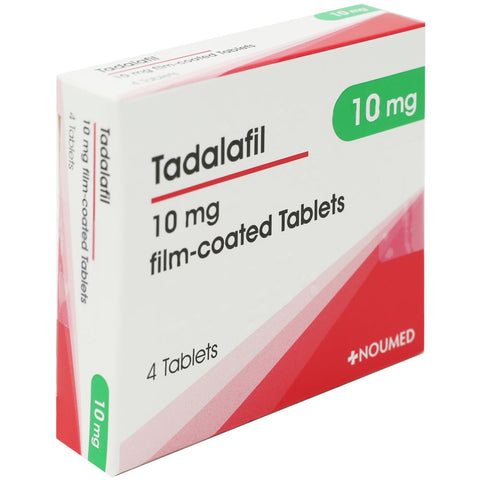
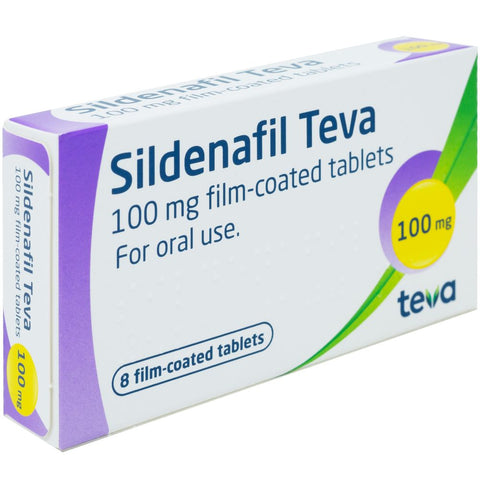
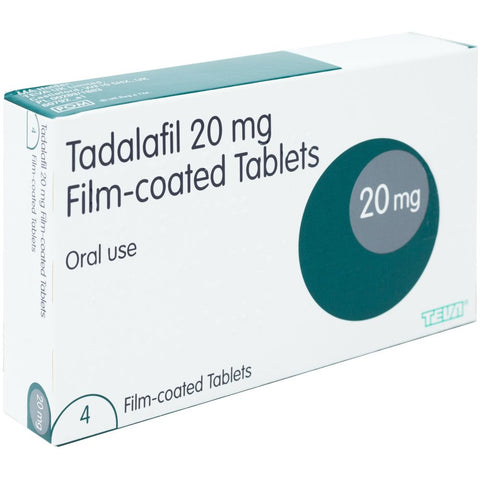
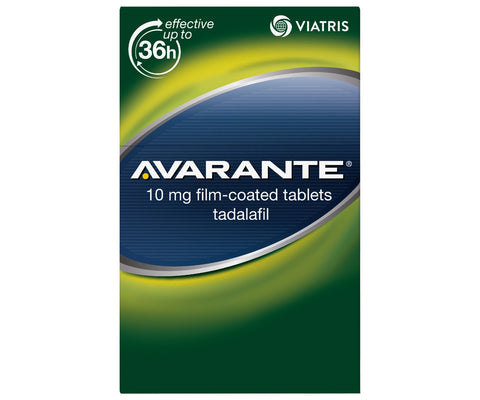
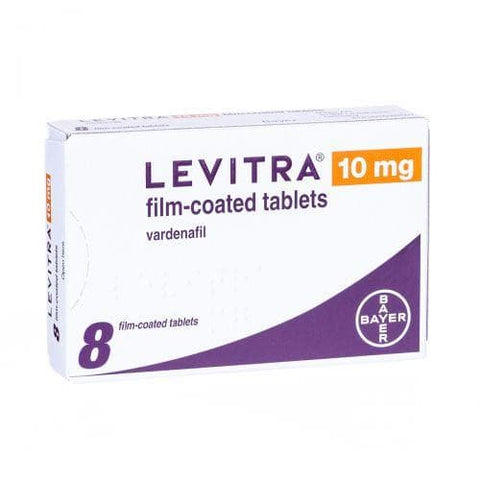
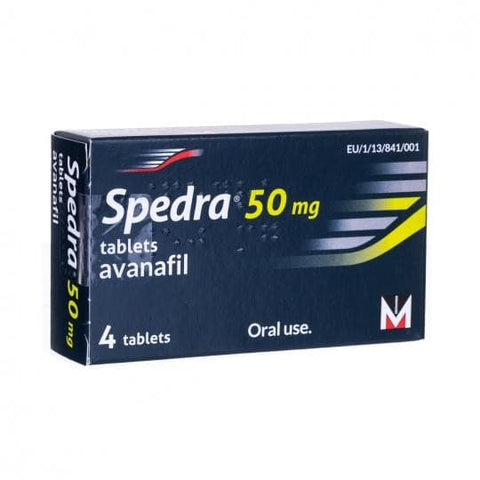
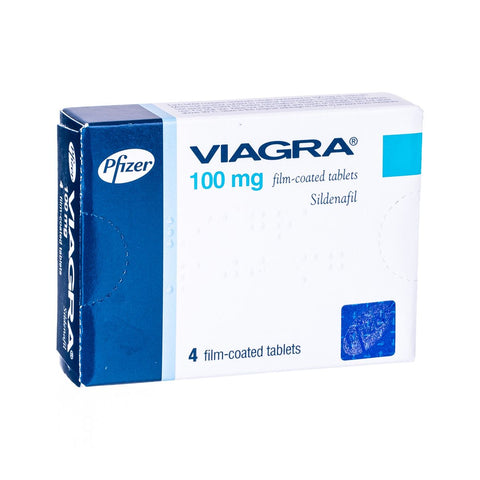
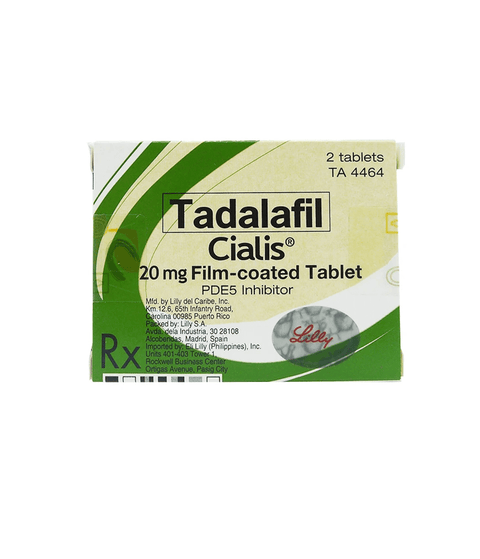
Oral medicines called PDE5 inhibitors are the first-line treatment for erectile dysfunction after bowel cancer, provided your oncologist or GP confirms you are well enough for sexual activity and have no contraindications [2]. These medicines—sildenafil (Viagra), tadalafil (Cialis), vardenafil (Levitra) and avanafil (Spedra)—work by increasing blood flow to the penis when you are sexually aroused. They do not cause an automatic erection and require sexual stimulation to be effective [3][4][5][6].
Sildenafil is usually taken about one hour before sex at doses of 25 mg, 50 mg or 100 mg, and its effect lasts around four to six hours. Tadalafil can be used on-demand (10 mg or 20 mg at least 30 minutes before sex, with effects lasting up to 36 hours) or as a low daily dose (2.5 mg or 5 mg), which some men prefer because it allows more spontaneity [4]. Vardenafil (5 mg, 10 mg or 20 mg) is taken 25–60 minutes before sex, and avanafil (50 mg, 100 mg or 200 mg) works within 15–30 minutes, making it one of the fastest-acting options [6].
PDE5 inhibitors are effective in many men after bowel cancer surgery, though success rates may be lower if there has been significant nerve damage [8]. Starting treatment early—even if erections do not return immediately—may help maintain penile tissue health and improve long-term outcomes. Your prescriber will choose the lowest effective dose and may adjust it based on your response and any side effects. All PDE5 inhibitors are available on prescription after an online consultation with a UK-registered prescriber at Cured Pharmacy, who will review your medical history, current medications and cancer treatment details.
How PDE5 inhibitors are used safely after cancer treatment
Your prescriber will check that you are not taking any medicines that interact dangerously with PDE5 inhibitors, particularly nitrates (such as GTN spray or isosorbide mononitrate), nicorandil, or riociguat, as the combination can cause a severe drop in blood pressure [3]. Alpha-blockers (used for prostate symptoms or blood pressure) require caution: you should be stable on the alpha-blocker and start on the lowest PDE5 dose. Some medicines used during or after cancer treatment—such as certain antifungals, antibiotics or antiretrovirals—can raise PDE5 levels, so dose adjustments may be needed. Always declare every medicine, supplement and over-the-counter product you take during your consultation [12].
Start treatment early
Even if erections have not fully returned after bowel cancer surgery, using ED treatment early may help maintain blood flow and tissue health in the penis, improving your chances of long-term recovery. Speak to your GP or oncologist as soon as you feel ready.
Other prescription options if tablets are not effective
If oral PDE5 inhibitors do not work well enough—which can happen after extensive pelvic surgery or radiotherapy—other prescription treatments may be considered [2]. Alprostadil is a medicine that can be applied as a cream (Vitaros) inserted into the opening of the penis, or injected directly into the side of the penis (Caverject). These treatments work locally to relax smooth muscle and increase blood flow, and they do not rely on intact nerve pathways, so they can be effective even when tablets are not [7].
Alprostadil injections are usually taught by a specialist nurse in a urology clinic, and many men become confident self-injecting at home. The main side effect is a mild ache in the penis, and there is a small risk of priapism (a prolonged, painful erection lasting more than four hours), which requires urgent medical attention. Vacuum erection devices (VEDs) are another option: a plastic cylinder is placed over the penis, a pump creates a vacuum that draws blood in, and a constriction ring is then placed at the base to maintain the erection. VEDs are non-invasive, have no drug interactions, and can be used alongside other treatments.
For men with severe, treatment-resistant ED after cancer surgery, a penile prosthesis (surgically implanted device) may be discussed with a urologist. This is usually considered only after other options have been tried. Psychological support and couples counselling remain important throughout, as the emotional impact of ED and cancer can be as significant as the physical aspects [1]. Your GP or cancer team can refer you to appropriate specialists if first-line treatments are not sufficient.
Important safety considerations and when to seek help
Men treated for bowel cancer and erectile dysfunction must never take PDE5 inhibitors if they use nitrates (GTN spray, isosorbide mononitrate or dinitrate), nicorandil, riociguat, or recreational drugs called poppers (amyl or alkyl nitrites), because the combination can cause a dangerous fall in blood pressure [3]. Do not take more than one PDE5 inhibitor at a time, and do not exceed the prescribed dose. If you experience chest pain during sex, stop immediately, do not take nitrate medicines, and call 999—tell the paramedics you have taken a PDE5 inhibitor.
Seek urgent medical help (call 999 or go to A&E) if you have an erection lasting more than four hours (priapism), sudden loss of vision in one or both eyes, or sudden decrease or loss of hearing [3][4]. These are rare but serious side effects that require immediate treatment. Common, mild side effects of PDE5 inhibitors include headache, facial flushing, indigestion and nasal congestion; these usually settle as your body adjusts and can often be managed by adjusting the dose or timing.
If you are taking medicines for high blood pressure, heart disease, or prostate problems, your prescriber will check for interactions and may start you on a lower dose of the ED medicine. Grapefruit juice can raise levels of some PDE5 inhibitors and should be avoided. Heavy alcohol can worsen ED and increase the risk of dizziness or low blood pressure when combined with these medicines [12]. Always inform your prescriber of any changes to your health or medications, and attend follow-up appointments with your cancer team as recommended. If ED treatments are not working or you have concerns about your cancer or general health, speak to your GP or oncologist promptly.
Monitoring and follow-up
Regular follow-up with your GP or cancer team is important to monitor your recovery, check for cancer recurrence, and review how well ED treatments are working [2]. If you develop new symptoms—such as unexplained weight loss, changes in bowel habit, blood in stools, or persistent pain—contact your doctor immediately, as these may require investigation. Your prescriber at Cured Pharmacy will ask about your response to treatment and any side effects during repeat consultations, and can adjust your prescription or suggest referral to a specialist if needed.
When to get urgent help
- Erection lasting more than 4 hours (priapism) — call 999 or go to A&E immediately
- Sudden loss of vision in one or both eyes — stop the medicine and seek urgent medical help
- Chest pain during or after sex — stop activity, do NOT take nitrates, call 999 and tell them you have taken ED medicine
- Sudden decrease or loss of hearing — stop the medicine and contact your GP or call 111 urgently
- Unexplained weight loss, blood in stools, or persistent pain — contact your GP or oncologist the same day for cancer review
Call 999 or go to A&E in an emergency, or contact NHS 111 for urgent advice.
Scientific References
- NHS. (n.d.). Erectile dysfunction (impotence). NHS website. https://www.nhs.uk/conditions/erection-problems-erectile-dysfunction/ [accessed 13 October 2026]
- National Institute for Health and Care Excellence. (n.d.). Erectile dysfunction. Clinical Knowledge Summaries. https://cks.nice.org.uk/topics/erectile-dysfunction/ [accessed 13 October 2026]
- Joint Formulary Committee. (n.d.). Sildenafil. British National Formulary. NICE. https://bnf.nice.org.uk/drugs/sildenafil/ [accessed 13 October 2026]
- Joint Formulary Committee. (n.d.). Tadalafil. British National Formulary. NICE. https://bnf.nice.org.uk/drugs/tadalafil/ [accessed 13 October 2026]
- Joint Formulary Committee. (n.d.). Vardenafil. British National Formulary. NICE. https://bnf.nice.org.uk/drugs/vardenafil/ [accessed 13 October 2026]
- Joint Formulary Committee. (n.d.). Avanafil. British National Formulary. NICE. https://bnf.nice.org.uk/drugs/avanafil/ [accessed 13 October 2026]
- Joint Formulary Committee. (n.d.). Alprostadil. British National Formulary. NICE. https://bnf.nice.org.uk/drugs/alprostadil/ [accessed 13 October 2026]
- European Association of Urology. (n.d.). EAU Guidelines on Sexual and Reproductive Health. https://uroweb.org/guidelines/sexual-and-reproductive-health [accessed 13 October 2026]
- Electronic Medicines Compendium. (n.d.). Summaries of Product Characteristics and Patient Information Leaflets. https://www.medicines.org.uk/emc/ [accessed 13 October 2026]
Information on this page is for educational purposes only and is not medical advice. Prescription treatments require clinical assessment by a UK-registered prescriber. Always consult a qualified healthcare professional before starting or changing any medication.
Available Treatments
Pricing Disclaimer: Prices on some pages may not be up to date — the live pricing table below and pricing shown during consultation are official current prices and take precedence over any other figures on the site.
Not sure which one? Start a free consultation →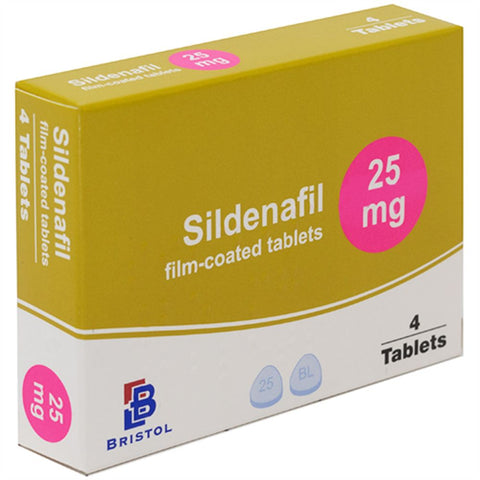
Common Questions
Can't find your answer? Our UK pharmacists review every consultation and can help.
Can bowel cancer itself cause erectile dysfunction?
Bowel cancer itself rarely causes ED directly, but the treatments—especially rectal surgery and pelvic radiotherapy—can damage nerves and blood vessels that control erections, and the psychological impact of diagnosis and treatment often affects sexual function.
How soon after bowel cancer surgery can I try ED treatment?
You should wait until your surgical wounds have healed and your oncologist or surgeon confirms you are well enough for sexual activity, usually a few weeks to a few months after surgery; early use of ED treatment may help maintain penile health even if full function has not returned.
Will my erections come back on their own after bowel cancer treatment?
Some men experience gradual improvement over 12–24 months as nerves recover, but many benefit from treatment in the meantime; waiting without support can lead to penile tissue changes that make later recovery harder.
Are PDE5 inhibitors safe if I have had chemotherapy or radiotherapy?
Yes, PDE5 inhibitors such as sildenafil and tadalafil are generally safe after chemotherapy or radiotherapy, provided you are not taking any interacting medicines and your doctor confirms you are well enough for sexual activity; your prescriber will review your full treatment history during consultation.
What if tablets do not work after bowel cancer surgery?
If oral PDE5 inhibitors are not effective—which can happen after nerve damage from surgery—other options include alprostadil cream or injections, vacuum erection devices, or referral to a specialist for further assessment and possible penile prosthesis.
Can I use ED treatment if I have a stoma?
Yes, having a stoma does not prevent you from using ED treatments; many men with stomas successfully use PDE5 inhibitors or other options, and discussing practical concerns with your stoma nurse or a psychosexual therapist can help build confidence.
Will ED treatment interact with medicines I take for other conditions after cancer?
Your prescriber will check every medicine you take during your consultation; PDE5 inhibitors must not be used with nitrates, nicorandil or riociguat, and caution is needed with alpha-blockers and some other drugs, but many common medicines can be used safely alongside ED treatment.
Should I see my GP before trying ED treatment after bowel cancer?
Yes, it is important to discuss ED with your GP or oncologist first to ensure your cancer is stable, rule out other causes such as low testosterone or medication side effects, and confirm you are fit for sexual activity; you can then use an online consultation service such as Cured Pharmacy for convenient prescription access.
Trusted by thousands
Real people, real results
“Fabulous service and quick delivery”
“Felt the effects of these after about 5 days. Erections are better and can get aroused and ready easier”
“Excellent value and brilliant customer service”
“I received excellent service and everything went well. The order arrived quickly and in perfect condition. It's working very well! Thank you to the whole team for the great work!”
“Delivery was good, the product lived up to expectations.”
Get Treatment in 3 Steps
Choose your treatment
Select from our recommended UK-licensed medications.
Answer quick questions
Select safe UK treatments. Quick answers.
Get it delivered fast
We will deliver direct to you as quickly as tomorrow.
Take the First Step Today
- Reviewed by UK-based prescribers
- Takes under 3 minutes
- Discreet Packaging

Medically reviewed by
Tarun Kumar, Superintendent Pharmacist (GPhC 2233073)