

When Are Cold Sores Most Contagious?

Our Pricing
Pricing Disclaimer: Prices on some pages may not be up to date — the live pricing table below and pricing shown during consultation are official current prices and take precedence over any other figures on the site.

When Are Cold Sores Most Contagious?
Published on: June 03, 2026
Understanding when are cold sores most contagious is essential for protecting your loved ones and managing outbreaks effectively. Cold sores caused by herpes simplex virus type 1 (HSV-1) are highly infectious during specific stages, particularly when blisters rupture and weep fluid. At Cured Pharmacy, our UK clinical team helps patients access fast-acting aciclovir treatment from £4.49 to reduce viral shedding and shorten contagious periods.
The Most Contagious Stages of Cold Sores
Cold sores progress through five distinct stages, but infectivity varies dramatically throughout the cycle. The highest viral load occurs during the vesicular (blister) and ulcerative (weeping) stages, typically days 2-5 of an outbreak [1]. During these phases, the fluid-filled blisters contain millions of viral particles that spread through direct contact or contaminated surfaces.
The tingling or prodromal stage (day 1) carries moderate contagion risk, as viral replication has already begun beneath the skin surface. Many patients don't realise they're infectious before visible symptoms appear, which contributes to HSV-1's 67% global prevalence in adults under 50 [2]. Once crusting begins (day 6-8), contagiousness decreases significantly, though the virus remains present until complete healing occurs.
Asymptomatic viral shedding presents an additional challenge — HSV-1 can be transmitted even without active lesions. Studies show viral shedding occurs on approximately 9-18% of days in infected individuals, though the quantity of virus is far lower than during symptomatic outbreaks [3]. This explains why many people contract HSV-1 from partners who have never experienced a visible cold sore.
How Long Are Cold Sores Contagious?
An untreated cold sore typically remains contagious for 7-10 days from the first tingling sensation until the scab falls off naturally [1]. However, early intervention with antiviral treatment can reduce this window substantially. Aciclovir cream applied at the first sign of symptoms may shorten the contagious period by 1-2 days and reduce viral shedding by up to 80% [4].
The contagious period extends beyond visible healing if you pick at scabs or touch the area frequently. Each time you disturb the lesion, you risk releasing viral particles and prolonging infectivity. Proper wound care and avoiding contact with the affected area are as important as antiviral therapy in limiting transmission risk.
Factors That Extend Contagiousness
Immunocompromised individuals may experience prolonged viral shedding lasting weeks rather than days. Patients taking immunosuppressants, those with HIV, or individuals undergoing chemotherapy should consult their GP about prophylactic antiviral therapy. Stress, illness, and sun exposure can also trigger more severe outbreaks with higher viral loads and extended contagious periods [2].
Preventing Cold Sore Transmission During Outbreaks
Preventing spread requires vigilance throughout the entire outbreak cycle. Avoid kissing, sharing utensils, towels, lip balms, or cosmetics from the first tingling sensation until the area has completely healed. The virus survives on hard surfaces for up to 8 hours and on fabric for several hours, making indirect transmission through contaminated objects a genuine risk [3].
Wash your hands thoroughly with soap and water after touching the affected area, applying medication, or eating. Use disposable cotton buds rather than fingers to apply aciclovir cream, and dispose of them immediately. If you wear contact lenses, never wet them with saliva during an outbreak — this can transfer HSV-1 to your eyes, causing herpetic keratitis, a serious complication requiring urgent medical attention.
Parents with active cold sores should take extra precautions around newborns and infants. Neonatal herpes, though rare, can be life-threatening. Avoid kissing babies, and wear a surgical mask if you need to provide close care during the contagious period. Always apply antiviral treatment as soon as symptoms begin to minimise viral load and protect vulnerable household members.
Safe Intimate Contact During Cold Sore Outbreaks
Oral-to-genital transmission of HSV-1 is increasingly common and now accounts for up to 50% of new genital herpes cases in young adults [2]. Abstain from oral sex entirely from the first tingling sensation until the cold sore has fully healed. Even with barrier protection, the virus can spread to areas not covered by condoms or dental dams. Partners should be informed of outbreak status to make informed decisions about their risk exposure.
When Can You Stop Worrying About Spreading Cold Sores?
You can resume normal contact once the cold sore has completely healed — no scab, no redness, and the skin has returned to its normal texture. This typically occurs 10-14 days after the first symptoms appear. However, remember that asymptomatic shedding means HSV-1 can still transmit between outbreaks, albeit at much lower rates [3].
If you experience frequent recurrences (six or more per year), speak to a UK prescriber about suppressive aciclovir therapy. Daily oral aciclovir 400mg twice daily can reduce outbreak frequency by 70-80% and decrease asymptomatic shedding, lowering transmission risk to partners [4]. This approach is particularly valuable for individuals in new relationships or those concerned about infecting family members.
Fast-Acting Aciclovir Treatment for Cold Sores
Aciclovir remains the gold-standard antiviral for managing HSV-1 outbreaks in the UK. Available as both topical cream and oral tablets, aciclovir works by inhibiting viral DNA replication, reducing the severity and duration of symptoms when applied early [4]. Numark Cold Sore Cream containing 5% aciclovir costs from £4.49 at Cured Pharmacy and should be applied five times daily at the first sign of tingling.
Oral aciclovir tablets (200mg or 400mg) offer systemic treatment for severe or frequent outbreaks. Prescription-strength oral aciclovir requires clinical assessment by a UK prescriber but provides superior viral suppression compared to topical formulations. Our online consultation takes under 3 minutes, and treatment can be dispensed the same day, ensuring you start therapy during the critical early window when antivirals are most effective.
Both formulations are licensed by the MHRA and dispensed by our UK-registered clinical team. Superintendent pharmacist Tarun Kumar (GPhC 2233073) oversees all prescribing decisions to ensure safe, appropriate treatment tailored to your medical history. Whether you need over-the-counter cream or prescription tablets, Cured Pharmacy provides discreet packaging and transparent upfront pricing with no hidden consultation fees.
When to Seek Medical Advice
Consult a healthcare professional if cold sores spread beyond the lip area, affect your eyes, persist longer than two weeks, or recur more than six times per year. Immunocompromised patients, pregnant women, and parents of newborns should seek guidance before using any antiviral treatment. While aciclovir is generally safe, individual circumstances may require adjusted dosing or alternative management strategies.
Understanding the Cold Sore Contagious Period
The contagious period begins before visible symptoms appear and extends until complete healing occurs. Peak infectivity coincides with the blister and weeping stages when viral loads are highest, but transmission risk exists throughout the entire outbreak cycle and during asymptomatic shedding periods [1][3].
Early antiviral intervention, strict hygiene practices, and avoiding direct contact during outbreaks form the cornerstone of transmission prevention. By understanding when cold sores are most contagious and acting promptly at the first tingling sensation, you can protect those around you while minimising the impact of HSV-1 on your daily life.
Cured Pharmacy's UK-registered clinical team provides expert guidance and fast access to aciclovir treatment, helping you manage outbreaks confidently and reduce contagion risk. Start your free online consultation today to receive personalised advice and genuine UK-licensed medication delivered discreetly to your door.
Scientific References
- Arduino, P. G., & Porter, S. R. (2008). Herpes Simplex Virus Type 1 infection: overview on relevant clinico-pathological features. Journal of Oral Pathology & Medicine, 37(2), 107–121. https://doi.org/10.1111/j.1600-0714.2007.00586.x [accessed 13 August 2026]
- James, C., et al. (2020). Herpes simplex virus: global infection prevalence and incidence estimate, 2016. Bulletin of the World Health Organization, 98(5), 315–329. https://doi.org/10.2471/BLT.19.237149 [accessed 13 August 2026]
- Miller, C. S., & Danaher, R. J. (2008). Asymptomatic shedding of herpes simplex virus (HSV) in the oral cavity. Oral Surgery, Oral Medicine, Oral Pathology, Oral Radiology, and Endodontology, 105(1), 43–50. https://doi.org/10.1016/j.tripleo.2007.06.011 [accessed 13 August 2026]
- Spruance, S. L., et al. (2002). Acyclovir cream for treatment of herpes simplex labialis: results of two randomized, double-blind, vehicle-controlled, multicenter clinical trials. Antimicrobial Agents and Chemotherapy, 46(7), 2238–2243. https://doi.org/10.1128/AAC.46.7.2238-2243.2002 [accessed 13 August 2026]
Information on this page is for educational purposes only and is not medical advice. All prescription treatments require clinical assessment by a UK-registered prescriber. Always consult a qualified healthcare professional before starting any new medication.
Trusted by thousands
Real people, real results
Jane L.
"Brilliant. Lost 4 stone on mounjaro no side effects at all. Cured pharmacy are excellent. Always helpful pens sent out quickly always comes with needles and sterile wipes. If you want to go on GLP-1 go to cured pharmacy. So professional. Thank you cured pharmacy you changed my health and well being."
Ann-Marie
"I absolutely love this product, I have been using 2.5mg as maintenance dose and have managed to control my weight without any side effects and can still eat well balanced meals. The pharmacy is very efficient friendly and helpful I would not purchase from anywhere else."
Sacha W.
"So far I'm really impressed by my results it's crazy cause I'm not snacking like how I used to do and I see my face slimming down already and it's only been 2 and a half weeks. Can't wait to give my feedback in 5 months time thank you cured pharmacy."
Kimberly G.
"Mounjaro has corrected my hormonal weight gain during menopause. I am using it now to maintain that balance. The results for me have been exceptional!"
Jennifer
"Great really helps cure those nasty habits can't wait for my next mounjaro pen."
How it Works?


Faq
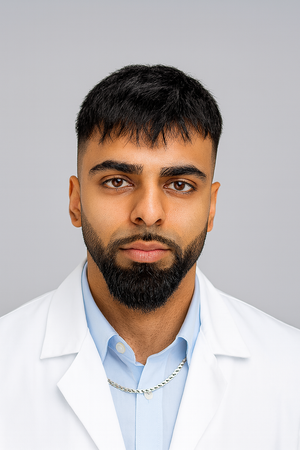
Medically reviewed by
Tarun Kumar, Prescribing Pharmacist (GPhC 2233073)
Reviewed on: June 03, 2026