

Cold Sore Treatment: What Not to Do or Take

Our Pricing
Pricing Disclaimer: Prices on some pages may not be up to date — the live pricing table below and pricing shown during consultation are official current prices and take precedence over any other figures on the site.

Cold Sore Treatment: What Not to Do or Take
Published on: June 03, 2026
Understanding what not to do with cold sores UK guidance can significantly reduce outbreak duration and prevent spreading the herpes simplex virus. At Cured Pharmacy, our clinical team sees patients make the same avoidable mistakes that prolong healing time and increase transmission risk. This guide outlines the critical errors to avoid during a cold sore outbreak.
Never Touch or Pick at Cold Sores
Touching an active cold sore is the most common mistake patients make, yet it significantly increases viral spread and healing time [1]. The herpes simplex virus type 1 (HSV-1) remains highly contagious in the fluid-filled blisters, and each touch transfers millions of viral particles to your fingers.
When you touch a cold sore and then touch other areas—your eyes, genitals, or broken skin elsewhere—you risk autoinoculation, spreading the infection to new sites [1]. Herpetic whitlow (finger infection) and ocular herpes are serious complications that result from poor hand hygiene during outbreaks.
Picking at scabs delays epithelial regeneration by 3-5 days on average and increases scarring risk [2]. The natural healing cascade requires undisturbed clot formation and collagen deposition. If you must apply treatment like aciclovir cream, wash hands thoroughly before and after, and use a cotton bud rather than fingers.
What Not to Do With Cold Sores: Sharing Personal Items
High-Risk Items During Active Outbreaks
Never share lip balm, lipstick, drinking glasses, cutlery, towels, or razors during an active outbreak. HSV-1 survives on hard surfaces for up to 8 hours and on fabric for several hours under optimal conditions [1]. A single shared drinking glass can transmit enough viral load to cause infection in a susceptible individual.
Replace your toothbrush immediately after the crusting stage begins—bristles harbour viral particles that can reinfect healing tissue or spread to family members who accidentally use your brush [2]. This simple step reduces recurrence risk by preventing viral reintroduction to the healing site.
Foods and Supplements That May Worsen Cold Sores
The arginine-lysine balance plays a documented role in HSV-1 replication, though clinical evidence remains mixed [3]. Arginine-rich foods—including chocolate, nuts (especially peanuts and almonds), seeds, and oats—may theoretically support viral replication in susceptible individuals, whilst lysine-rich foods like dairy, fish, and chicken may suppress it.
Highly acidic foods (citrus fruits, tomatoes, vinegar-based dressings) and salty snacks cause direct mechanical irritation to active lesions, increasing pain and potentially delaying healing [3]. During the blister and ulcer stages, avoid these irritants and choose soft, neutral-pH foods instead.
Excessive alcohol consumption suppresses immune function temporarily, potentially prolonging outbreak duration [4]. Moderation is advisable during active infections, as your immune system requires optimal function to control viral replication.
Dietary Strategies During Outbreaks
Focus on lysine-rich proteins (chicken, fish, plain yoghurt) and avoid arginine-heavy foods for the 7-10 day outbreak period. Stay well-hydrated with plain water rather than acidic juices. Some patients find lysine supplementation (1000-3000mg daily) helpful, though evidence quality is moderate [3].
Kissing and Intimate Contact Mistakes
Kissing or any oral contact during the prodromal phase (tingling before blisters appear) through complete scab healing transmits HSV-1 efficiently [1]. Viral shedding peaks during the blister stage but occurs throughout the entire outbreak cycle, including the final healing days when patients mistakenly believe they're no longer contagious.
Oral-genital contact during a cold sore outbreak can transmit HSV-1 to genital areas, causing genital herpes [1]. This cross-infection accounts for an increasing proportion of genital herpes cases in the UK, particularly among younger adults. Abstain from all oral-genital contact until lesions have completely healed and crusts have fallen off naturally.
Even after visible healing, asymptomatic viral shedding occurs in approximately 9-18% of days in HSV-1 positive individuals [4]. Whilst you cannot avoid all transmission risk indefinitely, the highest-risk period is during visible outbreaks when viral load is 100-1000 times higher than during asymptomatic shedding.
Treatment Application Errors to Avoid
Starting aciclovir cream too late is the most common treatment error. Antiviral creams like Numark Cold Sore Cream work best when applied at the first sign of tingling, ideally within the first hour of prodromal symptoms [2]. Once blisters have fully formed, topical antivirals provide minimal benefit—most studies show 0.5-1 day reduction in healing time when started late versus 1-2 days when started early.
Applying cream too infrequently reduces efficacy significantly. Aciclovir 5% cream requires application five times daily at roughly 4-hour intervals to maintain therapeutic tissue concentrations [2]. Missing applications allows viral replication to resume between doses. Set phone reminders if needed to maintain the dosing schedule for the full 5-day treatment course.
Never apply steroid creams (hydrocortisone, betamethasone) to active cold sores unless specifically prescribed by a doctor for a different indication [2]. Corticosteroids suppress local immune response, potentially worsening the outbreak and prolonging healing time. Some patients mistakenly use steroid creams thinking they'll reduce inflammation, but this approach is counterproductive for viral infections.
Proper Application Technique
Wash hands thoroughly, apply a small amount of aciclovir cream to a cotton bud, dab gently onto the affected area without rubbing, then discard the cotton bud and wash hands again immediately. This technique minimises viral spread whilst ensuring adequate medication delivery to the lesion.
Stress and Lifestyle Factors That Prolong Outbreaks
Ignoring stress management during an outbreak can significantly extend healing time and trigger subsequent recurrences [4]. Psychological stress elevates cortisol, which suppresses cell-mediated immunity—the primary defence against HSV-1 replication. In clinical studies, students during exam periods showed 2-3 times higher recurrence rates compared to low-stress periods.
Sleep deprivation impairs natural killer cell function and reduces interferon production, both critical for controlling viral infections [4]. Aim for 7-9 hours nightly during outbreaks. UV exposure without lip protection triggers cold sores in up to 27% of susceptible individuals [4]—never sunbathe or use tanning beds without SPF 30+ lip balm, and reapply every 2 hours.
Continuing intense exercise during severe outbreaks may prolong healing in some patients by temporarily redirecting immune resources [4]. Moderate activity is generally fine, but if you're experiencing systemic symptoms (fever, malaise), reduce intensity until the acute phase resolves. Listen to your body's signals rather than pushing through significant discomfort.
Scientific References
- Arduino, P. G., & Porter, S. R. (2008). Herpes Simplex Virus Type 1 infection: overview on relevant clinico-pathological features. Journal of Oral Pathology & Medicine, 37(2), 107-121. https://doi.org/10.1111/j.1600-0714.2007.00586.x [accessed 13 August 2026]
- Spruance, S. L., et al. (2002). Acyclovir cream for treatment of herpes simplex labialis: results of two randomized, double-blind, vehicle-controlled, multicenter clinical trials. Antimicrobial Agents and Chemotherapy, 46(7), 2238-2243. https://doi.org/10.1128/AAC.46.7.2238-2243.2002 [accessed 13 August 2026]
- Mailoo, V. J., & Rampes, S. (2017). Lysine for Herpes Simplex Prophylaxis: A Review of the Evidence. Integrative Medicine, 16(3), 42-46. PMID: 28814962 [accessed 13 August 2026]
- Glaser, R., & Kiecolt-Glaser, J. K. (1997). Chronic stress modulates the virus-specific immune response to latent herpes simplex virus type 1. Annals of Behavioral Medicine, 19(2), 78-82. https://doi.org/10.1007/BF02883323 [accessed 13 August 2026]
Information on this page is for educational purposes only and is not medical advice. All prescription treatments require clinical assessment by a UK-registered prescriber. Always consult a qualified healthcare professional before starting any new medication.
Trusted by thousands
Real people, real results
Jane L.
"Brilliant. Lost 4 stone on mounjaro no side effects at all. Cured pharmacy are excellent. Always helpful pens sent out quickly always comes with needles and sterile wipes. If you want to go on GLP-1 go to cured pharmacy. So professional. Thank you cured pharmacy you changed my health and well being."
Ann-Marie
"I absolutely love this product, I have been using 2.5mg as maintenance dose and have managed to control my weight without any side effects and can still eat well balanced meals. The pharmacy is very efficient friendly and helpful I would not purchase from anywhere else."
Sacha W.
"So far I'm really impressed by my results it's crazy cause I'm not snacking like how I used to do and I see my face slimming down already and it's only been 2 and a half weeks. Can't wait to give my feedback in 5 months time thank you cured pharmacy."
Kimberly G.
"Mounjaro has corrected my hormonal weight gain during menopause. I am using it now to maintain that balance. The results for me have been exceptional!"
Jennifer
"Great really helps cure those nasty habits can't wait for my next mounjaro pen."
How it Works?


Faq
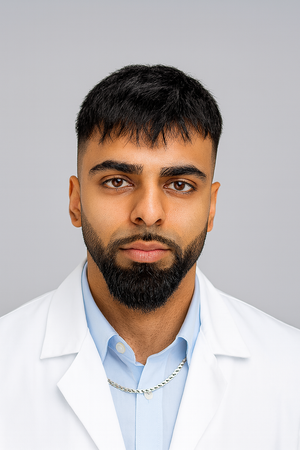
Medically reviewed by
Tarun Kumar, Prescribing Pharmacist (GPhC 2233073)
Reviewed on: June 03, 2026