


Vardenafil and Colchicine: Can You Take Them Together?
Learn about the interaction, what your prescriber checks, and how to use both medicines safely.
Takes less than 2 minutes to complete 100% online
Treatment Options
Pricing Disclaimer: Prices on some pages may not be up to date — the live pricing table below and pricing shown during consultation are official current prices and take precedence over any other figures on the site.
Not sure which one? Start a free consultation →
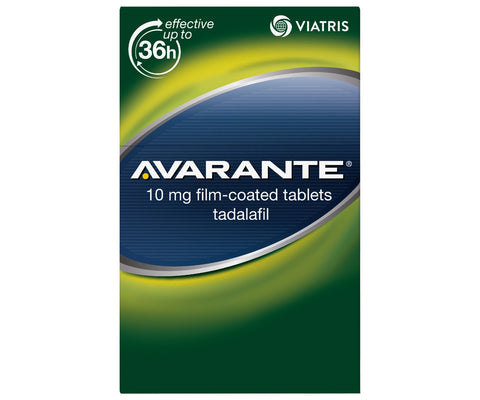
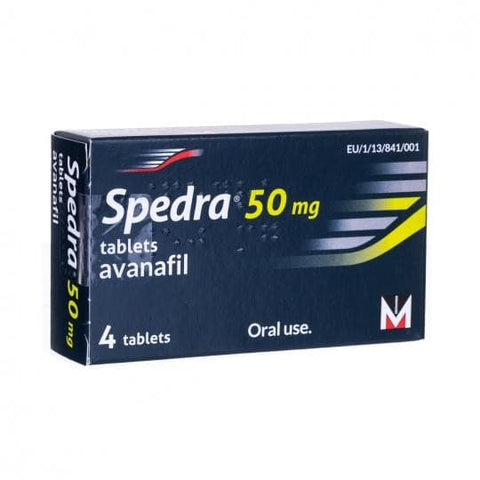
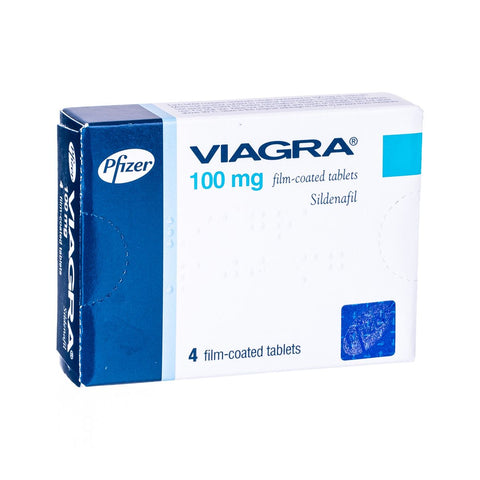
Vardenafil and Colchicine: Understanding the Interaction
Published: 29 October 2026
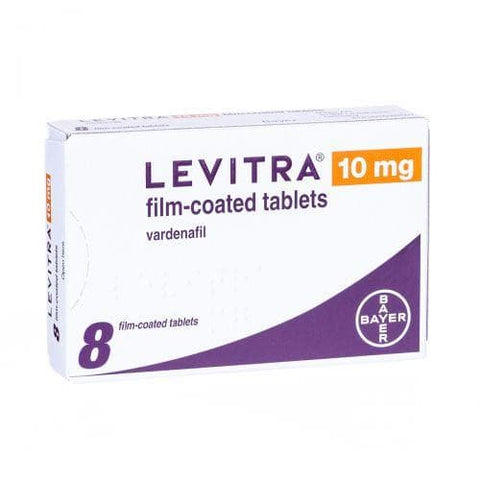
If you're prescribed vardenafil and colchicine, you may be wondering whether these two medicines can be taken together safely. The good news is that no major direct interaction between vardenafil (generic Levitra) and colchicine is commonly reported in UK prescribing guidance, but your prescriber will still review your full medication list during consultation to ensure the combination is appropriate for you. Both medicines are processed by the body in different ways, and understanding how they work helps you use them safely.
Declare all your medicines
Always list colchicine and any other medicines you are taking during your online consultation. This helps your prescriber choose the safest dose and treatment for you.
What is vardenafil and what does it treat?
Vardenafil is a prescription medicine used to treat erectile dysfunction (ED) in adult men. It belongs to a group of medicines called PDE5 inhibitors, which work by relaxing blood vessels in the penis, allowing increased blood flow when you are sexually aroused [3][5]. Vardenafil is the active ingredient in branded Levitra and is available as a generic medicine in the UK.
The usual doses are 5mg, 10mg, or 20mg tablets, taken about 25 to 60 minutes before sexual activity. You should not take vardenafil more than once a day, and it only works when you are sexually stimulated—it does not cause an automatic erection [5]. Vardenafil can help many men achieve and maintain an erection suitable for sexual activity, but it does not cure ED or increase sexual desire.
Like all PDE5 inhibitors, vardenafil is not suitable for everyone. It must not be taken with nitrates (such as GTN spray or isosorbide mononitrate), nicorandil, riociguat, or recreational drugs called 'poppers', because the combination can cause a dangerous drop in blood pressure [5]. Your prescriber will check your medical history and current medicines before prescribing vardenafil.
What is colchicine and why is it prescribed?
Colchicine is a prescription medicine most commonly used to treat and prevent gout attacks. Gout is a type of arthritis caused by a build-up of uric acid crystals in the joints, leading to sudden, severe pain, swelling, and redness, often in the big toe. Colchicine works by reducing inflammation and the movement of white blood cells to the affected area, which helps to ease the pain and swelling during a gout flare.
Colchicine is also sometimes prescribed for other inflammatory conditions, such as familial Mediterranean fever or pericarditis. The usual dose for treating a gout attack is 500 micrograms taken two to four times a day until symptoms improve, or a lower dose for prevention. It is important to follow your doctor's instructions carefully, as taking too much colchicine can cause serious side effects.
Common side effects of colchicine include nausea, vomiting, diarrhoea, and abdominal pain. More serious side effects, such as muscle weakness, numbness, or signs of infection, should be reported to your doctor immediately. Colchicine is processed by the liver and kidneys, and dose adjustments may be needed if you have kidney or liver problems.
How colchicine is processed in the body
Colchicine is broken down in the liver by enzymes, including one called CYP3A4, and is also transported out of cells by a protein called P-glycoprotein. Medicines that interfere with these pathways can increase colchicine levels in the blood, raising the risk of side effects. This is why your prescriber will check for interactions with other medicines you are taking, especially antibiotics, antifungals, and some heart medicines.
When to get urgent help
- Erection lasting more than four hours (priapism) — go to A&E or call 999 immediately
- Sudden loss of vision in one or both eyes — stop vardenafil and seek urgent medical help
- Sudden decrease or loss of hearing, sometimes with ringing in the ears or dizziness
- Chest pain during or after sex — do not use nitrate medicines; tell paramedics you have taken vardenafil
- Severe or bloody diarrhoea, muscle weakness, numbness, or signs of infection while taking colchicine
Call 999 or go to A&E in an emergency, or contact NHS 111 for urgent advice.
Vardenafil and colchicine: is there an interaction?
No major direct interaction between vardenafil and colchicine is commonly reported in UK prescribing guidance. Vardenafil is primarily broken down by the liver enzyme CYP3A4, while colchicine is also processed by CYP3A4 and transported by P-glycoprotein [5]. However, vardenafil does not significantly inhibit or induce these pathways in a way that would be expected to raise colchicine levels to a dangerous degree in most people.
That said, your prescriber will still review your full medication list during the online consultation to ensure the combination is safe for you personally. Individual factors such as kidney or liver function, other medicines you are taking, and your overall health can all influence how these medicines work in your body. It is essential to declare all your current medicines, including over-the-counter products and supplements, when you complete your consultation.
If you are taking other medicines that strongly inhibit CYP3A4—such as certain antibiotics (clarithromycin), antifungals (ketoconazole, itraconazole), or HIV medicines (ritonavir, cobicistat)—your prescriber will need to consider the combined effect on both vardenafil and colchicine. In such cases, vardenafil may be contraindicated or require a dose adjustment, and colchicine doses may also need to be reduced [5].
What your prescriber checks before approving vardenafil and colchicine together
When you request vardenafil through Cured Pharmacy's online consultation, a UK-registered prescriber will review your medical history and all current medicines, including colchicine. They will check for any contraindications to vardenafil, such as recent heart attack or stroke, unstable angina, severe heart failure, very low blood pressure, or use of nitrates, nicorandil, or riociguat [5].
The prescriber will also assess your kidney and liver function, as both vardenafil and colchicine are processed by these organs. If you have moderate to severe kidney or liver impairment, dose adjustments or alternative treatments may be needed. Your prescriber will also review any other medicines you are taking that might interact with vardenafil, such as alpha-blockers (e.g. tamsulosin, doxazosin), which can increase the risk of low blood pressure and dizziness [5].
It is important to be honest and thorough when completing your consultation. Do not leave out any medicines, even if you think they are unrelated to ED. If your prescriber identifies any concerns, they may suggest a lower starting dose, recommend an alternative ED treatment, or advise you to discuss the combination with your GP. Never take vardenafil if it has not been prescribed for you, and do not stop or change your colchicine dose without medical advice.
Declaring all your medicines during consultation
The online consultation form will ask you to list all prescription medicines, over-the-counter products, herbal remedies, and supplements you are currently taking. This includes colchicine, any medicines for high blood pressure, heart conditions, diabetes, or mental health, and even occasional treatments such as antibiotics or antifungals. Accurate information helps the prescriber make a safe decision about your treatment.
At a glance
Practical advice for taking vardenafil and colchicine safely
If your prescriber approves vardenafil while you are taking colchicine, follow the dosing instructions for both medicines carefully. Take vardenafil about 25 to 60 minutes before you plan to have sex, and do not take more than one dose in 24 hours [5]. Swallow the tablet whole with water, and avoid taking it with a large or high-fat meal, as this can delay how quickly it works.
Continue taking your colchicine exactly as prescribed by your doctor. If you are taking colchicine to prevent gout attacks, do not stop it without medical advice, even if you feel well. If you experience a gout flare while taking vardenafil, follow your doctor's instructions for treating the attack—this may involve a higher dose of colchicine for a short period. Report any new or worsening symptoms to your doctor or pharmacist.
Avoid drinking large amounts of alcohol when taking vardenafil, as alcohol can make erectile dysfunction worse and increase the risk of side effects such as dizziness, headache, and low blood pressure [5]. Grapefruit juice can also raise vardenafil levels in the blood, so it is best to avoid it. If you experience side effects from either medicine, such as severe diarrhoea from colchicine or a prolonged erection from vardenafil, seek medical advice promptly.
Warning signs and when to seek urgent help with vardenafil and colchicine
While serious side effects are uncommon, it is important to know the warning signs that require urgent medical attention. If you experience an erection lasting more than four hours (priapism) after taking vardenafil, go to A&E immediately or call 999. Priapism is a medical emergency that can cause permanent damage to the penis if not treated quickly [5].
Sudden loss of vision in one or both eyes, or sudden decrease or loss of hearing (sometimes with ringing in the ears or dizziness), are rare but serious side effects of PDE5 inhibitors. Stop taking vardenafil and seek urgent medical help if this happens [5]. If you experience chest pain during or after sex, do not use nitrate medicines such as GTN spray—tell the paramedics or doctor that you have taken vardenafil.
With colchicine, seek urgent help if you develop signs of serious toxicity, such as severe or bloody diarrhoea, muscle weakness, numbness or tingling, unusual bruising or bleeding, or signs of infection (fever, sore throat). These may indicate that colchicine levels are too high, especially if you are also taking other medicines that interact with it. Always keep your prescriber and pharmacist informed of any new symptoms or concerns.
Reporting side effects to your healthcare team
If you experience any side effects from vardenafil or colchicine, even if they are not listed in the patient information leaflet, report them to your doctor or pharmacist. You can also report side effects directly via the UK Yellow Card Scheme at www.mhra.gov.uk/yellowcard. Reporting helps improve the safety information available for these medicines.
In summary
- No major direct interaction between vardenafil and colchicine is commonly reported in UK prescribing guidance.
- Your prescriber reviews your full medication list to ensure the combination is safe for you personally.
- Declare all medicines, including colchicine and gout treatments, during your online consultation.
- Seek urgent help for an erection lasting over four hours or sudden vision or hearing loss.
- Continue taking colchicine as prescribed and report any new symptoms to your doctor or pharmacist.
Scientific References
- NHS. (n.d.). Erectile dysfunction (impotence). NHS website. https://www.nhs.uk/conditions/erection-problems-erectile-dysfunction/ [accessed 29 October 2026]
- Joint Formulary Committee. (n.d.). Sildenafil. British National Formulary. NICE. https://bnf.nice.org.uk/drugs/sildenafil/ [accessed 29 October 2026]
- Joint Formulary Committee. (n.d.). Vardenafil. British National Formulary. NICE. https://bnf.nice.org.uk/drugs/vardenafil/ [accessed 29 October 2026]
Information on this page is for educational purposes only and is not medical advice. Prescription treatments require clinical assessment by a UK-registered prescriber. Always consult a qualified healthcare professional before starting or changing any medication.
Trusted by thousands
Real people, real results
“Fabulous service and quick delivery”
“Felt the effects of these after about 5 days. Erections are better and can get aroused and ready easier”
“Excellent value and brilliant customer service”
“I received excellent service and everything went well. The order arrived quickly and in perfect condition. It's working very well! Thank you to the whole team for the great work!”
“Delivery was good, the product lived up to expectations.”
Your Path to Treatment


Ready to Speak to a Pharmacist?
- Reviewed by UK-based prescribers
- Takes under 3 minutes
- Discreet Packaging
Frequently Asked Questions

Medically reviewed by
Tarun Kumar, Superintendent Pharmacist (GPhC 2233073)