


Tadalafil and Salmeterol: Can You Take Them Together?
Learn about the interaction between tadalafil for ED and salmeterol inhalers, with UK pharmacist guidance.
Takes less than 2 minutes to complete 100% online
Tadalafil and Salmeterol: Understanding the Interaction
Published: 25 October 2026
Many men wonder whether tadalafil and salmeterol can be taken together safely. Tadalafil is a prescription medicine used to treat erectile dysfunction (ED), while salmeterol is a long-acting bronchodilator inhaler used for asthma and chronic obstructive pulmonary disease (COPD). The good news is that no major interaction between these two medicines is commonly reported, but your prescriber will always check your full medication list during your consultation to ensure tadalafil is suitable for you.
Always Declare Your Inhalers
During your online consultation, list all your respiratory medicines, including inhalers and tablets. This helps the prescriber ensure tadalafil is safe and check for any other interactions with your current treatment.
What Is Tadalafil and How Does It Work?
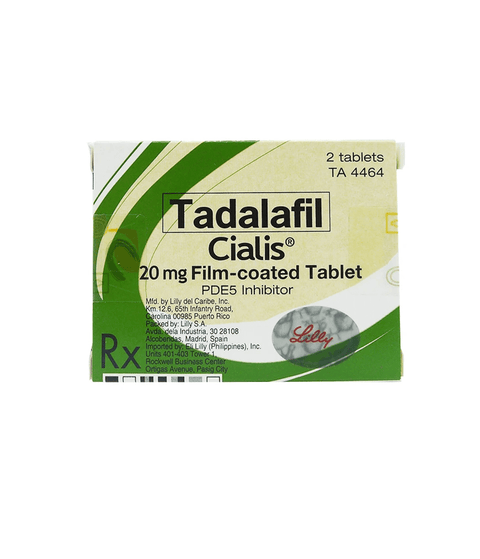
Tadalafil is a phosphodiesterase type 5 (PDE5) inhibitor licensed in the UK for the treatment of erectile dysfunction [4]. It works by relaxing the blood vessels in the penis, allowing more blood to flow in when you are sexually aroused. This helps you get and keep an erection suitable for sexual activity.
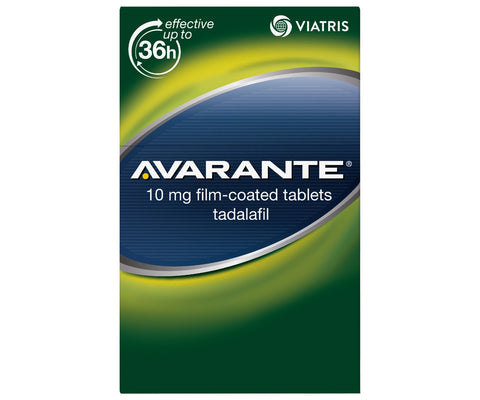
Tadalafil is available in two forms: on-demand tablets (10mg or 20mg) taken at least 30 minutes before sex, with effects lasting up to 36 hours, and daily tablets (2.5mg or 5mg) taken once a day [4]. Both require sexual stimulation to work—tadalafil will not cause an erection on its own.
Common brand names include Cialis (the original branded version) and various generic versions. At Cured Pharmacy, tadalafil is available after an online consultation reviewed by a UK-registered prescriber. The medicine is not suitable for everyone, particularly those taking nitrates, nicorandil, riociguat, or another PDE5 inhibitor, as these combinations can cause a dangerous drop in blood pressure [4].
What Is Salmeterol and What Is It Used For?
Salmeterol is a long-acting beta-2 agonist (LABA) bronchodilator used to manage asthma and chronic obstructive pulmonary disease (COPD). It works by relaxing the muscles in the airways, making breathing easier over a prolonged period—typically 12 hours per dose.
Salmeterol is usually prescribed as an inhaler and is often combined with an inhaled corticosteroid (such as fluticasone) in products like Seretide or Serevent. It is not a rescue inhaler for sudden breathing problems; instead, it is used regularly to prevent symptoms and improve lung function over time.
Because salmeterol acts on the respiratory system and tadalafil acts primarily on blood vessels in the penis, the two medicines work through different mechanisms in different parts of the body. This is why no major interaction between tadalafil and salmeterol is commonly reported in clinical practice or the British National Formulary [4].
When to get urgent help
- Erection lasting longer than four hours (priapism)
- Sudden loss of vision in one or both eyes
- Sudden decrease or loss of hearing
- Chest pain during or after sexual activity
- Severe breathlessness or worsening asthma symptoms
Call 999 or go to A&E in an emergency, or contact NHS 111 for urgent advice.
Is There an Interaction Between Tadalafil and Salmeterol?
No major interaction between tadalafil and salmeterol is commonly reported [4]. These medicines work through different pathways: tadalafil inhibits the PDE5 enzyme in blood vessels, while salmeterol stimulates beta-2 receptors in the airways. They do not significantly affect each other's metabolism or action.
However, both medicines can have effects on the cardiovascular system. Tadalafil can lower blood pressure slightly, and salmeterol (like other beta-agonists) can occasionally cause a fast or irregular heartbeat, tremor, or palpitations, particularly at higher doses or when first started. If you have heart disease or take other medicines that affect blood pressure or heart rhythm, your prescriber will assess whether tadalafil is safe for you.
During your online consultation at Cured Pharmacy, you will be asked about all your current medicines, including inhalers and any other treatments for asthma or COPD. The prescriber will review your full medical history to ensure tadalafil is appropriate and to check for any other interactions or contraindications [2].
What Your Prescriber Will Check
Your prescriber will ask about your respiratory condition, how well controlled it is, and whether you have any heart or blood pressure problems. They will also check for medicines that do interact seriously with tadalafil, such as nitrates (GTN spray, isosorbide mononitrate), nicorandil, riociguat, or alpha-blockers like doxazosin or tamsulosin [4]. If you take any of these, tadalafil may not be suitable, or a lower starting dose may be needed.
Other Asthma and COPD Medicines: Do They Interact with Tadalafil?
Most asthma and COPD medicines do not interact significantly with tadalafil. Short-acting beta-agonists (such as salbutamol), inhaled corticosteroids (such as beclometasone or fluticasone), long-acting muscarinic antagonists (such as tiotropium), and leukotriene receptor antagonists (such as montelukast) are not known to cause problems when taken with PDE5 inhibitors [4].
Oral corticosteroids (such as prednisolone) and theophylline are also not reported to interact with tadalafil in a clinically significant way. However, theophylline can cause side effects such as palpitations or nausea, and your prescriber will want to know if you are taking it.
If you are prescribed a potent CYP3A4 inhibitor antibiotic (such as clarithromycin) for a chest infection, this can raise tadalafil levels in your blood and may require a lower dose of tadalafil or temporary avoidance [4]. Always tell your prescriber and pharmacist about any new medicines, including short courses of antibiotics or antifungals.
At a glance
Practical Advice: Taking Tadalafil and Salmeterol Together
If you have been prescribed both tadalafil and salmeterol, continue to use your inhaler exactly as directed by your doctor or respiratory specialist. Do not stop or change your asthma or COPD treatment without medical advice, as this could make your breathing worse.
Take tadalafil as prescribed—either on-demand (at least 30 minutes before sexual activity) or once daily, depending on the dose and formulation [4]. Swallow the tablet whole with water, and remember that sexual stimulation is needed for it to work. Do not take more than one dose in 24 hours.
If you experience any new or worsening symptoms after starting tadalafil—such as dizziness, chest pain, palpitations, or difficulty breathing—stop taking tadalafil and seek medical advice promptly. While these symptoms are uncommon, it is important to report them to your GP or pharmacist so they can review your treatment.
Lifestyle Tips for ED and Respiratory Health
Smoking is a major risk factor for both erectile dysfunction and worsening asthma or COPD [1]. Stopping smoking can improve your erections, your lung function, and your overall health. The NHS offers free support through local stop-smoking services. Keeping physically active, eating a balanced diet, and managing stress can also help both conditions. If you drink alcohol, do so in moderation, as heavy drinking can make ED worse and interact with tadalafil to lower blood pressure further [1].
When to Seek Medical Help and What to Watch For
Tadalafil is generally well tolerated, but like all medicines it can cause side effects. Common ones include headache, indigestion, back pain, muscle aches, flushing, and a blocked or runny nose [4]. These are usually mild and go away on their own.
Seek urgent medical help if you develop an erection that lasts longer than four hours (priapism), sudden loss of vision in one or both eyes, or sudden decrease or loss of hearing [4]. These are rare but serious side effects. If you experience chest pain during or after sex, stop and seek medical advice—do not take nitrate medicines (such as GTN spray) if you have used tadalafil in the past 48 hours, as this can cause a dangerous drop in blood pressure [4].
If your asthma or COPD symptoms worsen, or you develop a chest infection, see your GP or asthma nurse. They may need to adjust your inhaler treatment or prescribe antibiotics. Always tell any healthcare professional that you are taking tadalafil, especially if you need treatment in hospital or are prescribed new medicines [2].
Reporting Side Effects
If you experience any side effects from tadalafil or salmeterol, talk to your doctor or pharmacist. You can also report side effects directly via the UK Yellow Card Scheme at https://yellowcard.mhra.gov.uk or by searching for 'MHRA Yellow Card' in the Google Play or Apple App Store. Reporting helps improve the safety information available for all medicines.
In summary
- No major interaction between tadalafil and salmeterol is commonly reported
- Your prescriber checks all your medicines during the online consultation
- Continue using your asthma or COPD inhalers exactly as prescribed
- Some antibiotics can raise tadalafil levels; tell your doctor you take it
- Seek urgent help for erections lasting over four hours or sudden vision loss
Scientific References
- NHS. (n.d.). Erectile dysfunction (impotence). NHS website. https://www.nhs.uk/conditions/erection-problems-erectile-dysfunction/ [accessed 25 October 2026]
- National Institute for Health and Care Excellence. (n.d.). Erectile dysfunction. Clinical Knowledge Summaries. https://cks.nice.org.uk/topics/erectile-dysfunction/ [accessed 25 October 2026]
- Joint Formulary Committee. (n.d.). Tadalafil. British National Formulary. NICE. https://bnf.nice.org.uk/drugs/tadalafil/ [accessed 25 October 2026]
Information on this page is for educational purposes only and is not medical advice. Prescription treatments require clinical assessment by a UK-registered prescriber. Always consult a qualified healthcare professional before starting or changing any medication.
Our ED Treatments
Pricing Disclaimer: Prices on some pages may not be up to date — the live pricing table below and pricing shown during consultation are official current prices and take precedence over any other figures on the site.
Not sure which one? Start a free consultation →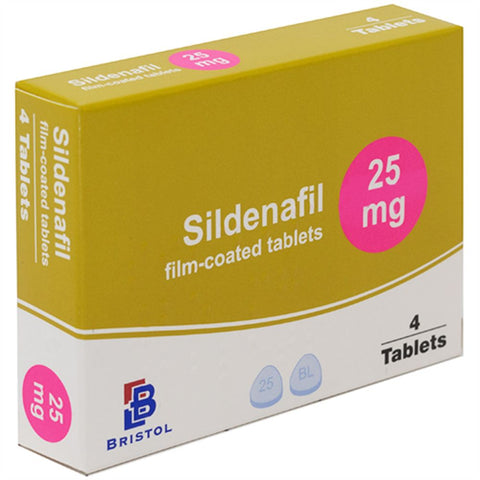
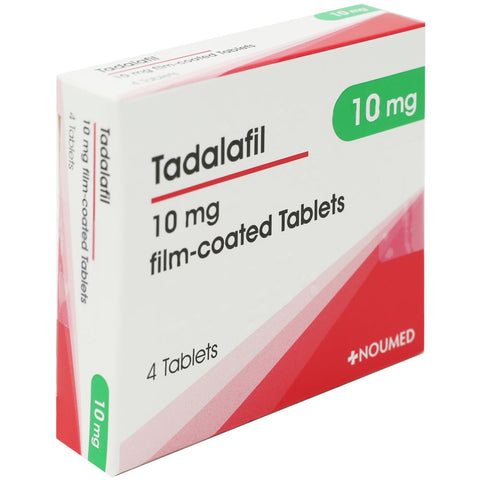
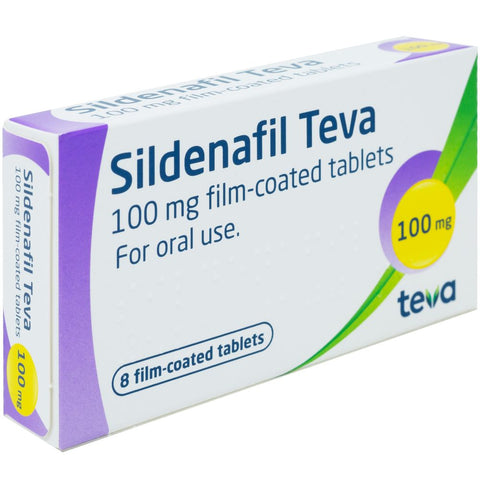
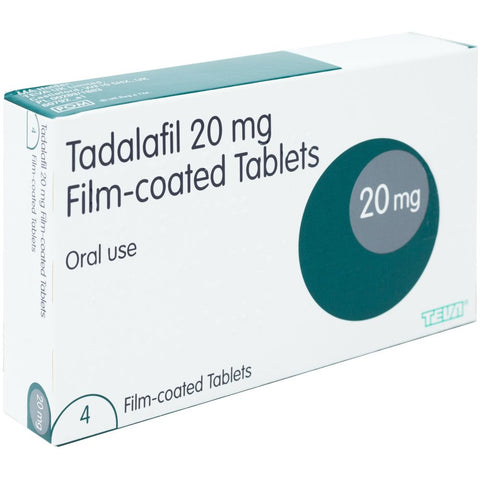
Faq
Trusted by thousands
Real people, real results
“Fabulous service and quick delivery”
“Felt the effects of these after about 5 days. Erections are better and can get aroused and ready easier”
“Excellent value and brilliant customer service”
“I received excellent service and everything went well. The order arrived quickly and in perfect condition. It's working very well! Thank you to the whole team for the great work!”
“Delivery was good, the product lived up to expectations.”
How it Works?
Choose your treatment
Select from our recommended UK-licensed medications.
Answer quick questions
Select safe UK treatments. Quick answers.
Get it delivered fast
We will deliver direct to you as quickly as tomorrow.
Start Your Assessment For Erectile Dysfunction
- Reviewed by UK-based prescribers
- Takes under 3 minutes
- Discreet Packaging

Medically reviewed by
Tarun Kumar, Superintendent Pharmacist (GPhC 2233073)