

Tadalafil and Lofexidine: Can They Be Taken Together?
Learn about the interaction, what your prescriber checks, and how to take both medicines safely.
Takes less than 2 minutes to complete 100% online

Treatment Options
Pricing Disclaimer: Prices on some pages may not be up to date — the live pricing table below and pricing shown during consultation are official current prices and take precedence over any other figures on the site.
Not sure which one? Start a free consultation →
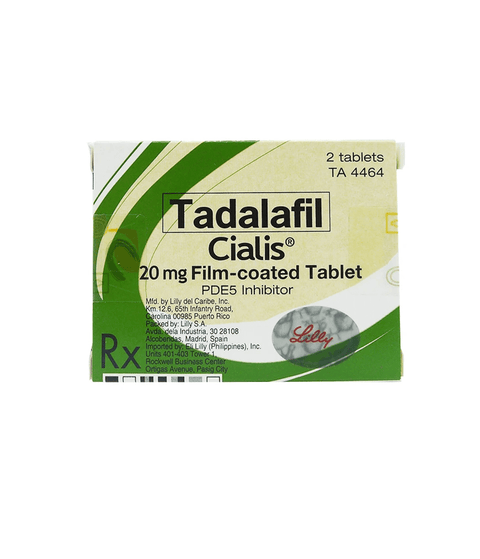
Tadalafil and Lofexidine: Understanding the Interaction
Published: 22 October 2026
If you're considering tadalafil and lofexidine together, it's important to understand how these medicines interact. Tadalafil is a PDE5 inhibitor used to treat erectile dysfunction, while lofexidine is prescribed to help manage symptoms during opioid withdrawal. Both medicines can lower blood pressure, so combining them requires careful assessment by your prescriber to ensure the combination is safe for you.
Key takeaways
- Tadalafil and lofexidine can both lower blood pressure, so combining them requires careful prescriber assessment.
- Your prescriber will check your blood pressure and may start tadalafil at a lower dose if you're taking lofexidine.
- Stand up slowly, avoid alcohol, and stay hydrated to reduce the risk of dizziness or fainting.
- Always declare lofexidine and all other medicines during your online consultation for safe prescribing.
What is tadalafil and how does it work?
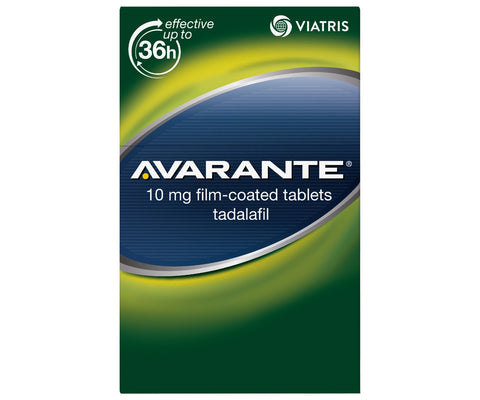
Tadalafil is a prescription medicine licensed in the UK to treat erectile dysfunction (ED). It belongs to a group of medicines called PDE5 inhibitors, which work by relaxing blood vessels in the penis, allowing increased blood flow when you're sexually aroused [3][4]. Tadalafil is the active ingredient in branded Cialis and is also available as a generic medicine.
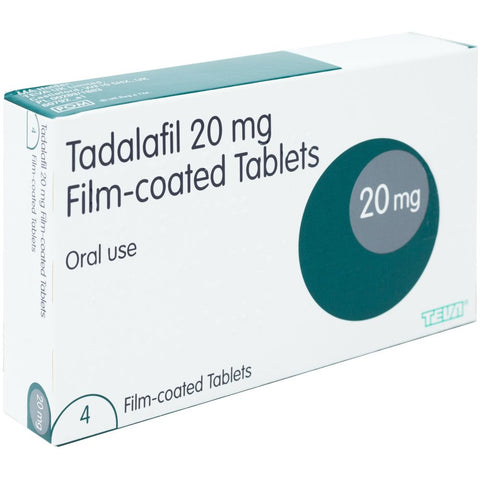
Tadalafil comes in two main forms: on-demand tablets (10mg or 20mg) taken at least 30 minutes before sexual activity, with effects lasting up to 36 hours, and daily low-dose tablets (2.5mg or 5mg) taken once a day [4]. All PDE5 inhibitors require sexual stimulation to work—they don't cause an automatic erection.
Because tadalafil affects blood vessels throughout the body, it can lower blood pressure slightly. This is usually well tolerated, but it means tadalafil can interact with other medicines that also affect blood pressure, including lofexidine [4]. Your prescriber will check your full medical history and current medicines before prescribing tadalafil.
What is lofexidine and why is it prescribed?
Lofexidine is a prescription medicine used to help manage the symptoms of opioid withdrawal. It's typically prescribed as part of a supervised withdrawal programme when someone is stopping opioid medicines or substances. Lofexidine works by acting on receptors in the brain that help reduce withdrawal symptoms such as sweating, anxiety, muscle aches, and restlessness.
One of the key effects of lofexidine is that it lowers blood pressure and can slow the heart rate. This is why blood pressure and heart rate are monitored regularly during lofexidine treatment. The medicine is usually started at a low dose and adjusted carefully based on how you respond and any side effects you experience.
Common side effects of lofexidine include low blood pressure (which can cause dizziness or fainting, especially when standing up), drowsiness, dry mouth, and bradycardia (slow heart rate). Because of its blood-pressure-lowering effects, lofexidine can interact with other medicines that also reduce blood pressure, including tadalafil.
How lofexidine affects blood pressure
Lofexidine's main mechanism involves reducing the activity of the sympathetic nervous system, which normally keeps blood pressure and heart rate elevated. By dampening this system, lofexidine helps ease withdrawal symptoms but also causes blood pressure to drop. This effect is dose-dependent—higher doses of lofexidine are more likely to cause significant blood pressure reductions. Your prescriber will monitor you closely, especially when starting treatment or increasing the dose.
At a glance
The interaction between tadalafil and lofexidine
When tadalafil and lofexidine are taken together, the main concern is an additive effect on blood pressure. Both medicines can lower blood pressure independently, so combining them may increase the risk of hypotension (low blood pressure), which can cause dizziness, light-headedness, fainting, or falls [4].
This interaction is not an absolute contraindication—meaning the medicines are not strictly forbidden together—but it does require careful prescriber assessment. Your doctor or prescriber will need to consider your baseline blood pressure, how stable you are on lofexidine, whether you have any heart or circulation problems, and whether you're taking any other medicines that affect blood pressure.
If your prescriber decides tadalafil is appropriate for you while you're taking lofexidine, they may start you on the lowest effective dose of tadalafil and monitor you for signs of low blood pressure. It's essential to be honest about all medicines you're taking, including lofexidine, during your consultation. Never take tadalafil without declaring lofexidine, as this could put your safety at risk.
How the blood pressure effect works
Tadalafil relaxes smooth muscle in blood vessel walls, which lowers resistance and allows blood to flow more easily—this is how it helps with erections, but it also causes a mild drop in overall blood pressure [4]. Lofexidine reduces the signals that keep blood vessels constricted and the heart pumping strongly, also lowering blood pressure. When both effects occur together, the drop in blood pressure can be more pronounced, especially when moving from sitting to standing (orthostatic hypotension).
What your prescriber will check before prescribing tadalafil and lofexidine
Before prescribing tadalafil to someone taking lofexidine, a UK prescriber will carry out a thorough assessment. They will ask about your current blood pressure, any history of fainting or dizziness, heart conditions, and all other medicines you're taking. They'll want to know how long you've been on lofexidine, what dose you're taking, and whether your dose is stable or still being adjusted.
Your prescriber will also check whether you've experienced any side effects from lofexidine, particularly dizziness or low blood pressure. If you're already experiencing these symptoms, adding tadalafil may not be advisable. They'll assess whether sexual activity is safe for you, as this is an important consideration for anyone with cardiovascular concerns [2][4].
If tadalafil is deemed appropriate, your prescriber may recommend starting with a lower dose (such as tadalafil 10mg on-demand rather than 20mg) and advising you to take extra care when standing up quickly. They may also suggest avoiding alcohol, which can further lower blood pressure and worsen dizziness. Always follow your prescriber's instructions and report any new or worsening symptoms promptly.
Stand up slowly
Both tadalafil and lofexidine can lower blood pressure, especially when moving from sitting or lying to standing. Take your time when getting up to avoid dizziness or falls.
Practical advice for taking tadalafil and lofexidine safely
If your prescriber has approved tadalafil while you're taking lofexidine, there are several practical steps you can take to minimise the risk of low blood pressure. Stand up slowly from sitting or lying down, especially after taking either medicine. Sit on the edge of the bed for a moment before standing to allow your circulation to adjust.
Avoid drinking alcohol or limit it to small amounts, as alcohol can add to the blood-pressure-lowering effects of both medicines and make dizziness worse. Stay well hydrated, as dehydration can also contribute to low blood pressure. If you feel dizzy or light-headed, sit or lie down immediately and wait for the feeling to pass before trying to stand again.
Take tadalafil exactly as prescribed—do not take more than the recommended dose or take it more frequently than advised. If you're using on-demand tadalafil, remember that its effects can last up to 36 hours, so you should not take another dose within that time [4]. Keep all follow-up appointments with your prescriber or GP so they can monitor how you're responding to the combination and adjust treatment if needed.
When to contact your doctor
Contact your doctor or prescriber if you experience persistent dizziness, fainting, unusually low energy, or if you feel your heart is beating unusually slowly or irregularly. These could be signs that your blood pressure is too low or that the combination of medicines needs to be reviewed. Do not stop taking lofexidine suddenly without medical advice, as this can cause withdrawal symptoms to return. Your prescriber can adjust doses or suggest alternative ED treatments if the combination isn't working well for you.
Other medicines that interact with tadalafil
Tadalafil has several important interactions beyond lofexidine. You must never take tadalafil with nitrates (such as GTN spray, isosorbide mononitrate, or isosorbide dinitrate), nicorandil, riociguat, or recreational drugs called 'poppers' (amyl or alkyl nitrites). Combining tadalafil with any of these can cause a dangerous, potentially life-threatening drop in blood pressure [3][4].
Alpha-blockers (such as doxazosin, tamsulosin, or alfuzosin), often prescribed for prostate problems or high blood pressure, can also interact with tadalafil by lowering blood pressure. If you take an alpha-blocker, your prescriber will ensure you're stable on it and will start tadalafil at the lowest dose [4]. Other blood-pressure medicines, including ACE inhibitors, calcium-channel blockers, and diuretics, may also add to tadalafil's blood-pressure-lowering effect.
Some medicines that affect liver enzymes can alter how your body processes tadalafil. Potent CYP3A4 inhibitors (such as ritonavir, ketoconazole, itraconazole, or clarithromycin) can increase tadalafil levels, requiring dose adjustments. CYP3A4 inducers (such as rifampicin, carbamazepine, phenytoin, or St John's wort) can reduce tadalafil's effectiveness [4]. Always tell your prescriber about every medicine, supplement, or herbal remedy you take.
When to get urgent help
- You faint or feel severely dizzy after taking tadalafil and lofexidine together
- You experience chest pain or discomfort during or after sexual activity
- You have an erection lasting more than 4 hours (priapism)—go to A&E immediately
- You develop sudden loss of vision or hearing after taking tadalafil
- Your heart rate feels unusually slow or irregular, or you feel extremely unwell
Call 999 or go to A&E in an emergency, or contact NHS 111 for urgent advice.
Scientific References
- National Institute for Health and Care Excellence. (n.d.). Erectile dysfunction. Clinical Knowledge Summaries. https://cks.nice.org.uk/topics/erectile-dysfunction/ [accessed 22 October 2026]
- Joint Formulary Committee. (n.d.). Sildenafil. British National Formulary. NICE. https://bnf.nice.org.uk/drugs/sildenafil/ [accessed 22 October 2026]
- Joint Formulary Committee. (n.d.). Tadalafil. British National Formulary. NICE. https://bnf.nice.org.uk/drugs/tadalafil/ [accessed 22 October 2026]
- NHS. (n.d.). Erectile dysfunction (impotence). https://www.nhs.uk/conditions/erection-problems-erectile-dysfunction/ Accessed 22 October 2026.
Information on this page is for educational purposes only and is not medical advice. Prescription treatments require clinical assessment by a UK-registered prescriber. Always consult a qualified healthcare professional before starting or changing any medication.
Trusted by thousands
Real people, real results
“Fabulous service and quick delivery”
“Felt the effects of these after about 5 days. Erections are better and can get aroused and ready easier”
“Excellent value and brilliant customer service”
“I received excellent service and everything went well. The order arrived quickly and in perfect condition. It's working very well! Thank you to the whole team for the great work!”
“Delivery was good, the product lived up to expectations.”
Your Path to Treatment
Choose your treatment
Select from our recommended UK-licensed medications.
Answer quick questions
Select safe UK treatments. Quick answers.
Get it delivered fast
We will deliver direct to you as quickly as tomorrow.
Ready to Speak to a Pharmacist?
- Reviewed by UK-based prescribers
- Takes under 3 minutes
- Discreet Packaging
Frequently Asked Questions
Can't find your answer? Our UK pharmacists review every consultation and can help.
Can I take tadalafil if I'm on lofexidine for opioid withdrawal?
Tadalafil may be prescribed while you're taking lofexidine, but only after a careful assessment by your prescriber. Both medicines can lower blood pressure, so your prescriber will check your blood pressure, current symptoms, and overall health before deciding if tadalafil is safe for you.
Will tadalafil and lofexidine make me feel dizzy?
Both medicines can cause dizziness, especially when standing up quickly, because they lower blood pressure. If your prescriber approves the combination, stand up slowly, stay hydrated, and avoid alcohol to reduce the risk of dizziness or fainting.
What dose of tadalafil is safest with lofexidine?
Your prescriber will decide the appropriate dose based on your individual circumstances. They may start with a lower dose, such as tadalafil 10mg on-demand, and monitor how you respond before considering any adjustments.
Can I drink alcohol while taking tadalafil and lofexidine?
It's best to avoid alcohol or limit it to small amounts, as alcohol can further lower blood pressure and increase the risk of dizziness, light-headedness, or fainting when combined with tadalafil and lofexidine.
Are there any ED treatments that don't interact with lofexidine?
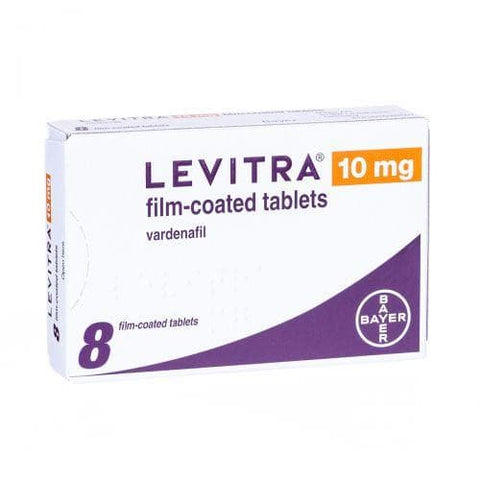
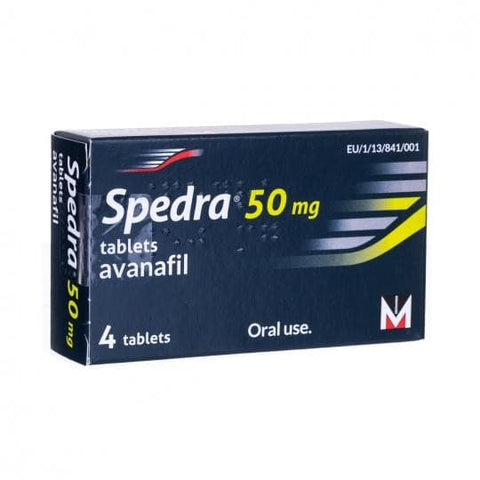
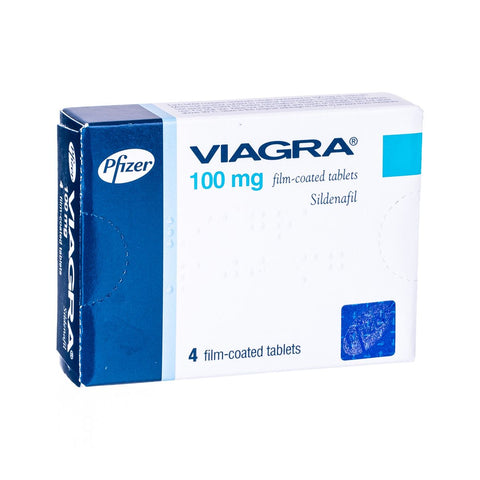
All PDE5 inhibitors (sildenafil, tadalafil, vardenafil, avanafil) can lower blood pressure and may interact with lofexidine in a similar way. Your prescriber can discuss alternative options, such as topical treatments like Eroxon gel, which work locally and have fewer systemic effects.
What should I do if I feel faint after taking tadalafil with lofexidine?
Sit or lie down immediately and wait for the feeling to pass. If you faint, feel severely dizzy, or have chest pain, seek urgent medical help. Contact your prescriber to review your treatment as soon as possible.
How long does tadalafil stay in my system?
On-demand tadalafil (10mg or 20mg) can remain effective for up to 36 hours, so you should not take another dose within that time. Daily tadalafil (2.5mg or 5mg) is taken once a day at the same time each day.
Do I need to tell my prescriber about lofexidine when ordering tadalafil online?
Yes, absolutely. You must declare all medicines you're taking, including lofexidine, during your online consultation. This allows the prescriber to assess whether tadalafil is safe for you and to provide appropriate advice and monitoring.

Medically reviewed by
Tarun Kumar, Superintendent Pharmacist (GPhC 2233073)