


Tadalafil and Lisinopril: Can You Take Them Together?
Learn how these medicines interact and what your UK prescriber checks to keep you safe.
Takes less than 2 minutes to complete 100% online
Available Treatments
Pricing Disclaimer: Prices on some pages may not be up to date — the live pricing table below and pricing shown during consultation are official current prices and take precedence over any other figures on the site.
Not sure which one? Start a free consultation →
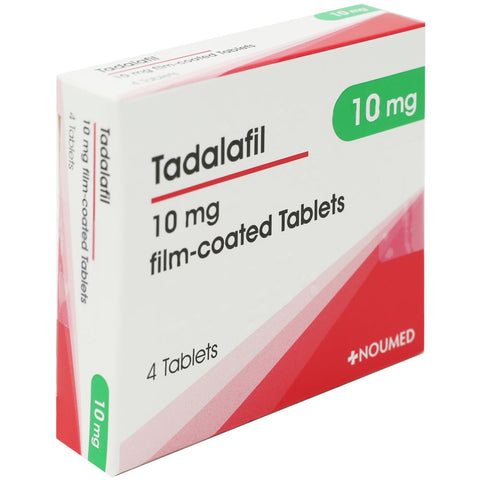
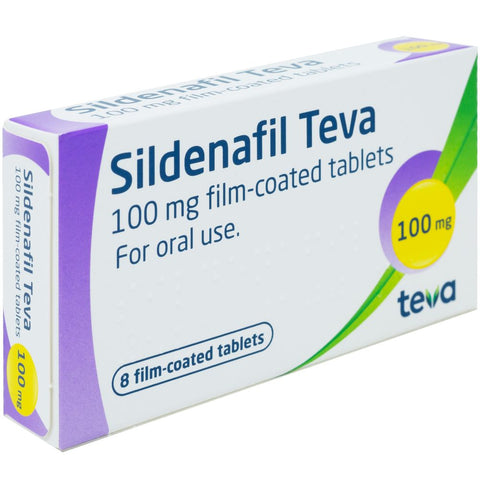
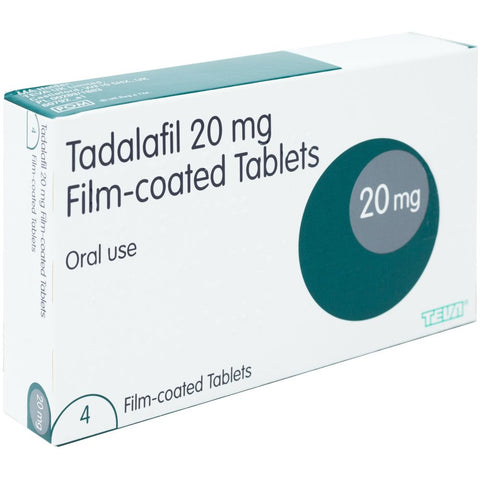

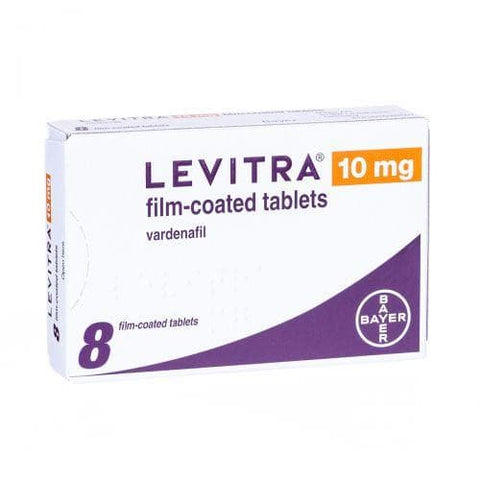

Trusted by thousands
Real people, real results
“Fabulous service and quick delivery”
“Felt the effects of these after about 5 days. Erections are better and can get aroused and ready easier”
“Excellent value and brilliant customer service”
“I received excellent service and everything went well. The order arrived quickly and in perfect condition. It's working very well! Thank you to the whole team for the great work!”
“Delivery was good, the product lived up to expectations.”
Get Treatment in 3 Steps


Tadalafil and Lisinopril: Understanding the Interaction
Published: 22 October 2026
Many men wonder whether tadalafil and lisinopril can be taken together safely. The short answer is yes—tadalafil (generic Cialis), a medicine for erectile dysfunction, can usually be prescribed alongside lisinopril, a blood pressure medicine in the ACE inhibitor family, but your prescriber will check your blood pressure control and overall cardiovascular health first [1][2]. Both medicines can lower blood pressure, so careful assessment and monitoring are essential to avoid dizziness or fainting.
Take care when standing up
Both tadalafil and lisinopril can lower blood pressure. To avoid dizziness, sit on the edge of the bed for a moment before standing, especially in the first few hours after taking tadalafil.
What is tadalafil and how does it work?
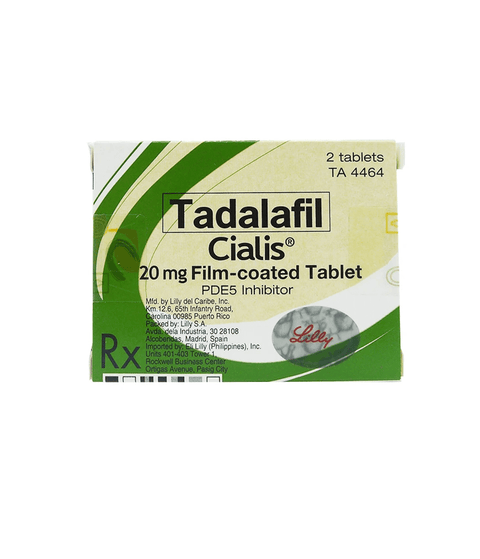
Tadalafil is a prescription medicine used to treat erectile dysfunction (ED) in men [4]. It belongs to a group of medicines called PDE5 inhibitors, which work by relaxing blood vessels in the penis, allowing more blood to flow in when you are sexually aroused. Tadalafil does not cause an erection on its own—sexual stimulation is still needed.
Tadalafil is available in two ways: on-demand tablets (usually 10 mg or 20 mg) taken at least 30 minutes before sex, with effects lasting up to 36 hours, or daily low-dose tablets (2.5 mg or 5 mg) taken every day at the same time [4]. The long duration of action is why tadalafil is sometimes called the 'weekend pill'. At Cured Pharmacy, tadalafil is available from £7.95 after an online consultation with a UK prescriber.
Because tadalafil works by relaxing blood vessels, it has a mild blood-pressure-lowering effect throughout the body, not just in the penis [4]. This is why interactions with other blood pressure medicines, including lisinopril, need careful consideration.
What is lisinopril and why is it prescribed?
Lisinopril is a medicine used to treat high blood pressure (hypertension) and heart failure, and to protect the kidneys in people with diabetes. It belongs to a class of medicines called ACE inhibitors (angiotensin-converting enzyme inhibitors), which work by relaxing and widening blood vessels, making it easier for the heart to pump blood around the body.
Lisinopril is usually taken once a day, and it is one of the most commonly prescribed blood pressure medicines in the UK. Common doses range from 2.5 mg to 40 mg daily, depending on the condition being treated and how well your blood pressure is controlled. Like all blood pressure medicines, lisinopril can cause side effects such as dizziness, especially when you first start taking it or when the dose is increased.
High blood pressure itself is a risk factor for erectile dysfunction, because it can damage blood vessels over time [1]. However, treating high blood pressure effectively can improve overall cardiovascular health, which may in turn help with ED. It is important never to stop taking lisinopril or any blood pressure medicine without speaking to your GP, even if you think it might be affecting your erections.
Can lisinopril cause erectile dysfunction?
Some men worry that blood pressure medicines cause ED, but the evidence is mixed. Older medicines such as beta-blockers and thiazide diuretics have been more strongly linked to erectile problems, whereas ACE inhibitors like lisinopril are generally considered to have a lower risk [1][2]. In many cases, it is the underlying high blood pressure or other cardiovascular risk factors—such as diabetes, high cholesterol, or smoking—that contribute to ED, rather than the medicine itself. If you have concerns, speak to your GP; they may be able to adjust your treatment or investigate other causes.
When to get urgent help
- Chest pain during or after sex—call 999 and tell the paramedics you have taken tadalafil; do not use GTN spray
- Erection lasting more than 4 hours (priapism)—go to A&E immediately to prevent permanent damage
- Sudden loss of vision or hearing—stop tadalafil and seek urgent medical attention
- Severe dizziness, fainting, or feeling like you might pass out—sit or lie down and contact your GP or call 111
- Allergic reaction (swelling of face, lips, tongue, or throat, difficulty breathing)—call 999 immediately
Call 999 or go to A&E in an emergency, or contact NHS 111 for urgent advice.
Can you take tadalafil and lisinopril together?
Yes, tadalafil and lisinopril can usually be taken together, but only after a healthcare professional has reviewed your medical history and current blood pressure control [2][4]. Both medicines can lower blood pressure, so there is a risk that taking them together might cause your blood pressure to drop too much, leading to dizziness, light-headedness, or fainting, especially when you stand up quickly.
This interaction is not a reason to avoid tadalafil altogether—it simply means your prescriber will check that your blood pressure is stable and well controlled on lisinopril before prescribing a PDE5 inhibitor [2]. They will also ask about any symptoms of low blood pressure you may have experienced, such as feeling faint or dizzy. If you are otherwise healthy and your blood pressure is stable, the combination is generally considered safe and effective.
At Cured Pharmacy, every consultation includes a review of all your current medicines, including lisinopril and any other blood pressure tablets. The prescriber will assess whether tadalafil is suitable for you, and if so, which dose is appropriate. It is essential to be honest and complete when filling out your medical questionnaire, as this helps the prescriber make a safe decision tailored to your individual circumstances.
How do tadalafil and lisinopril interact in the body?
Both tadalafil and lisinopril cause blood vessels to relax and widen, which lowers blood pressure [4]. Lisinopril does this by blocking an enzyme that produces a hormone called angiotensin II, which normally narrows blood vessels. Tadalafil works by blocking an enzyme called PDE5, which allows another substance (cGMP) to build up and relax smooth muscle in blood vessel walls.
When taken together, the blood-pressure-lowering effects can add up. This is known as an additive effect. For most men whose blood pressure is stable and well controlled, this additive effect is mild and manageable, but it can occasionally cause symptoms such as dizziness, especially in the first few hours after taking tadalafil [4]. The risk is higher if you are dehydrated, have been drinking alcohol, or stand up quickly from sitting or lying down.
Importantly, the interaction between tadalafil and lisinopril is not the same as the dangerous interaction between tadalafil and nitrate medicines (such as GTN spray or isosorbide mononitrate). Nitrates and PDE5 inhibitors must never be taken together because the combination can cause a severe, life-threatening drop in blood pressure [4]. Lisinopril is not a nitrate, so the interaction is much less serious and can usually be managed safely with appropriate monitoring and dose adjustment if needed.
What your prescriber will check
Before prescribing tadalafil, your prescriber will ask about your current blood pressure readings, whether you have had any episodes of low blood pressure or dizziness, and how well controlled your blood pressure is on lisinopril. They will also ask about other cardiovascular risk factors, such as a history of heart attack, stroke, angina, or heart failure, because these conditions can affect whether ED treatment is safe for you [2]. If your blood pressure is very low or poorly controlled, the prescriber may advise you to see your GP for a review before starting tadalafil.
At a glance
Practical advice for taking tadalafil with lisinopril
If you are prescribed tadalafil while taking lisinopril, there are some practical steps you can take to minimise the risk of side effects. First, take tadalafil exactly as prescribed—do not take more than the recommended dose, and do not take it more often than once a day if you are using on-demand tablets [4]. If you are starting tadalafil for the first time, your prescriber may suggest a lower dose initially to see how you tolerate it.
Be cautious when standing up quickly, especially in the first few hours after taking tadalafil, as this is when the blood-pressure-lowering effect is strongest. Sit on the edge of the bed for a moment before standing, and hold onto something steady if you feel dizzy. Avoid drinking large amounts of alcohol, as this can make low blood pressure worse and also reduce the effectiveness of tadalafil [4]. Stay well hydrated, but avoid grapefruit juice, which can increase tadalafil levels in your blood.
If you experience persistent dizziness, light-headedness, or fainting after taking tadalafil, stop taking it and contact your GP or pharmacist for advice. Do not stop taking lisinopril without medical advice, as this could cause your blood pressure to rise suddenly. Keep all your regular GP appointments for blood pressure monitoring, and let your doctor know you are taking tadalafil so they can check your blood pressure is still well controlled.
Other medicines and lifestyle factors to consider
If you take other blood pressure medicines in addition to lisinopril—such as amlodipine (a calcium channel blocker), bendroflumethiazide (a diuretic), or doxazosin (an alpha-blocker)—the risk of low blood pressure with tadalafil may be higher [2][4]. Alpha-blockers in particular require extra caution, and your prescriber will check that you are stable on the alpha-blocker before starting tadalafil at the lowest dose. Always declare every medicine you take, including over-the-counter and herbal products.
Lifestyle factors also play an important role in both blood pressure control and erectile function. Smoking, being overweight, lack of exercise, heavy alcohol use, and poorly controlled diabetes can all contribute to ED and make blood pressure harder to control [1]. Making positive changes—such as stopping smoking, losing weight if needed, exercising regularly, and reducing alcohol—can improve both your cardiovascular health and your response to ED treatment.
If you are taking medicines that affect how the liver breaks down tadalafil—such as ritonavir, ketoconazole, or clarithromycin—your prescriber will adjust the dose of tadalafil or may choose a different ED medicine [4]. St John's wort, a herbal remedy for low mood, can make tadalafil less effective and should be avoided. Always check with your pharmacist before starting any new medicine or supplement while taking tadalafil.
When tadalafil is not suitable
Tadalafil is not suitable for everyone. It must not be taken if you use nitrate medicines for angina (such as GTN spray, isosorbide mononitrate, or isosorbide dinitrate), nicorandil, riociguat, or recreational drugs called 'poppers' (amyl or alkyl nitrites), because the combination can cause a dangerous drop in blood pressure [4]. It is also not suitable if you have had a recent heart attack or stroke, have unstable angina, severe heart failure, very low blood pressure, or a history of sudden vision loss (NAION). Your prescriber will assess all these factors during your consultation.
In summary
- Tadalafil and lisinopril can usually be taken together if your blood pressure is stable and well controlled.
- Both medicines lower blood pressure, so your prescriber will check for dizziness or low blood pressure symptoms.
- Never stop lisinopril without medical advice, even if you think it affects erections.
- Tadalafil must never be taken with nitrate medicines or nicorandil—this combination is dangerous.
- Declare all your medicines during your online consultation so the prescriber can assess safety.
Scientific References
- NHS. (n.d.). Erectile dysfunction (impotence). NHS website. https://www.nhs.uk/conditions/erection-problems-erectile-dysfunction/ [accessed 22 October 2026]
- National Institute for Health and Care Excellence. (n.d.). Erectile dysfunction. Clinical Knowledge Summaries. https://cks.nice.org.uk/topics/erectile-dysfunction/ [accessed 22 October 2026]
- Joint Formulary Committee. (n.d.). Tadalafil. British National Formulary. NICE. https://bnf.nice.org.uk/drugs/tadalafil/ [accessed 22 October 2026]
Information on this page is for educational purposes only and is not medical advice. Prescription treatments require clinical assessment by a UK-registered prescriber. Always consult a qualified healthcare professional before starting or changing any medication.
Common Questions
Take the First Step Today
- Reviewed by UK-based prescribers
- Takes under 3 minutes
- Discreet Packaging

Medically reviewed by
Tarun Kumar, Superintendent Pharmacist (GPhC 2233073)