

Tadalafil and Famotidine: Can You Take Them Together?
Learn how these medicines interact and how our UK pharmacist-led consultation ensures your safety.
Takes less than 2 minutes to complete 100% online

Available Treatments
Pricing Disclaimer: Prices on some pages may not be up to date — the live pricing table below and pricing shown during consultation are official current prices and take precedence over any other figures on the site.
Not sure which one? Start a free consultation →
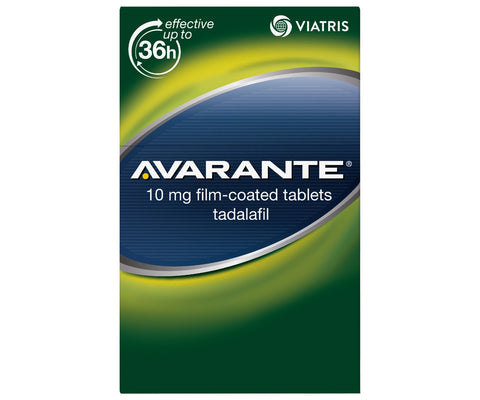
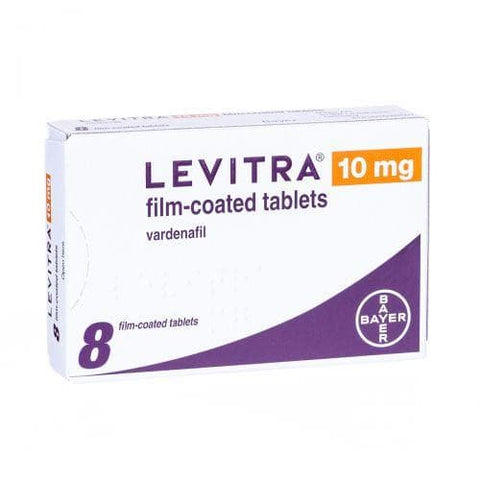
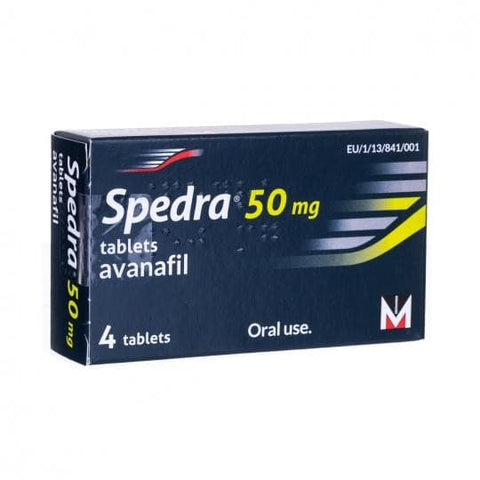
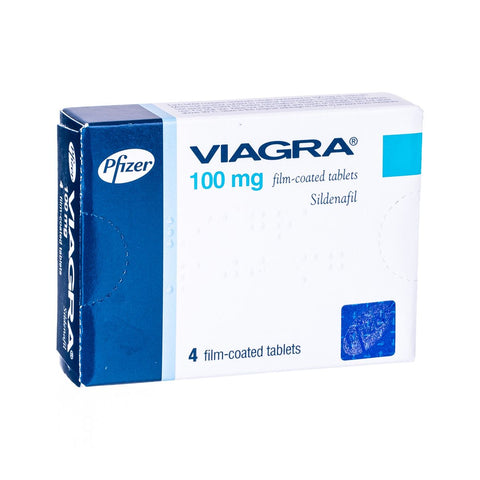
Trusted by thousands
Real people, real results
“Fabulous service and quick delivery”
“Felt the effects of these after about 5 days. Erections are better and can get aroused and ready easier”
“Excellent value and brilliant customer service”
“I received excellent service and everything went well. The order arrived quickly and in perfect condition. It's working very well! Thank you to the whole team for the great work!”
“Delivery was good, the product lived up to expectations.”
Get Treatment in 3 Steps
Choose your treatment
Select from our recommended UK-licensed medications.

Answer quick questions
Select safe UK treatments. Quick answers.

Get it delivered fast
We will deliver direct to you as quickly as tomorrow.

Tadalafil and Famotidine: Understanding the Interaction
Published: 21 October 2026
Many men taking tadalafil and famotidine together wonder whether this combination is safe. The good news is that no major interaction is commonly reported between tadalafil (Cialis) and famotidine (Pepcid), a medicine used to reduce stomach acid and treat heartburn. However, every person's situation is different, and your prescriber will review all your current medicines during your consultation to ensure tadalafil is suitable for you.
Key takeaways
- No major interaction is commonly reported between tadalafil and famotidine
- Always declare all medicines, including over-the-counter treatments, during your consultation
- Tadalafil must never be taken with nitrates, nicorandil, riociguat, or poppers
- Seek urgent help for chest pain, erection lasting over 4 hours, or sudden vision or hearing loss
What is tadalafil and how does it work?
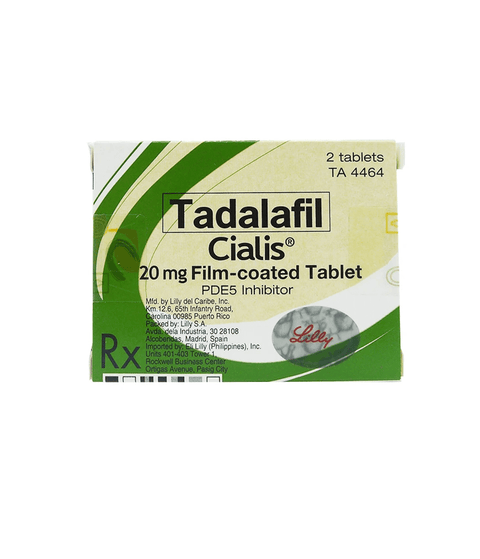
Tadalafil is a prescription medicine used to treat erectile dysfunction (ED) in men. It belongs to a group of medicines called PDE5 inhibitors, which work by relaxing blood vessels in the penis, allowing more blood to flow in when you are sexually aroused [4]. Tadalafil does not cause an erection on its own—sexual stimulation is still needed.
Tadalafil is available in two main forms: on-demand tablets (usually 10mg or 20mg) taken at least 30 minutes before sex, with effects lasting up to 36 hours, and daily tablets (2.5mg or 5mg) taken once a day to allow for more spontaneous sexual activity [4]. The branded version is called Cialis, but generic tadalafil is equally effective and often more affordable.
Because tadalafil can lower blood pressure slightly, it must not be taken with certain medicines—particularly nitrates, nicorandil, riociguat, or recreational drugs called 'poppers'—as this combination can cause a dangerous drop in blood pressure [4]. Your prescriber will check your full medical history and current medicines before approving tadalafil.
What is famotidine and why is it prescribed?
Famotidine is a medicine that reduces the amount of acid your stomach produces. It belongs to a class of drugs called H2 receptor antagonists (H2 blockers). Famotidine is commonly used to treat and prevent heartburn, acid reflux, indigestion, and stomach ulcers. In the UK, it is available both on prescription and over the counter under brand names such as Pepcid.
Famotidine works by blocking histamine receptors in the stomach lining, which signals the stomach to produce less acid. This can relieve symptoms of acid reflux and help ulcers heal. It is usually taken once or twice a day, depending on the condition being treated and the dose prescribed.
Famotidine is generally well tolerated, with side effects such as headache, dizziness, or constipation being uncommon. It does not typically interact with a wide range of medicines, but your pharmacist or prescriber will still review all your current treatments to check for any potential issues.
How famotidine differs from other heartburn medicines
Famotidine is an H2 blocker, which is different from proton pump inhibitors (PPIs) such as omeprazole or lansoprazole. Both types reduce stomach acid, but PPIs are usually stronger and work in a different way. Some people prefer H2 blockers like famotidine because they can be taken as needed and have a faster onset of action for relieving symptoms, though PPIs are often more effective for long-term acid suppression.
At a glance
Can you take tadalafil and famotidine together?
There is no major interaction commonly reported between tadalafil and famotidine, and many men take both medicines together without problems. Famotidine does not significantly affect the way tadalafil is broken down in the body, and tadalafil does not interfere with famotidine's ability to reduce stomach acid.
However, it is essential to declare all your current medicines—including over-the-counter treatments like famotidine—when you complete your online consultation for tadalafil. Your prescriber will review your full medication list, medical history, and any other health conditions to ensure tadalafil is safe and appropriate for you [2].
If you experience any unusual symptoms after starting tadalafil while taking famotidine, such as dizziness, chest pain, or severe headache, contact your GP or pharmacist for advice. Always follow the dosing instructions for both medicines and do not take more than the recommended amount.
What your prescriber checks before approving tadalafil
Before prescribing tadalafil, your clinician will review your full medical history, including any heart conditions, blood pressure problems, liver or kidney disease, and any medicines you currently take [2]. This is because tadalafil can interact with certain drugs and may not be suitable if you have specific health conditions.
Your prescriber will specifically check whether you take nitrates (such as GTN spray or isosorbide mononitrate), nicorandil, riociguat, or alpha-blockers (such as doxazosin or tamsulosin), as these require special caution or are contraindicated with tadalafil [4]. They will also ask about any recent heart attack, stroke, or episodes of chest pain, as tadalafil may not be safe if sexual activity itself is inadvisable.
If you take medicines that affect how your liver breaks down drugs—such as ritonavir, ketoconazole, or clarithromycin—your prescriber may adjust your tadalafil dose or recommend a different treatment [4]. This thorough review ensures that tadalafil is both safe and effective for you.
Why you must declare all your medicines
Even if a medicine is available over the counter, like famotidine, it is important to list it during your consultation. Some interactions are not immediately obvious, and your prescriber needs the full picture to make a safe decision. Never stop or change a prescribed medicine without speaking to your GP or pharmacist first.
Declare all your medicines
Even over-the-counter treatments like famotidine must be listed during your tadalafil consultation. This ensures your prescriber has the full picture and can confirm the combination is safe for you.
Practical advice for taking tadalafil and famotidine
If your prescriber has approved tadalafil and you also take famotidine, you can usually take both medicines as directed without needing to separate the doses. Tadalafil can be taken with or without food, though a very heavy or high-fat meal may delay its effect slightly [4]. Famotidine is also usually taken with or without food, depending on your prescriber's instructions.
Avoid drinking large amounts of alcohol when taking tadalafil, as this can increase the risk of dizziness, headache, and low blood pressure, and may make it harder to achieve an erection [4]. Grapefruit juice can raise tadalafil levels in your blood, so it is best to avoid it while using this medicine.
If you develop heartburn or indigestion while taking tadalafil, famotidine can help manage these symptoms. However, if you experience chest pain during or after sex, do not assume it is heartburn—stop sexual activity and seek urgent medical help, as chest pain can be a sign of a serious heart problem [1].
Warning signs and when to seek help with tadalafil and famotidine
Most men tolerate tadalafil well, but you should be aware of warning signs that need urgent attention. If you have an erection lasting more than four hours (priapism), seek emergency help immediately, as this can cause permanent damage [4]. Sudden loss of vision in one or both eyes, or sudden decrease or loss of hearing, also requires urgent medical assessment.
Chest pain during or after sexual activity is a medical emergency—call 999 and do not take any more tadalafil until a doctor has assessed you [1]. If you feel dizzy, faint, or notice your heart racing or pounding, sit or lie down and contact your GP or NHS 111 for advice.
Common side effects of tadalafil include headache, indigestion, back pain, muscle aches, flushing, and a blocked or runny nose [4]. These are usually mild and temporary. If side effects are troublesome or persistent, speak to your pharmacist or prescriber—they may be able to adjust your dose or suggest an alternative treatment.
What to do if you miss a dose
If you take tadalafil on demand (as needed before sex), there is no 'missed dose'—simply take it the next time you plan sexual activity, following the dosing instructions. If you take daily tadalafil and miss a dose, take it as soon as you remember, unless it is almost time for your next dose. Never take a double dose to make up for a forgotten one [4].
When to get urgent help
- Erection lasting more than 4 hours (priapism) – go to A&E immediately
- Chest pain during or after sex – call 999 and stop sexual activity
- Sudden loss of vision in one or both eyes – seek urgent medical help
- Sudden decrease or loss of hearing – contact your GP or NHS 111 urgently
- Severe dizziness or fainting – sit or lie down and call 999 if it does not improve
Call 999 or go to A&E in an emergency, or contact NHS 111 for urgent advice.
Scientific References
- NHS. (n.d.). Erectile dysfunction (impotence). NHS website. https://www.nhs.uk/conditions/erection-problems-erectile-dysfunction/ [accessed 21 October 2026]
- National Institute for Health and Care Excellence. (n.d.). Erectile dysfunction. Clinical Knowledge Summaries. https://cks.nice.org.uk/topics/erectile-dysfunction/ [accessed 21 October 2026]
- Joint Formulary Committee. (n.d.). Tadalafil. British National Formulary. NICE. https://bnf.nice.org.uk/drugs/tadalafil/ [accessed 21 October 2026]
Information on this page is for educational purposes only and is not medical advice. Prescription treatments require clinical assessment by a UK-registered prescriber. Always consult a qualified healthcare professional before starting or changing any medication.
Common Questions
Can't find your answer? Our UK pharmacists review every consultation and can help.
Is it safe to take tadalafil and famotidine at the same time?
Yes, no major interaction is commonly reported between tadalafil and famotidine, and many men take both together. Always declare all your medicines during your consultation so your prescriber can confirm it is safe for you.
Will famotidine make tadalafil less effective?
No, famotidine does not reduce the effectiveness of tadalafil. The two medicines work in different ways and do not interfere with each other.
Can I take tadalafil if I have acid reflux or heartburn?
Yes, having acid reflux or heartburn does not prevent you from taking tadalafil. In fact, indigestion is a common side effect of tadalafil, and famotidine may help manage it.
Do I need to take tadalafil and famotidine at different times of day?
No, you do not usually need to separate the doses. You can take both medicines as directed by your prescriber or the instructions on the packaging.
What should I do if I get chest pain while taking tadalafil and famotidine?
Stop sexual activity immediately and seek urgent medical help by calling 999. Chest pain during or after sex can be a sign of a serious heart problem and should never be ignored.
Can I buy famotidine over the counter if I'm taking tadalafil?
Yes, famotidine is available over the counter in the UK. However, tell the pharmacist you are taking tadalafil so they can check it is suitable for you.
Are there any medicines I must not take with tadalafil?
Yes, do not take tadalafil with nitrates (GTN spray, isosorbide mononitrate), nicorandil, riociguat, recreational 'poppers', or another PDE5 inhibitor, as this can cause a dangerous drop in blood pressure.
How do I get tadalafil from Cured Pharmacy?
Complete a short online consultation, which will be reviewed by a UK prescriber. If approved, your tadalafil will be dispensed by our GPhC-registered pharmacy and delivered discreetly to your door.
Take the First Step Today
- Reviewed by UK-based prescribers
- Takes under 3 minutes
- Discreet Packaging

Medically reviewed by
Tarun Kumar, Superintendent Pharmacist (GPhC 2233073)