

Tadalafil and Duloxetine: Can You Take Them Together?
Learn about the interaction, what your prescriber checks, and how to take both medicines safely.
Takes less than 2 minutes to complete 100% online
Our ED Treatments
Pricing Disclaimer: Prices on some pages may not be up to date — the live pricing table below and pricing shown during consultation are official current prices and take precedence over any other figures on the site.
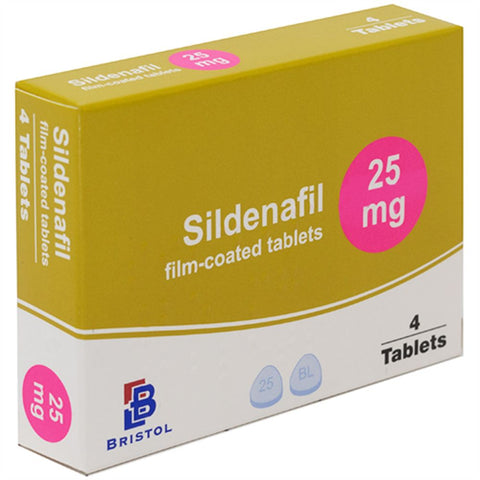
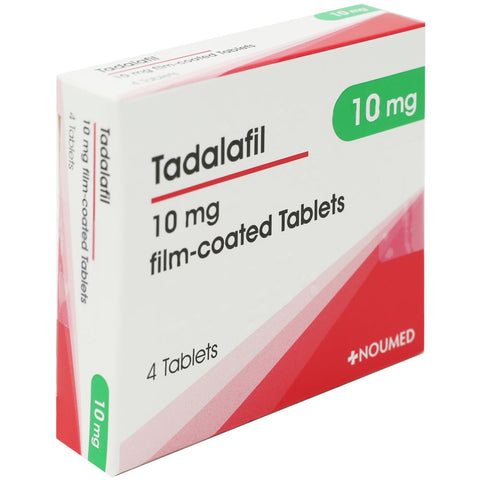
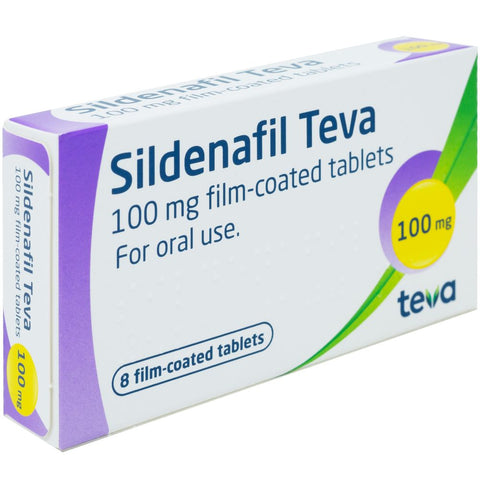
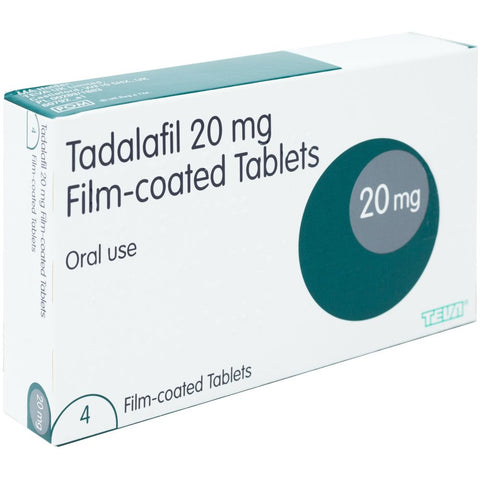
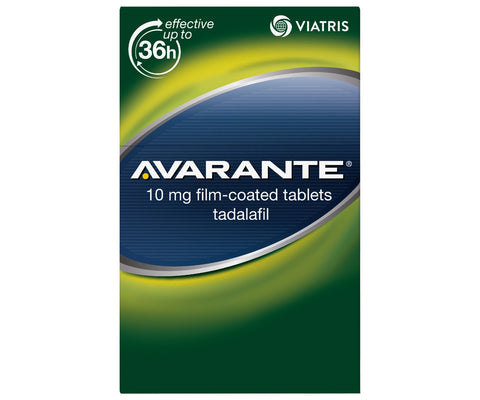
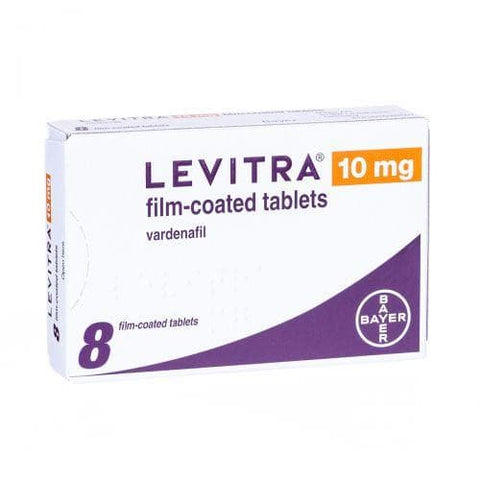
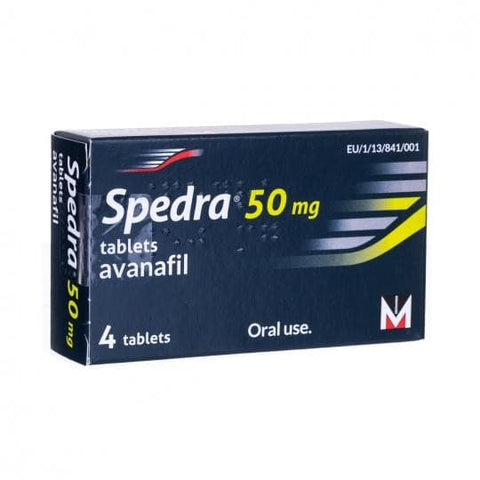
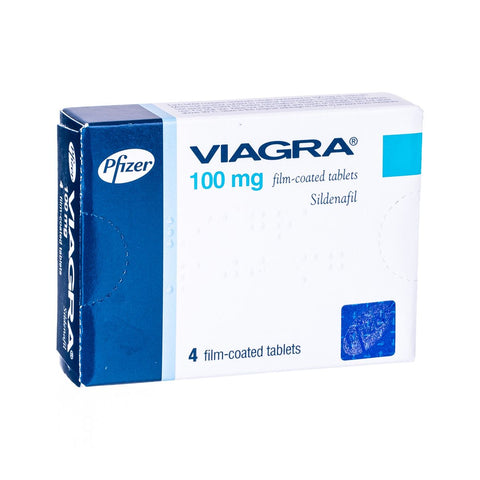
Trusted by thousands
Real people, real results
“Fabulous service and quick delivery”
“Felt the effects of these after about 5 days. Erections are better and can get aroused and ready easier”
“Excellent value and brilliant customer service”
“I received excellent service and everything went well. The order arrived quickly and in perfect condition. It's working very well! Thank you to the whole team for the great work!”
“Delivery was good, the product lived up to expectations.”
How it Works?
Choose your treatment
Select from our recommended UK-licensed medications.

Answer quick questions
Select safe UK treatments. Quick answers.

Get it delivered fast
We will deliver direct to you as quickly as tomorrow.

Tadalafil and Duloxetine: Understanding the Interaction
Published: 20 October 2026
Many men wonder whether tadalafil and duloxetine can be taken together safely. Tadalafil is a medicine used to treat erectile dysfunction (ED), while duloxetine is an antidepressant and pain medicine. The good news is that these two medicines can usually be taken together, but there are important considerations your prescriber will check to ensure the combination is right for you.
Always declare all medicines
When you request tadalafil, list every medicine you take—including duloxetine, over-the-counter products, and herbal remedies. This helps your prescriber check for interactions and ensure the treatment is safe for you.
What is tadalafil and how does it work?
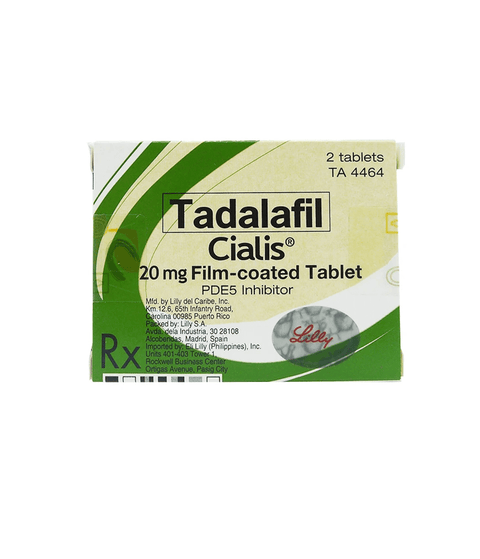
Tadalafil is a prescription medicine used to treat erectile dysfunction in men [4]. It belongs to a group of medicines called PDE5 inhibitors, which work by relaxing blood vessels in the penis, allowing more blood to flow in when you are sexually aroused. Tadalafil is the generic name for Cialis and is available in two forms: on-demand tablets (10mg or 20mg taken at least 30 minutes before sex) and daily tablets (2.5mg or 5mg taken once a day) [4].
One of the key advantages of tadalafil is its long duration of action—the effect can last up to 36 hours, which is why it is sometimes called 'the weekend pill' [4]. This does not mean you will have an erection for 36 hours; it means the medicine stays in your system long enough to help you achieve an erection when you are sexually stimulated during that time. Sexual stimulation is always needed for tadalafil to work [4].
Tadalafil is only available on prescription in the UK after a consultation with a prescriber, who will check your medical history, current medicines, and overall health to ensure it is safe for you [2].
What is duloxetine and why is it prescribed?
Duloxetine is a prescription medicine that belongs to a class called serotonin-noradrenaline reuptake inhibitors (SNRIs). It is used to treat depression, generalised anxiety disorder, diabetic nerve pain, and stress urinary incontinence in women. Duloxetine works by increasing the levels of two chemical messengers in the brain—serotonin and noradrenaline—which help improve mood and reduce pain signals.
Like many antidepressants, duloxetine can sometimes cause sexual side effects, including reduced libido, difficulty achieving orgasm, or erectile dysfunction [1]. These side effects do not affect everyone, but they are one reason why some men taking duloxetine may also need treatment for ED. It is important not to stop taking duloxetine suddenly without medical advice, as this can cause withdrawal symptoms.
If you are experiencing sexual side effects from duloxetine, speak to your GP or prescriber. They may adjust your dose, suggest a different antidepressant, or prescribe an ED treatment such as tadalafil to help manage the problem [2].
When to get urgent help
- Erection lasting longer than four hours (priapism)—go to A&E or call 999 immediately
- Sudden loss of vision in one or both eyes—seek urgent medical help
- Sudden decrease or loss of hearing, possibly with ringing in the ears or dizziness
- Chest pain during or after sex—stop activity and seek medical help; do not take nitrates
- Severe allergic reaction: swelling of face, lips, or throat, or difficulty breathing—call 999
Call 999 or go to A&E in an emergency, or contact NHS 111 for urgent advice.
Can you take tadalafil and duloxetine together?
Yes, tadalafil and duloxetine can usually be taken together. There is no major interaction between these two medicines that would make the combination unsafe for most people. However, every person's situation is different, and your prescriber will review your full medical history and all current medicines during your consultation to ensure the combination is appropriate for you.
Duloxetine does not significantly affect how tadalafil works, and tadalafil does not interfere with the way duloxetine treats depression or pain. Both medicines are processed by the liver, but they use different pathways, so they do not usually affect each other's levels in the body. That said, it is essential to declare all medicines you are taking—including over-the-counter products, herbal remedies, and supplements—when you request a prescription for tadalafil [4].
Your prescriber will also check for any other medicines or health conditions that might affect the safety of tadalafil. For example, tadalafil must not be taken with nitrates, nicorandil, riociguat, or recreational drugs called 'poppers', as these combinations can cause a dangerous drop in blood pressure [4]. If you are taking any blood pressure medicines or alpha-blockers, your prescriber will assess whether tadalafil is safe and may start you on a lower dose [4].
How the interaction is checked
When you complete an online consultation at Cured Pharmacy, you will be asked to list all your current medicines, including duloxetine. A UK-registered prescriber will review your answers and check for any interactions or contraindications. They will also consider your overall health, including your heart health, blood pressure, and any history of stroke or eye problems [2]. This careful review ensures that tadalafil is safe and suitable for you, even when taken alongside duloxetine.
What your prescriber checks before approving tadalafil and duloxetine
Before prescribing tadalafil to someone taking duloxetine, a prescriber will carry out a thorough assessment. They will ask about your medical history, including any heart problems, recent heart attack or stroke, blood pressure issues, liver or kidney disease, and any eye conditions such as previous sudden vision loss (NAION) [4]. They will also check whether you are taking any medicines that could interact with tadalafil, such as nitrates, alpha-blockers, or potent CYP3A4 inhibitors [4].
Your prescriber will want to know why you are taking duloxetine and whether you have experienced any side effects, including sexual problems. If duloxetine is contributing to your ED, tadalafil may help, but your prescriber may also discuss whether adjusting your antidepressant is an option. They will ensure that sexual activity is safe for you, as tadalafil should not be used if your heart condition makes sex inadvisable [2].
The prescriber will also consider your blood pressure. Tadalafil can lower blood pressure slightly, and duloxetine can sometimes raise it, but in most cases this does not cause problems. However, if you are taking other blood pressure medicines or alpha-blockers, your prescriber will start you on the lowest effective dose of tadalafil and monitor for dizziness or light-headedness [4].
Starting on the right dose
If you are new to tadalafil, your prescriber will usually start you on a lower dose—typically 10mg for on-demand use or 2.5mg for daily use—to see how you respond [4]. If you are taking other medicines that affect your blood pressure or liver function, they may adjust the dose accordingly. Never take more than the prescribed dose, and do not take tadalafil more than once a day [4].
Practical advice for taking tadalafil and duloxetine safely
If your prescriber approves tadalafil while you are taking duloxetine, follow their instructions carefully. Take tadalafil as prescribed—either on-demand (at least 30 minutes before sex) or once daily at the same time each day [4]. Continue taking duloxetine exactly as your GP or psychiatrist has prescribed; do not stop or change your dose without medical advice.
Be aware of how you feel when you first start tadalafil. Some men experience mild side effects such as headache, indigestion, back pain, or facial flushing [4]. These are usually mild and short-lived. If you feel dizzy or light-headed, especially when standing up, sit or lie down until it passes. Avoid drinking large amounts of alcohol, as this can make dizziness worse and reduce the effectiveness of tadalafil [4].
If you develop any new symptoms or side effects after starting tadalafil, contact your prescriber or GP. Keep all your healthcare providers informed about the medicines you are taking, including your dentist and any specialists. If you need to take a new medicine, check with your pharmacist or prescriber whether it is safe to use alongside tadalafil and duloxetine.
Warning signs and when to seek urgent help with tadalafil and duloxetine
Most men take tadalafil and duloxetine together without serious problems, but it is important to know the warning signs that need urgent medical attention. If you experience an erection that lasts longer than four hours (priapism), go to A&E immediately or call 999. Priapism is a medical emergency that can cause permanent damage if not treated quickly [4].
Seek urgent help if you have sudden loss of vision in one or both eyes, or sudden decrease or loss of hearing, which may be accompanied by ringing in the ears or dizziness [4]. These are rare but serious side effects. If you experience chest pain during or after sex, stop and seek medical help straight away. Do not take nitrate medicines (such as GTN spray) if you have used tadalafil in the past 48 hours, as this can cause a dangerous drop in blood pressure [4].
If you feel severely dizzy, faint, or develop an irregular heartbeat, contact your GP or call 111 for advice. If you experience severe allergic reactions such as swelling of the face, lips, or throat, or difficulty breathing, call 999 immediately. Always read the patient information leaflet that comes with your medicine and report any side effects to your prescriber or via the Yellow Card Scheme [12].
Managing side effects
Common side effects of tadalafil include headache, indigestion, back pain, muscle aches, and flushing [4]. These usually improve as your body adjusts to the medicine. If side effects are troublesome, speak to your prescriber—they may suggest a lower dose or a different ED treatment. For duloxetine, common side effects include nausea, dry mouth, drowsiness, and sexual problems. If sexual side effects from duloxetine are a concern, your GP may consider adjusting your treatment [1].
In summary
- Tadalafil and duloxetine can usually be taken together safely with no major interaction.
- Your prescriber will review your full medical history and all medicines during consultation.
- Duloxetine can sometimes cause sexual side effects; tadalafil may help manage them.
- Always declare all medicines, including antidepressants, when requesting tadalafil.
- Seek urgent help for erections lasting over four hours or sudden vision or hearing loss.
Scientific References
- NHS. (n.d.). Erectile dysfunction (impotence). NHS website. https://www.nhs.uk/conditions/erection-problems-erectile-dysfunction/ [accessed 20 October 2026]
- National Institute for Health and Care Excellence. (n.d.). Erectile dysfunction. Clinical Knowledge Summaries. https://cks.nice.org.uk/topics/erectile-dysfunction/ [accessed 20 October 2026]
- Joint Formulary Committee. (n.d.). Tadalafil. British National Formulary. NICE. https://bnf.nice.org.uk/drugs/tadalafil/ [accessed 20 October 2026]
- Electronic Medicines Compendium. (n.d.). Summaries of Product Characteristics and Patient Information Leaflets. https://www.medicines.org.uk/emc/ [accessed 20 October 2026]
Information on this page is for educational purposes only and is not medical advice. Prescription treatments require clinical assessment by a UK-registered prescriber. Always consult a qualified healthcare professional before starting or changing any medication.
Faq
Start Your Assessment For Erectile Dysfunction
Start your journey to better health today.
- Reviewed by UK-based prescribers
- Takes under 3 minutes
- Discreet Packaging
Start Your Journey To Better Health Today
Once you complete a short online assessment you will be able to choose your preferred treatment from safe medically approved options tailored to you.
Start My Assessment Log in to Your Account
Medically reviewed by
Tarun Kumar, Superintendent Pharmacist (GPhC 2233073)