

Lip Blisters That Aren't Cold Sores: Quick Guide

Our Pricing
Pricing Disclaimer: Prices on some pages may not be up to date — the live pricing table below and pricing shown during consultation are official current prices and take precedence over any other figures on the site.

Understanding Lip Blisters That Aren't Cold Sores
Published on: June 03, 2026
Experiencing lip blisters that aren't cold sores UK can be confusing, especially when standard cold sore treatments don't seem to work. At Cured Pharmacy, our UK-registered clinical team helps patients identify the true cause of their lip blisters — from angular cheilitis to allergic reactions — and recommends appropriate treatment options.
Common Causes of Lip Blisters That Aren't Cold Sores
While herpes simplex virus (HSV-1) causes the majority of lip blisters in UK adults, several other conditions can produce similar-looking lesions [1]. Angular cheilitis presents as painful cracks and blisters at the corners of the mouth, often caused by fungal infection, bacterial overgrowth, or nutritional deficiencies. Unlike cold sores, these lesions don't contain fluid-filled vesicles and typically respond to antifungal or antibacterial treatments rather than antivirals.
Allergic contact dermatitis is another frequent culprit, triggered by ingredients in lipsticks, toothpastes, or foods. These blisters appear within hours of exposure and are often accompanied by itching, redness, and swelling across the lip area [2]. Erythema multiforme, a hypersensitivity reaction sometimes triggered by medications or infections, can cause target-shaped lesions on the lips that may blister. This condition requires medical assessment to rule out Stevens-Johnson syndrome, a more serious variant.
Impetigo, a bacterial skin infection more common in children but occasionally affecting adults, can cause honey-coloured crusted blisters around the mouth. Hand, foot, and mouth disease — caused by coxsackievirus — produces small blisters inside the mouth and on the lips, typically in younger patients but sometimes in adults with close contact to infected children [3].
How to Tell If Your Lip Blister Is a Cold Sore
Cold sores follow a predictable pattern that distinguishes them from other lip blisters. The prodromal phase begins 12-24 hours before visible lesions appear, with tingling, burning, or itching at the site [1]. This warning period is absent in most non-herpetic lip blisters. True cold sores then develop as clusters of small, fluid-filled vesicles on a red base, typically at the border between lip and skin.
The vesicles rupture within 48 hours, forming shallow ulcers that crust over with a yellowish scab. The entire cycle from tingling to complete healing takes 7-10 days without treatment, or 5-7 days with early aciclovir application [4]. Cold sores recur at the same site in most patients, triggered by stress, UV exposure, illness, or immunosuppression. If your lip blisters don't follow this pattern — appearing in different locations, lacking the tingling prodrome, or persisting beyond two weeks — they're likely not cold sores.
When to Seek Medical Assessment
Consult a healthcare professional if your lip blisters are accompanied by fever, difficulty swallowing, or widespread oral lesions. Blisters that don't heal within two weeks, recur in different patterns, or appear alongside joint pain or eye symptoms may indicate autoimmune conditions like pemphigus or Behçet's disease. Our UK prescribers at Cured Pharmacy can assess your symptoms during a free online consultation and recommend appropriate next steps, including GP referral when necessary.
Treatment Options for Non-Cold Sore Lip Blisters
Treatment depends entirely on the underlying cause. Angular cheilitis typically responds to topical antifungal creams like miconazole or clotrimazole, sometimes combined with a mild corticosteroid to reduce inflammation. If bacterial infection is suspected, topical fusidic acid may be recommended. Nutritional deficiencies — particularly iron, zinc, or B vitamins — should be addressed with appropriate supplementation [2].
Allergic contact dermatitis resolves once the triggering substance is identified and avoided. Topical corticosteroids can speed healing, while oral antihistamines like cetirizine or loratadine reduce itching and swelling. Keep a diary of products used before blister onset to identify potential allergens. Impetigo requires topical or oral antibiotics depending on severity; fusidic acid cream is first-line for localised cases, while flucloxacillin may be prescribed for more extensive infection [3].
For erythema multiforme, treatment focuses on managing symptoms with topical corticosteroids and identifying any triggering medications or infections. Hand, foot, and mouth disease is self-limiting and requires only supportive care — adequate hydration, soft foods, and paracetamol or ibuprofen for pain relief. Avoid acidic or spicy foods that may irritate oral lesions.
Over-the-Counter Support Measures
Regardless of cause, certain measures support healing for most lip blisters. Apply petroleum jelly or an emollient lip balm to prevent cracking and reduce discomfort. Avoid picking or squeezing blisters, as this increases infection risk and delays healing. Stay well-hydrated and maintain good oral hygiene with a soft toothbrush. If you suspect your blisters might still be cold sores, aciclovir cream applied at the first sign of symptoms can reduce severity and duration [4].
Why Aciclovir Won't Work on Non-Herpetic Lip Blisters
Aciclovir is a highly specific antiviral medication that works exclusively against herpes simplex virus by inhibiting viral DNA polymerase [4]. When applied to cold sores within the first 48 hours of symptoms, it can reduce healing time by 1-2 days and decrease viral shedding. However, aciclovir has no effect on bacterial, fungal, or allergic causes of lip blisters because these conditions don't involve viral replication.
If you've been applying aciclovir cream without improvement after 5 days, your lip blister is almost certainly not a cold sore. Continuing antiviral treatment won't help and may delay appropriate therapy. At Cured Pharmacy, our clinical team can review your symptoms during a free consultation and recommend targeted treatment based on the likely cause of your blisters.
Preventing Recurrent Lip Blisters
Prevention strategies vary by cause. For cold sores, identify and avoid personal triggers — common ones include UV exposure (use SPF 30+ lip balm), stress, illness, and hormonal changes. Prophylactic oral aciclovir may be considered for patients with frequent severe outbreaks, typically defined as six or more episodes per year [1].
To prevent angular cheilitis, address underlying factors like poorly fitting dentures, excessive lip licking, or drooling during sleep. Ensure adequate nutrition, particularly in older adults or those with restrictive diets. For allergic contact dermatitis, once you've identified the trigger through patch testing or systematic elimination, avoid that substance completely. Check ingredient lists carefully, as allergens like fragrance or preservatives appear in multiple products [2].
Maintain good lip hygiene by avoiding sharing utensils, lip products, or towels. Keep lips moisturised to prevent cracking, which creates entry points for infection. If you're prone to impetigo or bacterial infections, ensure any cuts or abrasions are cleaned promptly and kept covered until healed.
Nutritional Support for Lip Health
Deficiencies in iron, zinc, vitamin B2 (riboflavin), vitamin B3 (niacin), and vitamin B12 are associated with recurrent angular cheilitis and other lip problems [2]. If you experience frequent lip blisters or cracks, ask your GP to check these levels through a simple blood test. Supplementation under medical guidance can reduce recurrence in deficient patients. A balanced diet rich in lean meats, whole grains, leafy greens, and dairy products supports overall oral health.
Accessing Treatment Through Cured Pharmacy
At Cured Pharmacy, we stock Numark Cold Sore Cream containing 5% aciclovir from £4.49, suitable for confirmed cold sores when applied at the first sign of symptoms. Our UK-registered prescribers can also provide prescription-strength oral aciclovir for severe or frequent outbreaks, following a free online consultation that takes under 3 minutes to complete.
All prescription medications require clinical assessment by a UK prescriber to ensure safety and appropriateness. Our superintendent pharmacist, Tarun Kumar (GPhC 2233073), oversees every prescription dispensed from our GPhC-registered pharmacy (9012511). We offer discreet packaging and transparent upfront pricing — you'll see the full cost before completing your consultation, with no hidden fees.
If your symptoms suggest a non-herpetic cause, our clinical team will advise on appropriate over-the-counter treatments or recommend GP assessment when necessary. We never dispense prescription medications without proper clinical justification, ensuring you receive safe, evidence-based care.
Scientific References
- Arduino, P. G., & Porter, S. R. (2008). Herpes simplex virus type 1 infection: overview on relevant clinico-pathological features. Journal of Oral Pathology & Medicine, 37(2), 107–121. https://doi.org/10.1111/j.1600-0714.2007.00586.x [accessed 13 August 2026]
- Park, K. K., Brodell, R. T., & Helms, S. E. (2011). Angular cheilitis, part 1: local etiologies. Cutis, 88(6), 289–295. [accessed 13 August 2026]
- Koning, S., van der Sande, R., Verhagen, A. P., van Suijlekom-Smit, L. W., Morris, A. D., Butler, C. C., Berger, M., & van der Wouden, J. C. (2012). Interventions for impetigo. Cochrane Database of Systematic Reviews, (1), CD003261. https://doi.org/10.1002/14651858.CD003261.pub3 [accessed 13 August 2026]
- Spruance, S. L., Nett, R., Marbury, T., Wolff, R., Johnson, J., & Spaulding, T. (2002). Acyclovir cream for treatment of herpes simplex labialis: results of two randomized, double-blind, vehicle-controlled, multicenter clinical trials. Antimicrobial Agents and Chemotherapy, 46(7), 2238–2243. https://doi.org/10.1128/AAC.46.7.2238-2243.2002 [accessed 13 August 2026]
Information on this page is for educational purposes only and is not medical advice. All prescription treatments require clinical assessment by a UK-registered prescriber. Always consult a qualified healthcare professional before starting any new medication.
Trusted by thousands
Real people, real results
Jane L.
"Brilliant. Lost 4 stone on mounjaro no side effects at all. Cured pharmacy are excellent. Always helpful pens sent out quickly always comes with needles and sterile wipes. If you want to go on GLP-1 go to cured pharmacy. So professional. Thank you cured pharmacy you changed my health and well being."
Ann-Marie
"I absolutely love this product, I have been using 2.5mg as maintenance dose and have managed to control my weight without any side effects and can still eat well balanced meals. The pharmacy is very efficient friendly and helpful I would not purchase from anywhere else."
Sacha W.
"So far I'm really impressed by my results it's crazy cause I'm not snacking like how I used to do and I see my face slimming down already and it's only been 2 and a half weeks. Can't wait to give my feedback in 5 months time thank you cured pharmacy."
Kimberly G.
"Mounjaro has corrected my hormonal weight gain during menopause. I am using it now to maintain that balance. The results for me have been exceptional!"
Jennifer
"Great really helps cure those nasty habits can't wait for my next mounjaro pen."
How it Works?


Faq
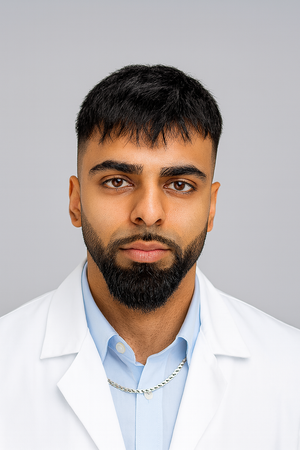
Medically reviewed by
Tarun Kumar, Prescribing Pharmacist (GPhC 2233073)
Reviewed on: June 03, 2026