

Is a Cold Sore Herpes? Understanding Transmission

Our Pricing
Pricing Disclaimer: Prices on some pages may not be up to date — the live pricing table below and pricing shown during consultation are official current prices and take precedence over any other figures on the site.

Is a Cold Sore Herpes? Understanding Transmission
Published on: June 03, 2026
Many UK patients ask is a cold sore herpes—and the answer is yes. Cold sores are caused by herpes simplex virus type 1 (HSV-1), a highly contagious viral infection that affects approximately 67% of the global population under age 50 [1]. At Cured Pharmacy, our clinical team helps thousands of patients understand transmission risks and access effective antiviral treatments to manage outbreaks.
Is a Cold Sore Herpes? The Clinical Connection
Cold sores are indeed a form of herpes, specifically caused by herpes simplex virus type 1 (HSV-1). This virus belongs to the same family as HSV-2, which primarily causes genital herpes, though either strain can affect oral or genital areas [1]. Once contracted, HSV-1 remains dormant in nerve cells and can reactivate periodically, causing the characteristic fluid-filled blisters around the lips and mouth.
The World Health Organization estimates that 3.7 billion people under 50 worldwide carry HSV-1, making it one of the most prevalent viral infections [1]. In the UK, most people acquire the virus during childhood through non-sexual contact, though transmission can occur at any age through direct contact with active lesions or viral shedding.
How Cold Sore Transmission Occurs
Cold sores spread through direct contact with the virus, which is present in saliva, oral secretions, and fluid from active blisters. The virus enters the body through small breaks in the skin or mucous membranes, establishing lifelong infection in nerve ganglia [2]. Transmission is most likely during active outbreaks when visible blisters are present, but asymptomatic viral shedding can occur even without symptoms.
Common transmission routes include kissing, sharing utensils or drinking glasses, sharing lip balm or cosmetics, and touching an active cold sore then touching another part of your body or another person. Parents often unknowingly transmit HSV-1 to children through everyday affectionate contact [2].
The contagious period typically begins during the tingling or prodromal stage—before blisters appear—and continues until the lesion has completely healed and the scab has fallen off naturally. This entire period can last 7-14 days, though antiviral treatment can reduce both duration and viral shedding [3].
Viral Shedding Without Symptoms
Research shows that HSV-1 can be transmitted even when no visible cold sore is present, a phenomenon called asymptomatic viral shedding. Studies indicate this occurs on approximately 9-18% of days in infected individuals, though the viral load is typically lower than during active outbreaks [2]. This explains why some people contract the virus without recalling contact with someone who had visible symptoms.
Preventing Cold Sore Transmission in the UK
Preventing transmission requires vigilance during both active outbreaks and asymptomatic periods. During an active cold sore, avoid direct contact with the affected area, refrain from kissing or intimate contact, use separate towels and face cloths, avoid sharing eating utensils or drinking glasses, and wash hands thoroughly after touching the affected area [3].
Long-term prevention strategies include managing triggers that reactivate the virus, such as stress, fatigue, sun exposure, hormonal changes, and weakened immune function. Many UK patients find that identifying their personal triggers allows them to take preventative action, including starting antiviral treatment at the first sign of tingling.
For individuals with frequent recurrent outbreaks (six or more per year), suppressive antiviral therapy may be recommended by a UK prescriber. Daily low-dose aciclovir has been shown to reduce outbreak frequency by up to 80% in some patients, though this requires ongoing clinical assessment [4].
Protection for Partners and Family Members
If you have recurrent cold sores, inform partners and close family members about transmission risks. While complete prevention isn't always possible given asymptomatic shedding, avoiding contact during active outbreaks significantly reduces transmission probability. Parents with cold sores should be particularly cautious with newborns, as neonatal herpes can cause serious complications requiring immediate medical attention.
Aciclovir Cold Sore Treatment UK Options
Aciclovir is the gold-standard antiviral treatment for cold sores in the UK, available as both topical cream and oral tablets. The medication works by inhibiting viral DNA replication, reducing the severity and duration of outbreaks when started early [3]. At Cured Pharmacy, we offer Numark Cold Sore Cream containing 5% aciclovir for £4.49, providing effective relief at the lowest UK price.
Topical aciclovir cream should be applied at the first sign of tingling or redness, ideally within the first few hours of symptom onset. Clinical trials demonstrate that early application can reduce healing time by approximately 1-2 days and may prevent full blister development in some cases [3]. The cream is applied five times daily for up to five days.
For patients with severe or frequent outbreaks, oral aciclovir tablets may be more appropriate. These systemic treatments achieve higher antiviral concentrations and are particularly effective for suppressive therapy. All oral aciclovir prescriptions require clinical assessment by a UK prescriber, which our team provides through a free online consultation taking under three minutes.
When Cold Sores Require Medical Attention
While most cold sores resolve without complications, certain situations warrant professional medical assessment. Seek advice from a UK healthcare provider if cold sores spread to the eyes (causing pain, light sensitivity, or vision changes), outbreaks occur more than six times per year, symptoms persist beyond two weeks despite treatment, or you have a weakened immune system due to HIV, chemotherapy, or immunosuppressive medications [4].
Eczema herpeticum is a rare but serious complication where HSV-1 spreads across areas of damaged skin, particularly in individuals with atopic eczema. This presents as rapidly spreading painful blisters and requires urgent antiviral treatment. Similarly, herpetic whitlow—HSV-1 infection of the fingers—can occur through autoinoculation and may be mistaken for bacterial infection.
Pregnant women experiencing their first cold sore outbreak should inform their midwife or GP, particularly if approaching delivery, as primary HSV infection carries different risks than recurrent outbreaks. Our superintendent pharmacist, Tarun Kumar (GPhC 2233073), and the clinical team at Cured Pharmacy can provide guidance on safe treatment options during pregnancy and breastfeeding.
Cold Sores in Immunocompromised Patients
Individuals with weakened immune systems may experience more severe, prolonged, or atypical cold sore presentations. These patients often require longer courses of oral antivirals and closer monitoring. If you're taking immunosuppressive medications or have a condition affecting immune function, discuss cold sore management with your specialist alongside our clinical team.
Living with Recurrent Cold Sores: UK Clinical Guidance
For the majority of UK patients with HSV-1, cold sores are a manageable condition rather than a serious health concern. Understanding your personal outbreak triggers, maintaining antiviral treatment on hand for early intervention, and following transmission precautions during active episodes allows most people to minimise impact on daily life [4].
Lifestyle factors that support immune function—including adequate sleep, stress management, balanced nutrition, and sun protection for lips—may help reduce outbreak frequency, though individual responses vary. Some patients find that lysine supplements or topical lemon balm provide additional benefit, though evidence is less robust than for aciclovir-based treatments.
At Cured Pharmacy, we ensure all patients have access to genuine UK-licensed medicines with transparent upfront pricing and discreet packaging. Our clinical team is available to answer questions about cold sore management, treatment selection, and transmission prevention. All consultations are conducted by UK-registered prescribers in compliance with MHRA and GPhC regulations, ensuring safe and appropriate care.
Scientific References
- James, C., Harfouche, M., Welton, N. J., Turner, K. M., Abu-Raddad, L. J., Gottlieb, S. L., & Looker, K. J. (2020). Herpes simplex virus: global infection prevalence and incidence estimates, 2016. Bulletin of the World Health Organization, 98(5), 315–329. https://doi.org/10.2471/BLT.19.237149 [accessed 13 August 2026]
- Miller, C. S., & Danaher, R. J. (2008). Asymptomatic shedding of herpes simplex virus (HSV) in the oral cavity. Oral Surgery, Oral Medicine, Oral Pathology, Oral Radiology, and Endodontology, 105(1), 43–50. https://doi.org/10.1016/j.tripleo.2007.06.011 [accessed 13 August 2026]
- Spruance, S. L., Nett, R., Marbury, T., Wolff, R., Johnson, J., & Spaulding, T. (2002). Acyclovir cream for treatment of herpes simplex labialis: results of two randomized, double-blind, vehicle-controlled, multicenter clinical trials. Antimicrobial Agents and Chemotherapy, 46(7), 2238–2243. https://doi.org/10.1128/AAC.46.7.2238-2243.2002 [accessed 13 August 2026]
- Rooney, J. F., Straus, S. E., Mannix, M. L., Wohlenberg, C. R., Alling, D. W., Dumois, J. A., & Notkins, A. L. (1993). Oral acyclovir to suppress frequently recurrent herpes labialis. A double-blind, placebo-controlled trial. Annals of Internal Medicine, 118(4), 268–272. https://doi.org/10.7326/0003-4819-118-4-199302150-00004 [accessed 13 August 2026]
Information on this page is for educational purposes only and is not medical advice. All prescription treatments require clinical assessment by a UK-registered prescriber. Always consult a qualified healthcare professional before starting any new medication.
Trusted by thousands
Real people, real results
Jane L.
"Brilliant. Lost 4 stone on mounjaro no side effects at all. Cured pharmacy are excellent. Always helpful pens sent out quickly always comes with needles and sterile wipes. If you want to go on GLP-1 go to cured pharmacy. So professional. Thank you cured pharmacy you changed my health and well being."
Ann-Marie
"I absolutely love this product, I have been using 2.5mg as maintenance dose and have managed to control my weight without any side effects and can still eat well balanced meals. The pharmacy is very efficient friendly and helpful I would not purchase from anywhere else."
Sacha W.
"So far I'm really impressed by my results it's crazy cause I'm not snacking like how I used to do and I see my face slimming down already and it's only been 2 and a half weeks. Can't wait to give my feedback in 5 months time thank you cured pharmacy."
Kimberly G.
"Mounjaro has corrected my hormonal weight gain during menopause. I am using it now to maintain that balance. The results for me have been exceptional!"
Jennifer
"Great really helps cure those nasty habits can't wait for my next mounjaro pen."
How it Works?


Faq
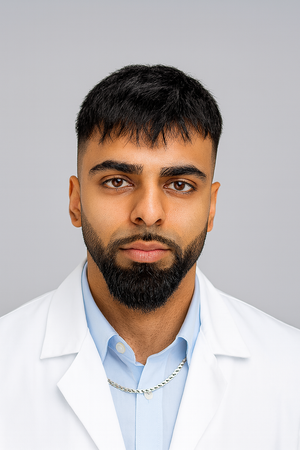
Medically reviewed by
Tarun Kumar, Prescribing Pharmacist (GPhC 2233073)
Reviewed on: June 03, 2026