

Impetigo vs Cold Sore: Quick Identification Guide

Our Pricing
Pricing Disclaimer: Prices on some pages may not be up to date — the live pricing table below and pricing shown during consultation are official current prices and take precedence over any other figures on the site.

Impetigo vs Cold Sore: Quick Identification Guide
Published on: June 03, 2026
Understanding the impetigo vs cold sore uk difference is essential for prompt, appropriate treatment. While both conditions cause facial lesions, they have distinct causes, appearances, and treatment pathways. At Cured Pharmacy, our UK-registered clinical team can assess your symptoms and provide genuine UK-licensed treatments within hours.
Key Visual Differences: Impetigo vs Cold Sore UK Presentation
Cold sores typically begin with a tingling sensation followed by small fluid-filled blisters that cluster around the lip border [1]. These vesicles rupture within 48 hours, forming a characteristic honey-coloured crust. The lesions usually remain confined to the vermillion border and rarely extend beyond 10mm in diameter.
Impetigo, by contrast, presents as larger golden-yellow crusted lesions that can appear anywhere on the face, though perioral and perinasal areas are common [2]. The crusts are thicker and more adherent than cold sore scabs, often described as having a 'stuck-on' appearance. Unlike cold sores, impetigo lesions frequently spread rapidly to adjacent skin areas and may appear in multiple non-contiguous sites.
A critical distinguishing feature is the prodrome: cold sores announce themselves with localised tingling or burning 12-24 hours before visible lesions appear, whilst impetigo typically develops without warning [1][2]. Cold sores recur in the same location due to dormant herpes simplex virus in nerve ganglia, whereas impetigo represents a new bacterial infection each time.
What Causes Each Condition: Viral vs Bacterial Origins
Cold sores result from herpes simplex virus type 1 (HSV-1) infection, which establishes lifelong latency in trigeminal nerve ganglia after initial exposure [1]. Reactivation occurs during periods of immune suppression, UV exposure, stress, or hormonal changes. Approximately 67% of UK adults under 50 carry HSV-1, though only 20-40% experience recurrent symptomatic outbreaks.
Impetigo is a bacterial skin infection caused predominantly by Staphylococcus aureus or, less commonly, Group A Streptococcus [2]. It occurs when bacteria breach the skin barrier through minor trauma, insect bites, or pre-existing dermatoses like eczema. Unlike cold sores, impetigo is not a reactivation phenomenon but represents acute bacterial colonisation and infection.
This fundamental difference in aetiology determines treatment approach: cold sores require antiviral medication to inhibit viral replication, whilst impetigo demands topical or systemic antibiotics to eradicate bacterial pathogens [1][2].
Transmission and Contagion Patterns
Both conditions are contagious but spread through different mechanisms. Cold sores transmit via direct contact with active lesions or viral shedding from saliva, with highest infectivity during the vesicular stage [1]. Impetigo spreads through contact with infected skin, contaminated fomites, or autoinoculation to other body sites [2]. Children with impetigo should remain off school until lesions have crusted or 48 hours after starting antibiotic therapy, as per UK Health Security Agency guidance.
Cold Sore Treatment Options Available at Cured Pharmacy
Aciclovir remains the gold-standard antiviral for cold sore management in the UK [3]. When applied at the first sign of tingling (prodromal stage), aciclovir cream can reduce lesion duration by 0.5-1 day and decrease viral shedding. Topical aciclovir works by inhibiting viral DNA polymerase, preventing HSV-1 replication within infected keratinocytes.
At Cured Pharmacy, we stock Numark Cold Sore Cream containing 5% aciclovir from £4.49, providing the lowest prices guaranteed in the UK. For patients experiencing frequent or severe outbreaks (six or more episodes annually), oral aciclovir tablets may be prescribed following online consultation with our UK-registered clinical team. Oral therapy achieves higher tissue concentrations and can be used for both acute treatment and suppressive prophylaxis [3].
Treatment efficacy depends critically on early initiation. Patients who apply aciclovir within one hour of prodromal symptoms experience significantly better outcomes than those who delay until vesicles appear [3]. Our discreet next-day delivery ensures you receive treatment rapidly when every hour matters.
When to Choose Oral vs Topical Aciclovir
Topical aciclovir suits most patients with infrequent, mild-to-moderate cold sores and can be purchased without prescription following a brief pharmacy consultation. Oral aciclovir requires prescription-only access and is reserved for immunocompromised patients, those with severe or frequent recurrences, or cases involving extensive facial involvement [3]. Our UK prescribers assess your medical history and outbreak pattern during the free online consultation to determine the most appropriate formulation.
Impetigo Treatment: When Antibiotics Are Essential
Impetigo requires antibiotic therapy to eradicate bacterial infection and prevent complications such as post-streptococcal glomerulonephritis or cellulitis [2]. Localised impetigo with fewer than three lesions typically responds to topical fusidic acid or mupirocin applied three times daily for five days. More extensive disease or lesions near the eyes necessitate oral antibiotics, usually flucloxacillin or clarithromycin.
Unlike cold sores, impetigo cannot be managed with over-the-counter treatments. All antibiotic preparations require prescription from a UK-registered prescriber following clinical assessment [2]. At Cured Pharmacy, our online consultation takes under three minutes and enables same-day prescribing for eligible patients.
Adjunctive measures include gentle crust removal with warm saline compresses and strict hygiene to prevent autoinoculation. Patients should avoid sharing towels, pillowcases, or cosmetics until lesions have fully healed [2].
How to Tell Impetigo from Cold Sore: Clinical Decision Points
Several clinical features reliably distinguish these conditions. Cold sores almost always affect the vermillion border of the lips, whilst impetigo commonly involves the skin around (not on) the lips, nostrils, or cheeks [1][2]. The presence of a tingling prodrome strongly suggests cold sore, as impetigo lacks warning symptoms.
Lesion morphology provides further clues: cold sores begin as grouped vesicles on an erythematous base, whilst impetigo starts as fragile vesicles that rapidly rupture, leaving the characteristic golden crust without a vesicular stage being observed [2]. Cold sore crusts are thin and dark red-brown; impetigo crusts are thick, yellow-gold, and firmly adherent.
Patient history matters significantly. A history of recurrent lesions in the same location points to cold sores, whereas a new presentation in a child with recent minor facial trauma suggests impetigo [1][2]. Fever, lymphadenopathy, and satellite lesions are more common with impetigo than uncomplicated cold sores.
When to Seek Urgent Medical Review
Certain presentations require same-day GP or emergency assessment rather than online consultation. These include lesions involving the eye or periorbital area (risk of keratitis or orbital cellulitis), signs of systemic infection such as fever above 38°C, rapidly spreading lesions with surrounding cellulitis, or lesions in immunocompromised patients [1][2]. Eczema herpeticum—widespread HSV infection in patients with atopic dermatitis—constitutes a dermatological emergency requiring urgent hospital admission.
Preventing Recurrence: Cold Sore vs Impetigo Strategies
Cold sore prevention focuses on avoiding known triggers and, for frequent sufferers, suppressive antiviral therapy. Daily oral aciclovir 400mg twice daily can reduce outbreak frequency by 70-80% in patients experiencing six or more episodes annually [3]. Prophylactic topical aciclovir before UV exposure or during periods of stress may abort impending outbreaks in susceptible individuals.
Impetigo prevention centres on skin barrier integrity and hygiene. Prompt treatment of underlying eczema, careful wound care, and avoiding nasal carriage of Staphylococcus aureus through nasal mupirocin ointment can reduce recurrence risk [2]. Unlike cold sores, impetigo does not establish latency, so each episode represents a new infection that is entirely preventable with appropriate measures.
At Cured Pharmacy, our clinical team can prescribe both acute and prophylactic treatments following comprehensive assessment. Superintendent pharmacist Tarun Kumar (GPhC 2233073) oversees all clinical protocols to ensure evidence-based, MHRA-compliant care for every patient.
Scientific References
- Arduino, P. G., & Porter, S. R. (2008). Herpes Simplex Virus Type 1 infection: overview on relevant clinico-pathological features. Journal of Oral Pathology & Medicine, 37(2), 107–121. https://doi.org/10.1111/j.1600-0714.2007.00586.x [accessed 13 August 2026]
- Hartman-Adams, H., Banvard, C., & Juckett, G. (2014). Impetigo: Diagnosis and Treatment. American Family Physician, 90(4), 229–235. https://www.aafp.org/pubs/afp/issues/2014/0815/p229.html [accessed 13 August 2026]
- Chi, C. C., Wang, S. H., Delamere, F. M., Wojnarowska, F., Peters, M. C., & Kanjirath, P. P. (2015). Interventions for prevention of herpes simplex labialis (cold sores on the lips). Cochrane Database of Systematic Reviews, 2015(8), CD010095. https://doi.org/10.1002/14651858.CD010095.pub2 [accessed 13 August 2026]
Information on this page is for educational purposes only and is not medical advice. All prescription treatments require clinical assessment by a UK-registered prescriber. Always consult a qualified healthcare professional before starting any new medication.
Trusted by thousands
Real people, real results
Jane L.
"Brilliant. Lost 4 stone on mounjaro no side effects at all. Cured pharmacy are excellent. Always helpful pens sent out quickly always comes with needles and sterile wipes. If you want to go on GLP-1 go to cured pharmacy. So professional. Thank you cured pharmacy you changed my health and well being."
Ann-Marie
"I absolutely love this product, I have been using 2.5mg as maintenance dose and have managed to control my weight without any side effects and can still eat well balanced meals. The pharmacy is very efficient friendly and helpful I would not purchase from anywhere else."
Sacha W.
"So far I'm really impressed by my results it's crazy cause I'm not snacking like how I used to do and I see my face slimming down already and it's only been 2 and a half weeks. Can't wait to give my feedback in 5 months time thank you cured pharmacy."
Kimberly G.
"Mounjaro has corrected my hormonal weight gain during menopause. I am using it now to maintain that balance. The results for me have been exceptional!"
Jennifer
"Great really helps cure those nasty habits can't wait for my next mounjaro pen."
How it Works?


Faq
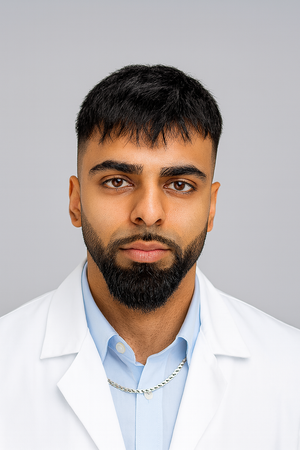
Medically reviewed by
Tarun Kumar, Prescribing Pharmacist (GPhC 2233073)
Reviewed on: June 03, 2026