

How to Prevent Cold Sore Outbreaks Effectively

Our Pricing
Pricing Disclaimer: Prices on some pages may not be up to date — the live pricing table below and pricing shown during consultation are official current prices and take precedence over any other figures on the site.

How to Prevent Cold Sore Outbreaks Effectively
Published on: June 03, 2026
Understanding how to prevent cold sore outbreaks uk effectively requires a combination of trigger avoidance, antiviral therapy, and immune system support. At Cured Pharmacy, our UK-registered clinical team has helped thousands of patients reduce both the frequency and severity of herpes simplex virus type 1 (HSV-1) recurrences through evidence-based prevention strategies.
Understanding Cold Sore Triggers and How to Prevent Cold Sore Outbreaks
Cold sores result from reactivation of the herpes simplex virus type 1 (HSV-1), which remains dormant in nerve cells between outbreaks. Research shows that approximately 67% of the UK population under 50 carries HSV-1, though not everyone experiences recurrent symptoms [1]. Reactivation occurs when specific triggers weaken local immune defences or stimulate viral replication in nerve ganglia.
The most commonly documented triggers include ultraviolet (UV) light exposure, psychological stress, fever or systemic illness, hormonal fluctuations during menstruation, and physical trauma to the lip area [1][2]. Studies demonstrate that patients who identify and systematically avoid their personal triggers can reduce outbreak frequency by up to 50% without pharmaceutical intervention [2].
Keeping a trigger diary for three months helps identify patterns unique to your situation. Note potential triggers 24-48 hours before each outbreak, as this represents the typical prodromal period when viral replication accelerates before visible lesions appear.
Antiviral Medications for Cold Sore Prevention
Aciclovir remains the gold-standard antiviral for both treating and preventing cold sore outbreaks in the UK. This nucleoside analogue works by inhibiting viral DNA polymerase, preventing HSV-1 from replicating during the early stages of reactivation [3]. When applied at the first tingling sensation (prodrome), topical aciclovir 5% cream can reduce healing time by an average of 0.5-1 day and may prevent full lesion development in some cases [3].
For patients experiencing frequent outbreaks (six or more per year), suppressive oral aciclovir therapy may be appropriate. Clinical trials show that daily oral aciclovir 400mg twice daily can reduce outbreak frequency by 73% compared to placebo, with excellent tolerability over extended treatment periods [4]. This approach requires assessment by a UK prescriber to determine suitability based on your medical history and outbreak pattern.
At Cured Pharmacy, we stock Numark Cold Sore Cream containing aciclovir 5% from £4.49, alongside prescription-strength oral aciclovir tablets. Both require completion of a free online clinical assessment by our UK-registered prescribers, ensuring treatment appropriateness and safety.
When to Consider Suppressive Therapy
Suppressive antiviral therapy becomes clinically appropriate when recurrent outbreaks significantly impact quality of life, occur more than six times annually, or coincide with important personal or professional events. Your UK prescriber will assess factors including outbreak frequency, severity, psychological impact, and any immunocompromising conditions before recommending long-term prophylaxis.
UV Protection and Sun Exposure Management
Ultraviolet radiation represents one of the most consistently documented cold sore triggers, with studies showing UV exposure precipitates outbreaks in up to 27% of susceptible individuals [2]. UV light appears to trigger local immunosuppression in lip tissue and may directly activate latent HSV-1 through cellular stress pathways.
Applying broad-spectrum SPF 30 or higher lip balm before sun exposure significantly reduces UV-triggered reactivation. A randomised controlled trial found that skiers using SPF 30 lip protection experienced 71% fewer cold sore outbreaks compared to those using placebo balm during a week of high-altitude sun exposure [5]. Reapply every two hours and after eating or drinking for optimal protection.
Consider UV protection particularly important during skiing holidays, beach vacations, and outdoor summer activities. Some patients benefit from starting prophylactic oral aciclovir several days before anticipated high UV exposure, though this requires prescriber approval and is typically reserved for those with severe photosensitivity.
Stress Management and Immune System Support
Psychological stress consistently correlates with increased cold sore frequency, likely through stress hormone-mediated suppression of cell-mediated immunity. Studies using validated stress questionnaires demonstrate that high-stress periods precede outbreaks in 32-38% of recurrent cases [2]. The hypothalamic-pituitary-adrenal axis activation during stress appears to create conditions favouring viral reactivation.
Evidence-based stress reduction techniques include cognitive behavioural therapy approaches, mindfulness meditation (20 minutes daily), regular moderate-intensity exercise, and adequate sleep (7-9 hours nightly). A prospective study found that participants practising stress management techniques experienced 41% fewer outbreaks over six months compared to controls [6].
Nutritional factors may also influence outbreak frequency, though evidence remains less robust than for other triggers. Some observational data suggest that maintaining adequate lysine intake relative to arginine (an amino acid that may promote viral replication) could reduce recurrence rates, though randomised trials show mixed results [7]. Focus primarily on a balanced diet supporting overall immune function rather than extreme dietary restrictions.
Sleep Quality and Outbreak Prevention
Sleep deprivation impairs natural killer cell activity and reduces production of protective cytokines, creating conditions that favour HSV-1 reactivation. Prioritising consistent sleep schedules and addressing sleep disorders may reduce outbreak frequency, particularly in patients who notice outbreaks following periods of poor sleep quality.
Recognising Prodromal Symptoms for Early Intervention
The prodromal phase—characterised by tingling, itching, or burning sensations at the site where a cold sore will develop—typically begins 6-24 hours before visible lesions appear. This window represents the optimal time for antiviral intervention, as viral replication is accelerating but has not yet caused extensive tissue damage [3].
Patients who initiate topical aciclovir treatment during the prodrome achieve significantly better outcomes than those who wait for visible lesions. One meta-analysis found that prodromal treatment reduced the proportion of patients who developed classical vesicular lesions by 35% compared to treatment started after lesion appearance [8]. Some patients report that early treatment aborts outbreaks entirely, though individual responses vary.
Learning to recognise your personal prodromal symptoms allows prompt self-treatment with over-the-counter aciclovir cream. Keep treatment readily accessible at home, in your workplace, and when travelling. For patients with prescription oral aciclovir, some UK prescribers provide 'patient-initiated' supplies allowing immediate treatment at first symptoms without requiring a new consultation for each episode.
Preventing Transmission and Managing Active Outbreaks
Whilst prevention focuses primarily on reducing personal outbreak frequency, understanding transmission dynamics protects others and may reduce viral load through decreased reinfection. HSV-1 transmits through direct contact with active lesions or, less commonly, through asymptomatic viral shedding. Avoid kissing, sharing utensils, towels, or lip products during active outbreaks and for 24 hours after complete healing [1].
Careful hand hygiene prevents autoinoculation to other body sites, particularly the eyes (herpetic keratitis) or genitals. Wash hands thoroughly after touching the affected area and avoid touching your eyes. Replace toothbrushes after outbreaks resolve, as HSV-1 can survive on moist surfaces for several hours.
During active outbreaks, avoid known personal triggers that might prolong healing or precipitate additional lesions. Continue any prescribed suppressive therapy without interruption, as discontinuation may lead to rebound reactivation. Most outbreaks resolve within 7-10 days with appropriate antiviral treatment and supportive care.
When to Seek Medical Review
Consult a healthcare professional if outbreaks occur more than six times annually, lesions extend beyond the lip area, healing takes longer than 14 days, or you develop eye symptoms (pain, redness, vision changes). Immunocompromised patients require specialist assessment, as HSV-1 can cause severe disseminated disease in this population.
Scientific References
- James, C., Harfouche, M., Welton, N. J., Turner, K. M., Abu-Raddad, L. J., Gottlieb, S. L., & Looker, K. J. (2020). Herpes simplex virus: global infection prevalence and incidence estimate, 2016. Bulletin of the World Health Organization, 98(5), 315–329. https://doi.org/10.2471/BLT.19.237149 [accessed 13 August 2026]
- Spruance, S. L., Overall, J. C., Kern, E. R., Krueger, G. G., Pliam, V., & Miller, W. (1977). The natural history of recurrent herpes simplex labialis: implications for antiviral therapy. New England Journal of Medicine, 297(2), 69–75. https://doi.org/10.1056/NEJM197707142970201 [accessed 13 August 2026]
- Spruance, S. L., Nett, R., Marbury, T., Wolff, R., Johnson, J., & Spaulding, T. (2002). Acyclovir cream for treatment of herpes simplex labialis: results of two randomized, double-blind, vehicle-controlled, multicenter clinical trials. Antimicrobial Agents and Chemotherapy, 46(7), 2238–2243. https://doi.org/10.1128/AAC.46.7.2238-2243.2002 [accessed 13 August 2026]
- Rooney, J. F., Straus, S. E., Mannix, M. L., Wohlenberg, C. R., Alling, D. W., Dumois, J. A., & Notkins, A. L. (1993). Oral acyclovir to suppress frequently recurrent herpes labialis. A double-blind, placebo-controlled trial. Annals of Internal Medicine, 118(4), 268–272. https://doi.org/10.7326/0003-4819-118-4-199302150-00004 [accessed 13 August 2026]
- Rooney, J. F., Bryson, Y., Mannix, M. L., Dillon, M., Wohlenberg, C. R., Banks, S., Wallington, C. J., Notkins, A. L., & Straus, S. E. (1991). Prevention of ultraviolet-light-induced herpes labialis by sunscreen. Lancet, 338(8780), 1419–1422. https://doi.org/10.1016/0140-6736(91)92720-j [accessed 13 August 2026]
- Cohen, F., Kemeny, M. E., Kearney, K. A., Zegans, L. S., Neuhaus, J. M., & Stites, D. P. (1999). Persistent stress as a predictor of genital herpes recurrence. Archives of Internal Medicine, 159(20), 2430–2436. https://doi.org/10.1001/archinte.159.20.2430 [accessed 13 August 2026]
- Griffith, R. S., Walsh, D. E., Myrmel, K. H., Thompson, R. W., & Behforooz, A. (1987). Success of L-lysine therapy in frequently recurrent herpes simplex infection. Dermatologica, 175(4), 183–190. https://doi.org/10.1159/000248823 [accessed 13 August 2026]
- Chi, C. C., Wang, S. H., Delamere, F. M., Wojnarowska, F., Peters, M. C., & Kanjirath, P. P. (2015). Interventions for prevention of herpes simplex labialis (cold sores on the lips). Cochrane Database of Systematic Reviews, 2015(8), CD010095. https://doi.org/10.1002/14651858.CD010095.pub2 [accessed 13 August 2026]
Information on this page is for educational purposes only and is not medical advice. All prescription treatments require clinical assessment by a UK-registered prescriber. Always consult a qualified healthcare professional before starting any new medication.
Trusted by thousands
Real people, real results
Jane L.
"Brilliant. Lost 4 stone on mounjaro no side effects at all. Cured pharmacy are excellent. Always helpful pens sent out quickly always comes with needles and sterile wipes. If you want to go on GLP-1 go to cured pharmacy. So professional. Thank you cured pharmacy you changed my health and well being."
Ann-Marie
"I absolutely love this product, I have been using 2.5mg as maintenance dose and have managed to control my weight without any side effects and can still eat well balanced meals. The pharmacy is very efficient friendly and helpful I would not purchase from anywhere else."
Sacha W.
"So far I'm really impressed by my results it's crazy cause I'm not snacking like how I used to do and I see my face slimming down already and it's only been 2 and a half weeks. Can't wait to give my feedback in 5 months time thank you cured pharmacy."
Kimberly G.
"Mounjaro has corrected my hormonal weight gain during menopause. I am using it now to maintain that balance. The results for me have been exceptional!"
Jennifer
"Great really helps cure those nasty habits can't wait for my next mounjaro pen."
How it Works?


Faq
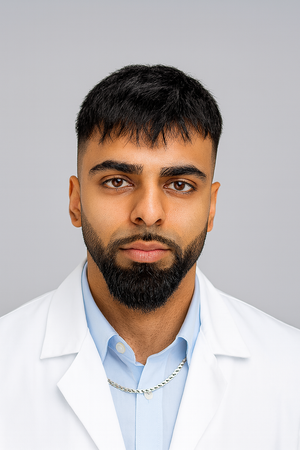
Medically reviewed by
Tarun Kumar, Prescribing Pharmacist (GPhC 2233073)
Reviewed on: June 03, 2026