

How Long Do Cold Sores Last? Complete Timeline

Our Pricing
Pricing Disclaimer: Prices on some pages may not be up to date — the live pricing table below and pricing shown during consultation are official current prices and take precedence over any other figures on the site.

How Long Do Cold Sores Last? Complete Timeline
Published on: June 03, 2026
Understanding how long do cold sores last helps you manage expectations and seek treatment at the right time. Most cold sores progress through five distinct stages over 7-10 days, though early treatment with aciclovir can reduce this duration by up to 2 days [1]. At Cured Pharmacy, our UK clinical team can assess your symptoms and recommend appropriate antiviral treatment to help speed recovery.
The Complete Cold Sore Timeline: What to Expect
Cold sores typically follow a predictable timeline from first symptoms to complete healing. Without treatment, the entire cycle takes 7-10 days on average, though this can extend to 14 days in some cases [1]. The virus progresses through five distinct stages, each with characteristic symptoms and varying levels of contagiousness.
Early intervention during the first 48 hours—ideally within the first 24 hours of symptoms—offers the best chance of reducing both severity and duration [2]. This is why recognising the initial tingling sensation is so important for effective management.
Stage 1: Tingling and Itching (Days 0-1)
The prodromal stage begins before any visible signs appear. You may experience tingling, itching, or burning sensations around the lip area, often accompanied by localised tenderness [1]. This stage typically lasts 12-24 hours and represents your best opportunity for treatment intervention.
Many patients describe a sensation of tightness or hypersensitivity in the affected area. Starting aciclovir treatment during this stage can significantly reduce the severity of subsequent stages and may even prevent full blister formation in some cases [2].
Why Early Treatment Matters
Aciclovir works by inhibiting viral DNA replication, which is most effective when viral activity is just beginning [2]. Applying topical aciclovir cream at the first sign of tingling can reduce healing time and limit blister size. At Cured Pharmacy, our Numark Cold Sore Cream contains 5% aciclovir from £4.49, providing effective early intervention.
Stage 2: Blister Formation (Days 1-2)
Within 24-48 hours of initial symptoms, small fluid-filled blisters appear, typically clustered together on or around the lip border [1]. These blisters contain highly contagious viral particles and represent the peak of viral shedding. The area may appear red and swollen, and discomfort often intensifies during this stage.
The blisters are extremely fragile and may rupture easily with contact or movement. This is the most contagious phase of infection, and strict hygiene measures are essential to prevent transmission to others or spreading the virus to other areas of your own body [3].
Stage 3: Weeping and Ulceration (Days 2-4)
The blisters rupture, releasing clear fluid and creating shallow, painful ulcers. This is often described as the most uncomfortable stage, with increased pain, tenderness, and potential bleeding [1]. The open sores remain highly contagious and vulnerable to secondary bacterial infection.
During this stage, maintaining cleanliness is crucial. Avoid touching the affected area, and if contact is necessary, wash hands thoroughly immediately afterwards. The ulcers typically persist for 2-3 days before beginning to form protective crusts [3].
Managing Discomfort During the Weeping Stage
Over-the-counter pain relief such as paracetamol or ibuprofen can help manage discomfort. Continuing aciclovir treatment throughout this stage supports faster healing, even though visible symptoms are already present [2]. Avoid picking at or attempting to drain blisters, as this increases infection risk and prolongs healing time.
Stage 4: Crusting and Scabbing (Days 4-7)
As the ulcers begin to heal, a yellowish or brown crust forms over the affected area. This scab protects the healing tissue beneath but may crack and bleed if the mouth is opened too wide or if the area becomes too dry [1]. While discomfort typically decreases during this stage, the appearance can be cosmetically concerning.
The scab may feel tight and itchy as healing progresses. Resist the urge to pick at or remove the scab prematurely, as this can cause scarring, delay healing, and potentially reactivate viral shedding [3]. The area remains mildly contagious until the scab falls off naturally.
Stage 5: Resolution and Healing (Days 7-10)
The scab gradually dries, shrinks, and eventually falls off, revealing new pink skin underneath. Complete healing typically occurs by day 7-10, though some residual redness may persist for several additional days [1]. Once the scab has completely detached and no broken skin remains, the cold sore is no longer contagious.
The newly healed skin may appear slightly different in colour or texture initially but typically returns to normal within 2-3 weeks. Recurrent cold sores often appear in the same location due to the virus remaining dormant in local nerve ganglia [3].
How Aciclovir Speeds Healing
Clinical studies demonstrate that aciclovir treatment can reduce cold sore healing time by 1-2 days when started early [2]. Both topical creams and oral tablets are available, with oral formulations offering systemic antiviral effects for more severe or frequent outbreaks. Our Aciclovir Cold Sore Treatment tablets from £4.49 require a clinical assessment by our UK prescriber team but may be appropriate for recurrent cases.
Scientific References
- Spruance, S. L., et al. (2003). Peroral famciclovir in the treatment of experimental ultraviolet radiation-induced herpes simplex labialis: a double-blind, dose-ranging, placebo-controlled, multicenter trial. Journal of Infectious Diseases, 187(10), 1500-1507. https://doi.org/10.1086/374877 [accessed 13 August 2026]
- Spruance, S. L., et al. (2002). Acyclovir cream for treatment of herpes simplex labialis: results of two randomized, double-blind, vehicle-controlled, multicenter clinical trials. Antimicrobial Agents and Chemotherapy, 46(7), 2238-2243. https://doi.org/10.1128/AAC.46.7.2238-2243.2002 [accessed 13 August 2026]
- Arduino, P. G., & Porter, S. R. (2008). Herpes simplex virus type 1 infection: overview on relevant clinico-pathological features. Journal of Oral Pathology & Medicine, 37(2), 107-121. https://doi.org/10.1111/j.1600-0714.2007.00586.x [accessed 13 August 2026]
Information on this page is for educational purposes only and is not medical advice. All prescription treatments require clinical assessment by a UK-registered prescriber. Always consult a qualified healthcare professional before starting any new medication.
Trusted by thousands
Real people, real results
Jane L.
"Brilliant. Lost 4 stone on mounjaro no side effects at all. Cured pharmacy are excellent. Always helpful pens sent out quickly always comes with needles and sterile wipes. If you want to go on GLP-1 go to cured pharmacy. So professional. Thank you cured pharmacy you changed my health and well being."
Ann-Marie
"I absolutely love this product, I have been using 2.5mg as maintenance dose and have managed to control my weight without any side effects and can still eat well balanced meals. The pharmacy is very efficient friendly and helpful I would not purchase from anywhere else."
Sacha W.
"So far I'm really impressed by my results it's crazy cause I'm not snacking like how I used to do and I see my face slimming down already and it's only been 2 and a half weeks. Can't wait to give my feedback in 5 months time thank you cured pharmacy."
Kimberly G.
"Mounjaro has corrected my hormonal weight gain during menopause. I am using it now to maintain that balance. The results for me have been exceptional!"
Jennifer
"Great really helps cure those nasty habits can't wait for my next mounjaro pen."
How it Works?


Faq
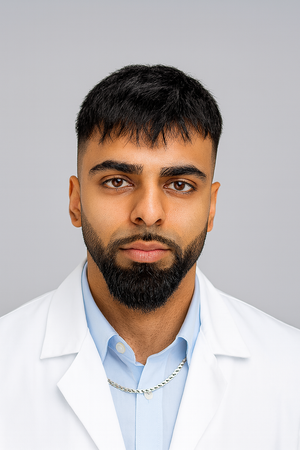
Medically reviewed by
Tarun Kumar, Prescribing Pharmacist (GPhC 2233073)
Reviewed on: June 03, 2026