

How Long Are Cold Sores Contagious?

Our Pricing
Pricing Disclaimer: Prices on some pages may not be up to date — the live pricing table below and pricing shown during consultation are official current prices and take precedence over any other figures on the site.

How Long Are Cold Sores Contagious?
Published on: June 03, 2026
Understanding how long are cold sores contagious UK is essential for preventing transmission to others. Cold sores caused by herpes simplex virus type 1 (HSV-1) remain contagious from the initial tingling sensation through to complete healing—typically 7 to 10 days—though viral shedding can occur even without visible symptoms [1]. At Cured Pharmacy, we provide evidence-based guidance and effective antiviral treatments to help you manage outbreaks and reduce transmission risk.
Understanding the Cold Sore Contagious Period
Cold sores are most contagious during the blister stage when fluid-filled vesicles rupture and release high concentrations of HSV-1 viral particles [1]. The contagious period begins before you even see a blister—during the prodromal phase when you experience tingling, itching, or burning sensations around the lips. This early stage, which occurs 12 to 24 hours before visible lesions appear, already presents transmission risk through close contact.
Once blisters form, the virus remains highly contagious through the weeping and crusting stages. Complete healing typically takes 7 to 10 days from first symptoms, though this timeline varies based on immune function, treatment timing, and whether it's a primary or recurrent outbreak [2]. Even after the scab falls off and skin appears normal, viral shedding can occasionally occur asymptomatically, which is why HSV-1 spreads so efficiently within populations.
When Is a Cold Sore No Longer Contagious?
A cold sore is generally considered non-contagious once the area has completely healed—meaning the scab has fallen off naturally and new skin has formed underneath without any residual redness, cracking, or moisture [2]. This complete healing stage typically occurs 10 to 14 days after the initial tingling sensation, though some individuals heal faster with early antiviral intervention.
However, it's important to understand that even when no visible lesion is present, HSV-1 can undergo asymptomatic viral shedding in approximately 9 to 18% of days, depending on the individual [3]. This means the virus can be present in saliva or on the skin surface without causing symptoms, creating potential transmission risk even between outbreaks. This phenomenon explains why many people contract HSV-1 from partners who have no active cold sore at the time of contact.
Factors Affecting Healing Time
Several factors influence how quickly your cold sore heals and stops being contagious. Early treatment with topical or oral aciclovir can reduce healing time by 1 to 2 days when applied at the first sign of tingling [4]. Immune system strength plays a significant role—individuals with compromised immunity due to stress, illness, or immunosuppressive medications may experience prolonged outbreaks lasting 2 to 3 weeks. Age, nutritional status, and whether the outbreak represents primary infection or viral reactivation also affect the contagious period duration.
How Cold Sores Spread and Transmission Risks
HSV-1 transmits primarily through direct contact with infected saliva, oral secretions, or lesion fluid [1]. Common transmission routes include kissing, sharing utensils or drinking glasses, sharing lip balm or cosmetics, and touching an active cold sore then touching another person. The virus can also spread to other body parts through autoinoculation—if you touch your cold sore and then touch your eyes, you risk developing herpetic keratitis, a serious eye infection.
Children are particularly vulnerable to HSV-1 transmission, with most primary infections occurring before age 5 through innocent contact like kissing from infected family members [3]. In the UK, approximately 70% of adults carry HSV-1 antibodies, indicating previous infection, though many never experience symptomatic outbreaks. The virus establishes lifelong latency in the trigeminal ganglion nerve cells, reactivating periodically in response to triggers like stress, sunlight exposure, hormonal changes, or immune suppression.
Preventing Cold Sore Transmission to Others
Effective prevention requires vigilance from the first tingling sensation through complete healing. Avoid all direct mouth-to-mouth contact including kissing, and refrain from performing oral sex during active outbreaks as HSV-1 can transmit to genital areas, causing genital herpes [2]. Never share personal items that contact the mouth—cups, cutlery, towels, lip balm, toothbrushes, or razors. Wash your hands thoroughly with soap and water immediately after touching the affected area, and avoid touching your cold sore unnecessarily.
When applying topical treatments, use a cotton bud rather than your finger to prevent viral spread to your hands and other body parts. Replace your toothbrush once the cold sore has healed to avoid reinfection from viral particles that may have contaminated the bristles [4]. If you need to touch your face, wash hands before and after. For parents with active cold sores, avoid kissing children on the mouth or face, and be particularly cautious around newborns whose immune systems are still developing.
Workplace and Social Considerations
You don't need to isolate yourself completely during a cold sore outbreak, but certain precautions are essential in professional and social settings. Healthcare workers, childcare providers, and food handlers should take extra care to prevent transmission, including wearing face coverings if required by workplace policy and maintaining strict hand hygiene. Avoid sharing food, drinks, or eating from communal serving dishes during active outbreaks. Most employers don't require time off work for cold sores, but use common sense—if your role involves close face-to-face contact or food preparation, discuss appropriate precautions with your supervisor.
Aciclovir Cold Sore Treatment UK Options
Aciclovir remains the gold-standard antiviral treatment for cold sores in the UK, available both as topical cream and oral tablets [4]. Topical aciclovir 5% cream, such as Numark Cold Sore Cream, works by inhibiting viral DNA replication when applied at the first sign of tingling. Clinical trials demonstrate that early application can reduce healing time by an average of 0.5 to 1 day and may decrease pain and discomfort during the outbreak [4].
For more severe or frequent outbreaks, oral aciclovir tablets (200mg or 400mg) provide systemic antiviral activity and can reduce healing time more significantly than topical treatment alone. Oral aciclovir requires a prescription from a UK prescriber following clinical assessment. At Cured Pharmacy, our online consultation takes under 3 minutes, and if approved, your treatment can be dispensed discreetly with next-day delivery options available. Starting treatment within 24 hours of symptom onset provides the best outcomes for reducing both outbreak severity and contagious period duration.
Treatment Effectiveness and Timing
The effectiveness of aciclovir treatment depends critically on timing—the earlier you start, the better the results. When applied during the prodromal tingling stage, aciclovir can sometimes prevent blister formation entirely, significantly reducing the contagious period [4]. Once blisters have formed, antiviral treatment still provides benefit by accelerating healing and reducing viral shedding. For individuals experiencing frequent recurrent outbreaks (six or more per year), suppressive therapy with daily oral aciclovir may be recommended by your prescriber to reduce outbreak frequency and asymptomatic viral shedding.
Managing Recurrent Outbreaks and Reducing Contagious Periods
Identifying and avoiding your personal triggers can help reduce outbreak frequency and the cumulative time you're contagious throughout the year. Common triggers include ultraviolet light exposure (use SPF 30+ lip balm when outdoors), stress and fatigue, hormonal fluctuations during menstruation, fever or other infections, and trauma to the lip area [3]. Maintaining a strong immune system through adequate sleep, balanced nutrition, regular exercise, and stress management techniques can help suppress viral reactivation.
Keep a supply of aciclovir cream at home so you can begin treatment immediately when you feel that first characteristic tingle. Some patients find that starting treatment at the prodromal stage prevents progression to the blister stage entirely, eliminating the most contagious phase of the outbreak. If you experience more than six outbreaks annually, speak with a UK prescriber about suppressive antiviral therapy, which involves taking oral aciclovir daily to reduce both outbreak frequency and asymptomatic viral shedding, thereby lowering your overall transmission risk to partners and family members [2].
Scientific References
- Arduino, P. G., & Porter, S. R. (2008). Herpes Simplex Virus Type 1 Infection: Overview on Relevant Clinico-Pathological Features. Journal of Oral Pathology & Medicine, 37(2), 107–121. https://doi.org/10.1111/j.1600-0714.2007.00586.x [accessed 13 August 2026]
- Spruance, S. L., et al. (2003). Peroral Famciclovir in the Treatment of Experimental Ultraviolet Radiation-Induced Herpes Simplex Labialis: A Double-Blind, Dose-Ranging, Placebo-Controlled, Multicenter Trial. Journal of Infectious Diseases, 187(10), 1500–1507. https://doi.org/10.1086/374802 [accessed 13 August 2026]
- Miller, C. S., & Danaher, R. J. (2008). Asymptomatic Shedding of Herpes Simplex Virus (HSV) in the Oral Cavity. Oral Surgery, Oral Medicine, Oral Pathology, Oral Radiology, and Endodontology, 105(1), 43–50. https://doi.org/10.1016/j.tripleo.2007.06.011 [accessed 13 August 2026]
- Spruance, S. L., et al. (2002). Acyclovir Cream for Treatment of Herpes Simplex Labialis: Results of Two Randomized, Double-Blind, Vehicle-Controlled, Multicenter Clinical Trials. Antimicrobial Agents and Chemotherapy, 46(7), 2238–2243. https://doi.org/10.1128/AAC.46.7.2238-2243.2002 [accessed 13 August 2026]
Information on this page is for educational purposes only and is not medical advice. All prescription treatments require clinical assessment by a UK-registered prescriber. Always consult a qualified healthcare professional before starting any new medication.
Trusted by thousands
Real people, real results
Jane L.
"Brilliant. Lost 4 stone on mounjaro no side effects at all. Cured pharmacy are excellent. Always helpful pens sent out quickly always comes with needles and sterile wipes. If you want to go on GLP-1 go to cured pharmacy. So professional. Thank you cured pharmacy you changed my health and well being."
Ann-Marie
"I absolutely love this product, I have been using 2.5mg as maintenance dose and have managed to control my weight without any side effects and can still eat well balanced meals. The pharmacy is very efficient friendly and helpful I would not purchase from anywhere else."
Sacha W.
"So far I'm really impressed by my results it's crazy cause I'm not snacking like how I used to do and I see my face slimming down already and it's only been 2 and a half weeks. Can't wait to give my feedback in 5 months time thank you cured pharmacy."
Kimberly G.
"Mounjaro has corrected my hormonal weight gain during menopause. I am using it now to maintain that balance. The results for me have been exceptional!"
Jennifer
"Great really helps cure those nasty habits can't wait for my next mounjaro pen."
How it Works?


Faq
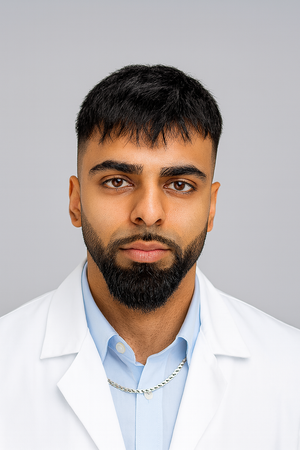
Medically reviewed by
Tarun Kumar, Prescribing Pharmacist (GPhC 2233073)
Reviewed on: June 03, 2026