

Cold Sore vs Canker Sore: Understanding the Stages

Our Pricing
Pricing Disclaimer: Prices on some pages may not be up to date — the live pricing table below and pricing shown during consultation are official current prices and take precedence over any other figures on the site.

Cold Sore vs Canker Sore: Understanding the Stages
Published on: June 03, 2026
Identifying the cold sore vs canker sore stages UK is essential for choosing the right treatment quickly. At Cured Pharmacy, our UK-registered clinical team helps thousands of patients distinguish between these two commonly confused oral lesions and access effective antiviral treatments from £4.49 with discreet next-day delivery.
Cold Sore vs Canker Sore: Key Differences
Cold sores and canker sores are fundamentally different conditions with distinct causes, locations, and treatment approaches. Cold sores are caused by the herpes simplex virus type 1 (HSV-1), which infects approximately 67% of the UK population under age 50 according to WHO data [1]. These viral lesions appear on the outer surfaces of the lips, around the mouth, or occasionally inside the nostrils.
Canker sores, medically termed aphthous ulcers, are not viral infections but rather inflammatory lesions that develop exclusively inside the mouth on soft tissues like the inner cheeks, tongue, or gums [2]. They're not contagious and cannot be transmitted through kissing or sharing utensils, unlike cold sores which remain highly infectious during active outbreaks.
The distinction matters clinically because cold sores respond to antiviral medications like aciclovir, whilst canker sores require symptomatic management with antimicrobial mouthwashes or topical corticosteroids. Misidentifying one for the other delays appropriate treatment and, in the case of cold sores, increases transmission risk to partners and family members.
The Five Stages of Cold Sore Development
Cold sores progress through five distinct stages over 7-10 days, and early intervention during the first stage significantly improves outcomes. Stage one, the prodromal phase, begins 6-24 hours before visible symptoms appear. Patients typically report tingling, itching, or burning sensations at the site where the blister will emerge [3]. Applying aciclovir cream at this earliest stage can reduce outbreak duration by up to 1.5 days in clinical studies.
Stage two involves the formation of fluid-filled blisters, usually appearing as clusters on or around the lip border. These blisters contain millions of viral particles and represent the peak contagious period. Stage three sees the blisters rupture, creating shallow open sores that weep clear fluid — this ulceration phase is often the most painful and continues to be highly infectious.
During stage four, the lesions begin to crust over with yellowish or brown scabs as the body's immune response accelerates healing. The final stage five involves complete healing, though the virus retreats to nerve ganglia where it remains dormant until triggered by stress, illness, UV exposure, or hormonal changes. Approximately 40% of individuals experience recurrent outbreaks, typically 2-3 times annually [1].
When to Start Antiviral Treatment
The evidence strongly supports initiating aciclovir treatment during stage one for maximum efficacy. Our superintendent pharmacist Tarun Kumar advises patients to keep treatment on hand if they experience regular outbreaks, as the 6-24 hour prodromal window closes quickly. Topical aciclovir 5% cream applied five times daily at the first tingling sensation can reduce healing time from 9 days to approximately 7 days [3]. For severe or frequent outbreaks (more than six per year), oral aciclovir tablets may be prescribed by a UK clinician following consultation.
Understanding Canker Sore Stages and Duration
Canker sores follow a different progression pattern than cold sores, typically developing over 3-5 days rather than emerging rapidly. The initial stage presents as a small red spot or bump on the inner cheek, tongue, or soft palate, often accompanied by a tingling sensation. Within 24-48 hours, this spot develops into a round or oval ulcer with a white or yellowish centre and a red inflammatory border [2].
Minor aphthous ulcers, which account for approximately 80% of cases, measure less than 1cm in diameter and heal completely within 7-14 days without scarring. Major aphthous ulcers exceed 1cm, penetrate deeper into the tissue, and may require 2-6 weeks to heal, occasionally leaving scars. A third variant, herpetiform ulcers (despite the name, not related to herpes virus), presents as clusters of dozens of tiny ulcers that coalesce into larger irregular lesions.
Unlike cold sores, canker sores don't benefit from antiviral treatment. Management focuses on pain relief and preventing secondary bacterial infection through antimicrobial mouthwashes containing chlorhexidine or benzydamine. Topical corticosteroid preparations may be prescribed for severe cases, though these require clinical assessment to exclude other oral pathology.
Effective Cold Sore Treatments Available in the UK
Aciclovir remains the gold-standard antiviral treatment for cold sores in the UK, licensed by the MHRA for both prescription and pharmacy-supervised sale. The medication works by inhibiting viral DNA polymerase, preventing HSV-1 from replicating in infected cells [3]. At Cured Pharmacy, we dispense Numark Cold Sore Cream containing aciclovir 5% for rapid symptom relief, with treatment starting from £4.49.
Topical aciclovir should be applied to the affected area five times daily for five days, beginning at the earliest sign of outbreak. Clinical trials demonstrate that early application during the prodromal stage reduces mean healing time by 0.5-1.5 days and decreases the severity of symptoms including pain and vesicle formation [3]. For patients unable to apply cream five times daily, oral aciclovir tablets (200mg five times daily or 400mg three times daily) offer comparable efficacy with improved convenience.
Our UK-registered prescribers assess each patient's outbreak frequency, severity, and medical history during a free online consultation lasting under three minutes. Patients experiencing more than six outbreaks annually may be candidates for suppressive therapy, which involves taking daily oral aciclovir to reduce recurrence frequency by up to 80% in clinical studies. All prescription treatments are dispensed only after clinical approval by a UK prescriber, ensuring safe and appropriate use.
Alternative and Complementary Approaches
Whilst aciclovir demonstrates the strongest clinical evidence, some patients benefit from complementary measures including lysine supplementation (1,000mg three times daily during outbreaks), which may interfere with viral replication, though evidence remains mixed [4]. Ice application during the prodromal stage can temporarily reduce inflammation and provide symptomatic relief. UV protection using lip balm with SPF 30+ helps prevent sun-triggered recurrences, particularly important during summer months or ski holidays.
Managing Canker Sores: Treatment Options
Canker sore management centres on symptom control and accelerating natural healing, as no antiviral treatment exists for these non-infectious lesions. Over-the-counter options include protective gels containing hyaluronic acid or polyvinylpyrrolidone, which form a barrier over the ulcer to reduce pain from food contact and mechanical irritation [2]. Antimicrobial mouthwashes containing chlorhexidine 0.2% or benzydamine 0.15% help prevent secondary bacterial infection whilst providing mild analgesic effects.
For recurrent or severe canker sores, prescription treatments may include topical corticosteroids such as hydrocortisone oromucosal tablets (2.5mg) or triamcinolone dental paste. These reduce inflammatory response and can shorten healing time by 2-3 days when applied early in the ulcer's development [2]. However, corticosteroids require clinical assessment to exclude oral candidiasis, vitamin deficiencies, or underlying conditions like Behçet's disease or inflammatory bowel disease.
Patients experiencing frequent canker sores (more than three per month) should consult a healthcare professional to investigate potential triggers including nutritional deficiencies (vitamin B12, folate, iron), food sensitivities, or systemic conditions. Blood tests may identify correctable deficiencies, and dietary modification eliminating common triggers like acidic foods, nuts, or sodium lauryl sulphate-containing toothpastes can reduce recurrence frequency in susceptible individuals.
Prevention Strategies and Long-Term Management
Preventing cold sore recurrences requires identifying and managing individual triggers whilst maintaining the virus in its dormant state. Common triggers include psychological stress, which suppresses immune function and reactivates latent HSV-1 in nerve ganglia [1]. Physical stressors like fever, menstruation, dental procedures, or intense sun exposure also precipitate outbreaks in many patients. Keeping a symptom diary helps identify personal patterns and enables proactive management.
For cold sore prevention, daily UV protection with lip balm containing SPF 30+ significantly reduces sun-triggered recurrences, particularly important for outdoor workers or those planning beach holidays. Stress management techniques including adequate sleep (7-9 hours nightly), regular exercise, and mindfulness practices help maintain immune resilience. Patients with predictable triggers (such as menstrual-related outbreaks) may benefit from prophylactic aciclovir started 2-3 days before the anticipated trigger event.
Canker sore prevention focuses on identifying dietary and lifestyle factors. Eliminating sodium lauryl sulphate from oral hygiene products reduces recurrence frequency in approximately 60% of affected individuals in observational studies [2]. Maintaining adequate intake of vitamin B12 (2.4mcg daily), folate (400mcg daily), and iron through diet or supplementation addresses common nutritional deficiencies linked to aphthous ulcers. Using a soft-bristled toothbrush and avoiding sharp or abrasive foods reduces mechanical trauma that can trigger ulcer formation in susceptible individuals.
When to Seek Medical Review
Consult a UK healthcare professional if cold sores fail to heal within 10 days, spread to other facial areas, or occur near the eyes (which requires urgent assessment due to risk of ocular herpes). Similarly, seek medical review for canker sores exceeding 3cm in diameter, persisting beyond three weeks, or accompanied by fever, difficulty swallowing, or unexplained weight loss. These features may indicate complications or alternative diagnoses requiring specialist investigation. At Cured Pharmacy, our clinical team remains available on (+44) 116 4646009 for guidance on any concerning oral lesions.
Scientific References
- World Health Organization. (2023). Herpes simplex virus. WHO Fact Sheets. https://www.who.int/news-room/fact-sheets/detail/herpes-simplex-virus [accessed 13 August 2026]
- Edgar, N. R., Saleh, D., & Miller, R. A. (2022). Recurrent Aphthous Stomatitis: A Review. Journal of Clinical and Aesthetic Dermatology, 15(3), 13-17. PMID: 35382276 [accessed 13 August 2026]
- Chi, C. C., Wang, S. H., Delamere, F. M., Wojnarowska, F., Peters, M. C., & Kanjirath, P. P. (2015). Interventions for prevention of herpes simplex labialis (cold sores on the lips). Cochrane Database of Systematic Reviews, 2015(8), CD010095. https://doi.org/10.1002/14651858.CD010095.pub2 [accessed 13 August 2026]
- Mailoo, V. J., & Rampes, S. (2017). Lysine for Herpes Simplex Prophylaxis: A Review of the Evidence. Integrative Medicine, 16(3), 42-46. PMID: 28223907 [accessed 13 August 2026]
Information on this page is for educational purposes only and is not medical advice. All prescription treatments require clinical assessment by a UK-registered prescriber. Always consult a qualified healthcare professional before starting any new medication.
Trusted by thousands
Real people, real results
Jane L.
"Brilliant. Lost 4 stone on mounjaro no side effects at all. Cured pharmacy are excellent. Always helpful pens sent out quickly always comes with needles and sterile wipes. If you want to go on GLP-1 go to cured pharmacy. So professional. Thank you cured pharmacy you changed my health and well being."
Ann-Marie
"I absolutely love this product, I have been using 2.5mg as maintenance dose and have managed to control my weight without any side effects and can still eat well balanced meals. The pharmacy is very efficient friendly and helpful I would not purchase from anywhere else."
Sacha W.
"So far I'm really impressed by my results it's crazy cause I'm not snacking like how I used to do and I see my face slimming down already and it's only been 2 and a half weeks. Can't wait to give my feedback in 5 months time thank you cured pharmacy."
Kimberly G.
"Mounjaro has corrected my hormonal weight gain during menopause. I am using it now to maintain that balance. The results for me have been exceptional!"
Jennifer
"Great really helps cure those nasty habits can't wait for my next mounjaro pen."
How it Works?


Faq
Medically reviewed by
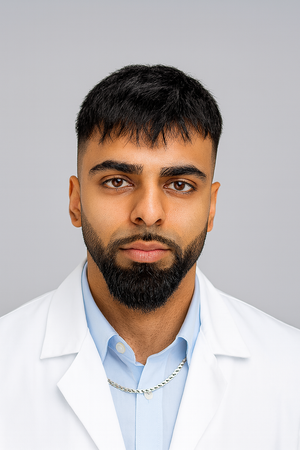
Tarun Kumar, Prescribing Pharmacist (GPhC 2233073)
Reviewed on: June 03, 2026