

How to Treat Cold Sores: Timeline & Treatment Options

Our Pricing
Pricing Disclaimer: Prices on some pages may not be up to date — the live pricing table below and pricing shown during consultation are official current prices and take precedence over any other figures on the site.

Cold Sore Treatment Timeline UK: What to Expect at Every Stage
Published on: June 03, 2026
Understanding the cold sore treatment timeline UK can help you act quickly when symptoms first appear. At Cured Pharmacy, we dispense genuine UK-licensed aciclovir treatments from £4.49, with expert guidance from our clinical team led by superintendent pharmacist Tarun Kumar (GPhC 2233073).
The Five Stages of a Cold Sore: Complete Timeline
Cold sores progress through five distinct stages, typically lasting 7-10 days without treatment [1]. The prodromal stage begins 1-2 days before visible symptoms, characterised by tingling, itching, or burning sensations around the lip border. This is the optimal window for antiviral intervention.
Stage two involves the appearance of fluid-filled blisters, usually clustered together, which develop over 24-48 hours [1]. Stage three sees these blisters rupture and weep, creating shallow ulcers — the most contagious and painful phase. The lesion then crusts over in stage four, forming a scab that may crack and bleed if disturbed. Finally, stage five involves complete healing as new skin forms beneath the scab, though redness may persist for several days [2].
Clinical studies demonstrate that early antiviral treatment can reduce the overall healing time by 1-2 days and significantly decrease pain severity, particularly when initiated during the prodromal stage [2][3].
How Aciclovir Accelerates Cold Sore Healing
Aciclovir is a nucleoside analogue antiviral that specifically targets the herpes simplex virus (HSV-1), the pathogen responsible for over 90% of cold sores in the UK [3]. Once absorbed into infected cells, aciclovir is phosphorylated by viral thymidine kinase, then incorporated into viral DNA chains, terminating replication.
In randomised controlled trials, topical aciclovir 5% cream applied five times daily reduced median healing time from 7.0 days to 5.5 days when treatment commenced during the prodromal or erythema stage [4]. Oral aciclovir formulations demonstrate even greater efficacy for severe or recurrent episodes, with 400mg five times daily reducing lesion duration by approximately 40% in clinical studies [4].
The key to maximising aciclovir efficacy is early initiation — ideally within the first 24 hours of symptom onset. Our UK prescribers can assess whether topical cream or oral tablets are most appropriate for your presentation during a brief online consultation.
Topical vs Oral Aciclovir: Which Format Works Best?
Topical aciclovir cream is suitable for mild, infrequent cold sores and can be purchased directly from our pharmacy without prescription. Oral aciclovir tablets require a prescription and are typically reserved for patients experiencing frequent recurrences (six or more episodes annually), immunocompromised individuals, or those with severe outbreaks affecting eating or drinking [3]. Your UK prescriber will determine the most appropriate formulation based on your medical history and outbreak pattern.
What Triggers Cold Sore Outbreaks?
After initial infection, HSV-1 remains dormant in the trigeminal ganglion and can reactivate when the immune system is compromised [1]. Common triggers include UV exposure from sunlight, psychological stress, fatigue, fever, menstruation, and upper respiratory tract infections.
A prospective cohort study of 2,500 UK adults found that 67% could identify at least one consistent trigger, with sun exposure cited most frequently (42% of respondents), followed by stress (38%) and illness (31%) [5]. Understanding your personal triggers enables proactive management strategies.
For patients with predictable triggers — such as skiing holidays or beach vacations — prophylactic aciclovir may be prescribed to prevent outbreaks entirely. This approach involves taking oral aciclovir 400mg twice daily for the duration of exposure, reducing outbreak incidence by approximately 75% in clinical trials [5].
Can You Prevent Cold Sores Completely?
Complete prevention is not possible once HSV-1 infection is established, but outbreak frequency can be significantly reduced through trigger avoidance and suppressive antiviral therapy. Daily oral aciclovir 400mg twice daily may be considered for patients experiencing six or more outbreaks per year, subject to prescriber assessment and ongoing clinical review [5].
Cold Sore Treatment Timeline: When to Start Therapy
The single most important factor determining treatment success is timing. Antiviral therapy initiated during the prodromal phase — when you first notice tingling or itching but before blisters appear — yields the greatest reduction in lesion duration and symptom severity [2][4].
Once blisters have formed, aciclovir can still reduce healing time and viral shedding, though the magnitude of benefit diminishes with each passing day. Starting treatment during the ulcerative stage (when blisters have burst) provides minimal clinical benefit for healing time, though it may reduce transmission risk by lowering viral load [4].
For this reason, we recommend keeping aciclovir cream readily available if you experience recurrent cold sores, enabling immediate application at the first sign of symptoms. Our UK-registered clinical team can provide guidance on recognition of early warning signs during your consultation.
Managing Pain and Discomfort During Outbreaks
Cold sore pain typically peaks during the ulcerative stage (days 3-4) and can interfere with eating, drinking, and speaking [1]. Over-the-counter analgesics such as paracetamol or ibuprofen provide systemic pain relief and can be used alongside topical antiviral treatment.
Topical lidocaine preparations may offer temporary numbness for severe discomfort, though they should not be applied simultaneously with aciclovir cream as they may reduce drug absorption. Keeping the lesion moist with petroleum jelly can prevent painful cracking of scabs, though this does not accelerate healing [2].
Avoid picking or peeling scabs, as this prolongs healing, increases scarring risk, and can spread the virus to other facial areas. Cold compresses applied for 10-15 minutes several times daily may reduce inflammation and provide symptomatic relief during the blister stage.
When Cold Sores Require Urgent Medical Attention
Seek immediate medical assessment if cold sores spread to the eyes (herpetic keratitis), as this can cause corneal scarring and vision loss. Other red flags include lesions persisting beyond 14 days, widespread facial involvement, signs of bacterial superinfection (increasing redness, pus, warmth), or outbreaks in immunocompromised patients. Contact your GP or NHS 111 if you develop fever above 38°C or difficulty swallowing alongside cold sore symptoms [6].
Preventing Transmission: Protecting Others During Outbreaks
HSV-1 is highly contagious from the first prodromal symptom until complete re-epithelialisation occurs, typically 10-14 days [1]. Viral shedding peaks during the blister and ulcerative stages, with infectious particles present in lesion fluid and saliva.
Avoid direct skin-to-skin contact, including kissing, and do not share items that touch the mouth such as cups, cutlery, towels, or lip balm. Wash hands thoroughly after touching the affected area and before handling contact lenses or touching other parts of your face, as autoinoculation to the eyes or genitals can occur [6].
Parents with active cold sores should avoid kissing infants, particularly newborns under three months, as neonatal herpes can cause severe systemic infection. Use disposable tissues to dab lesions rather than reusable cloths, and dispose of them immediately. Antiviral treatment reduces viral load and may decrease transmission risk, though it does not eliminate infectivity entirely [3][6].
Scientific References
- Arduino, P. G., & Porter, S. R. (2008). Herpes Simplex Virus Type 1 infection: overview on relevant clinico-pathological features. Journal of Oral Pathology & Medicine, 37(2), 107–121. https://doi.org/10.1111/j.1600-0714.2007.00586.x [accessed 13 August 2026]
- Spruance, S. L., et al. (1997). Peroral famciclovir in the treatment of experimental ultraviolet radiation-induced herpes simplex labialis: a double-blind, dose-ranging, placebo-controlled, multicenter trial. Journal of Infectious Diseases, 175(5), 1071–1077. https://doi.org/10.1086/516445 [accessed 13 August 2026]
- Fatahzadeh, M., & Schwartz, R. A. (2007). Human herpes simplex virus infections: epidemiology, pathogenesis, symptomatology, diagnosis, and management. Journal of the American Academy of Deriatology, 57(5), 737–763. https://doi.org/10.1016/j.jaad.2007.06.027 [accessed 13 August 2026]
- Spruance, S. L., et al. (2002). Acyclovir cream for treatment of herpes simplex labialis: results of two randomized, double-blind, vehicle-controlled, multicenter clinical trials. Antimicrobial Agents and Chemotherapy, 46(7), 2238–2243. https://doi.org/10.1128/AAC.46.7.2238-2243.2002 [accessed 13 August 2026]
- Rooney, J. F., et al. (1993). Oral acyclovir to suppress frequently recurring herpes labialis. A double-blind, placebo-controlled trial. Annals of Internal Medicine, 118(4), 268–272. https://doi.org/10.7326/0003-4819-118-4-199302150-00004 [accessed 13 August 2026]
- Worrall, G. (2009). Herpes labialis. BMJ Clinical Evidence, 2009, 1704. PMID: 19445775. [accessed 13 August 2026]
Information on this page is for educational purposes only and is not medical advice. All prescription treatments require clinical assessment by a UK-registered prescriber. Always consult a qualified healthcare professional before starting any new medication.
Trusted by thousands
Real people, real results
Jane L.
"Brilliant. Lost 4 stone on mounjaro no side effects at all. Cured pharmacy are excellent. Always helpful pens sent out quickly always comes with needles and sterile wipes. If you want to go on GLP-1 go to cured pharmacy. So professional. Thank you cured pharmacy you changed my health and well being."
Ann-Marie
"I absolutely love this product, I have been using 2.5mg as maintenance dose and have managed to control my weight without any side effects and can still eat well balanced meals. The pharmacy is very efficient friendly and helpful I would not purchase from anywhere else."
Sacha W.
"So far I'm really impressed by my results it's crazy cause I'm not snacking like how I used to do and I see my face slimming down already and it's only been 2 and a half weeks. Can't wait to give my feedback in 5 months time thank you cured pharmacy."
Kimberly G.
"Mounjaro has corrected my hormonal weight gain during menopause. I am using it now to maintain that balance. The results for me have been exceptional!"
Jennifer
"Great really helps cure those nasty habits can't wait for my next mounjaro pen."
How it Works?


Faq
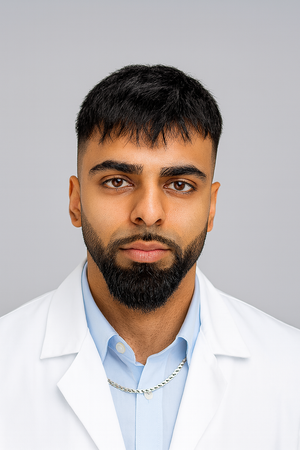
Medically reviewed by
Tarun Kumar, Prescribing Pharmacist (GPhC 2233073)
Reviewed on: June 03, 2026