

Cold Sore Symptoms: Early Signs & Treatment | Cured
Cold Sore Symptoms: Early Signs & Treatment Timing

Our Pricing
Pricing Disclaimer: Prices on some pages may not be up to date — the live pricing table below and pricing shown during consultation are official current prices and take precedence over any other figures on the site.

Cold Sore Symptoms: Early Signs & Treatment Timing
Published on: June 03, 2026
Recognising cold sore symptoms early signs UK can make the difference between a minor outbreak and a full blister. At Cured Pharmacy, our clinical team has helped thousands of patients identify the prodromal tingling stage—the critical window when antiviral treatment works best. Understanding these early warning signs allows you to start aciclovir treatment promptly, potentially reducing blister severity by up to 50% when applied within the first 48 hours [1].
The Five Stages of Cold Sore Development
Cold sores progress through distinct clinical stages, each lasting 1–2 days on average. The prodromal (tingling) stage occurs 6–24 hours before visible blisters appear and represents your optimal treatment window [1]. During this phase, the herpes simplex virus type 1 (HSV-1) is actively replicating in nerve cells near the skin surface, triggering localised inflammation.
Stage one begins with tingling, itching, or burning sensations around the lip border—often described by patients as a 'pins and needles' feeling. Stage two brings visible redness and swelling as fluid-filled vesicles begin forming beneath the skin. By stage three, painful blisters erupt and cluster together, reaching peak viral shedding [2]. Stage four involves ulceration as blisters rupture and crust over, whilst stage five marks the healing phase where scabs gradually resolve over 8–10 days.
Clinical trials demonstrate that topical aciclovir applied during the prodromal stage can shorten outbreak duration by an average of 0.5–1 day and reduce lesion size significantly compared to untreated episodes [1][2]. This underscores why early symptom recognition matters clinically.
Early Cold Sore Symptoms: What to Watch For
The earliest cold sore symptoms often manifest as subtle sensory changes that patients may initially dismiss. Tingling, itching, or localised burning around the vermillion border (where lip meets skin) are hallmark prodromal signs reported by 85% of recurrent sufferers [2]. Some patients describe a tightness or tenderness when touching the affected area, whilst others notice heightened sensitivity to temperature changes.
Accompanying systemic symptoms may include mild fatigue, localised lymph node swelling beneath the jaw, or a low-grade sensation of unwellness—though these are less common in immunocompetent adults. The affected site typically feels warm to touch and may appear slightly raised before visible blisters emerge. Patients familiar with their outbreak patterns often recognise a characteristic 'warning sensation' unique to their episodes.
Triggers that precipitate these early symptoms include UV exposure, stress, hormonal fluctuations, upper respiratory infections, and immune suppression [3]. Keeping a symptom diary helps identify your personal triggers and enables pre-emptive treatment strategies.
Distinguishing Cold Sores from Similar Conditions
Angular cheilitis (cracked mouth corners), canker sores (aphthous ulcers), and impetigo can mimic early cold sore symptoms but require different management. Cold sores caused by HSV-1 typically occur on the outer lip border and begin with prodromal tingling, whilst canker sores develop inside the mouth without preceding sensory symptoms [2]. Angular cheilitis presents as painful cracks at mouth corners, often associated with fungal infection or nutritional deficiency rather than viral replication. If you're uncertain about your symptoms, our UK clinical team can assess your presentation during a free online consultation before recommending appropriate treatment.
When to Start Aciclovir Treatment for Cold Sores
Optimal treatment timing is critical for antiviral efficacy. Aciclovir works by inhibiting viral DNA polymerase, preventing HSV-1 replication—but this mechanism is most effective when viral load is still low during the prodromal phase [1]. Clinical evidence shows that starting aciclovir cream within 1 hour of symptom onset provides maximum benefit, reducing healing time and blister formation significantly compared to delayed application [4].
At Cured Pharmacy, we recommend applying aciclovir 5% cream five times daily at the first tingling sensation, continuing for five days or until the lesion has healed. Our Numark Cold Sore Cream containing aciclovir is available from £4.49, offering the same active pharmaceutical ingredient as branded alternatives at competitive UK pricing. For recurrent sufferers experiencing six or more outbreaks annually, oral aciclovir tablets (prescription-only) may provide better suppression and require clinical assessment by a UK prescriber.
Patients who miss the prodromal window can still benefit from treatment, though efficacy diminishes once blisters have fully formed. Studies indicate that aciclovir applied during the vesicular stage may still reduce viral shedding and discomfort, even if healing time isn't substantially shortened [4].
Prescription vs Over-the-Counter Options
Topical aciclovir 5% cream is available over the counter for uncomplicated cold sores, whilst oral aciclovir tablets require a prescription and clinical assessment. Oral formulations are typically reserved for severe outbreaks, immunocompromised patients, or those requiring suppressive therapy. Our UK-registered prescribers can evaluate whether prescription-strength treatment is appropriate during your free online consultation, which takes under three minutes to complete.
How Long Do Cold Sore Symptoms Last?
Untreated cold sore outbreaks typically resolve within 7–10 days, though this timeline varies based on immune status, viral strain, and outbreak frequency [3]. The prodromal tingling stage lasts 6–24 hours, followed by 1–2 days of blister formation. Vesicles rupture after 2–3 days, entering the ulcerative phase which is often the most painful period. Crusting begins around day 5, with complete healing by days 8–10 in most immunocompetent adults.
Early aciclovir treatment can reduce this timeline by approximately 12–24 hours on average, with some patients experiencing up to 50% reduction in blister size when treatment begins during the tingling stage [1][4]. Factors that prolong healing include secondary bacterial infection, picking at lesions, continued UV exposure, and underlying immunosuppression.
Recurrent outbreaks tend to follow predictable patterns for individual patients. First-time infections (primary herpes) are typically more severe, lasting 2–3 weeks with systemic symptoms including fever and malaise. Recurrent episodes are milder and shorter due to established immune memory against HSV-1 [2].
Managing Cold Sore Pain and Discomfort
Symptomatic relief measures complement antiviral treatment during active outbreaks. Topical anaesthetics containing lidocaine or benzocaine can temporarily numb painful lesions, whilst oral analgesics like paracetamol or ibuprofen address systemic discomfort and inflammation. Cold compresses applied for 10–15 minutes several times daily may reduce swelling and provide cooling relief during the vesicular stage.
Avoid touching or picking at lesions, as this increases secondary infection risk and prolongs healing. Keep the affected area clean and dry, using separate towels to prevent transmission to other household members. Petroleum jelly applied around (not on) the lesion can prevent cracking and reduce discomfort when eating or speaking.
Sun protection is essential both during outbreaks and as a preventive measure, as UV exposure is a well-documented HSV-1 reactivation trigger [3]. Use SPF 30+ lip balm daily, particularly during summer months or at high altitude. Patients with frequent sun-triggered outbreaks may benefit from prophylactic aciclovir before planned UV exposure, subject to prescriber approval.
When to Seek Medical Advice
Consult a healthcare professional if cold sores don't heal within 10 days, spread beyond the lip area, involve the eyes, occur alongside high fever, or if you're immunocompromised. Patients with eczema herpeticum (widespread HSV infection on eczematous skin) require urgent medical attention and systemic antiviral therapy. Our superintendent pharmacist Tarun Kumar (GPhC 2233073) and clinical team are available to assess concerning symptoms and arrange appropriate referral when necessary.
Preventing Future Cold Sore Outbreaks
Whilst HSV-1 cannot be eliminated once contracted, outbreak frequency can be reduced through trigger avoidance and immune support. Common triggers include stress, illness, hormonal changes, fatigue, and UV exposure—all of which temporarily suppress local immune surveillance, allowing viral reactivation [3]. Maintaining consistent sleep patterns, managing stress through evidence-based techniques, and supporting immune function with balanced nutrition may reduce recurrence rates.
For patients experiencing six or more outbreaks annually, suppressive antiviral therapy with oral aciclovir may be clinically appropriate. This involves taking lower daily doses continuously to prevent viral reactivation, rather than treating active outbreaks reactively. Clinical trials show suppressive aciclovir reduces outbreak frequency by 70–80% in frequent sufferers [4]. This approach requires prescription and ongoing monitoring by a UK prescriber.
Hygiene measures prevent transmission to others and autoinoculation to different body sites. Avoid sharing utensils, towels, or lip products during active outbreaks. Wash hands thoroughly after touching lesions, and refrain from oral contact including kissing until lesions have completely healed. Replace toothbrushes after outbreaks to prevent re-exposure to viral particles.
Evidence-Based Lifestyle Modifications
Emerging research suggests L-lysine supplementation (1000–3000mg daily) may reduce outbreak frequency in some patients, though evidence remains mixed and supplementation should be discussed with a healthcare professional [3]. Adequate hydration, regular exercise, and stress reduction techniques like mindfulness or cognitive behavioural therapy address systemic triggers that compromise immune function. Patients should maintain realistic expectations—complete prevention isn't achievable, but meaningful reduction in outbreak severity and frequency is possible with comprehensive management.
Scientific References
- Spruance, S. L., et al. (1997). Penciclovir Cream for the Treatment of Herpes Simplex Labialis: A Randomized, Multicenter, Double-Blind, Placebo-Controlled Trial. JAMA, 277(17), 1374–1379. https://doi.org/10.1001/jama.1997.03540410052031 [accessed 13 August 2026]
- Arduino, P. G., & Porter, S. R. (2008). Herpes Simplex Virus Type 1 Infection: Overview on Relevant Clinico-Pathological Features. Journal of Oral Pathology & Medicine, 37(2), 107–121. https://doi.org/10.1111/j.1600-0714.2007.00586.x [accessed 13 August 2026]
- Cernik, C., Gallina, K., & Brodell, R. T. (2008). The Treatment of Herpes Simplex Infections: An Evidence-Based Review. Archives of Internal Medicine, 168(11), 1137–1144. https://doi.org/10.1001/archinte.168.11.1137 [accessed 13 August 2026]
- Spruance, S. L., et al. (2002). Acyclovir Cream for Treatment of Herpes Simplex Labialis: Results of Two Randomized, Double-Blind, Vehicle-Controlled, Multicenter Clinical Trials. Antimicrobial Agents and Chemotherapy, 46(7), 2238–2243. https://doi.org/10.1128/AAC.46.7.2238-2243.2002 [accessed 13 August 2026]
Information on this page is for educational purposes only and is not medical advice. All prescription treatments require clinical assessment by a UK-registered prescriber. Always consult a qualified healthcare professional before starting any new medication.
Trusted by thousands
Real people, real results
Jane L.
"Brilliant. Lost 4 stone on mounjaro no side effects at all. Cured pharmacy are excellent. Always helpful pens sent out quickly always comes with needles and sterile wipes. If you want to go on GLP-1 go to cured pharmacy. So professional. Thank you cured pharmacy you changed my health and well being."
Ann-Marie
"I absolutely love this product, I have been using 2.5mg as maintenance dose and have managed to control my weight without any side effects and can still eat well balanced meals. The pharmacy is very efficient friendly and helpful I would not purchase from anywhere else."
Sacha W.
"So far I'm really impressed by my results it's crazy cause I'm not snacking like how I used to do and I see my face slimming down already and it's only been 2 and a half weeks. Can't wait to give my feedback in 5 months time thank you cured pharmacy."
Kimberly G.
"Mounjaro has corrected my hormonal weight gain during menopause. I am using it now to maintain that balance. The results for me have been exceptional!"
Jennifer
"Great really helps cure those nasty habits can't wait for my next mounjaro pen."
How it Works?


Faq
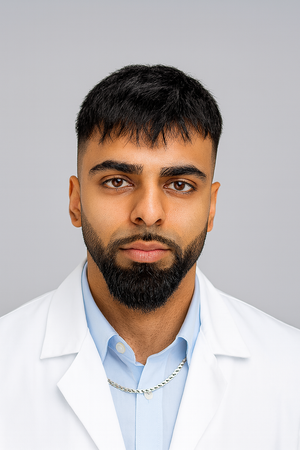
Medically reviewed by
Tarun Kumar, Prescribing Pharmacist (GPhC 2233073)
Reviewed on: June 03, 2026