

Cold Sore vs Canker Sore: Sun Protection Tips

Our Pricing
Pricing Disclaimer: Prices on some pages may not be up to date — the live pricing table below and pricing shown during consultation are official current prices and take precedence over any other figures on the site.

Cold Sore vs Canker Sore: Sun Protection Tips
Published on: June 03, 2026
Understanding cold sore sun protection UK strategies is essential for preventing painful outbreaks triggered by UV exposure. At Cured Pharmacy, our clinical team helps thousands of UK patients distinguish between cold sores and canker sores whilst providing evidence-based protection advice and effective antiviral treatments from £4.49.
Cold Sore vs Canker Sore: Key Differences
Cold sores and canker sores are frequently confused, yet they're entirely different conditions requiring distinct management approaches. Cold sores (herpes labialis) are caused by herpes simplex virus type 1 (HSV-1), appearing as fluid-filled blisters on or around the lips [1]. Approximately 67% of the UK population under 50 carries HSV-1, though many never experience visible outbreaks [2].
Canker sores (aphthous ulcers) are shallow, painful ulcers inside the mouth—on the tongue, inner cheeks, or soft palate. Unlike cold sores, they're not contagious and aren't caused by viral infection [3]. Canker sores never appear on the outer lip surface, whilst cold sores rarely occur inside the mouth except on the hard palate or gums in primary infections.
The most critical distinction for UK patients: cold sores are highly contagious through direct contact and can be triggered by specific factors including sun exposure, whilst canker sores result from local trauma, stress, nutritional deficiencies, or immune responses and pose no transmission risk [1][3].
Why Sun Exposure Triggers Cold Sore Outbreaks
Ultraviolet radiation is one of the most common cold sore triggers documented in clinical literature. UV exposure suppresses local immune function in lip tissue, allowing dormant HSV-1 virus residing in nerve ganglia to reactivate and travel to the skin surface [4]. Studies show that 25-30% of individuals with recurrent cold sores identify sun exposure as their primary trigger [1].
The mechanism involves UV-induced damage to keratinocytes and temporary immunosuppression of Langerhans cells in the epidermis. This creates an opportunity window—typically 2-3 days post-exposure—when viral replication can occur unchecked before immune responses mobilise [4]. Skiers, outdoor workers, and holiday-makers face particularly high risk during periods of intense UV exposure combined with other stressors like wind and temperature changes.
Research demonstrates that consistent sun protection reduces cold sore recurrence rates by approximately 40-50% in susceptible individuals [5]. This makes UV protection one of the most evidence-based preventive strategies available, alongside antiviral prophylaxis for severe cases.
Peak Risk Periods for Sun-Triggered Outbreaks
UK patients experience highest risk during spring and summer months when UV index exceeds 3, particularly during seaside holidays, mountain activities, and outdoor sports. Reflective surfaces like water, sand, and snow amplify UV exposure by 25-80%, significantly increasing outbreak probability even on overcast days when up to 80% of UV rays penetrate cloud cover [5].
Evidence-Based Sun Protection Strategies for Cold Sore Prevention
Effective cold sore sun protection UK protocols combine physical barriers with antiviral preparedness. Apply SPF 30 or higher lip balm containing zinc oxide or titanium dioxide every 2 hours during sun exposure—these mineral filters provide broad-spectrum protection without chemical absorption that might irritate sensitive lip tissue [5]. Our superintendent pharmacist Tarun Kumar recommends keeping lip balm with SPF in every bag, car, and coat pocket for consistent reapplication.
Wear wide-brimmed hats (minimum 7.5cm brim) to reduce direct UV exposure to the lip area by approximately 70% [5]. Combine this with seeking shade during peak UV hours (11am-3pm in the UK) and wearing UV-protective sunglasses to reduce reflected radiation reaching the perioral region. For high-risk activities like skiing or beach holidays, consider UV-protective face masks or buffs designed for outdoor sports.
Clinical evidence supports prophylactic aciclovir for patients with frequent sun-triggered outbreaks. Taking aciclovir 400mg twice daily starting 2-3 days before anticipated UV exposure and continuing for the duration can reduce outbreak incidence by up to 75% in susceptible individuals [1]. This approach requires consultation with a UK prescriber to assess suitability and potential drug interactions.
Choosing the Right SPF Lip Protection
Select lip products specifically formulated for sun protection rather than standard moisturising balms. Look for water-resistant formulations if swimming or engaging in water sports, and reapply immediately after eating, drinking, or towel drying. Avoid lip products containing potential irritants like menthol, camphor, or phenol during active outbreaks, as these may delay healing despite providing temporary numbing sensation.
Aciclovir Treatment: Fast-Acting Cold Sore Relief
Aciclovir remains the gold-standard antiviral for cold sore management, available as both topical cream and oral tablets through UK pharmacies. Topical aciclovir 5% cream works by inhibiting viral DNA polymerase, preventing HSV-1 replication when applied at the first tingling sensation (prodrome stage) [1]. Clinical trials demonstrate that early application reduces healing time by approximately 1-2 days and may decrease lesion severity by 30-40% [6].
At Cured Pharmacy, Numark Cold Sore Cream containing aciclovir 5% is available from £4.49, offering the lowest prices guaranteed in the UK for this essential treatment. Apply a thin layer to the affected area five times daily (approximately every 4 hours whilst awake) for 5 days, starting at the earliest sign of outbreak [6]. The cream requires no prescription for pharmacy supply when used for cold sores in immunocompetent adults.
For severe recurrent outbreaks (6 or more per year) or immunocompromised patients, oral aciclovir tablets provide systemic antiviral coverage. Oral treatment requires online clinical assessment by a UK prescriber, available through our 3-minute consultation process. Prescription-strength aciclovir offers higher bioavailability and may be more convenient for patients who struggle with frequent cream application [1].
Managing Canker Sores: When Sun Isn't the Culprit
Whilst canker sores don't respond to sun exposure triggers, they cause significant discomfort and are often mistaken for cold sores by UK patients. Canker sores typically result from minor oral trauma (biting, dental work), nutritional deficiencies (vitamin B12, folate, iron), hormonal changes, or immune-mediated responses [3]. They appear as round or oval ulcers with white or yellow centres and red borders, exclusively inside the mouth.
Management focuses on symptom relief and promoting healing rather than antiviral therapy. Over-the-counter options include antimicrobial mouthwashes containing chlorhexidine, protective gels forming a barrier over the ulcer, and topical analgesics for pain relief. Most canker sores heal spontaneously within 7-14 days without scarring [3].
Recurrent canker sores (more than 3 episodes yearly) warrant investigation for underlying causes including coeliac disease, inflammatory bowel disease, or Behçet's syndrome. Our clinical team can provide guidance during consultation and recommend appropriate referral to your GP for further assessment if patterns suggest systemic conditions requiring specialist management.
When to Seek Medical Review
Consult a healthcare professional if mouth ulcers persist beyond 3 weeks, exceed 1cm in diameter, recur more than monthly, or are accompanied by fever, difficulty swallowing, or unexplained fatigue. These features may indicate conditions requiring prescription treatments or specialist investigation rather than standard canker sore management.
Cold Sore Sun Protection UK: Your Complete Action Plan
Implementing comprehensive cold sore sun protection UK strategies requires consistent daily habits and outbreak preparedness. Create a prevention toolkit containing SPF 30+ lip balm, wide-brimmed hat, and emergency aciclovir cream for immediate application at first symptoms. Set phone reminders for lip balm reapplication every 2 hours during outdoor activities, as protection degrades with time and physical contact.
Document your personal outbreak triggers in a diary or phone app—patterns often emerge showing correlations with sun exposure, stress, illness, or hormonal changes. This data helps predict high-risk periods and implement targeted prevention. For patients with established sun-triggered patterns, discuss prophylactic antiviral therapy with a UK prescriber before planned UV exposure events like holidays or outdoor work projects.
Remember that cold sore sun protection UK isn't solely about summer months—winter sun reflects intensely off snow, and UV exposure occurs year-round even on cloudy days. Maintain lip protection habits throughout all seasons, particularly if you have a history of frequent outbreaks. At Cured Pharmacy, our team provides personalised guidance during your free online consultation, ensuring you receive appropriate treatment and prevention advice tailored to your outbreak patterns and lifestyle factors.
Scientific References
- Arduino, P. G., & Porter, S. R. (2008). Herpes Simplex Virus Type 1 Infection: Overview on Relevant Clinico-Pathological Features. Journal of Oral Pathology & Medicine, 37(2), 107–121. https://doi.org/10.1111/j.1600-0714.2007.00586.x [accessed 13 August 2026]
- Looker, K. J., et al. (2015). Global Estimates of Prevalent and Incident Herpes Simplex Virus Type 1 Infections in 2012. PLOS ONE, 10(10), e0140765. https://doi.org/10.1371/journal.pone.0140765 [accessed 13 August 2026]
- Chavan, M., et al. (2012). Recurrent Aphthous Stomatitis: A Review. Journal of Oral Pathology & Medicine, 41(8), 577–583. https://doi.org/10.1111/j.1600-0714.2012.01134.x [accessed 13 August 2026]
- Rooney, J. F., et al. (1991). UV Light-Induced Reactivation of Herpes Simplex Virus Type 2 and Prevention by Acyclovir. Journal of Infectious Diseases, 164(4), 633–639. https://doi.org/10.1093/infdis/164.4.633 [accessed 13 August 2026]
- Rooney, J. F., et al. (1991). Prevention of Ultraviolet-Light-Induced Herpes Labialis by Sunscreen. The Lancet, 338(8780), 1419–1422. https://doi.org/10.1016/0140-6736(91)92725-X [accessed 13 August 2026]
- Spruance, S. L., et al. (2002). Acyclovir Cream for Treatment of Herpes Simplex Labialis: Results of Two Randomized, Double-Blind, Vehicle-Controlled, Multicenter Clinical Trials. Antimicrobial Agents and Chemotherapy, 46(7), 2238–2243. https://doi.org/10.1128/AAC.46.7.2238-2243.2002 [accessed 13 August 2026]
Information on this page is for educational purposes only and is not medical advice. All prescription treatments require clinical assessment by a UK-registered prescriber. Always consult a qualified healthcare professional before starting any new medication.
Trusted by thousands
Real people, real results
Jane L.
"Brilliant. Lost 4 stone on mounjaro no side effects at all. Cured pharmacy are excellent. Always helpful pens sent out quickly always comes with needles and sterile wipes. If you want to go on GLP-1 go to cured pharmacy. So professional. Thank you cured pharmacy you changed my health and well being."
Ann-Marie
"I absolutely love this product, I have been using 2.5mg as maintenance dose and have managed to control my weight without any side effects and can still eat well balanced meals. The pharmacy is very efficient friendly and helpful I would not purchase from anywhere else."
Sacha W.
"So far I'm really impressed by my results it's crazy cause I'm not snacking like how I used to do and I see my face slimming down already and it's only been 2 and a half weeks. Can't wait to give my feedback in 5 months time thank you cured pharmacy."
Kimberly G.
"Mounjaro has corrected my hormonal weight gain during menopause. I am using it now to maintain that balance. The results for me have been exceptional!"
Jennifer
"Great really helps cure those nasty habits can't wait for my next mounjaro pen."
How it Works?


Faq
Medically reviewed by
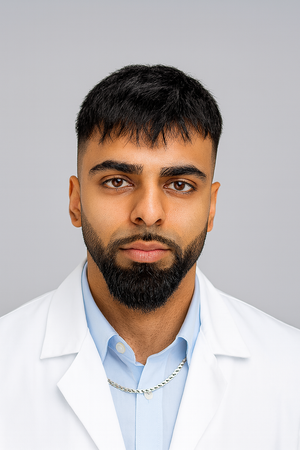
Tarun Kumar, Prescribing Pharmacist (GPhC 2233073)
Reviewed on: June 03, 2026