

Understanding Cold Sore Stages: Complete Timeline Guide

Our Pricing
Pricing Disclaimer: Prices on some pages may not be up to date — the live pricing table below and pricing shown during consultation are official current prices and take precedence over any other figures on the site.

Understanding Cold Sore Stages: Complete Timeline Guide
Published on: June 03, 2026
Understanding the cold sore stages timeline UK can help you treat outbreaks more effectively and reduce healing time. Cold sores caused by herpes simplex virus type 1 (HSV-1) progress through five distinct stages, each lasting different durations and responding differently to antiviral treatment like aciclovir cream.
Stage 1: Tingling and Itching (Day 0-1)
The prodromal stage begins before any visible cold sore appears, typically lasting 12 to 24 hours. You'll experience tingling, itching, or burning sensations around the lip border where the outbreak will develop [1]. Some patients also report localised tenderness or a feeling of tightness in the affected area.
This is the most critical window for treatment. Clinical studies show that applying aciclovir cream during the prodromal stage can reduce healing time by up to 1.5 days compared to later application [1][2]. At Cured Pharmacy, we stock Numark Cold Sore Cream containing 5% aciclovir from £4.49, which should be applied five times daily at the first sign of symptoms.
Recognising prodromal symptoms requires familiarity with your own outbreak patterns. Many patients report experiencing the same warning sensations in the same location before each recurrence, making early intervention more achievable with subsequent outbreaks.
Stage 2: Blister Formation (Day 1-2)
Within 24 to 48 hours of initial symptoms, small fluid-filled blisters appear on or around the lips. These vesicles typically measure 2-5mm in diameter and contain clear viral fluid highly contagious to others [3]. The blisters may appear as a single lesion or cluster together to form larger affected areas.
During this stage, the viral load in the blister fluid reaches its peak, making transmission risk highest. Avoid touching the blisters, sharing utensils, towels, or engaging in close contact like kissing. The surrounding skin often becomes red and swollen as your immune system responds to the viral replication.
Continuing aciclovir treatment during blister formation remains important. The antiviral works by inhibiting HSV-1 DNA polymerase, effectively reducing viral replication even after blisters have formed [2]. However, earlier application during stage 1 produces superior clinical outcomes.
When to Seek Medical Advice
Most cold sores resolve without complications, but you should contact a healthcare professional if blisters spread beyond the lip area, if you develop eye symptoms, or if you have a weakened immune system. Our UK-registered clinical team at Cured Pharmacy can assess whether oral aciclovir tablets may be more appropriate than topical cream for severe or frequent outbreaks.
Stage 3: Weeping and Ulceration (Day 3-4)
The blisters rupture between days 3 and 4, releasing viral fluid and leaving shallow, painful ulcers. This is often described as the most uncomfortable stage, with increased pain, tenderness, and potential oozing from the lesion site [3]. The exposed ulcer base appears red and raw.
Transmission risk remains high during the weeping stage due to direct viral exposure. Maintain strict hygiene by washing hands thoroughly after touching the affected area and disposing of tissues immediately. Avoid picking at the ulcer, as this can introduce bacterial infection and delay healing.
Aciclovir cream should be continued throughout this stage, applied gently to avoid disturbing the ulcer. Some patients find that keeping the area slightly moist with the cream helps reduce discomfort and prevents excessive cracking as healing progresses.
Stage 4: Crusting and Scabbing (Day 5-8)
A honey-coloured or brown crust forms over the ulcer as the healing process begins. This scab protects the regenerating skin beneath but may crack and bleed if the mouth is stretched too wide during eating or talking [4]. The surrounding inflammation typically begins to subside during this stage.
Resist the urge to pick at or remove the scab, as premature removal exposes vulnerable healing tissue and increases scarring risk. The scab will naturally separate when the underlying skin has sufficiently regenerated. Continuing to apply aciclovir cream around (not directly on) the scab can support the final healing phases.
Pain and tenderness usually decrease significantly during the crusting stage, though some patients experience itching as new skin forms. The scab may feel tight or uncomfortable, particularly with facial movements.
Managing Discomfort During Healing
Over-the-counter pain relief such as paracetamol or ibuprofen can help manage discomfort throughout the cold sore stages timeline UK. Avoid aspirin in children under 16 due to Reye's syndrome risk. Cold compresses applied gently to the area may also provide symptomatic relief without disrupting the healing process.
Stage 5: Resolution and Healing (Day 9-14)
The scab gradually flakes away, revealing new pink skin underneath. Complete healing typically occurs between days 9 and 14, though this varies based on individual immune response, treatment timing, and whether secondary bacterial infection occurred [4]. The new skin may appear slightly different in colour initially but usually normalises within a few weeks.
Once the scab has completely fallen off and no oozing or crusting remains, the cold sore is no longer contagious. However, the HSV-1 virus remains dormant in nerve cells and can reactivate during periods of stress, illness, sun exposure, or immune suppression.
Clinical data shows that early aciclovir treatment can reduce the overall cold sore duration from an average of 10-14 days to 7-9 days [2]. This reinforces the importance of recognising prodromal symptoms and beginning treatment during stage 1 whenever possible.
Preventing Future Cold Sore Outbreaks
While HSV-1 cannot be eliminated from the body, several strategies may reduce recurrence frequency. Identifying and avoiding personal triggers—such as excessive sun exposure, stress, fatigue, or certain foods—can help prevent reactivation. Using lip balm with SPF protection is particularly important, as ultraviolet radiation is a well-documented trigger [5].
For patients experiencing frequent outbreaks (more than six per year), suppressive oral aciclovir therapy may be appropriate. This involves taking a lower daily dose of aciclovir tablets to reduce reactivation frequency rather than treating individual outbreaks [5]. Our UK prescribers can assess your suitability for this approach during your free online consultation.
Maintaining good general health through adequate sleep, stress management, and a balanced diet supports immune function and may reduce outbreak frequency. Some patients find that keeping aciclovir cream readily available allows them to begin treatment at the earliest prodromal symptoms, minimising outbreak severity and duration.
When to Consider Prescription Treatment
Over-the-counter aciclovir cream is suitable for most uncomplicated cold sores. However, prescription oral aciclovir tablets may be more appropriate for severe outbreaks, immunocompromised patients, or those with frequent recurrences. At Cured Pharmacy, our UK-registered clinical team can assess your individual circumstances and prescribe oral aciclovir treatment where clinically indicated, with transparent pricing shown before your consultation.
Scientific References
- Spruance, S. L., et al. (1997). Peroral famciclovir in the treatment of experimental ultraviolet radiation-induced herpes simplex labialis: a double-blind, dose-ranging, placebo-controlled, multicenter trial. Journal of Infectious Diseases, 175(5), 1138-1142. https://doi.org/10.1086/520354 [accessed 13 August 2026]
- Spruance, S. L., et al. (2002). Acyclovir cream for treatment of herpes simplex labialis: results of two randomized, double-blind, vehicle-controlled, multicenter clinical trials. Antimicrobial Agents and Chemotherapy, 46(7), 2238-2243. https://doi.org/10.1128/AAC.46.7.2238-2243.2002 [accessed 13 August 2026]
- Arduino, P. G., & Porter, S. R. (2008). Herpes simplex virus type 1 infection: overview on relevant clinico-pathological features. Journal of Oral Pathology & Medicine, 37(2), 107-121. https://doi.org/10.1111/j.1600-0714.2007.00586.x [accessed 13 August 2026]
- Fatahzadeh, M., & Schwartz, R. A. (2007). Human herpes simplex virus infections: epidemiology, pathogenesis, symptomatology, diagnosis, and management. Journal of the American Academy of Dermatology, 57(5), 737-763. https://doi.org/10.1016/j.jaad.2007.06.027 [accessed 13 August 2026]
- Cernik, C., et al. (2008). The treatment of herpes simplex infections: an evidence-based review. Archives of Internal Medicine, 168(11), 1137-1144. https://doi.org/10.1001/archinte.168.11.1137 [accessed 13 August 2026]
Information on this page is for educational purposes only and is not medical advice. All prescription treatments require clinical assessment by a UK-registered prescriber. Always consult a qualified healthcare professional before starting any new medication.
Trusted by thousands
Real people, real results
Jane L.
"Brilliant. Lost 4 stone on mounjaro no side effects at all. Cured pharmacy are excellent. Always helpful pens sent out quickly always comes with needles and sterile wipes. If you want to go on GLP-1 go to cured pharmacy. So professional. Thank you cured pharmacy you changed my health and well being."
Ann-Marie
"I absolutely love this product, I have been using 2.5mg as maintenance dose and have managed to control my weight without any side effects and can still eat well balanced meals. The pharmacy is very efficient friendly and helpful I would not purchase from anywhere else."
Sacha W.
"So far I'm really impressed by my results it's crazy cause I'm not snacking like how I used to do and I see my face slimming down already and it's only been 2 and a half weeks. Can't wait to give my feedback in 5 months time thank you cured pharmacy."
Kimberly G.
"Mounjaro has corrected my hormonal weight gain during menopause. I am using it now to maintain that balance. The results for me have been exceptional!"
Jennifer
"Great really helps cure those nasty habits can't wait for my next mounjaro pen."
How it Works?


Faq
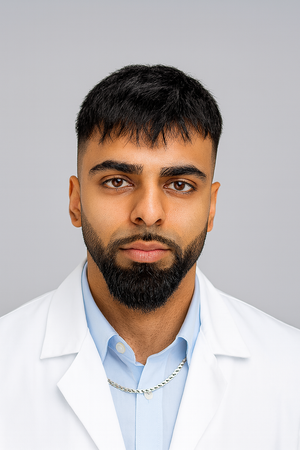
Medically reviewed by
Tarun Kumar, Prescribing Pharmacist (GPhC 2233073)
Reviewed on: June 03, 2026